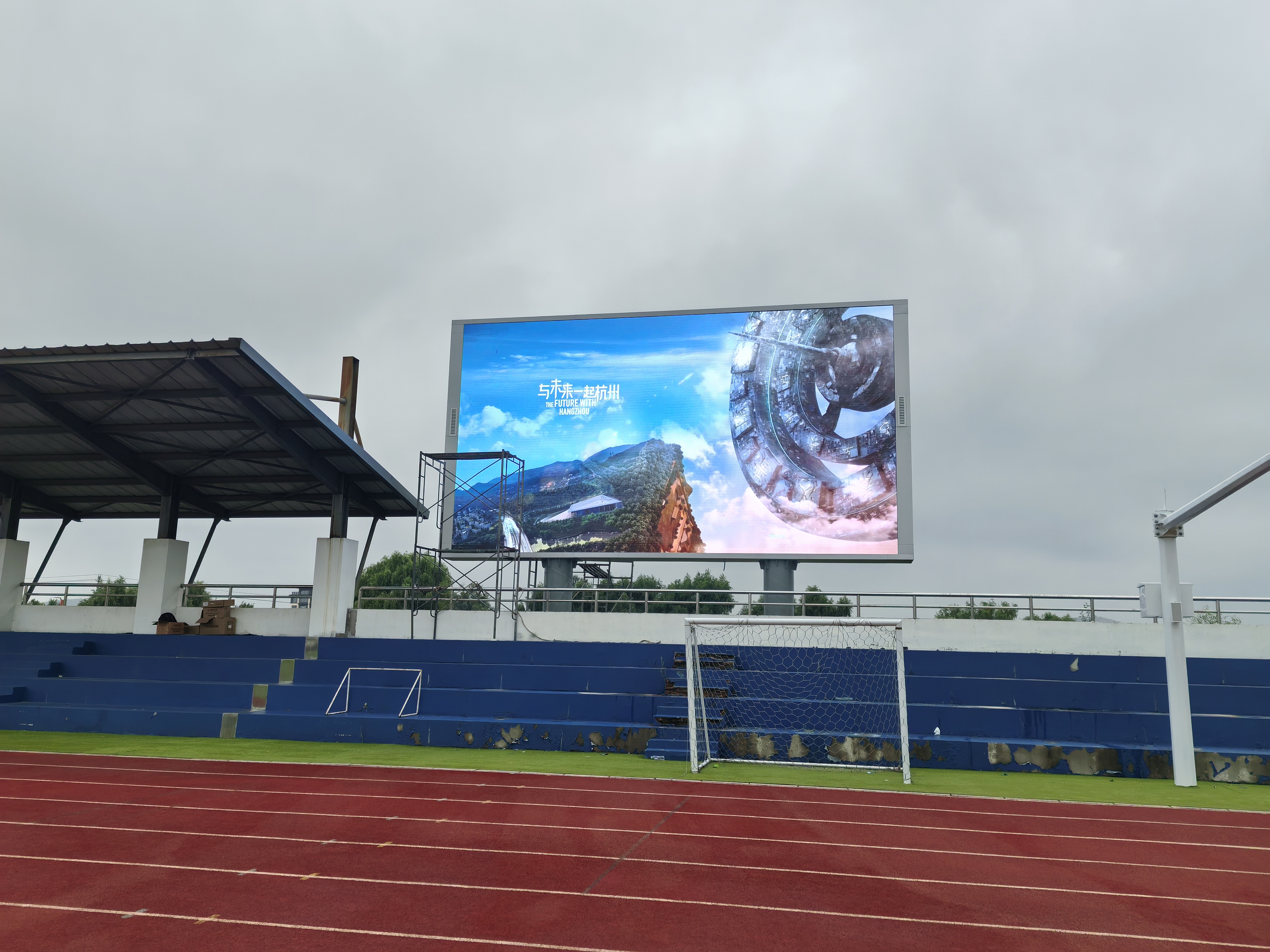
Sports venue display systems often face the selection challenge of how to divide roles between large screens and video walls. From a third-party perspective and using real project data, this article explains the rational pairing logic for LED displays and video walls in sports venues, providing venue builders with a reference basis for decisions.
Event Core
Take the Zhangjiajie National Forest Park project as an example: 30㎡ GOB custom curved screens and 20㎡ interactive floor tiles were deployed in the cave area, while a 60㎡ P3 full-color screen was installed outdoors with 6500cd/㎡ brightness and IP66 protection, increasing visitor dwell time by 50%. When applying this approach to sports venues, LED displays for sports venues can likewise be selected by indoor and outdoor zones: outdoor stands prioritize high brightness and IP65 protection, while indoor venues prioritize high refresh rate and grayscale performance.
Key Points
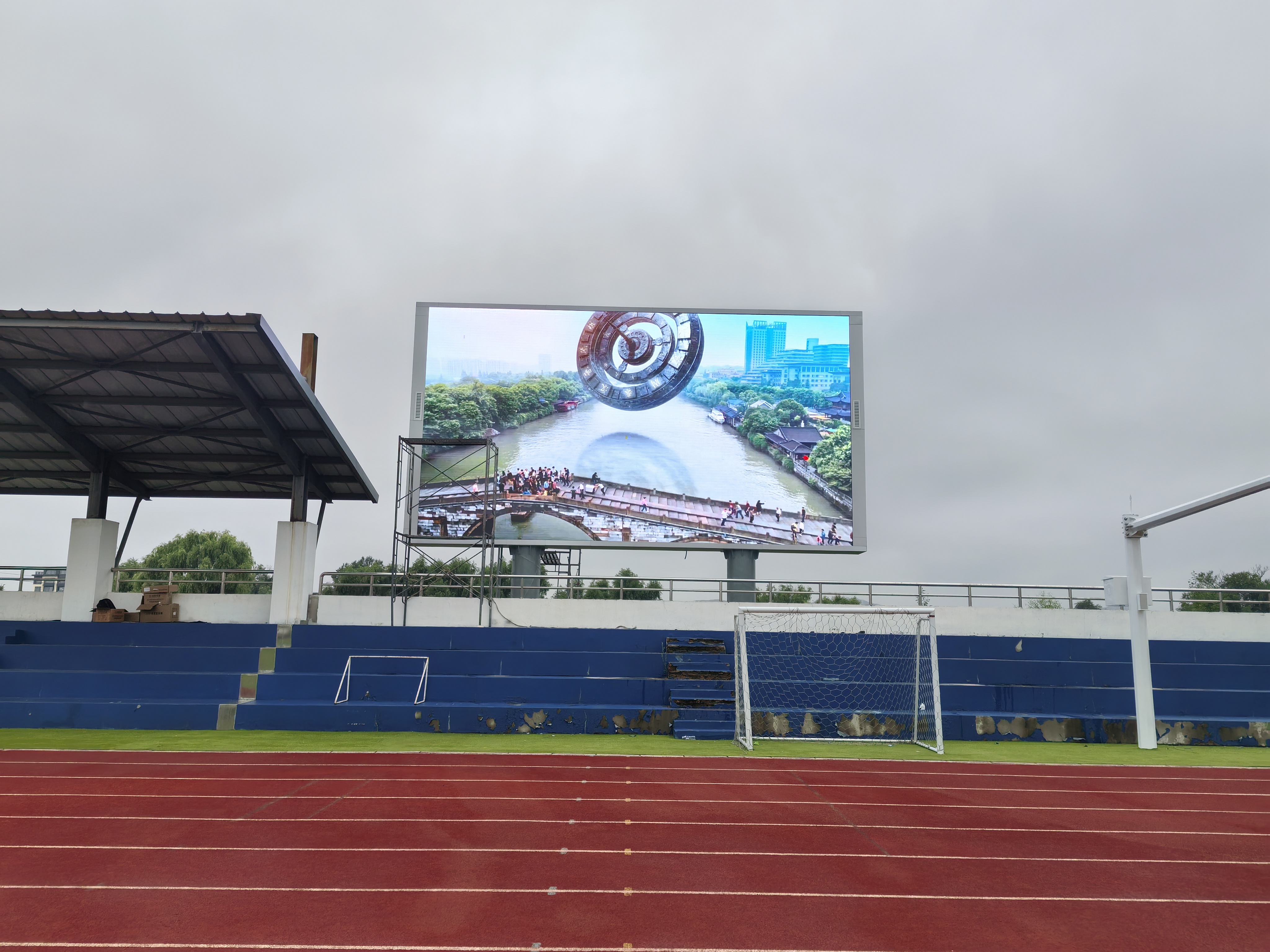
On the parameter side, the main screen of an LED display for sports venues can adopt a configuration with P0.7 pixel pitch, 7680Hz refresh rate, 22bit grayscale, and NTSC color gamut ≥130% to ensure no motion blur in high-speed action footage; the video wall area can use P1.25 to P1.8 specifications based on viewing distance. Rental screens use die-cast aluminum cabinets, ≤8kg per cabinet and ≤28mm thickness, supporting 10-second-per-cabinet quick assembly and ±15° curved splicing, suitable for temporary event setups and complementing permanently installed LED displays for sports venues.
Official Statement and Follow-up Arrangements
For follow-up arrangements, LED display projects for sports venues will provide matching solutions based on on-site viewing distance, lighting conditions, and installation structure, with feasibility confirmed through 3D modeling and structural simulation. After delivery, device status is monitored via a remote operations platform, with local service points responding to maintenance needs, helping venues keep display systems running stably throughout event cycles.
Q1: How should the main screen and video wall of an LED display for sports venues be divided?
A: The conclusion is to divide by viewing distance: use the main LED display for sports venues in distant stand areas, and small-pitch video walls in close-range control areas. The main screen can use SMD-packaged P3 to P10 specifications, with outdoor brightness customized to above 8000cd/m², paired with IP65 protection against strong light and weather; the control-area video wall can use COB-packaged P0.7 to P1.8 with no physical seams for continuous images. Both can achieve 7680Hz refresh rate and 22bit grayscale, ensuring smooth motion footage.
Q2: How to choose the outdoor protection rating for LED displays in sports venues?
A: For outdoor LED displays in sports venues, IP65 or above is recommended. GOB packaging fills transparent resin over SMD lamp beads and circuits, achieving IP65+ protection and adapting to crowded, high-dust, and high-humidity environments; referencing the Zhangjiajie National Forest Park outdoor project, which used IP66 and 6500cd/㎡ brightness and increased visitor dwell time by 50%. For frequently contacted areas such as venue entrances and passages, GOB packaging can be prioritized to balance protection and cost.
Pairing LED displays with video walls in sports venues is essentially zone-based selection according to viewing distance, lighting, and information density. From packaging process to pixel pitch, refresh rate, and protection rating, each parameter corresponds to specific viewing conditions. Using real project data as a reference, venue builders can more reliably determine the LED display solution combination, avoiding over-configuration or insufficient performance.