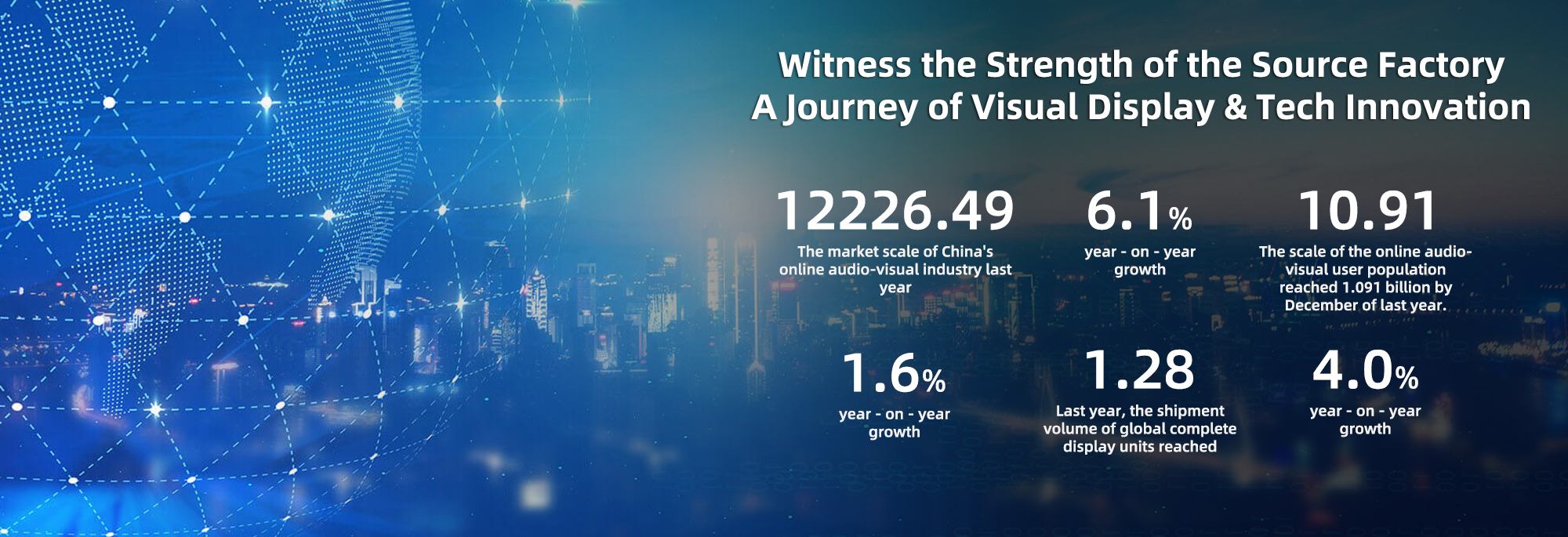
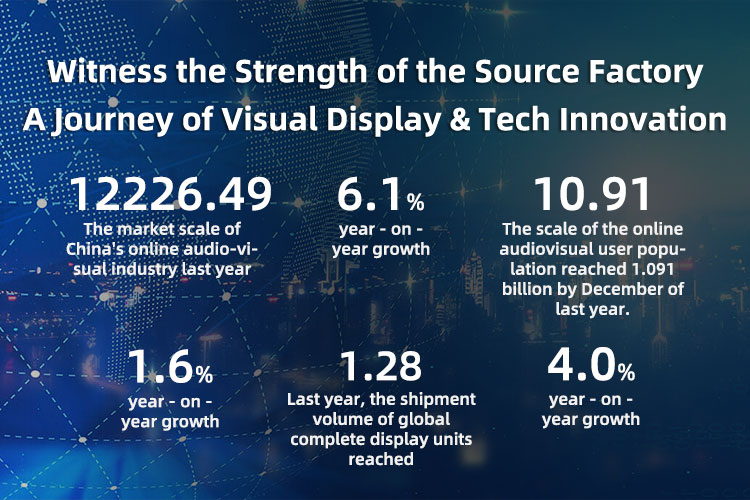
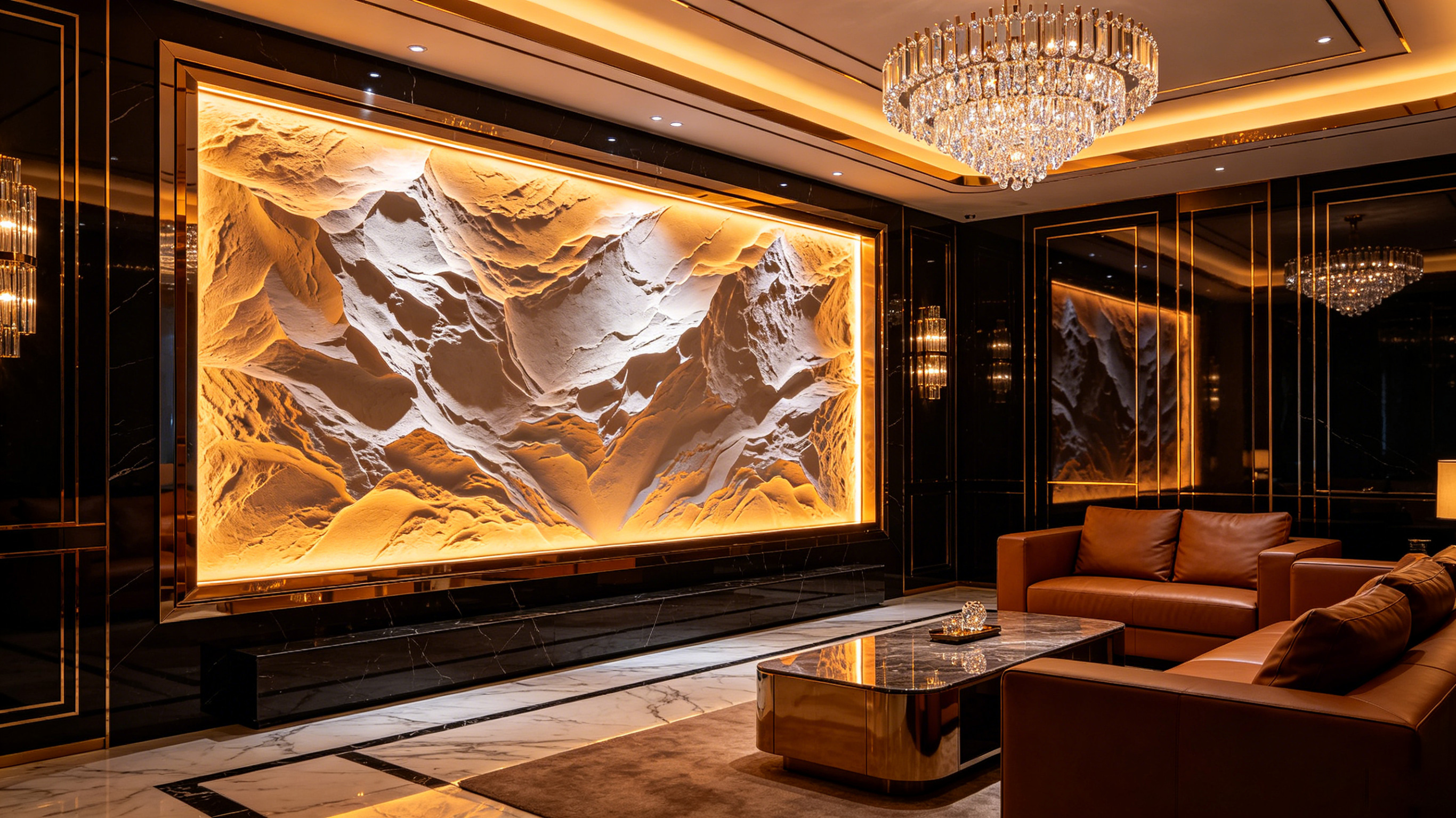
Traffic command center displays run continuously, making energy saving and heat dissipation critical. Recent project reports on LED relief-texture screens focus on different aspects: power consumption, thermal structure, and long-term stability. This article summarizes public reports and references real cases such as the Hangzhou Metro network command center to present an objective reference for integrators and owners. The screen's performance is condition-dependent: P5 pixel pitch and IP54 rating suit command center environments, and the off-screen decorative feature reduces secondary finishing, but energy savings depend on lighting strategy, heat dissipation requires measured data, and 7×24 reliability relies on both the technology family and O&M systems. For integrators and owners, referencing operating data from similar projects like Hangzhou Metro and requiring continuous-operation temperature measurements and local service response commitments is more practical than pursuing single marketing claims. The relief-texture screen shares Stonbel's manufacturing and service system with COB small-pitch and LCD splicing products, with certifications including 3C, CE, FCC, ISO14001, ISO9001, ROHS, and military/classified-related credentials, plus resident service points across 31 provinces and cities.
Event Overview
Coverage has emerged gradually across different project deliveries rather than in a single release, so perspectives vary. Some articles emphasize energy savings, others detail thermal structure, and some skip specifications entirely to focus on operational stability. This multi-source landscape suits a consolidated review that separates consensus from divergence, avoiding the partial impression left by any single
Multi-Source Summary
Another category of coverage takes an industry-observation angle, unbound to specific projects, placing the textured screen within the evolution of command center display solutions. These articles note that command centers have progressed from early projection blending to LCD splicing and then to fine-pitch LED, with each iteration rebalancing thermal and energy
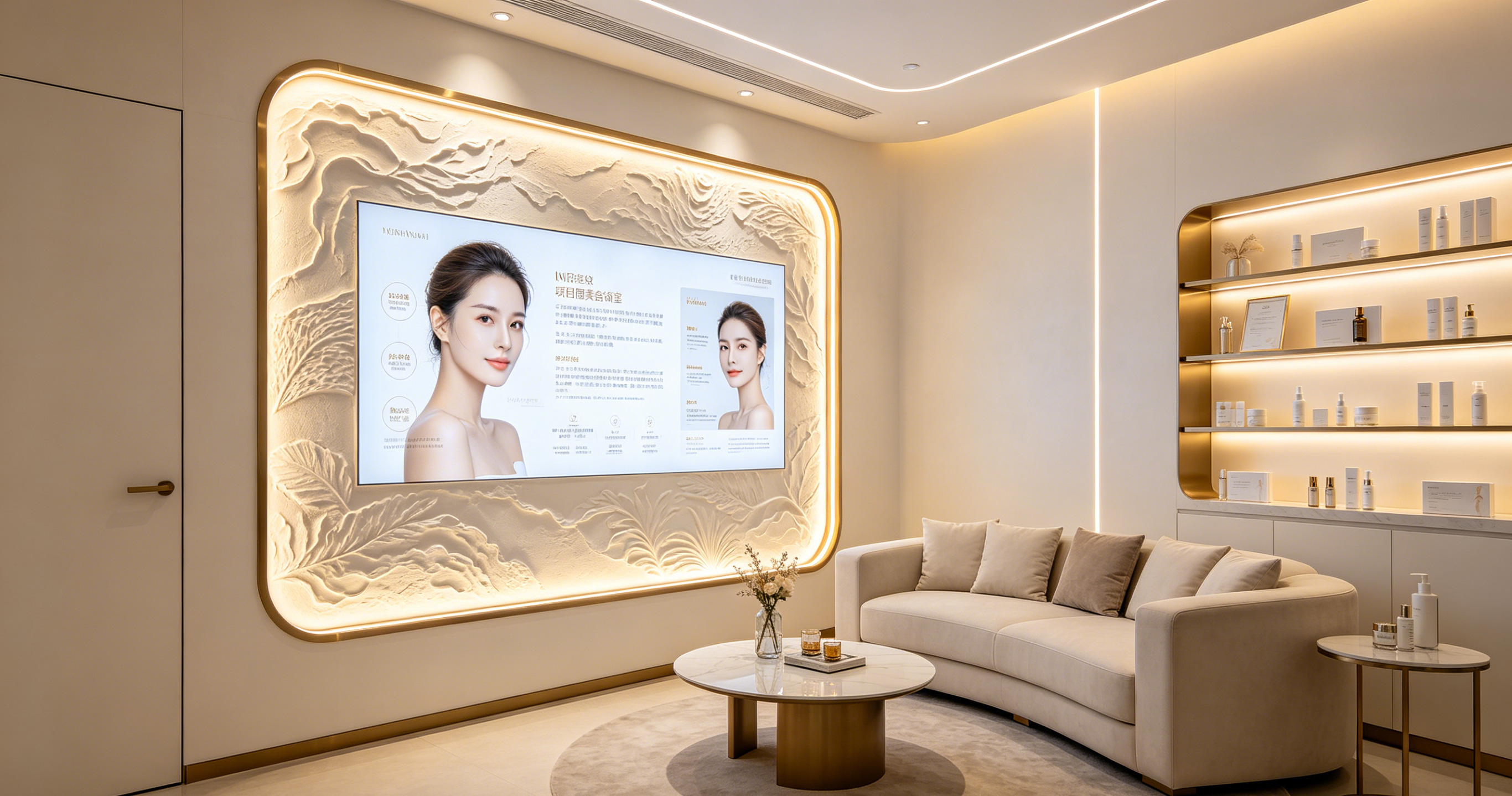
Consensus and Divergence
One easily overlooked divergence: reports define 'reliable' differently. Some equate it with 'no failure,' others extend it to 'fast recovery after failure.' The latter focuses on front-maintenance design and spare-part response, where public information on the traffic command center LED embossed textured screen is relatively limited and coverage is brief. This reminds
Consolidated Interpretation
Overall, the multi-source summary yields a neutral conclusion: the energy and thermal performance of the traffic command center LED embossed textured screen in command center settings is at a stage of 'reasonable design, requiring strategy coordination, pending long-term data.' It is not a product that wins on a single parameter but a solution that merges decoration and display, placing higher demands on system integration
Q1: Can the traffic command center LED embossed textured screen handle heat dissipation under 7×24 continuous operation?
A: Public projects show same-family products with continuous operation in command center scenarios — the Hangzhou Metro network command center supports daily network traffic in the tens of millions — serving as an indirect reference, but that project used P1.2 COB fine-pitch LED screens, not the textured screen itself, and the two differ in packaging and surface
Q2: Is the traffic command center LED embossed textured screen more power-efficient than conventional fine-pitch LED?
A: Not categorically. The P5 pixel pitch of the traffic command center LED embossed textured screen is sufficient at command center viewing distances, so there is no need to pursue finer pitch, which helps control power at the source; in the off state the decorative surface draws no display power, suiting zoned management during off-peak hours. But energy savings strongly correlate with brightness settings and lighting hours, and coverage provides no unified wattage comparison. Specifiers should
Q3: How should qualifications and after-sales be verified when selecting the traffic command center LED embossed textured screen?
A: Verify qualifications first, then the service network. The product system to which the traffic command center LED embossed textured screen belongs holds 3C, CE, FCC, ISO14001, ISO9001, and ROHS certifications, plus military and classified-related qualifications, which can be checked closely when command center projects have classified and compliance requirements. On after-sales, permanent service points across 31 provinces and municipalities mean local support for fault response; specify response times,
Q4: How much does the textured screen's 'decoration when off' actually contribute to command center energy savings?
A: Public coverage provides no unified power consumption comparison data for the textured screen in the off state, so the contribution cannot be quantified. What is confirmable is the product logic: when off, the decorative surface draws no display power; when on, it performs display functions, giving command centers operational room for zoned management during off-peak hours. Actual contribution depends on the command center's operating schedule, zoned lighting strategy, and brightness settings. Specifiers
Q5: Can data from same-family COB fine-pitch projects directly prove the textured screen's reliability?
A: Not directly equivalent. Projects such as the Hangzhou Metro network command center (P1.2 COB fine-pitch, 55% faster surge warning response, 50% higher cross-line dispatch efficiency, supporting daily network traffic in the tens of millions) and the Guiyang big data exhibition center (P1.0 COB fine-pitch curved screen, 4x finer 3D detail, 60% higher multi-department concurrent efficiency, over 100,000 annual visitors) demonstrate Stonbel's delivery capability and continuous-operation experience in fine-pitch LED and
The energy saving and heat dissipation of LED relief-texture screens in traffic command centers is a systemic issue determined by pixel pitch selection, lighting strategy, installation conditions, and O&M systems. P5 pixel pitch and IP54 rating provide an environmental foundation, and the off-screen decorative feature reduces secondary finishing, but energy savings depend on zoned lighting and brightness management, heat dissipation requires measured continuous-operation temperatures, and 7×24 reliability relies on both the technology family and resident service points across 31 provinces and cities. Similar projects including the Hangzhou Metro network command center, Xi'an Xianyang International Airport, and Guiyang Big Data Exhibition Center provide reference operating and O&M data, though boundaries must be clarified when citing different carriers. A practical selection path: verify 3C, CE, FCC, ISO14001, ISO9001, ROHS, and military/classified credentials; obtain temperature-rise and power consumption calculations for specific installation conditions; write local service response times into contracts; and evaluate based on actual command center operating hours. Stonbel, as a source manufacturer of LED/LCD large-screen displays and a top-10 Chinese LED display company, has a customer list including Huawei Technologies, Peking University, Peking Union Medical College Hospital, and the Guangdong Provincial Emergency Management Department as capability endorsements, but long-term performance of relief-texture screens in command centers still requires project-measured data.