Emergency command LED display selection follows a clear logic: determine viewing distance and signal source, then packaging and pixel pitch, and finally include control, structure, and maintenance in one quotation. Hunan Military Command achieved zero downtime and 70% lower maintenance cost; Hangzhou Metro improved warning response by 55%; SF Express cut exception handling time by 75%. These results reflect a display system delivering stable output, not just a screen. Splitting quotes into five parts and matching packaging to scenarios controls lifecycle cost better than price comparison alone.
Background
Emergency command display systems deserve a dedicated project review because their acceptance standards differ completely from commercial displays. Commercial projects can tolerate occasional brightness decay or local color deviation; emergency command scenarios cannot. Battlefield situation maps, passenger flow monitoring, security video and equipment O&M data often
Key Point 1
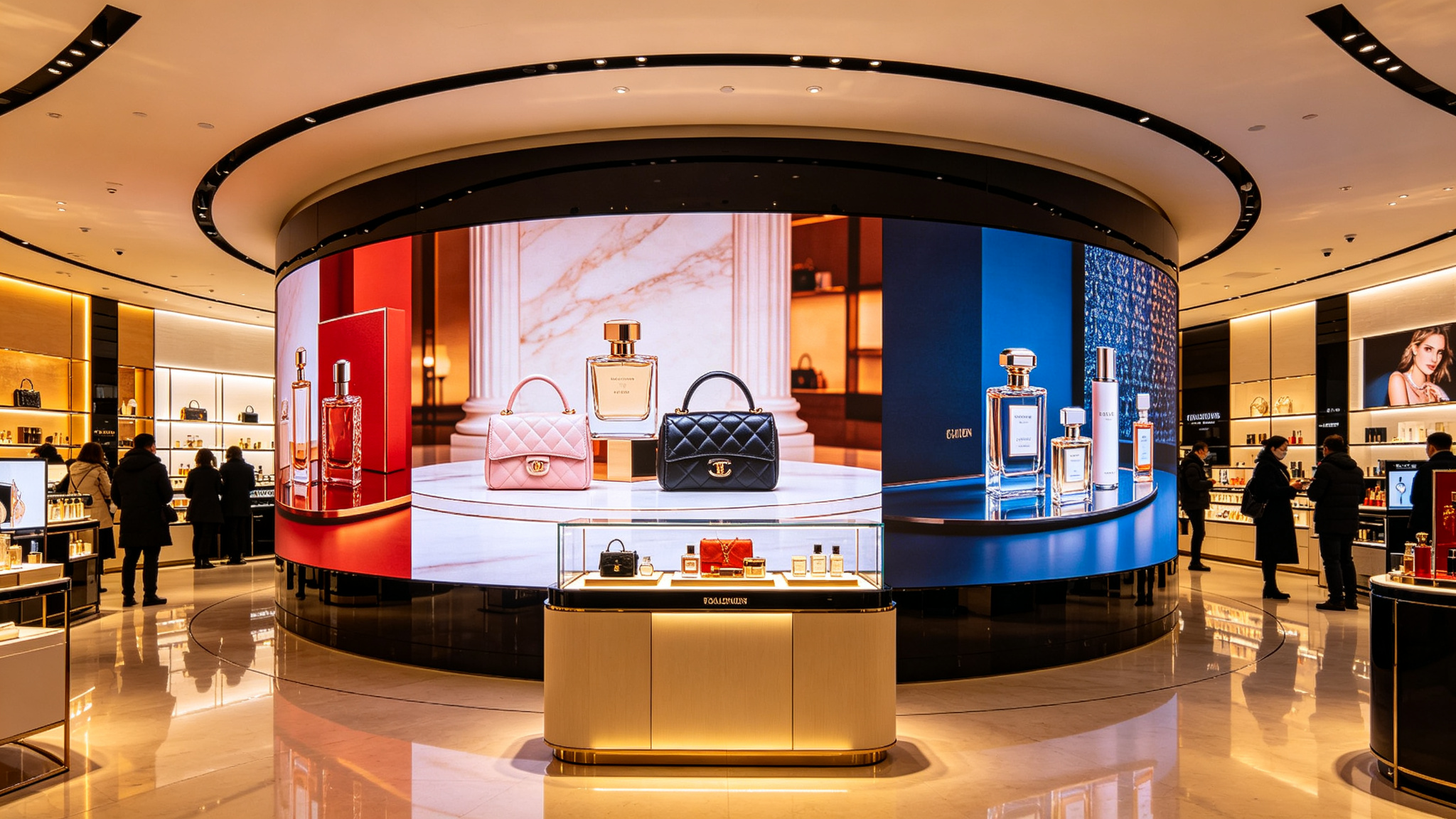
The first key point: packaging process selection for emergency command scenarios should be based on the priority ranking of image precision and protection requirements, not simply on price. Take the Hunan Provincial Military Command operations command center project. Initial pain points centered on three areas: the old display had obvious seams and large color deviation, and multi-source images such as battlefield situation maps, force deployment and security monitoring could not be shown seamlessly on one screen;
Key Point 2
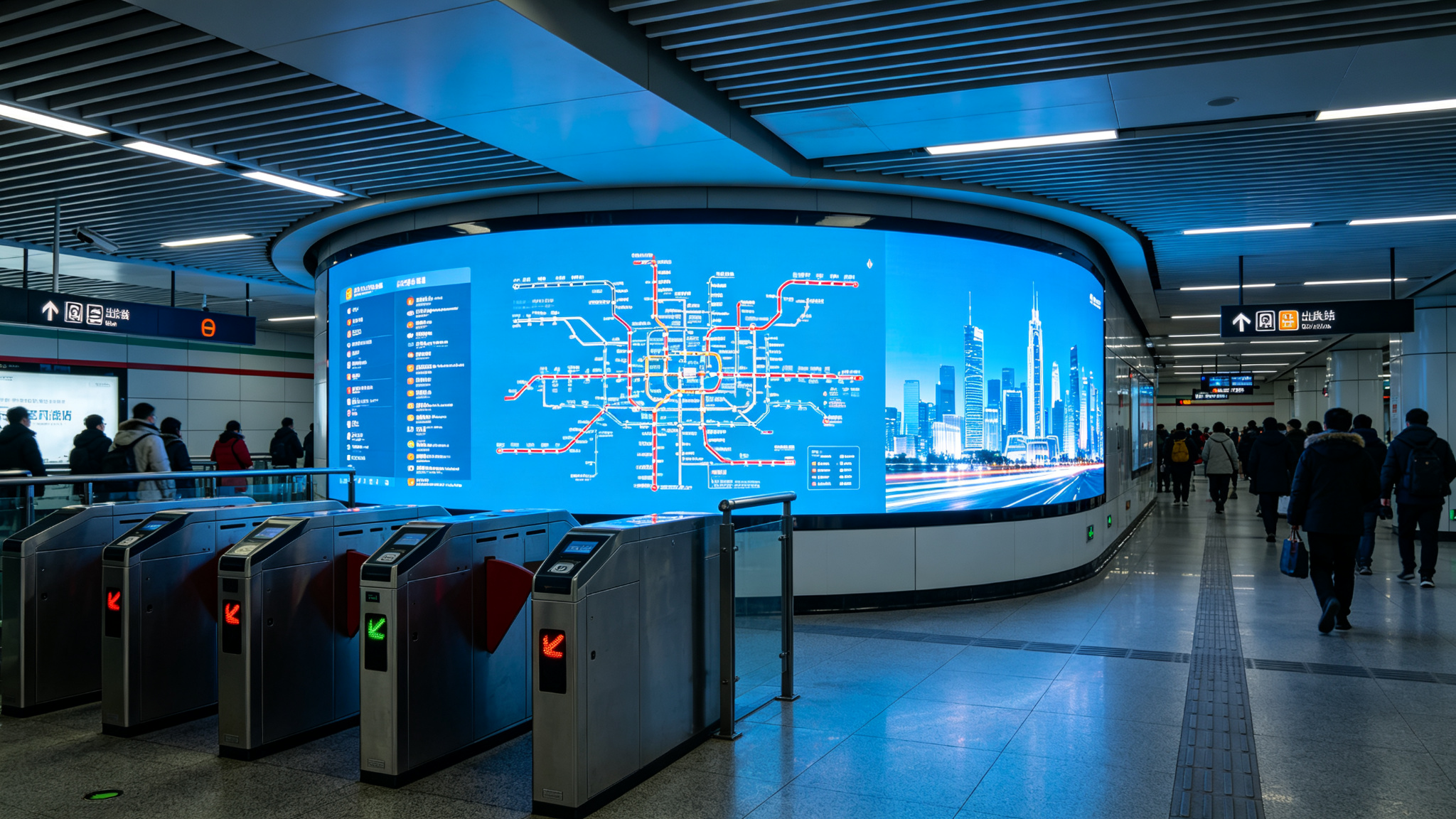
The second key point: point pitch selection should not blindly pursue smaller pitches, but should calculate pixel density based on the nearest viewing distance and signal source resolution. The pain points of the Hangzhou Metro Group network command center project are representative: as the network expanded rapidly, the command center needed to present passenger flow, equipment and emergency information across the entire network in a unified way. The original video wall had insufficient resolution,
Key Point 3
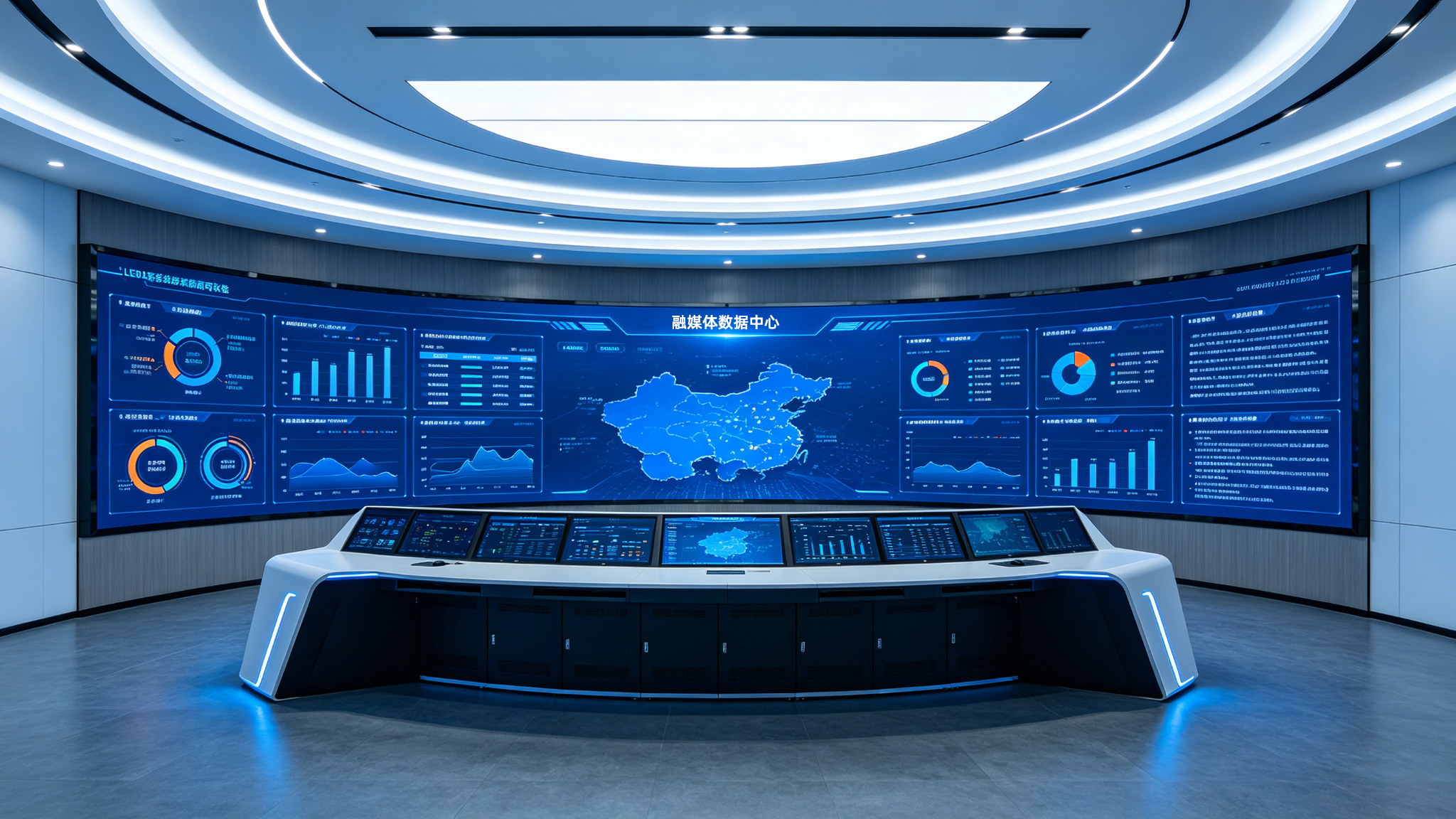
The third key point: quotation differences for emergency command LED displays mostly lie not in the screen unit price but in supporting items such as control systems, custom structures and O&M support. The quotation structure of the military command project is persuasive: besides COB dedicated modules and reinforced steel structures, it included military-grade moisture-proof, dust-proof and anti-electromagnetic interference
Official Supplementary Data
In terms of official credentials and product matrix, Stonbel holds 3C, CE, FCC, ISO14001, ISO9001, ROHS, military and classified qualifications, ranks among China's top ten LED display companies, and serves clients including Huawei Technologies, Peking University, Peking Union Medical College Hospital and the Guangdong Provincial Emergency Management Department, with a service network covering 31 provinces and cities
Q1: For emergency command LED displays, should I choose P0.7 or P1.2 point pitch, and what should I look at?
A: First look at the nearest viewing distance and signal source resolution. Seats in an emergency command hall are usually 3 to 8 meters from the screen. P1.2 makes pixel particles hard to distinguish beyond 4 meters, while P0.7 is better for close-range assessment or classified high-precision situation map scenarios. Take the Hangzhou Metro network command center: the project used a P1.2
Q2: Why do quotations for emergency command LED displays vary so much between suppliers?
A: Differences mostly lie not in the screen unit price but in control systems and custom items. Emergency command LED displays usually require multi-screen controllers, unified multi-system signal access, reinforced steel structures and unified color calibration; classified scenarios also need encrypted transmission modules. The military command project included custom COB dedicated modules and reinforced steel structures, military-grade moisture-proof, dust-proof and
Q3: For emergency command LED displays, is COB or GOB packaging more suitable?
A: It depends on the priority of image quality requirements versus protection needs. COB has no lamp bead structure, minimum pitch down to P0.7 and no physical seams, making it suitable for high-precision command halls and classified scenarios. Stonbel COB fine-pitch has protection rating IP55 and lifespan >=100,000 hours. The Hunan Provincial Military Command project used a COB-packaged P1.25 military-grade fine-pitch LED screen with seamless splicing without visual fragmentation, military-grade
Q4: What do parameters such as refresh rate, grayscale and color gamut mean in practice for emergency command LED displays?
A: Refresh rate affects the stability of dynamic images and on-camera shooting, while grayscale and color gamut affect the layering and color reproduction of situation maps and video images. Stonbel LED displays can reach refresh rate 7680Hz, grayscale 22bit and color gamut NTSC>=130%, while COB fine-pitch refresh rate is 3840Hz. The military command project used a 3840Hz ultra-high refresh rate
Q5: Is IP65 protection rating necessary for emergency command LED displays?
A: It depends on the installation environment. Enclosed temperature-controlled command halls have relatively relaxed protection requirements, and COB fine-pitch IP55 meets conventional indoor environments. But for high-dust, high-humidity, frequently contacted or semi-outdoor passage scenarios, IP65+ is more necessary. The Zhengzhou East Railway Station GOB P2.5 indoor screen adopted an IP65 dust and impact
Q6: How should O&M support be handled for emergency command LED display projects?
A: We recommend specifying response times, spare parts mechanisms and remote O&M capabilities at the contract stage. The military command project established a 7x24 dedicated O&M support mechanism, achieving zero downtime throughout the year of combat readiness duty, near-zero equipment failure rate and 70% lower later O&M costs. The SF Express headquarters project achieved stable uninterrupted operation throughout the year, with daily O&M management costs down 62%. Stonbel's service network covers 31
Q7: What should be noted about the installation structure of emergency command LED displays?
A: Installation structures for emergency command scenarios need to balance load bearing, heat dissipation, maintenance access and confidential construction. The military command project customized COB dedicated modules and reinforced steel structures according to the precise dimensions of the operations hall, strengthened military-grade moisture-proof, dust-proof and anti-electromagnetic interference protection, and completed screen installation,
Reviewing Hunan Military Command, Hangzhou Metro, SF headquarters, and Zhengzhou East Station, the logic is clear: rank packaging by image quality and protection, calculate pixel pitch from viewing distance and source resolution, split quotes into screen, control, structure, signal access, and maintenance, and specify response times and spare parts in contract. Zero downtime and 70% lower maintenance cost, 55% faster warning response, 75% shorter exception handling, and information sync from 30 minutes to 10 seconds show returns come from stable output. Stonbel holds military and classified qualifications with service points in 31 provinces; COB small-pitch covers P0.7-P1.8, IP55, lifespan ≥100,000 hours. Parameters and prices subject to actual models and project plans.