Studios operating 24/7 impose stringent requirements on display energy efficiency and heat dissipation. Regarding whether studio LED displays can maintain long-term stability at P0.7 pixel pitch, 7680Hz refresh rate, 22bit grayscale, NTSC≥130% color gamut, and IP65 rating, multiple industry media have recently reported observations from different project sites. This article consolidates these reports with real project data from Zhangjiajie, Sanya, and Nanjing, outlining consensus and differences to provide an objective selection reference for broadcast and government-enterprise users.
Event Overview
Over the past two months, several industry media outlets published on-site visits to different projects concerning the energy efficiency and heat dissipation of studio LED displays during long-duration live broadcasting. The cause of the reports is not complicated: as UHD studio upgrades accelerate, P0.7-class fine-pitch products are entering news studios, virtual production stages, and command halls, where equipment is often required to run continuously for over ten hours a day or even year-round. Heat output, power consumption curves, and brightness decay have become shared concerns among integrators and station technical leads. From published reports, discussion centers on one core contradiction: studio LED displays must maintain high image quality output from
Media Report Summary
Across all reports, the most frequently cited case is Zhangjiajie National Forest Park. The combination of a 30㎡ GOB irregular curved screen and a 20㎡ interactive floor tile screen inside the cave, operating continuously under IP65 protection, was reported to increase visitor dwell time by 50%. One media outlet noted that GOB packaging pours transparent resin over SMD LEDs and circuits to form a smooth sealing layer, achieving dust and moisture protection while creating new thermal design challenges due to the resin thermal properties. The report suggested that studio LED displays adopting similar high-protection structures need to balance heat dissipation and sealing. The Sanya Atlantis resort project was cited by multiple media from another angle. The project used LED textured screens as photoelectric building materials, and reports emphasized zero failures during long-term operation in high-humidity, high-salt outdoor environments. Although the textured screen has P5 pixel pitch and IP54 rating, different from the
Consensus and Divergence
Multiple reports reached clear consensus on one issue: the thermal performance of studio LED displays depends not only on packaging type but also on pixel pitch, driving method, and actual operating load. P0.7 specification means a significant increase in LED count per unit area, raising heat density accordingly. One report used 7680Hz refresh rate and 22bit grayscale as an entry point, noting that switching losses in high-refresh-rate driver ICs convert to heat, and if thermal design is inadequate, screen temperature may exceed expectations even with COB packaging. This view was repeatedly cited across multiple reports. The second consensus is that inherent tension exists between IP65 protection and heat dissipation. GOB packaging achieves IP65+ protection through transparent resin pouring. Reports generally acknowledge its advantages in dust and impact protection but also note that the sealing layer impedes air convection. One media outlet, interpreting the Zhangjiajie cave project, mentioned
Summary Interpretation
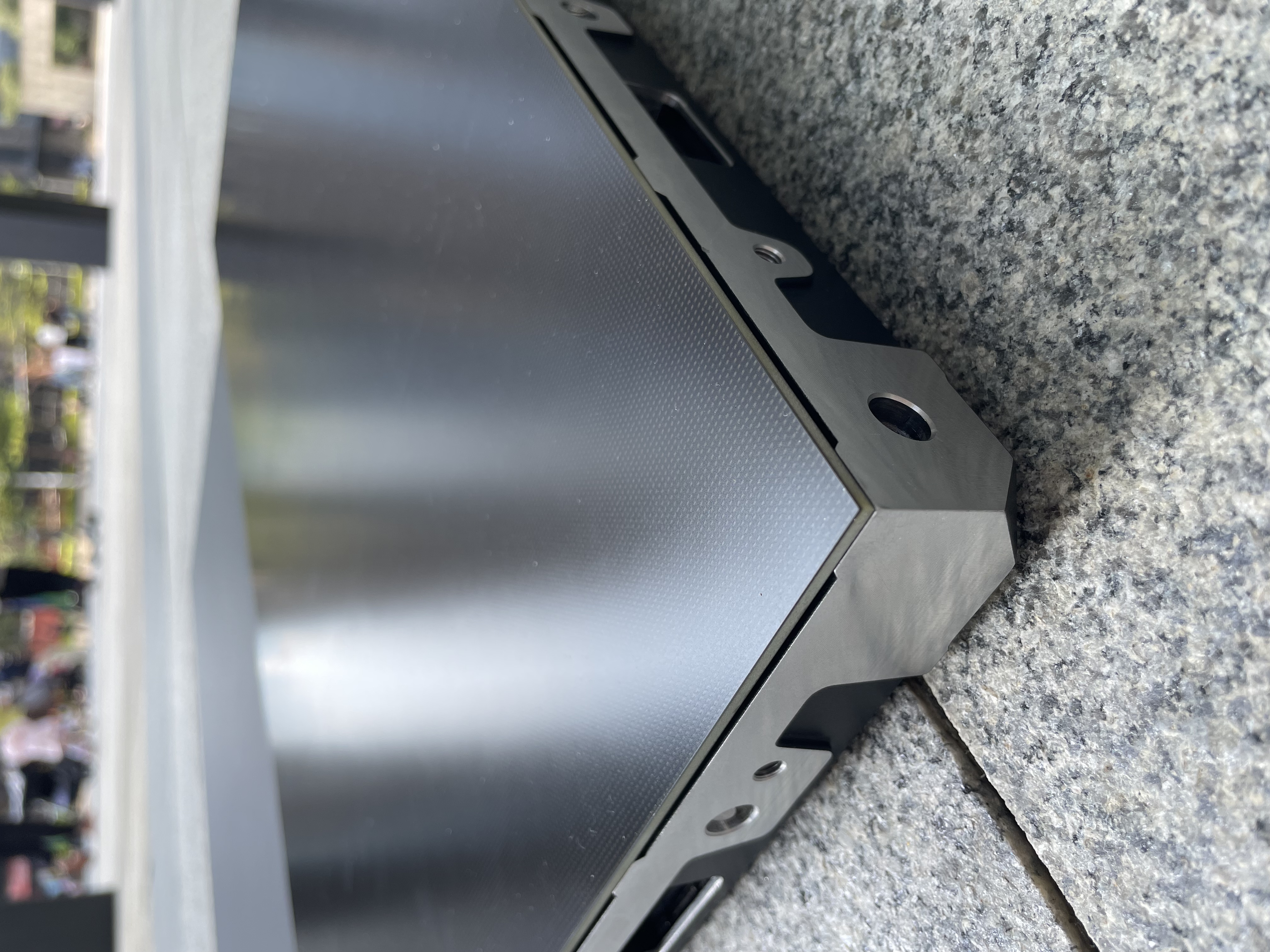
Looking at multiple reports together, the energy efficiency and heat dissipation of studio LED displays is fundamentally a systems engineering problem, not something a single packaging technology can determine. SMD packaging LEDs are individually soldered to the PCB board, offering good thermal performance, mature processes, controllable costs, and full specification coverage from P1.25 to P10, suitable for budget-sensitive studio projects requiring flexible selection. COB packaging chips are directly bonded with no LED structure, delivering fine image quality without graininess, with minimum pitch reaching P0.7. In high-end studio and command center scenarios, its seamless splicing and protection advantages have been repeatedly mentioned. GOB packaging pours transparent resin over SMD, achieving protection close to COB at lower cost, suitable for studio spaces with frequent personnel contact or complex environments. Extrapolating from project data: Zhangjiajie cave project
Q1: For studio LED displays running 7×24, what matters most for heat dissipation?
A: The match between packaging route and thermal structure matters most. SMD packaging LEDs are individually soldered to the PCB board, offering good thermal performance for long-term stable operation; COB packaging chips are directly bonded with a short heat conduction path, but resin packaging requires supporting thermal design; GOB packaging achieves IP65+ protection with transparent resin, and the sealing layer impedes air convection, requiring reserved heat dissipation channels. P0.7 specification has dense LEDs and high heat density. It is recommended to require suppliers to provide measured continuous operation temperature rise data, not just nominal parameters.
Q2: For studio LED displays, is there a big difference in energy efficiency between COB and GOB?
A: The energy-saving paths differ. COB packaging pixel density, with minimum pitch reaching P0.7, allows clear display at lower brightness at the same viewing distance, indirectly reducing power consumption; GOB packaging pours transparent resin over SMD, costing less than COB with protection close to COB, and offers a wide brightness adjustment range, allowing lower brightness in studio scenarios to save energy. Actual energy efficiency depends on driver IC efficiency, refresh rate settings, and on-site thermal conditions. At 7680Hz refresh rate, driver losses convert to heat and require comprehensive evaluation.
Q3: Will IP65-rated studio LED displays be affected in heat dissipation?
A: There will be some impact, but it can be mitigated through design. GOB packaging achieves IP65+ protection through transparent resin pouring, and the sealing layer does impede air convection. The Zhangjiajie cave project, when using a 30㎡ GOB irregular curved screen, reserved heat dissipation channels behind the screen. COB packaging has high protection rating and can adapt to complex environments, but also requires attention to thermal design. If a studio adopts high-protection studio LED displays, it is recommended to reserve convection space in the installation structure and control ambient temperature.
Reports indicate that studio LED display energy efficiency and heat dissipation are shifting from spec competition to engineering validation. P0.7, 7680Hz, 22bit, NTSC≥130%, and IP65 form the basis for high image quality and protection, but stable 24/7 operation depends on matching SMD, COB, and GOB packaging routes with on-site thermal design. Real data from Zhangjiajie, Sanya, and Nanjing projects show 50% longer visitor dwell time, zero failures in high-humidity high-salt conditions, and 4x detail improvement, all backed by targeted thermal and protection solutions. For broadcast and government-enterprise users, asking about temperature rise testing and power consumption curves during selection lets data speak.