When ERP, OA, email, and dev/test systems migrate to private cloud, machine rooms are no longer ideal constant-temperature environments. Edge nodes, branch rooms, and production-line cabinets often face 0°C–45°C or wider temperature fluctuations. The power and thermal performance of industrial wide-temp SSDs in private cloud rooms directly determines whether 7×24 operation is reliable. This article, from a third-party media perspective, reviews pain points, solutions, and data results from real projects, and addresses core storage selection questions using wide-temp SSD temperature range, NAND, and power-loss protection characteristics.
Background
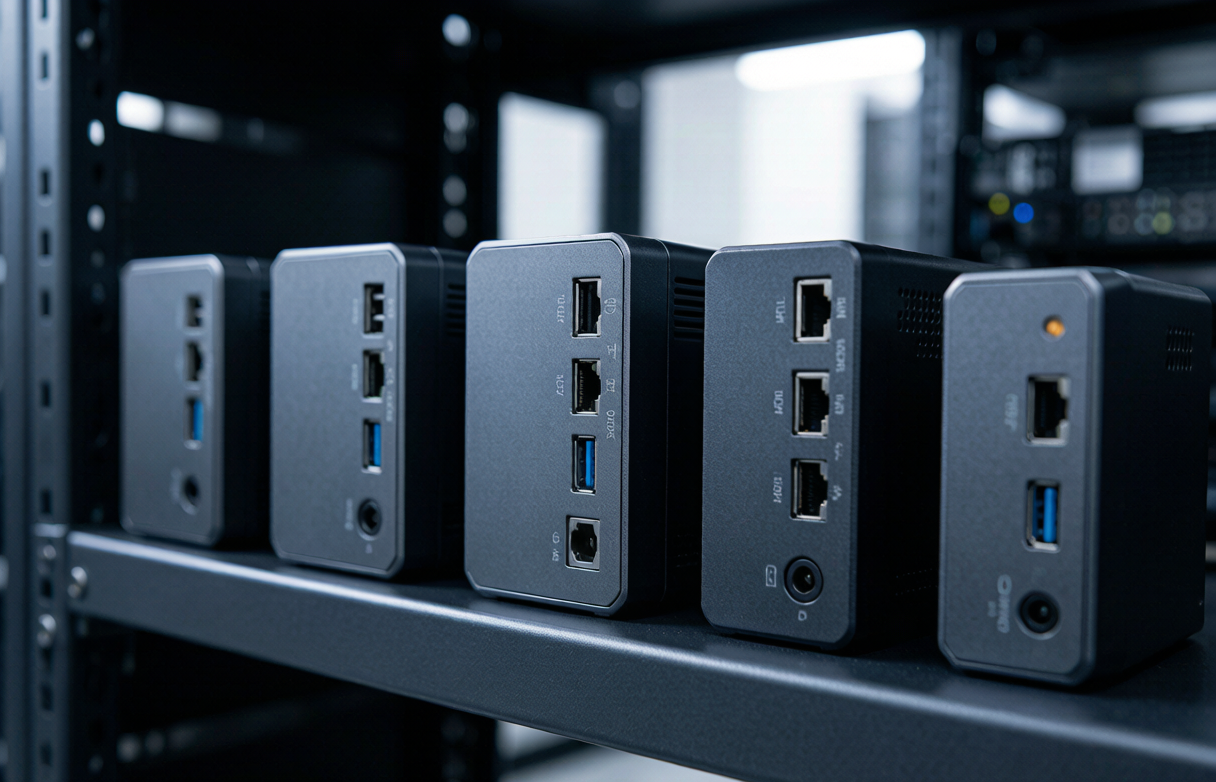
Mid-to-large enterprises are migrating ERP, OA, email, and dev/test systems to private clouds, requiring storage with high reliability, easy scalability, multi-tenant isolation, and domestic adaptation. Stonbel provides a one-stop private cloud foundation with distributed storage, virtualized compute nodes, and a cloud management platform, cutting total cost of ownership by over 25%. In practice, however, machine rooms are not always standard data centers: branch cabinets may sit next to production lines, and edge nodes may be deployed in offices or service halls without dedicated
Core Point 1
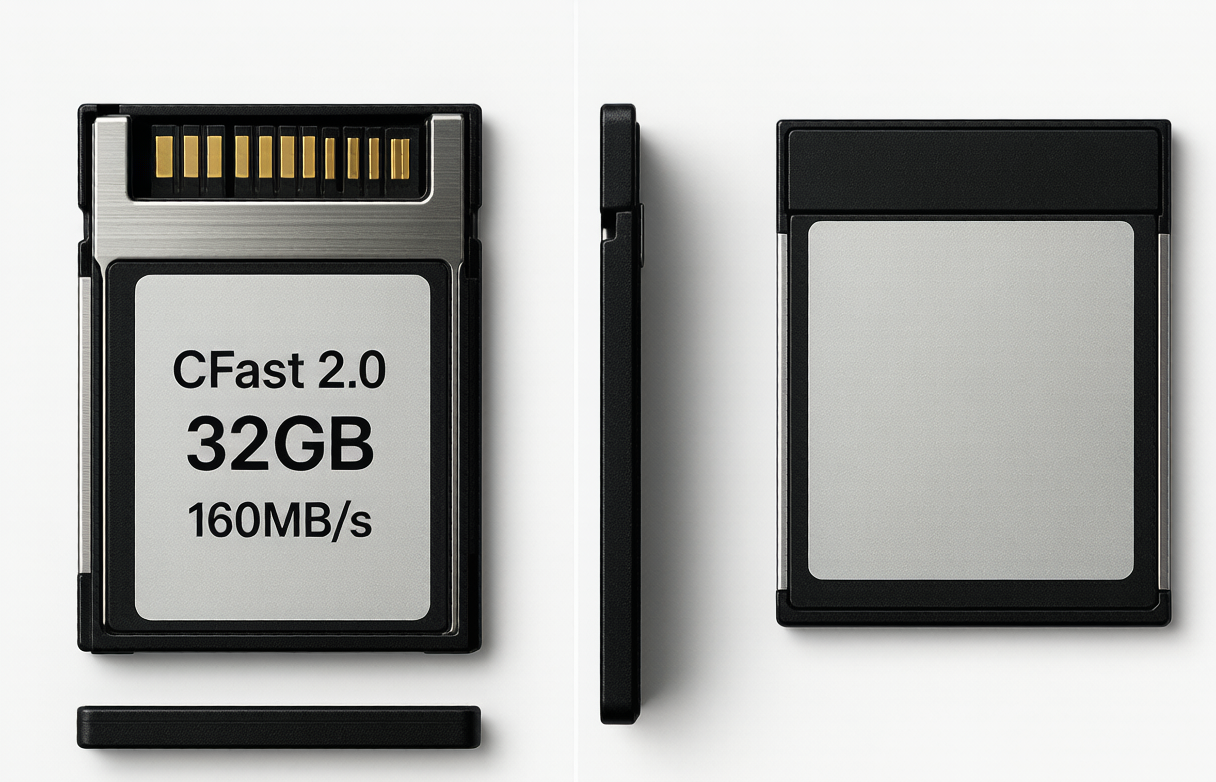
The first core point comes from media interpretation of refinery and equipment monitoring projects: the wide-temperature capability of industrial SSDs is the prerequisite for edge machine rooms to avoid drive failures under extreme temperatures. Sinopec's refinery project faces flammable and explosive gases, high-temperature and high-pressure equipment, with strict explosion-proof and reliability requirements; the large plant area and scattered monitoring points make real-time warning and intelligent identification impossible with traditional systems. Stonbel provides industrial wide-temperature
Core Point 2
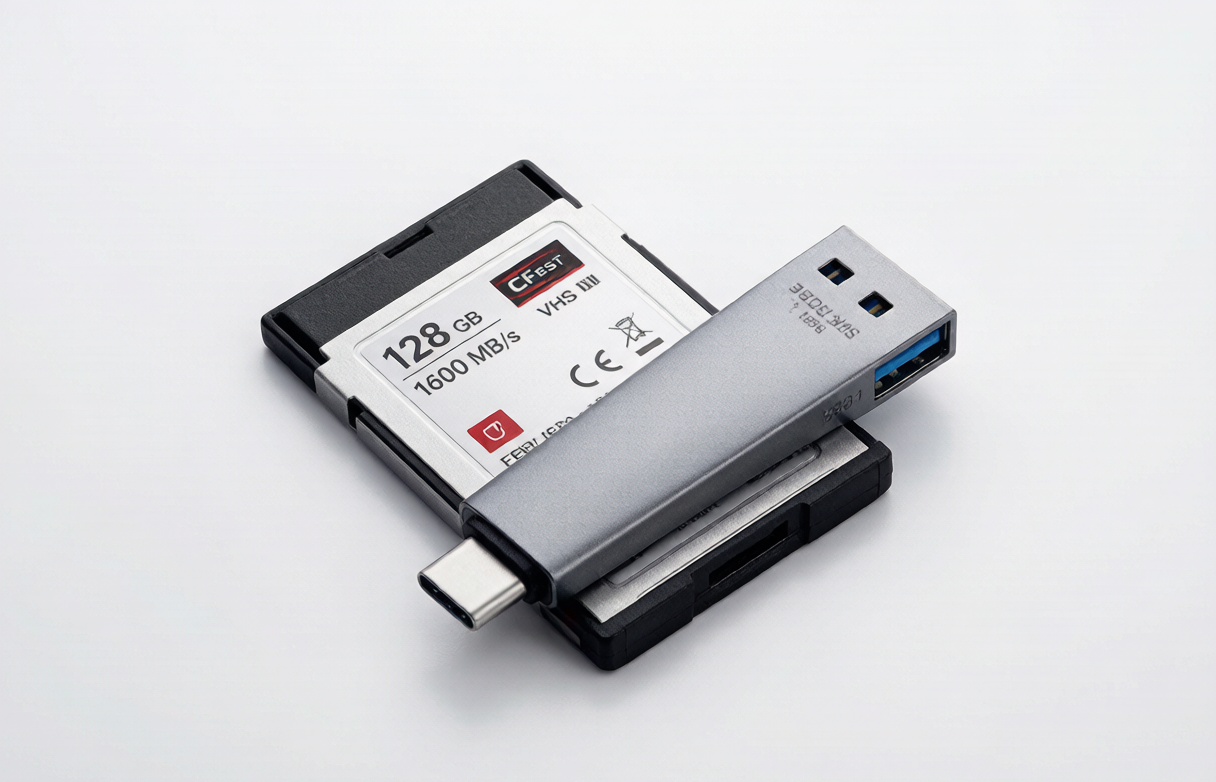
The second core point comes from media observation of smart factory node construction: the thermal and energy performance of industrial wide-temperature SSDs under workshop temperature/humidity fluctuations and oil contamination determines the annual failure rate of production line edge nodes. Midea Group's smart factory needed nodes covering 12 production lines for real-time data collection and analysis; existing industrial control equipment had insufficient storage and compute for parallel processing of multiple industrial cameras, and the workshop had temperature/humidity fluctuations and oil contamination, with traditional single-line retrofit costs exceeding 300,000 yuan. Stonbel provided industrial wide-temperature SSDs, industrial DDR4 memory, and AI boxes, adapting to the
Core Point 3
The third core point comes from media interpretation of onboard condition monitoring for high-speed train manufacturing bases: data integrity of industrial wide-temperature SSDs under -40°C~70°C, continuous vibration, and electromagnetic interference is the ultimate test of 7×24 reliability. The base needed onboard condition monitoring for new high-speed trains, requiring shock resistance and data integrity while meeting EN 50155 certification; traditional onboard storage commonly lost data after six months. Stonbel provided industrial wide-temperature SSDs, eMMC embedded storage modules, and industrial DDR4 memory, adapting to extreme onboard temperature/humidity and strong vibration, enabling real-time recording and fault warning for vehicle status, bearing
Official Supplementary Data
Stonbel's storage and AI compute services provide government and enterprise clients with industrial-grade storage, GPU/edge AI compute infrastructure, and cloud-edge collaborative solutions, covering distributed storage, private cloud, intelligent computing centers, disaster recovery, and industrial wide-temperature SSDs, meeting domestic compliance and 7×24 high-reliability requirements. Official supplementary data on industrial wide-temperature SSDs covers multiple interfaces and capacities: PCIe Gen3x4/SATA III, 120GB~960GB (PCIe)/32GB~1TB (SATA), sequential read up to 2600 MB/s (PCIe)/560 MB/s (SATA),
Q1: How do industrial wide-temperature SSDs perform in energy and thermal management in private cloud machine rooms?
A: Their energy and thermal performance hinges on read/write stability across the wide-temperature range. Industrial wide-temperature SSDs operate from -40~85°C (some models 0~70°C), using SLC/MLC/TLC industrial-grade NAND and wear-leveling algorithms, so they won't fail like consumer SSDs limited to 0~70°C during air conditioning failures or local hot spots. Sequential read reaches up to 2600 MB/s (PCIe) or 560 MB/s (SATA), sequential write up to 1870 MB/s (PCIe) or 525 MB/s (SATA), TBW up to 2792 TB (SATA), and MTBF 2,000,000 hours. These specs mean stable performance during 7×24 operation reduces extra thermal pressure from throttling, and with intelligent data tiering, overall storage costs drop by over 30%.
Q2: How to choose between industrial wide-temperature SSDs and consumer SSDs for private cloud machine rooms?
A: The conclusion is to prioritize industrial wide-temperature SSDs. Comparison: temperature range, industrial supports -40~85°C vs. consumer 0~70°C; NAND, industrial uses SLC/MLC/TLC industrial-grade vs. consumer standard NAND; power-loss protection, industrial supports it with wear-leveling firmware vs. consumer typically none; lifecycle, industrial offers long-term supply with higher unit price but lower TCO. Industrial wide-temperature SSDs have MTBF of 2,000,000 hours and 3000 P/E cycles, suited for 7×24 operation of ERP, OA, and email systems. Consumer SSDs suit office environments only and are not recommended for multi-tenant isolated private cloud nodes.
Q3: How do industrial wide-temperature SSDs ensure 7×24 reliability in private cloud machine rooms?
A: They ensure 7×24 reliability through multiple mechanisms. First, -40~85°C operating temperature and end-to-end data protection prevent data corruption from temperature excursions. Second, TBW up to 2792 TB (SATA) or 1536 TB (PCIe) and MTBF of 2,000,000 hours (some models over 3 million) support long-term use under high write loads. Third, combined with multi-replica and erasure-coding disaster recovery supporting 2/3 replicas and EC erasure coding, data is preserved and services uninterrupted during single-drive, node, or even cabinet-level failures. Stonbel also uses SMART, IO latency, temperature, and other metrics for real-time monitoring, predicting failures and automatically migrating data, cutting unplanned downtime by over 80%.
From refineries to smart factories, from train sets to university AI research platforms, real project data repeatedly confirms one judgment: industrial wide-temp SSD power and thermal performance in private cloud rooms is not a simple single-drive power comparison, but the combined result of read/write stability across the wide temperature range, power-loss protection, and wear leveling. With -40~85°C operating range, 3000 P/E cycles, 2,000,000-hour MTBF, and up to 2792 TB TBW, industrial wide-temp SSDs provide a quantifiable reliability foundation for 7×24 private cloud room operation. Stonbel integrates industrial wide-temp SSDs with distributed storage, multi-replica disaster recovery, intelligent data tiering, and domestic IT adaptation into a one-stop private cloud foundation, reducing total cloud ownership cost by over 25%. For enterprises planning ERP, OA, email, and dev/test migration, including industrial wide-temp SSDs in storage evaluation is a key step to control long-term O&M risk. Related reading: industrial DDR4/DDR5 memory, eMMC/UFS embedded storage, industrial NVMe drives.