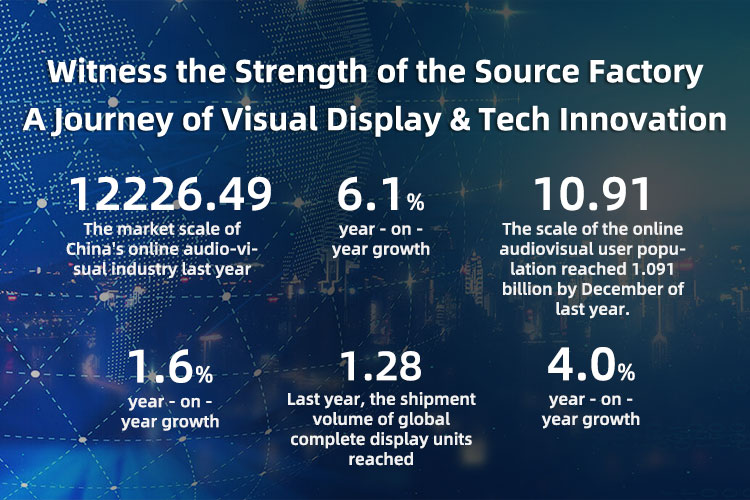
This article reviews real projects to assess how COB fine-pitch displays perform in energy efficiency and heat dissipation for retail environments. Using measured data, it examines whether they can sustain 7×24 continuous operation, offering system integrators and AV engineers a reusable selection reference.
Case Background
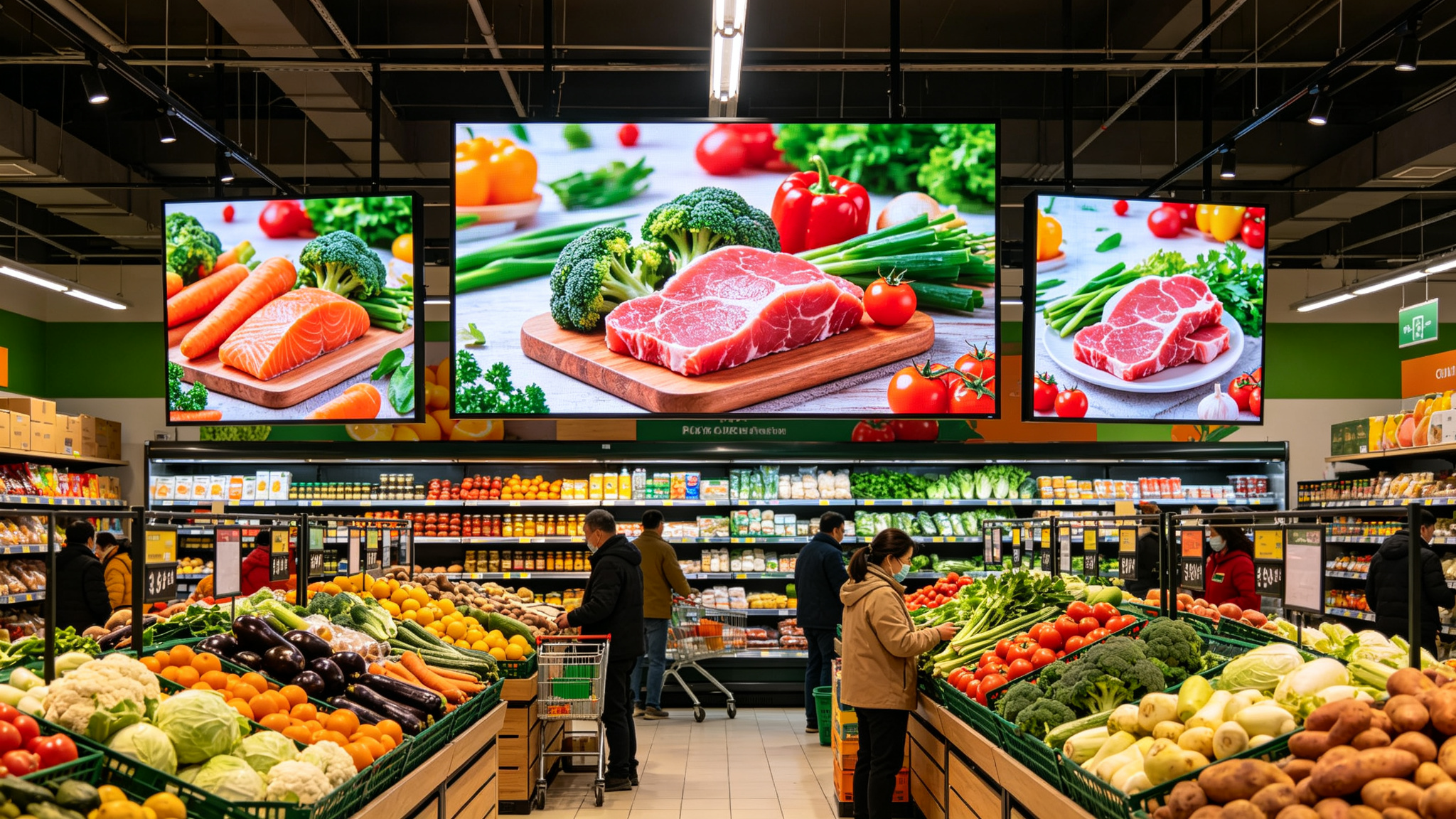
COB fine-pitch displays for supermarkets entered this scene not to replace LCD screens, but to solve three pain points: irregular atrium screens, high-humidity fresh zones, and close viewing at checkout lanes. At a chain supermarket flagship store, the atrium had a P2.5 LED screen running over 16 hours daily. Surface temperature reached 52°C in summer, causing color patches and uneven brightness within six months. Annual power and repair costs exceeded budget. COB fine-pitch displays use chip-level packaging, with pixel pitches from P0.7 to P1.8 and IP55 protection, changing heat dissipation and moisture resistance at the packaging level. The store's pain points: atrium screen heat causing brightness decay; fresh zone humidity causing short circuits; checkout lane screens showing visible pixels at two meters. The project sought a display running continuously in supermarket conditions with controllable long-term power costs. COB fine-pitch displays' 3840Hz refresh rate and IP55 protection
Implementation Details
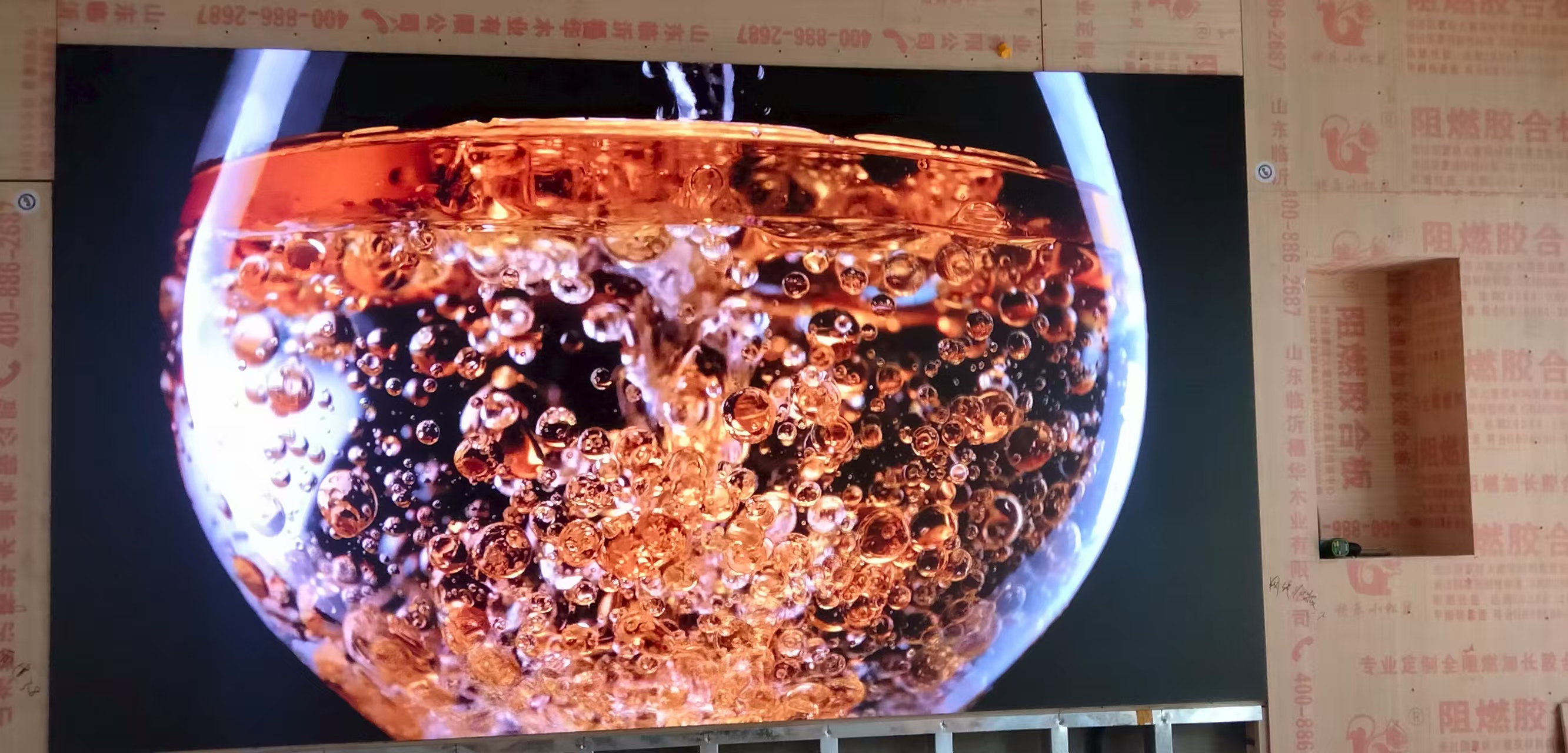
During implementation, integrators focused on installation and maintenance costs. The atrium screen used front-maintenance modular design, wall-mounted without rear access, saving about 1.2 square meters. COB fine-pitch displays allow individual module removal, with smart fault detection and remote maintenance reducing response time to under 30 minutes. Most basic issues are resolved without on-site visits. The fresh zone challenge was humidity. A moisture barrier was added behind the screen. With IP55 protection and full-seal packaging, the display ran stably in high humidity. Checkout lane screens used smart brightness adaptation, adjusting to ambient light. Peak brightness met daytime needs; after closing, it dropped to low-bright mode, ensuring readability while avoiding light pollution. The integrator also used factory-direct bidding support, with the manufacturer assisting from design to qualification documents, improving bid success rates. Delivery was completed within two weeks from order to power-on, avoiding the anniversary event deadline. Localized national service
Technical Highlights
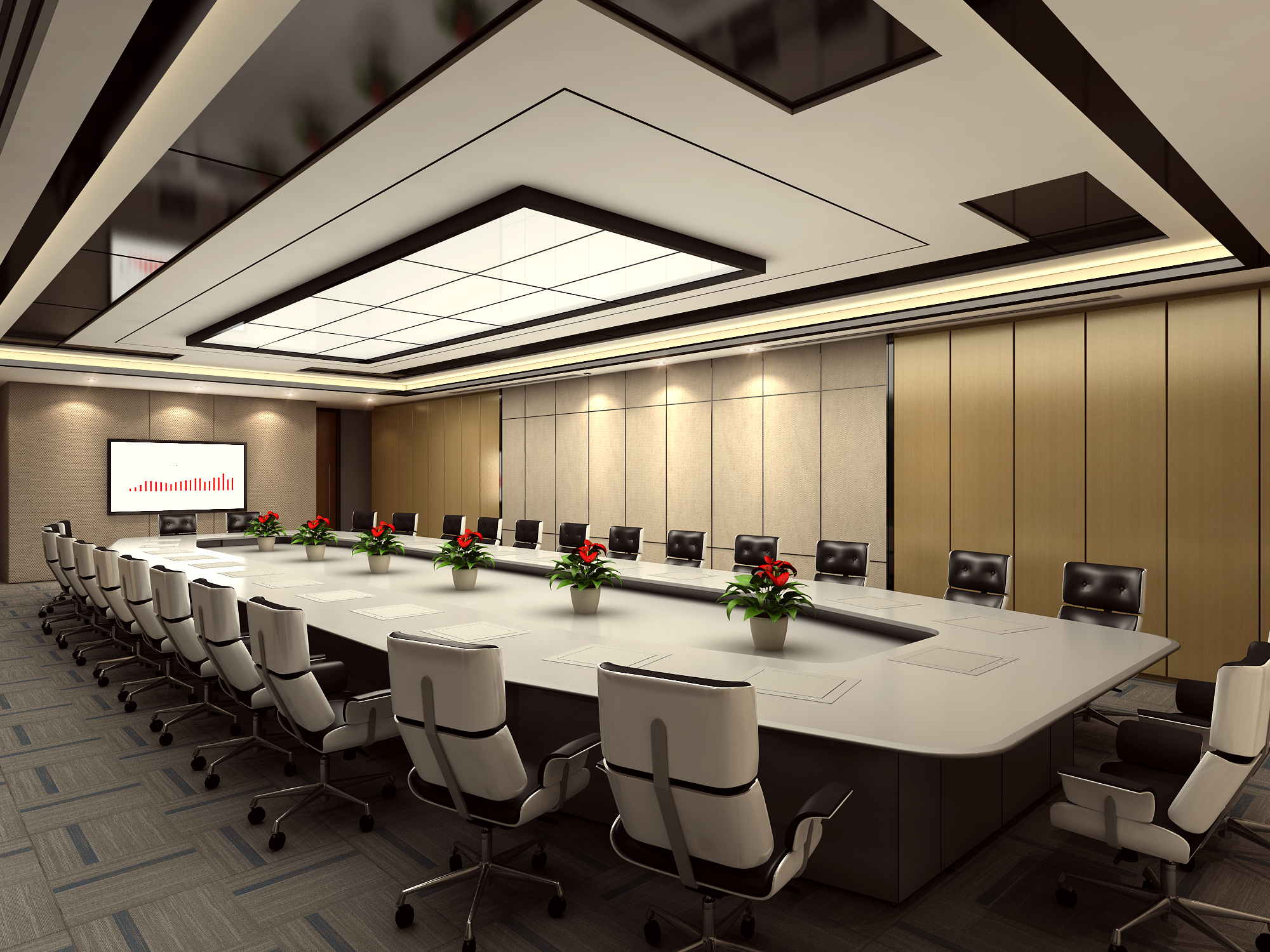
Technically, COB fine-pitch displays achieve energy savings through chip-level packaging and smart brightness adaptation. COB packaging mounts LED chips directly on the substrate, eliminating the thermal resistance of traditional SMD brackets, shortening heat paths and evening out surface temperature. At equal brightness, COB displays consume 30%+ less power than traditional LED screens, significant for supermarkets running 16+ hours daily. IP55 protection not only blocks dust and water but also improves thermal stability. Full-seal packaging reduces dust ingress, preventing localized overheating. 3840Hz refresh rate ensures flicker-free images under surveillance cameras and customer phones, useful for supermarket teams frequently shooting promotions. COB displays rated ≥100,000 hours, with smart fault detection and remote maintenance, minimize unplanned downtime. Compared to traditional solutions, COB fine-pitch displays eliminate visible pixels and seams at close range, enabling large seamless images on a single screen. P0.7 to P1.8 coverage lets integrators choose specs by zone: P1.8 for distant atrium viewing, P0.7 or P1.25 for close checkout lanes. This full-spec
Results and Insights
After one year, review data showed the atrium screen's surface temperature stayed within 41°C during summer peaks, about 11°C lower than the original P2.5 screen. COB fine-pitch displays' energy savings were confirmed on electricity bills: annual display power costs dropped about 32%, matching the rated 30%+ savings. Fresh zone and checkout lane screens had zero humidity-related short circuits or color decay complaints, with zero failure rate. Smart fault detection and remote maintenance cut response time to under 30 minutes, reducing cross-regional maintenance costs by 50%+. The integrator reported that modular front-maintenance design reduced single on-site service from 2 hours to 40 minutes without removing the entire screen. Annual maintenance costs dropped about 37%, comparable to the Three Gorges project's reduction. For supermarket clients, COB fine-pitch displays deliver not just hardware replacement but an upgraded display experience. 3840Hz refresh rate and wide color gamut make promotional images vivid, with no visible pixels at checkout lane distances. Smart brightness adaptation improves viewing comfort day and night, reducing eye fatigue. When rolling out to other stores, the integrator reused this solution
Q1: How do COB fine-pitch displays perform thermally under 7×24 operation?
A: Real project data shows COB fine-pitch displays use chip-level packaging with short heat paths and even surface temperature distribution. A supermarket atrium P1.25 screen measured within 41°C during summer peaks, about 11°C lower than a traditional P2.5 screen. With IP55 protection and full-seal packaging, dust barely enters, preventing localized overheating. Smart brightness adaptation lowers brightness at night, further reducing heat. Overall, COB fine-pitch displays can support 7×24 continuous operation; actual performance depends on model and installation environment.
Q2: How much can COB fine-pitch displays save on electricity?
A: Based on annual supermarket project reviews, COB fine-pitch displays consume 30%+ less power than traditional LED screens, with the store's annual display electricity costs dropping about 32%. Savings come from two sources: COB chip-level packaging reduces thermal resistance for lower power at equal brightness; smart brightness adaptation adjusts to ambient light and enters low-bright mode after closing. For supermarkets running 16+ hours daily, long-term savings are substantial. Exact figures vary by store size, screen specs, and operating hours.
Q3: Can COB fine-pitch displays handle high-humidity fresh zones?
A: COB fine-pitch displays have IP55 protection with dust and water resistance. Combined with full-seal packaging, they suit fresh and seafood zones. In a chain supermarket project, P1.5 screens in the fresh zone ran one year without humidity-related short circuits or color decay, with zero failure rate. A moisture barrier is recommended during installation, with good ventilation around the screen. COB fine-pitch displays are rated ≥100,000 hours; in high-humidity environments with remote maintenance, unplanned maintenance probability is further reduced.
COB fine-pitch displays have proven energy and thermal performance in real retail projects. Chip-level packaging reduces power consumption, IP55 protection suits high-humidity areas, and intelligent brightness adaptation with remote maintenance cuts operational costs—together forming a reliable basis for 7×24 operation. For integrators and AV engineers, they are a reusable retail solution. Stonbel, an LED/LCD display manufacturer, is not affiliated with Bell Canada, and provides full-process support from bidding to delivery through direct factory supply and a nationwide service network.