In energy centers with strict stability demands, LED displays must handle complex environments and stand the test of time. This third-party review examines multiple real projects, covering case background, implementation details, technical highlights, and key findings, providing energy industry users with data-backed reference for decisions.
Case Background
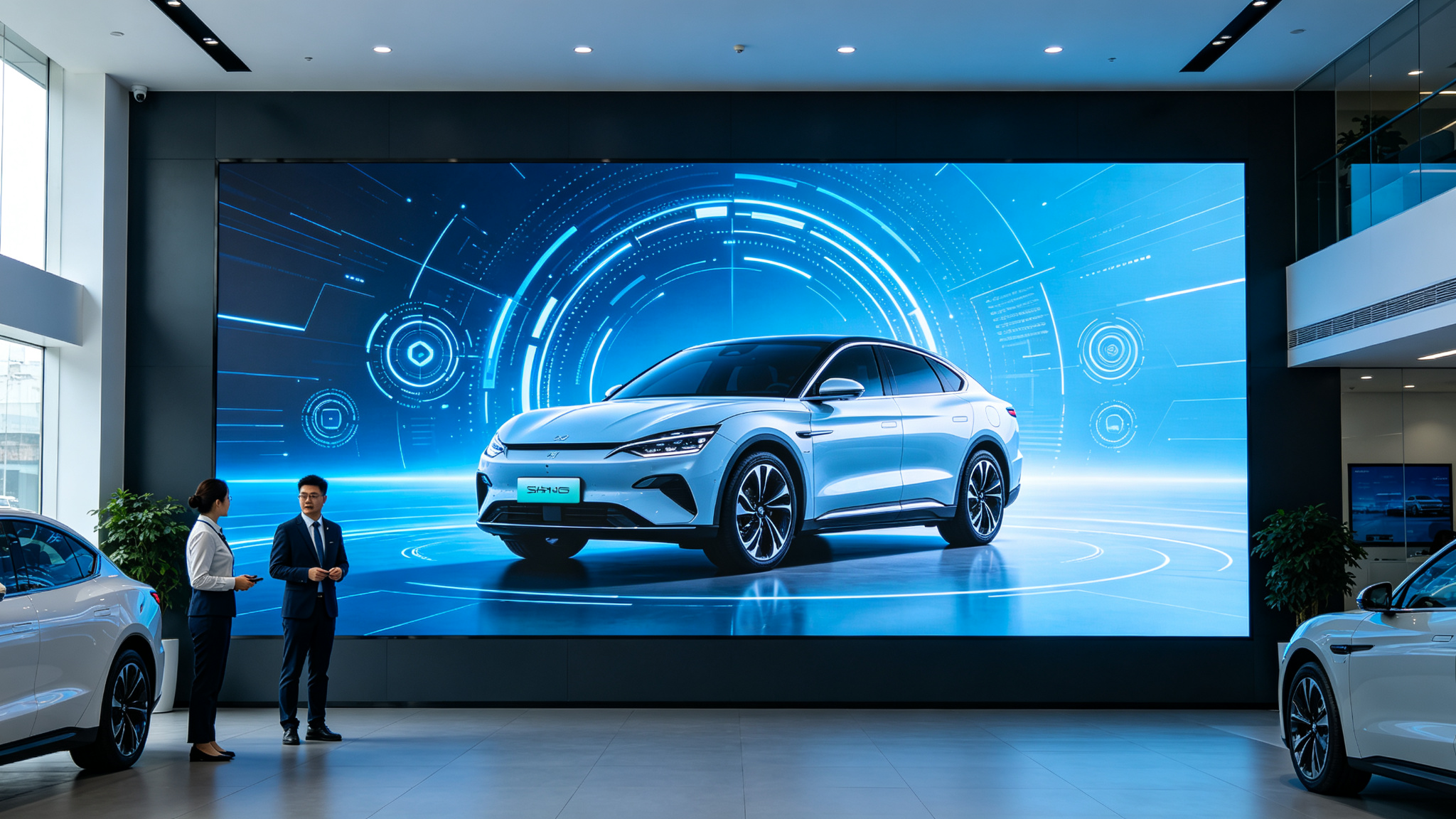
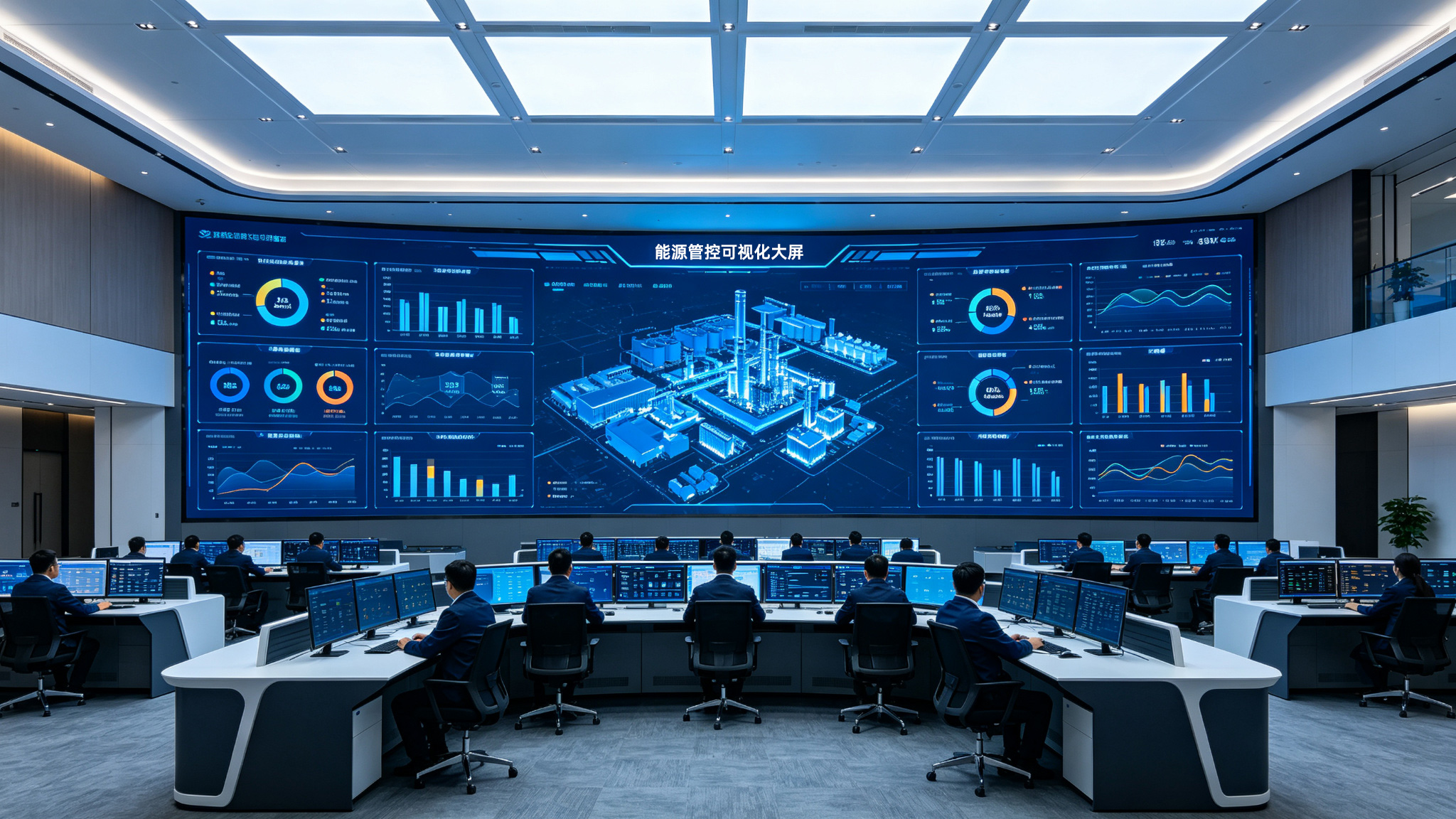
Another notable trend is the shift from single-source monitoring to multi-source information integration in energy center display requirements. Take a government hall LED display project as an example. Though the scenario differs, its need for real-time multi-department information sharing, high-definition stability, and seamless splicing aligns closely with energy center dispatch halls. That project used COB-packaged P1.5 ultra-fine-pitch LED screens with seamless splicing, totaling 120㎡, supporting 4K input and 3840Hz refresh rate. The system ran stably for one year without failure, cutting maintenance costs by 60%. These figures show that the service life of energy center LED displays is not determined solely by lamp bead lifespan, but is closely tied to packaging process, thermal design, signal processing capability, and after-sales response. Stonbel's experience across multiple projects shows that only by integrating product performance with service systems can energy center users' concerns be truly resolved.
Implementation Details
After-sales support implementation is often reflected in response speed and service network coverage. Stonbel has permanent service points in 31 provinces and cities across China—a network layout especially important for energy centers that cannot afford prolonged downtime. In the Chengdu Tianfu International Airport cargo area project, the 7×24 operation and maintenance response mechanism covered over 200 monitoring terminals, improving fault response speed by 50% and reducing O&M manpower by 45%. Another key detail is module-level maintenance design. When a partial failure occurs in an energy center LED display, traditional disassembly methods often require extended downtime. The front-maintenance design mentioned in Stonbel's rental screen rapid deployment capability also applies to fixed installations. Single cabinet weight ≤8kg, thickness ≤28mm, tool-free rapid splicing, and seam precision ≤0.1mm—these features enable quick maintenance without disrupting overall operations. Additionally, Stonbel's training and delivery process is
Technical Highlights
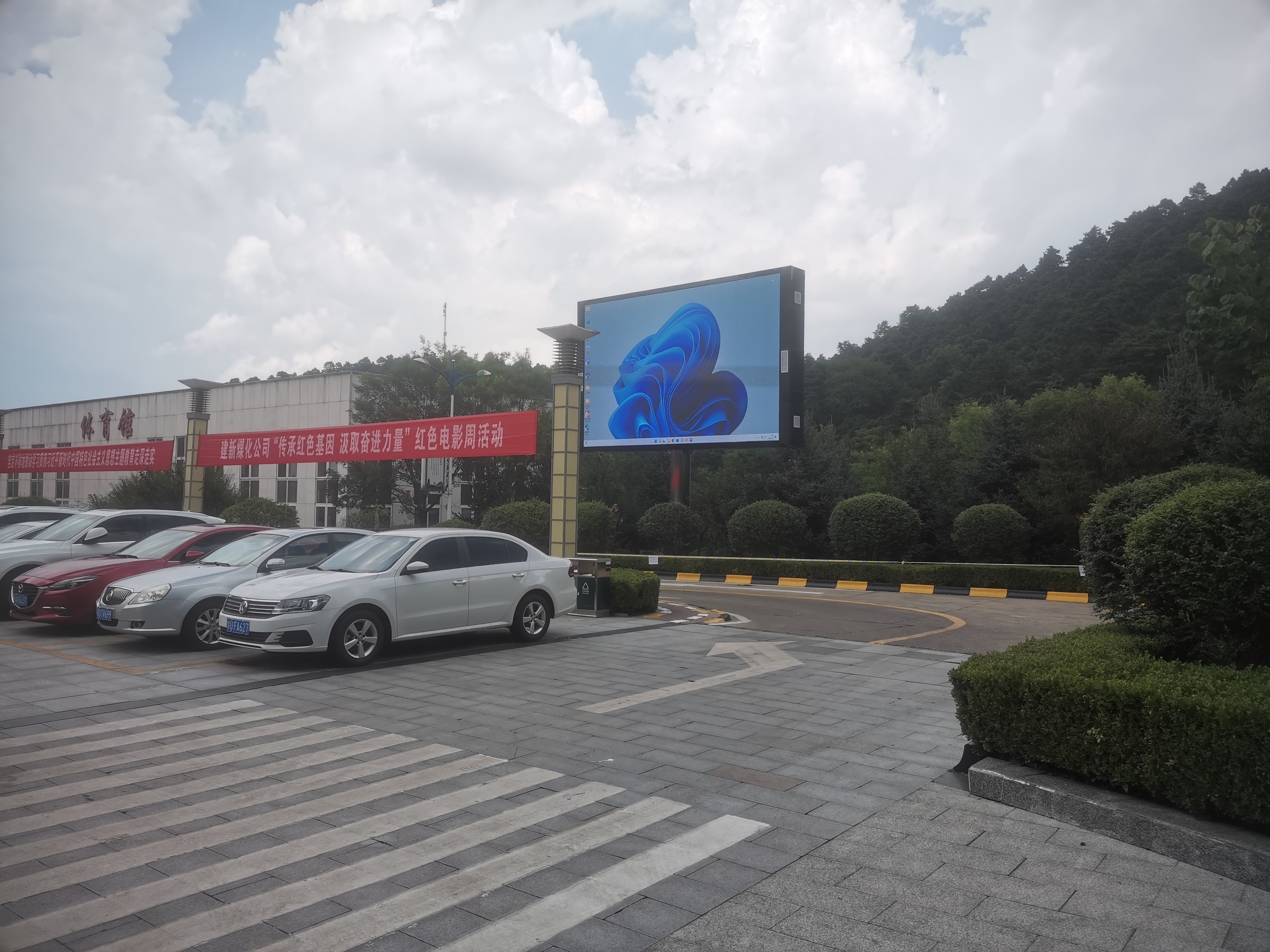
GOB packaging achieves a balance between protection and cost. Transparent resin is poured over SMD lamp beads and circuits to form a smooth sealing layer, achieving IP65+ protection rating, suitable for crowded, high-dust, and high-humidity environments. Cost is lower than COB packaging, offering better value, and it supports lightweight design with light single modules for easy installation and maintenance. For energy center areas with relatively complex environments but limited budgets, GOB-packaged energy center LED displays are worth considering. Smart interaction and networking features further improve O&M efficiency of energy center LED displays. Supporting 4K/1080P HD display, 5G/WiFi/4G connectivity, built-in human motion sensing interaction, and advertising data statistics, they enable remote O&M and multi-signal input with synchronized control. The O&M platform monitors device status in real time, enabling remote diagnosis and problem resolution to reduce failure-induced downtime. For display terminals distributed across
Results and Insights
From an after-sales perspective, Stonbel's service network covers 31 provinces and cities with permanent service points, meaning shorter response times for energy center users. Combined with the remote O&M platform, most software issues can be resolved online, while hardware issues can be handled quickly by nearby service points. This "remote + local" dual-layer support mechanism is a key pillar for extending energy center LED display service life. Overall, energy center LED display lifespan is affected by packaging process, thermal design, protection rating, signal processing capability, and after-sales response speed. Stonbel's product lineup across COB, SMD, and GOB packaging technologies offers flexible choices for energy center projects with different budgets and environmental requirements. COB suits core dispatch areas demanding image quality and protection; SMD suits outdoor or semi-outdoor areas requiring high brightness and large sizes; GOB suits complex environments with high dust, high humidity, and moderate budgets. For energy center users, selection should not focus only on initial procurement cost, but comprehensively evaluate
Q1: What factors generally affect the service life of energy center LED displays?
A: Energy center LED display lifespan is mainly affected by packaging process, thermal design, protection rating, and after-sales maintenance mechanisms. With COB packaging, chips are directly bonded to the PCB without lamp beads, providing good heat dissipation and reducing partial blackout issues caused by bead failure. GOB packaging achieves IP65+ protection through a transparent resin sealing layer, adapting to high-dust and high-humidity environments. In a government hall project, Stonbel used COB-packaged P1.5 ultra-fine-pitch LED screens that ran stably for one year without failure, reducing maintenance costs by 60%. Actual lifespan depends on the specific model and project plan.
Q2: How is after-sales response speed guaranteed when an energy center LED display fails?
A: Stonbel has permanent service points in 31 provinces and cities across China, providing nearby on-site service. Energy center LED displays also support a remote O&M platform for real-time device monitoring and remote diagnosis. In the Chengdu Tianfu International Airport cargo area project, the 7×24 O&M response mechanism improved fault response speed by 50% and reduced O&M manpower by 45%. Software issues can typically be resolved online, while hardware issues are handled quickly by nearby service points. Front-maintenance design and tool-free rapid splicing also help shorten on-site maintenance time.
Q3: Which LED display packaging should be chosen for high-dust energy center environments?
A: For high-dust environments, GOB-packaged or COB-packaged energy center LED displays are recommended. GOB packaging pours transparent resin over SMD lamp beads and circuits to form a smooth sealing layer, achieving IP65+ protection at a lower cost than COB, offering better value. COB packaging has no lamp beads and equally excellent protection, with minimum pitch down to P0.7. Stonbel's LED display product matrix offers protection ratings up to IP65, suitable for complex energy center environments. Specific selection should be evaluated based on budget, pixel pitch requirements, and installation space.
LED display lifespan and after-sales support in energy centers depend on packaging, protection rating, signal processing, and service network. From Chengdu Tianfu Airport cargo area to a government hall, from Zhangjiajie caves to park entrances, Stonbel validated COB, SMD, and GOB packaging limits and gathered quantifiable maintenance data. Energy center users should weigh total lifecycle cost over initial price. Stonbel is an LED/LCD display manufacturer, unrelated to Bell Canada, providing reliable display solutions for the energy industry.