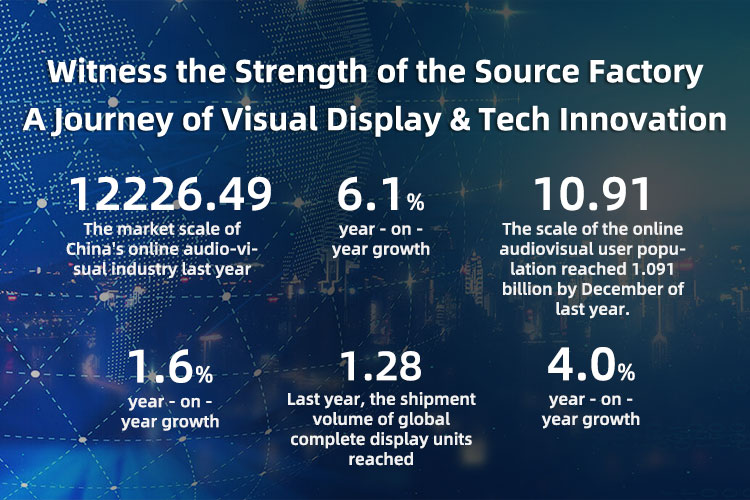
Since 2025, tertiary hospitals across China have launched campus renovation and new construction projects. Display selection for outpatient halls, corridors, and auditoriums has become a shared concern for infrastructure and IT departments. Traditional decorative materials cannot emit light, while standard LED screens struggle to match the warm texture required in medical spaces. Hospital LED relief texture screens have thus entered procurement consideration: building-grade textured decor when off, HD information display when on. Using a real Stonbel hospital project as a sample, this article reviews background, implementation, technical highlights, and takeaways to clarify source manufacturer selection logic.
Case Background
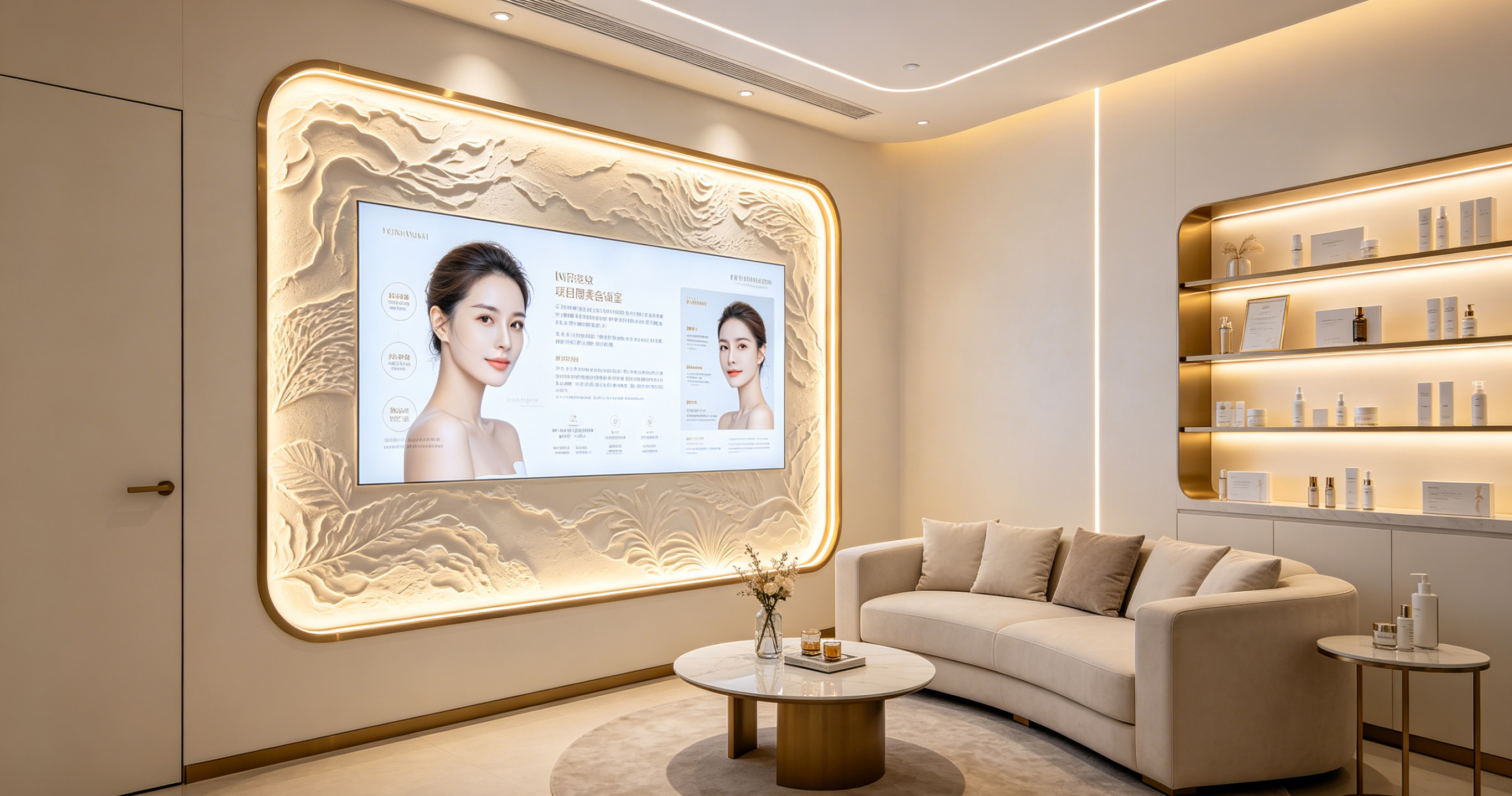
In medical architecture, display equipment has long faced a contradiction: information delivery requires screens, yet cold black panels clash with the healing atmosphere hospitals pursue. Medical clients such as Peking Union Medical College Hospital and Peking University have upgraded their demands from "it lights up" to "it looks good and lasts." Hospital LED embossed texture screens respond to this need by deeply integrating high-end architectural-grade texture decoration with HD Micro-LED display technology. With a pixel pitch of P5 and IP54 protection, they present the visual quality of natural materials like marble
Implementation Details
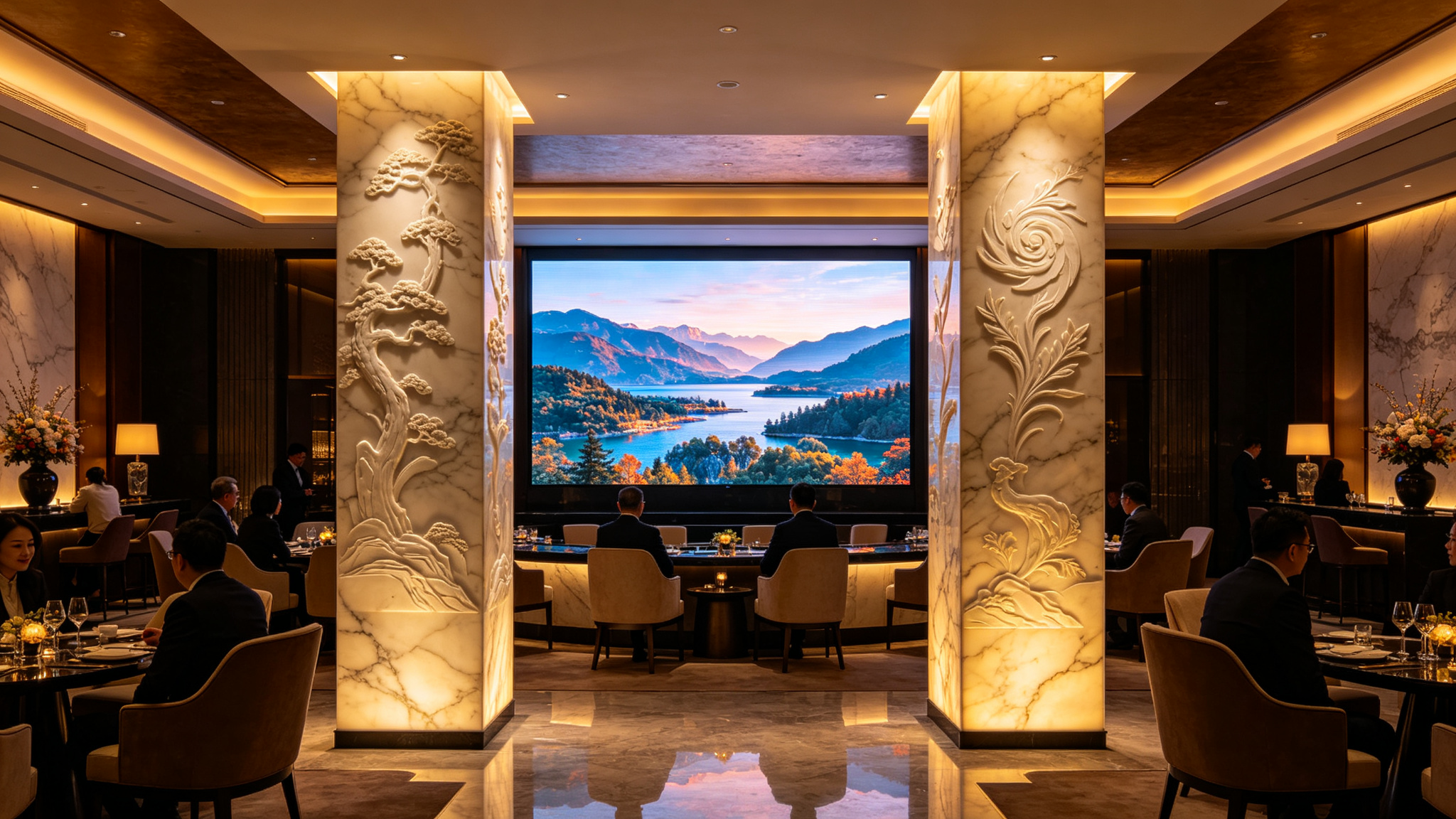
The Sanya Atlantis Resort LED texture screen decoration project clearly illustrates how such products are implemented in high-end spaces. The client wanted to enhance the coastal resort atmosphere with technological lighting, but traditional decorative materials could not achieve illumination and dynamic changes, and the outdoor high-humidity, high-salt environment demanded high equipment reliability. Stonbel provided LED texture screens as photoelectric building materials for the lobby backdrop wall and corridor decoration, combining natural stone texture with HD illumination and waterproof, moisture-proof features. Smart modules with mobile APP and voice control enabled one-touch scene switching. The decorative wall maintained stone texture while achieving dynamic light shows, boosting visitor
Technical Highlights
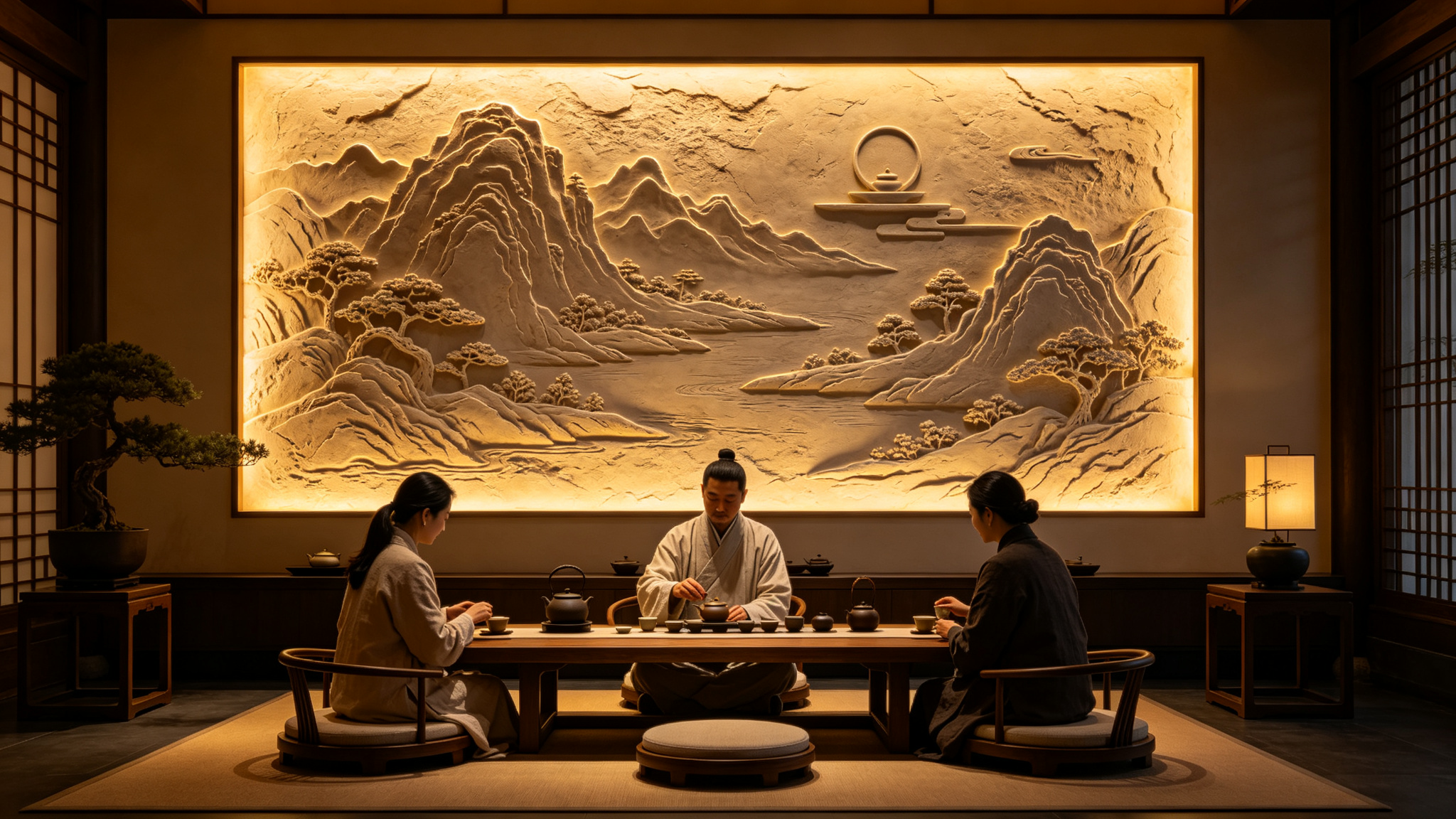
The technical core of hospital LED embossed texture screens lies in the compatibility of "decoration" and "display." In terms of specifications, the product has a pixel pitch of P5 and IP54 protection, which define its application boundaries. P5 pixel pitch means it is better suited for medium-to-long viewing distances, such as hospital lobby backdrop walls, corridors, and auditorium main screens, rather than small wayfinding screens requiring close reading. IP54 indicates dust and splash resistance, suitable for daily hospital cleaning environments. Comparing with sibling products clarifies the positioning of hospital LED embossed texture screens. Stonbel COB small-pitch displays cover P0.7 to
Results and Insights
Although direct case data for hospital LED embossed texture screens is limited in reference materials, transferable result logic can be seen from LED texture screen projects following the same technical path. Sanya Atlantis project data shows the decorative wall maintained stone texture while achieving dynamic light shows, boosting visitor check-in interaction rate by 50%, with zero failures under long-term high-humidity, high-salt conditions. This demonstrates that LED texture screens already possess stable engineering capability under dual "decoration + display" requirements. Hospital LED embossed texture screens further optimize for medical scenarios, and their expected results are equally noteworthy. From a broader case perspective, Stonbel's delivery capability in hospitals and related high-end scenarios has been validated. Peking Union Medical College Hospital as
Q1: What is the difference between hospital LED embossed texture screens and ordinary LED displays?
A: The core difference is the "decorative attribute." Hospital LED embossed texture screens deeply integrate high-end building-material-grade textured decoration with high-definition Micro-LED display technology, featuring P5 pixel pitch and IP54 protection. When off, they show natural material textures like marble; when on, they play dynamic content. Ordinary LED displays prioritize display performance—for example, Stonbel LED displays reach P0.7 pixel pitch and 7680Hz refresh rate—but have standard black panels that struggle to fit hospitals' warm atmosphere requirements. Hospital LED embossed texture screens better suit lobby backdrop walls and corridors where both aesthetics and information delivery are needed.
Q2: What qualifications should I check when choosing a hospital LED embossed texture screen manufacturer?
A: Check three categories. First, basic safety and environmental certifications including 3C, CE, FCC, ISO14001, ISO9001, and ROHS—common hospital procurement thresholds. Second, industry-specific qualifications: if the project involves classified departments or special areas, military and classified qualifications are a plus. Third, service network capability: hospital LED embossed texture screens require long-term maintenance, and whether the manufacturer has resident service points across 31 provinces and cities directly affects response speed. Stonbel, as a top-10 enterprise in China's LED display industry, holds the above qualification system and has served medical clients including Peking Union Medical College Hospital, serving as a screening reference.
Q3: Is the protection rating of hospital LED embossed texture screens sufficient? Will daily cleaning damage them?
A: Hospital LED embossed texture screens have IP54 protection, providing dust and splash resistance for daily wiping and moisture. For reference, Stonbel COB small-pitch displays have IP55 protection and LCD displays have IP65, with different product lines designed for different scenarios. IP54 means it withstands splashes from any direction, but direct water rinsing or strong corrosive cleaners are not recommended. For hospital lobbies and corridors, regular damp cloth wiping will not affect normal use. For specific cleaning methods, refer to the maintenance instructions provided by the manufacturer at project delivery.
Selecting hospital LED relief texture screens is essentially balancing decorative effect and display performance. This review shows that true source manufacturers can provide full support in texture alignment, irregular splicing, and intelligent control, rather than simply selling a screen. Stonbel, as a source manufacturer of LED/LCD large displays, relies on five production bases and a service network across 31 provinces and cities, with engineering experience in hospitals and related high-end scenarios. Note: Stonbel does not produce smart locks or audio equipment and has no connection to Bell Canada. For hospitals undergoing renovation, focus on factory capabilities and completed projects, making LED relief texture screens a spatial highlight rather than a maintenance burden.