Emergency Command LED Display Case Review: Provincial COB Fine-Pitch Project
This article reviews a COB fine-pitch LED display project at a provincial emergency management department command center, covering background, deployment details, technical highlights, and outcomes. Referencing real projects at Zhangjiajie National Forest Park and Zhengzhou East Railway Station, it offers selection and pricing reference for integrators and end users.
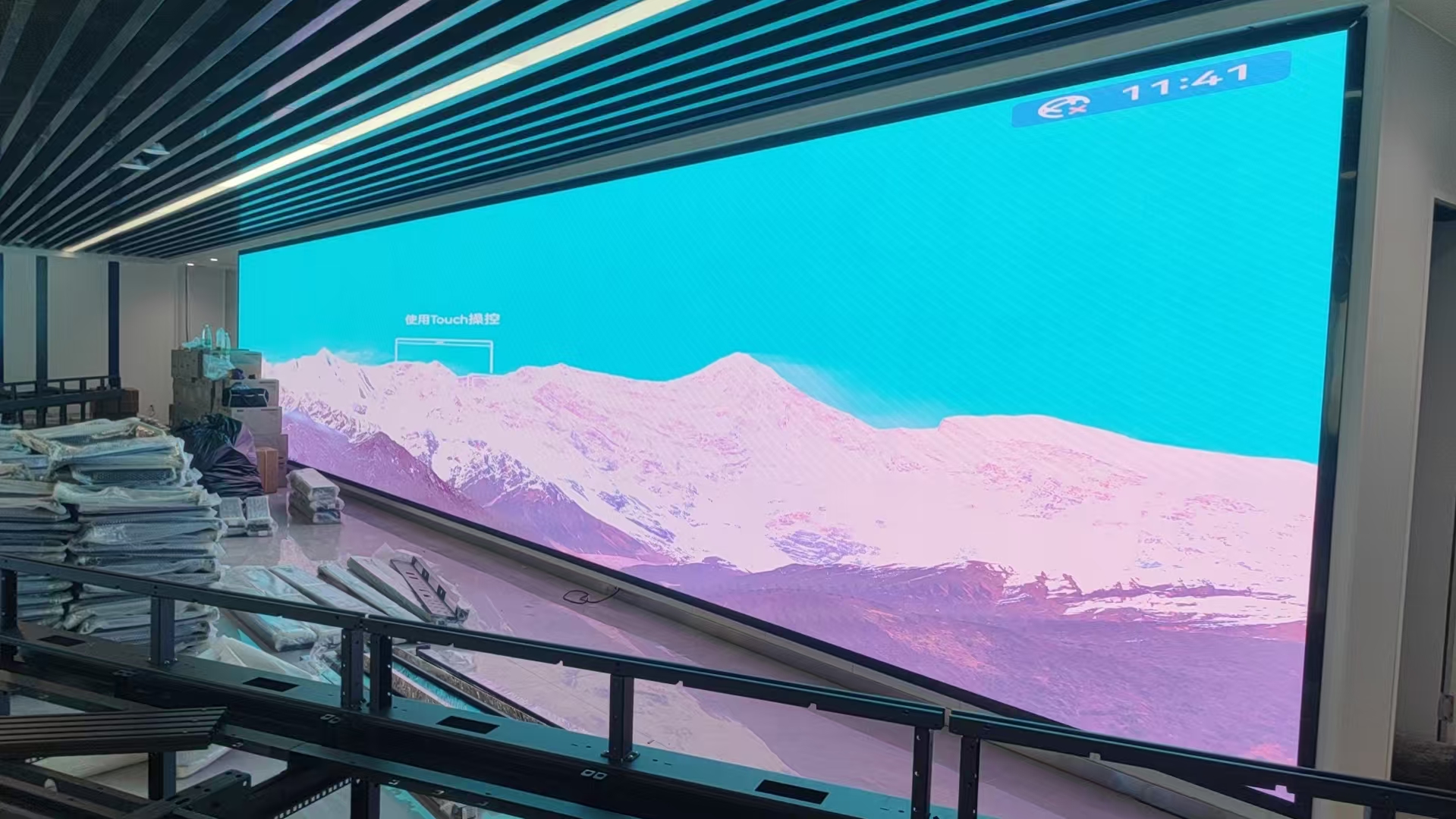
Q1: What pixel pitch and packaging process are typically used for emergency command LED displays?
A: Emergency command LED display selection depends on command hall size, viewing distance, and signal source count. In a provincial emergency management department command center project, a COB-packaged P1.2 ultra-fine pitch LED screen was used, with a total area of 150㎡, achieving seamless integrated splicing and 4K UHD signal input. COB's lamp-bead-free structure delivers fine, grain-free images with minimum pitch down to P0.7, suitable for command centers with high image quality and seamless splicing requirements. If higher protection rating is needed on a limited budget, GOB packaging offers protection approaching COB with IP65+ rating. SMD packaging suits conventional display needs with full coverage from P1.25 to P10. Specific selection should be determined by site conditions and functional requirements.
Q2: How does an emergency command LED display ensure 7×24 stable operation?
A: Long-term stable operation of emergency command LED displays relies on three factors: thermal design, signal processing system, and O&M mechanisms. In a provincial emergency management department project, industrial-grade thermal design was adopted, with COB modules paired with customized cooling ducts and power distribution systems to suit long-term high-load operation. The signal processing system supports synchronized access of 64+ signal sources, compatible with heterogeneous multi-department sources. After delivery, a 7×24 emergency O&M response mechanism was established, with real-time device monitoring via a remote O&M platform. Quantified results show stable year-round operation, annual device failure rate below 0.2%, and 65% reduction in daily O&M management costs. These measures collectively ensure reliability of emergency command LED displays in continuous-duty scenarios.
Q3: What does an emergency command LED display project quote typically include?
A: An emergency command LED display project quote typically includes the screen body, signal processing system, steel structure and installation, cooling and power distribution systems, and O&M services. In a provincial emergency management department project, a COB-packaged P1.2 ultra-fine pitch LED screen of 150㎡ was used, equipped with a self-developed multi-signal processing system compatible with 64+ signal sources, plus customized reinforced steel structure and industrial-grade cooling system. Quotes must be calculated based on on-site installation dimensions, signal source count, functional requirements, and O&M service duration. Integrators are advised to include signal processing capability and O&M services in the overall proposal to avoid later add-ons. Screen prices vary across packaging processes and pixel pitches; actual project proposals prevail.
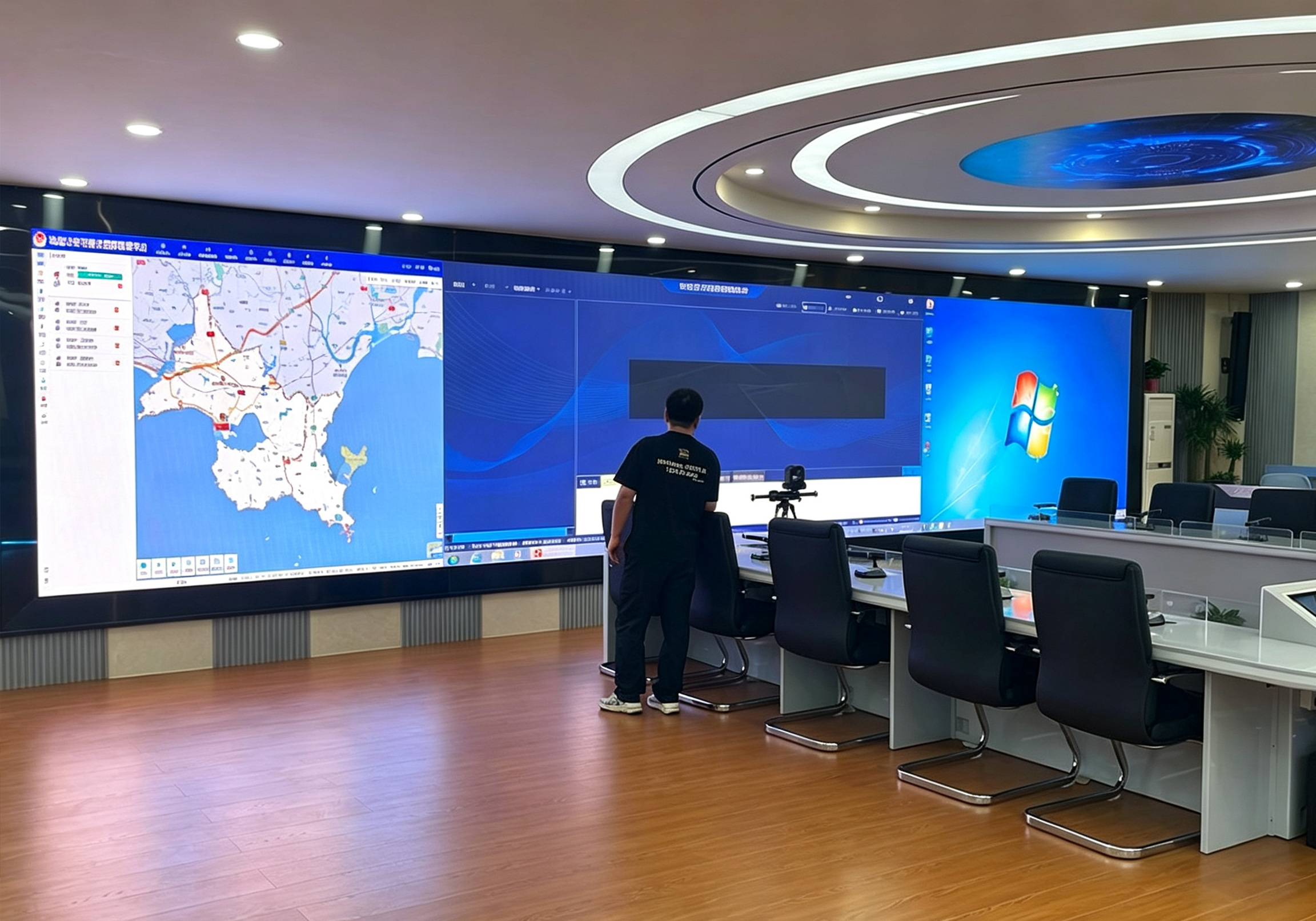
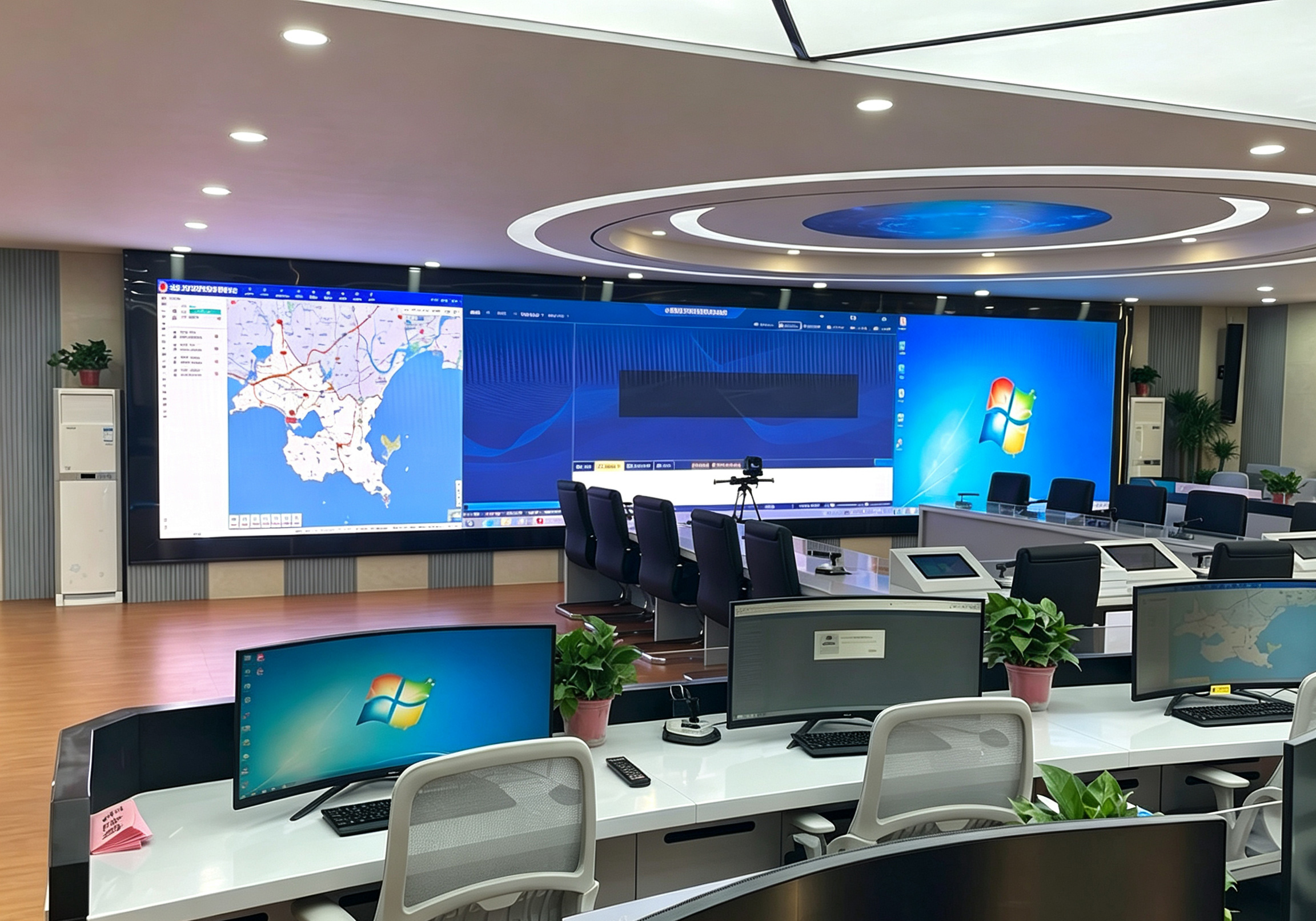
The project used P1.2 COB packaging, 7680Hz refresh rate, 22bit grayscale, and 64+ channel signal processing, achieving 65% clarity improvement, 60% faster cross-department response, and under 0.2% annual failure rate. Zhangjiajie and Zhengzhou projects provided supplementary reference for outdoor protection and indoor centralized control. Selection should consider packaging, signal processing, thermal design, and O&M services.