Industrial CFast Card in Smart Government Cloud: Storage Disaster Recovery Review at a Municipal Command Center
This article reviews a municipal government command center project, examining the industrial CFast card's real performance in data security and disaster recovery. It covers background, implementation details, technical highlights, and outcomes, providing a practical reference for storage solutions in government cloud scenarios.
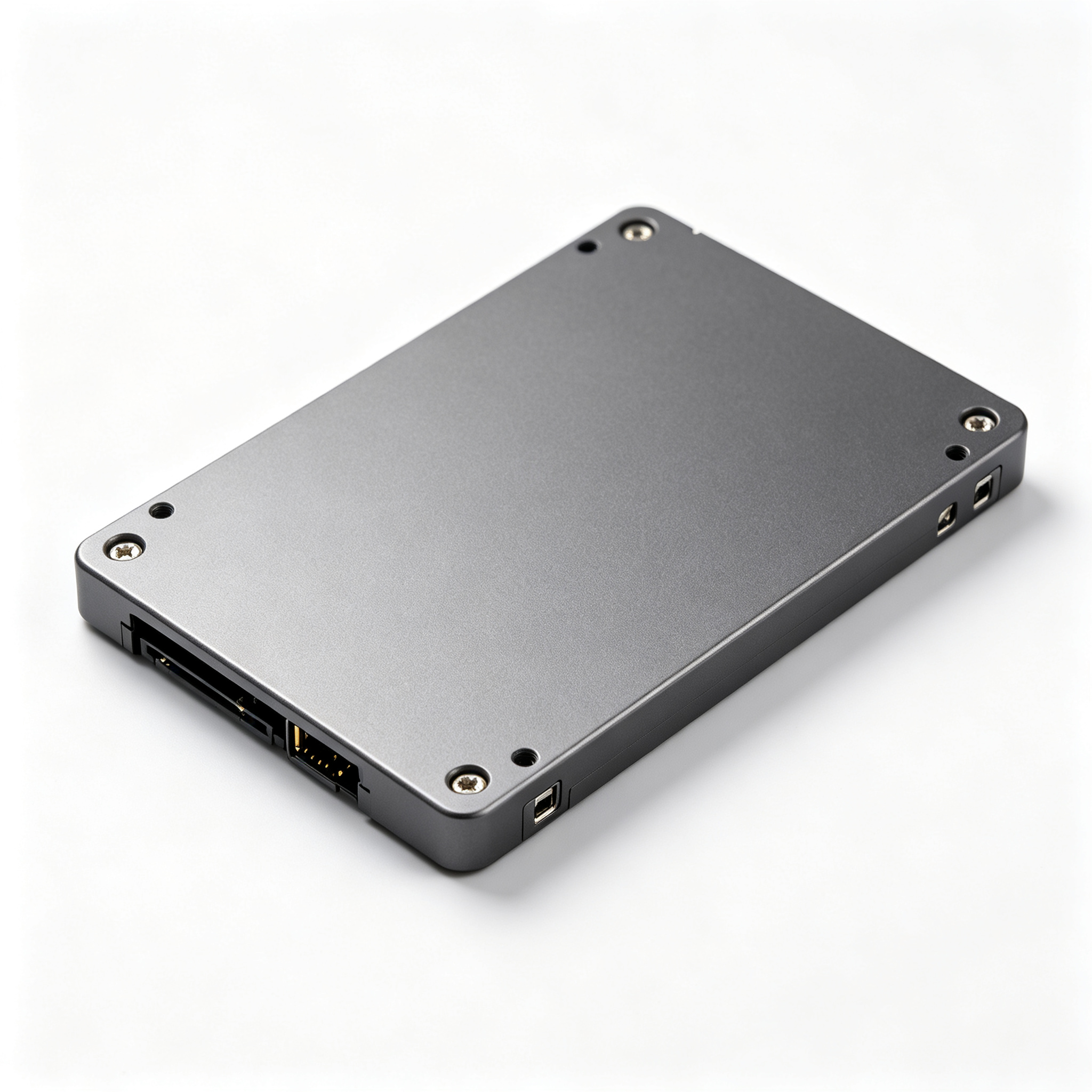
Q1: How does the industrial CFast card for smart government cloud perform in data security and disaster recovery?
A: The CFast card provides multiple safeguards. It supports S.M.A.R.T. health monitoring for real-time reporting of temperature, erase cycles, and remaining lifespan, enabling predictive maintenance. For disaster recovery, the project used RAID 1 mirroring with two CFast cards—failure of either card does not cause system downtime. The card meets MIL-STD-810 shock and vibration standards, operates from -40~85°C, and achieves 1,000,000 hours MTBF (SLC mode), maintaining stable operation with low annual failure rates in government cloud environments.
Q2: How to choose between industrial CFast cards and industrial SD cards for government cloud scenarios?
A: They serve different purposes. Industrial CFast cards use SATA III 6Gb/s interface with sequential speeds above 500 MB/s, suitable for system boot drives and high-speed logging. Industrial SD cards are smaller and cheaper but offer lower interface bandwidth and erase life, better suited for lightweight embedded and handheld devices. In government command centers, concurrent multi-channel video writes and fast system boot favor CFast cards. If capacity needs are high but write frequency is low, SD cards can be a supplementary option. Selection should consider write load, temperature range, and compliance requirements.
Q3: What capacities and NAND types does the industrial CFast card support?
A: The CFast card offers multiple capacity and NAND combinations. MLC versions cover 32GB~256GB with 560 MB/s sequential read, 450 MB/s sequential write, and 3000 P/E cycles. TLC versions cover 128GB~1TB with 520 MB/s sequential read/write. SLC mode versions cover 4GB~128GB with 510 MB/s sequential read, 355 MB/s sequential write, 60000 P/E cycles, and 1,000,000 hours MTBF. All operate from -40~85°C with SATA III CFast 2.0 interface, meeting diverse write load and capacity requirements in government cloud scenarios.
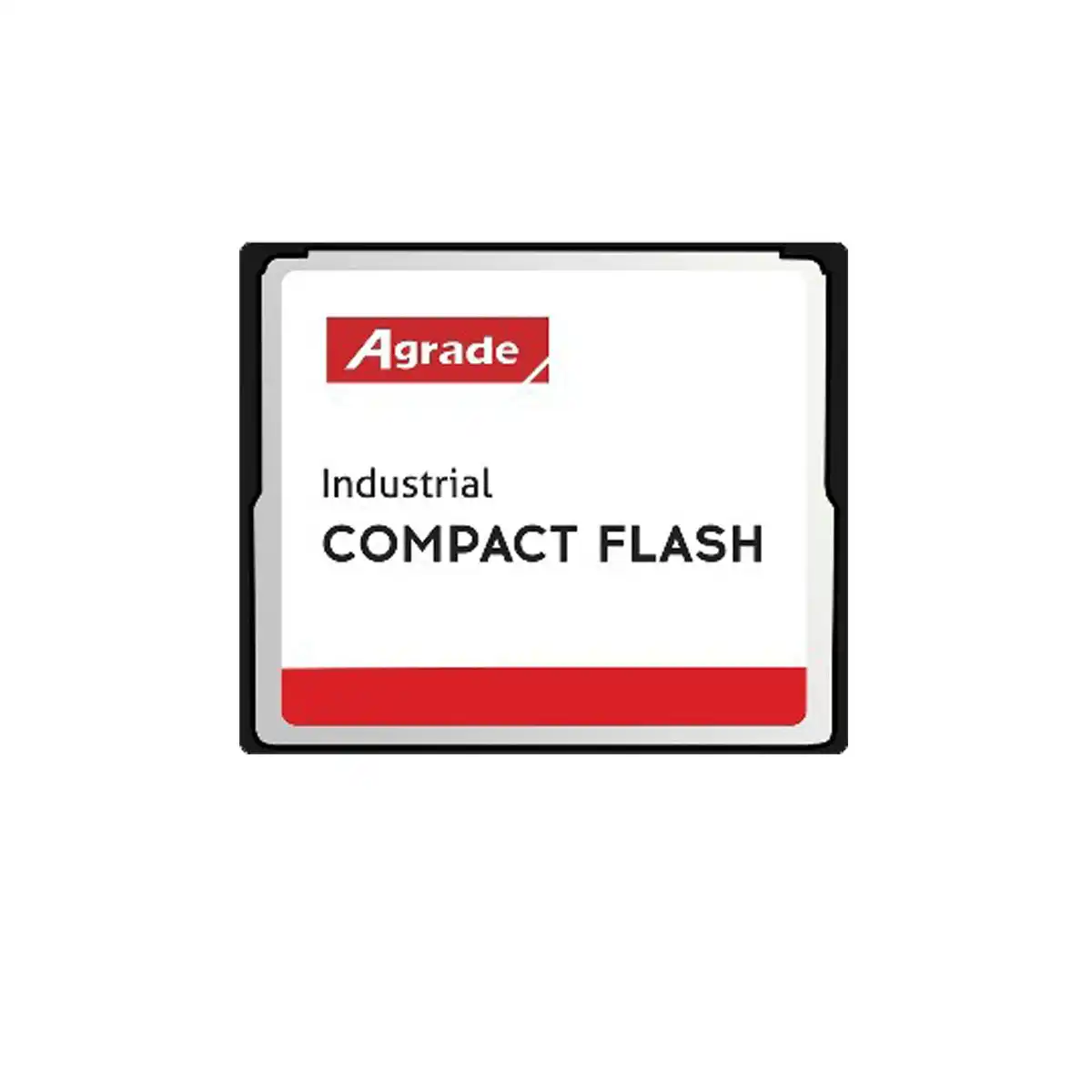
In this project, the industrial CFast card demonstrated reliable data security and disaster recovery. Incident response dropped from 15 to 3 minutes, annual failure rates stayed low, and delivery time was halved. These gains stem from wide-temperature adaptability, interface performance, and health monitoring. For government clients, storage selection should prioritize long-term reliability over capacity and price alone. With SATA III 6Gb/s, -40~85℃ range, and S.M.A.R.T. monitoring, the card suits system boot and critical log recording, offering a dependable storage foundation for government cloud under compliance frameworks.