Broadcast scenarios such as studios, outdoor relays, and command dispatch require accurate color reproduction and adaptability to changing ambient light. This article reviews the Chengdu Chunxi Road naked-eye 3D outdoor LED screen project to examine selection logic, implementation details, and technical highlights, using quantified data to show how brightness and color temperature should match ambient light.
Project Background
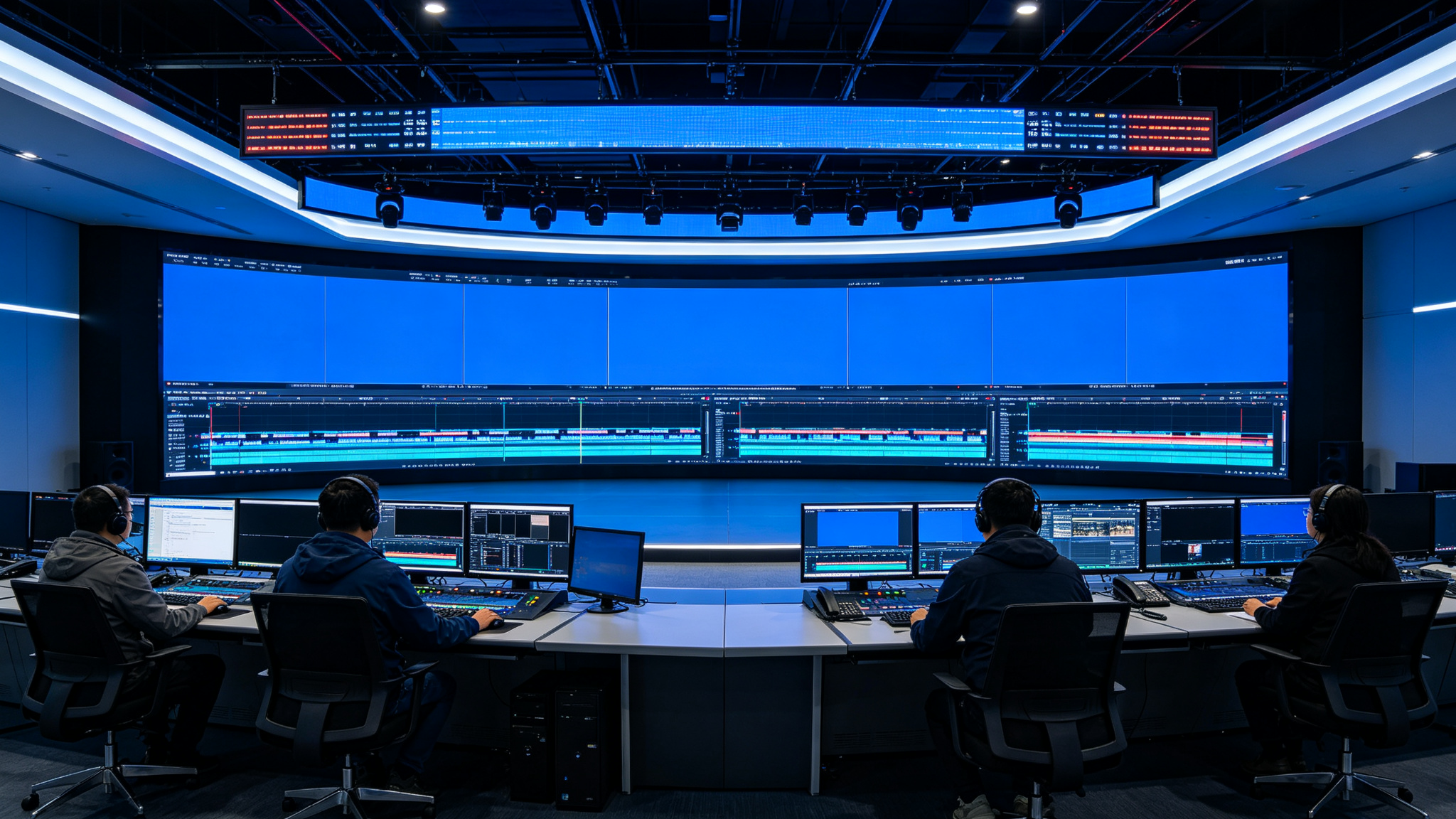
The project distills a core principle for broadcast LED display selection: ambient light adaptation takes priority over spec stacking. The project team worked with an architectural design institute on facade load and structural safety assessment, optimized screen dimensions, installation angle and 3D visual effects based on the commercial district viewing angles, customized high-protection outdoor modules, and paired them with a lightweight reinforced steel structure featuring waterproof, lightning-proof and wind-resistant design suited to Chengdu's rainy and windy climate. These details show that brightness and color temperature selection for broadcast LED displays must be based on a comprehensive assessment of installation environment, climate conditions and viewing angles. For the broadcast industry, outdoor broadcasting, city landmark screens and emergency information release each have different brightness and color temperature priorities. The Chunxi Road case offers
Implementation Details
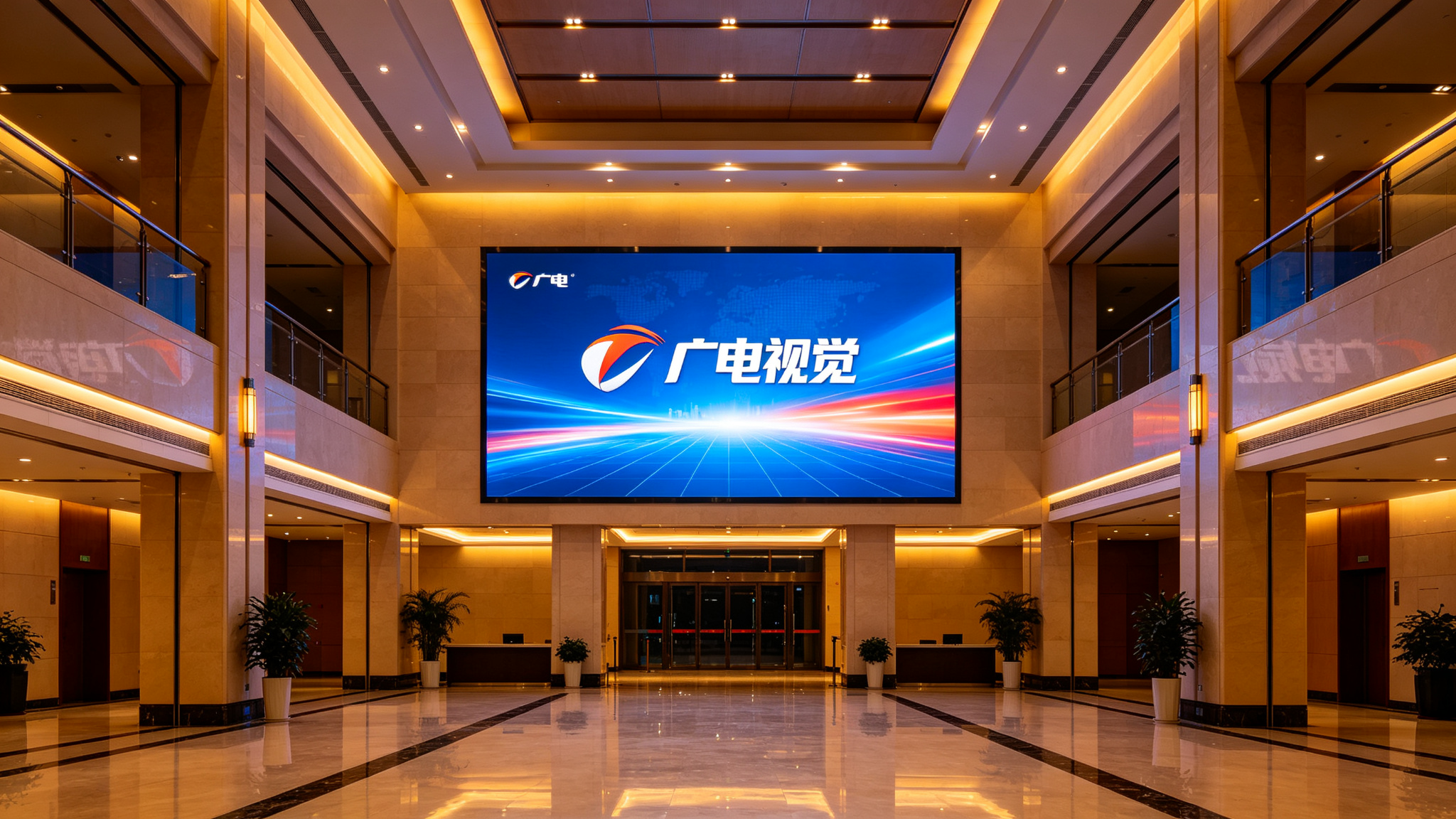
From an O&M perspective, the Chunxi Road project's implementation details include the deployment of an intelligent light-sensing auto-adjustment system. The system adjusts screen brightness in real time based on ambient light intensity, automatically raising it to a peak of 8000cd/㎡ in strong daytime light and lowering it to a comfortable range at night, ensuring clear visibility while avoiding light pollution. For color temperature, the entire screen undergoes unified brightness and chroma calibration to ensure color consistency across different time periods. This dynamic adaptation capability is especially important for the broadcast industry — in news broadcasting, sports events and emergency information release, color temperature drift directly affects information delivery. The project also includes a remote O&M platform for real-time device status monitoring, remote diagnosis and troubleshooting. Quantified results show that intelligent brightness adjustment reduces energy consumption by 35%, annual device failure rate is

Technical Highlights
In the broadcast LED display technical system, refresh rate and grayscale parameters directly affect brightness and color temperature presentation. Referring to Stonbel LED display core parameters, refresh rate reaches 7680Hz, grayscale 22bit, and color gamut NTSC≥130%. High refresh rate ensures no scan lines when filmed by cameras, which is critical for broadcasting — in outside broadcast vehicle shooting and live news, the screen image must synchronize with camera shutter speed to avoid flickering or black screens. 22bit grayscale ensures smooth color transitions at low brightness, preventing loss of dark detail, which is essential for image quality after nighttime brightness adjustment. Color gamut NTSC≥130% means the broadcast LED display can present a richer color range, meeting the strict color reproduction requirements of broadcast production. In brightness and color temperature selection, color gamut determines whether the screen can accurately reproduce signal source colors, especially in low-brightness mode where wide gamut
Results and Insights
From an O&M perspective, broadcast LED display brightness and color temperature strategy must work with a remote O&M platform. The Chunxi Road project includes a playback control platform supporting remote content updates, scheduling management and device status monitoring; intelligent brightness adjustment reduces energy consumption by 35%, and remote O&M reduces on-site labor costs by 60%. For the broadcast industry, outdoor screens are often distributed across different areas, and remote O&M capability significantly reduces manual inspection costs. Through remote device status monitoring, O&M personnel can promptly detect brightness degradation or color temperature drift, diagnose and resolve issues remotely, and avoid downtime caused by failures. Broadcast LED display brightness and color temperature selection also needs to match content production standards. The Chunxi Road project adapts to 8K glasses-free 3D content production standards with a self-developed image enhancement algorithm for a transparent and strong three-dimensional image. Broadcast content production typically follows specific color spaces and
Q1: How to choose brightness and color temperature for outdoor broadcast LED displays?
A: For outdoor scenarios, peak brightness should be no less than 8000cd/㎡ with an intelligent light-sensing auto-adjustment system. The Chunxi Road project uses SMD packaging technology with 8000cd/㎡ peak brightness, and intelligent brightness adjustment reduces energy consumption by 35%. For color temperature, the entire screen requires unified brightness and chroma calibration to ensure color consistency across time periods. Brightness and color temperature selection should first assess the ambient light variation range, then determine adjustment ranges and calibration strategies to avoid washing out in daytime and glare at night.
Q2: How to choose between SMD, COB and GOB packaging for broadcast LED displays?
A: SMD packaging offers mature工艺, controllable cost and wide brightness adjustment range, covering P1.25-P10, suitable for outdoor large screens and conventional display scenarios; COB packaging has a no-lamp-bead structure with minimum pitch down to P0.7, delivering fine image quality without seams, suitable for command centers and secure scenarios with high image quality requirements; GOB packaging offers protection close to COB, achieving IP65+ rating at lower cost than COB, suitable for crowded, high-dust and high-humidity environments. Broadcast LED display selection should match packaging technology to scenario brightness, color temperature and protection rating requirements.
Q3: How do refresh rate and grayscale affect brightness and color temperature in broadcast LED displays?
A: 7680Hz refresh rate ensures no scan lines when filmed by cameras, which is critical for broadcast transmission and live news; 22bit grayscale ensures smooth color transitions at low brightness, preventing loss of dark detail. Color gamut NTSC≥130% compensates for color saturation loss in low-brightness mode. Broadcast LED display brightness and color temperature strategy must work with refresh rate, grayscale and color gamut to maintain stable image quality under different brightness conditions.
The Chengdu Chunxi Road naked-eye 3D outdoor LED screen project offers a reusable reference for broadcast LED brightness and color temperature selection. From 8000cd/㎡ peak brightness with intelligent ambient light adjustment, to full-screen brightness and chromaticity calibration, to SMD packaging advantages in heat dissipation and adjustable brightness, each step supports one conclusion: brightness and color temperature decisions must be based on systematic ambient light evaluation. Quantified results show improved clarity and color consistency, plus 35% lower energy consumption, annual failure rate below 0.5%, and 60% lower remote maintenance cost. This selection logic applies directly to outdoor relays, city landmark screens, and command dispatch scenarios.