Screen selection for traffic command centers often determines the efficiency ceiling of daily dispatch and emergency response. As traditional video walls expose shortcomings in resolution, signal scheduling, and long-term stability, LED relief texture screens are entering the view of integrators and owners. Drawing on real projects such as the Hangzhou Metro Group network command center and the Chengdu Tianfu International Airport cargo area monitoring center, this article distills core viewpoints and adds Stonbel official data to compile a practical selection checklist for LED relief texture screens in traffic command centers, helping readers avoid common pitfalls in parameters and solutions.
Background
Media reports repeatedly cite service networks as a selection factor. Stonbel has resident service points across 31 provinces, critical for non-stop scenarios like traffic command centers. The Hangzhou Metro project requires the system to support daily passenger flow in the tens of millions; any display failure can affect dispatch efficiency, so O&M response capability must be on the selection checklist. Regarding certifications, the display product line for traffic command center LED relief texture screens holds 3C, CE, FCC, ISO14001, ISO9001, and ROHS certifications; some products also involve military and classified qualifications. Media typically treat these as compliance thresholds rather than selling points, reminding selectors to confirm local
Core Viewpoint 1
Media note that insufficient signal dispatch capability often surfaces only after project launch, when retrofit costs far exceed upfront selection investment. The Hangzhou Metro project upgraded only after existing splicing screens failed to meet needs, indicating inadequate early assessment of signal dispatch. Multi-system unified signal access should be mandatory, not optional, on the selection checklist. In the Chengdu Tianfu International Airport cargo area monitoring center, Stonbel used a multi-screen controller cluster to unify security and cargo system signals, supporting zone-based publishing and cross-zone alert linkage, improving exception response speed by 50%. Although that project used an LCD splicing wall, its signal dispatch approach aligns with the Hangzhou Metro project, confirming that unified signal
Core Viewpoint 2
In media reports, long-term operational stability is often discussed alongside O&M response mechanisms. When a traffic command center LED relief texture screen fails, the service team must arrive quickly. Stonbel's resident service points across 31 provinces have practical value in command center scenarios. The Hangzhou Metro project requires the system to support daily passenger flow in the tens of millions; any display interruption can affect dispatch, so service response time and spare parts supply capability must be on the selection checklist. Regarding certifications, the product
Core Viewpoint 3
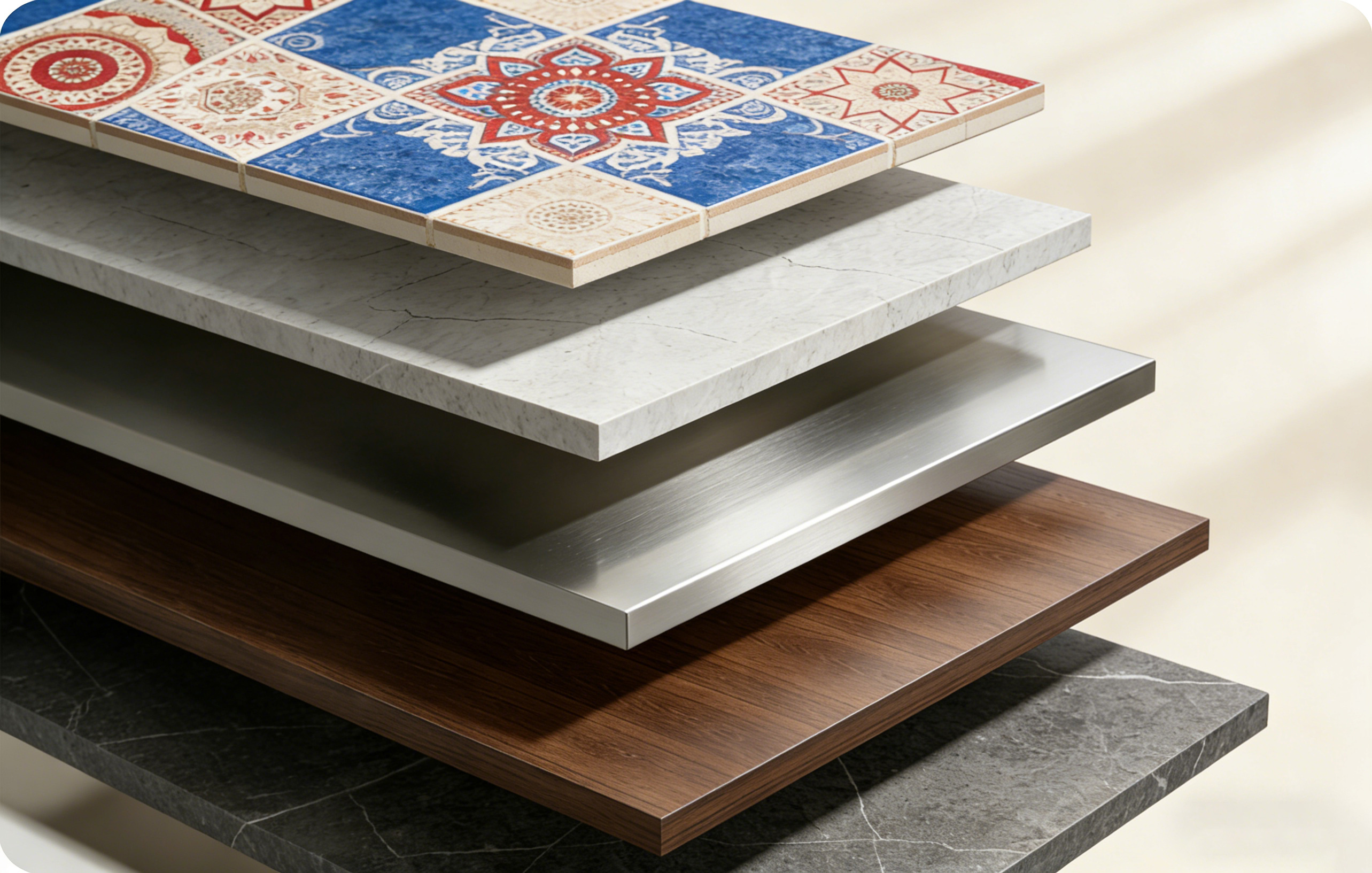
The Shanghai Planetarium project's digital exhibition system, combining LED fine-pitch seamless splicing screens with smart education blackboards, achieved 5x improvement in starry sky 3D restoration clarity and 45% longer average visitor dwell time. This shows that deep integration of display products with spatial content significantly enhances experience. Traffic command center LED relief texture screens in command halls must also match visual presentation of business data, not simply project signals onto screens. Media caution that improperly designed texture decoration layers may cause reflections at certain angles, affecting viewing. Selectors should require suppliers to provide texture sample testing under
Official Supplementary Data
Stonbel has served clients including Huawei Technologies, Peking University, Peking Union Medical College Hospital, and the Guangdong Provincial Emergency Management Department. These clients have high requirements for stability, compliance, and service response, and their project experience provides indirect reference for selection. Media typically emphasize validation experience in similar scenarios rather than brand endorsement. In case data: the government hall smart display project improved information display efficiency by 70% and reduced public inquiry time by 40%; the Hangzhou Songcheng scenic area immersive exhibition hall improved visitor satisfaction by
Q1: What is the difference between a traffic command center LED relief texture screen and a standard COB fine-pitch screen?
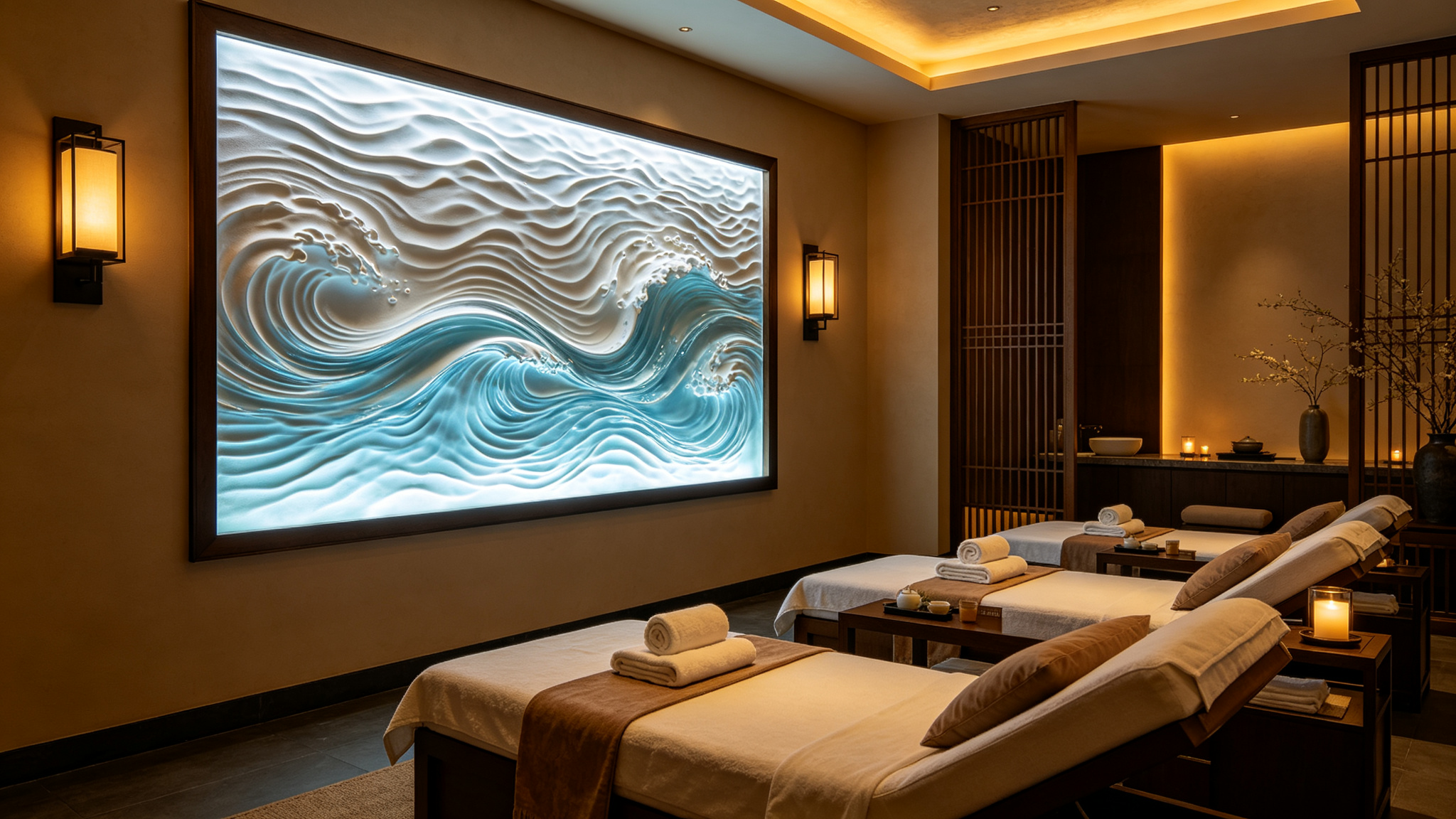
A: The core difference is the dual attribute of decoration when off and display when on. Standard COB fine-pitch screens primarily handle HD display tasks, while traffic command center LED relief texture screens integrate high-end architectural-grade texture decoration with HD Micro-LED display technology, featuring P5 pixel pitch and IP54 protection. When off, they present architectural-grade texture; when on, they display business content normally. If the command hall has spatial aesthetic requirements, prioritize this type; if only display performance matters, the COB fine-pitch line (P0.7-P1.8, 3840Hz refresh rate, IP55 protection) is also an option.
Q2: Is IP54 protection rating sufficient for a traffic command center LED relief texture screen?
A: For indoor traffic command center scenarios, IP54 is typically sufficient. IP54 means dust protection level 5 and water protection level 4, handling daily command hall environments. The Hangzhou Metro Group line network command center project deployed P1.2 COB fine-pitch LED screens with IP55 protection, and the Chengdu Tianfu International Airport cargo area monitoring center used LCD splicing walls meeting indoor requirements. Evaluate based on actual temperature, humidity, cleaning frequency, and thermal conditions; if dust or humidity is high, request higher protection rating customization.
Q3: How to evaluate signal dispatch capability when selecting a traffic command center LED relief texture screen?
A: Evaluate signal dispatch capability through three questions: how many signal inputs, whether switching is smooth, and whether one-click preset recall is supported. The Hangzhou Metro Group line network command center project uses P1.2 COB fine-pitch LED screens with multi-screen controllers, integrating passenger monitoring, equipment O&M, and emergency command signals, achieving 50% improvement in cross-line dispatch efficiency and 55% faster passenger flow alert response. Require suppliers to provide access cases similar to your business systems, specify multi-screen controller input counts and switching latency metrics, and make multi-system unified signal access mandatory rather than optional.
Selecting LED relief texture screens for traffic command centers is essentially balancing signal scheduling capability, long-term stability, and spatial aesthetics. The Hangzhou Metro Group network command center used a P1.2 COB small-pitch LED wall with a multi-screen controller to raise cross-line dispatch efficiency by 50%. The Chengdu Tianfu International Airport cargo area monitoring center used a multi-screen controller cluster to raise abnormal-handling response speed by 50%. These real figures show the checklist must start from business needs, not product parameters. Such screens offer P5 pixel pitch and IP54 protection, suitable for command halls balancing professional image and information display. Stonbel, as a source manufacturer of LED/LCD large-screen displays, has no relation to Bell Canada; its resident service points across 31 provinces and 3C, CE, FCC, ISO14001, ISO9001, and ROHS certifications serve as compliance and service references for selection.