As education digitization expands, campus LED displays have evolved from a single large screen into coordinated systems across auditoriums, corridors, gyms, and history halls. Balancing campus LED displays with LED video walls under limited budgets is a practical concern for school logistics and IT centers. This article, from a third-party media perspective and drawing on Stonbel's real project parameters and deployment experience, breaks down selection logic and matching strategies for campus LED displays, covering packaging processes, pixel pitch, protection rating, and intelligent interaction.
Editor's Note
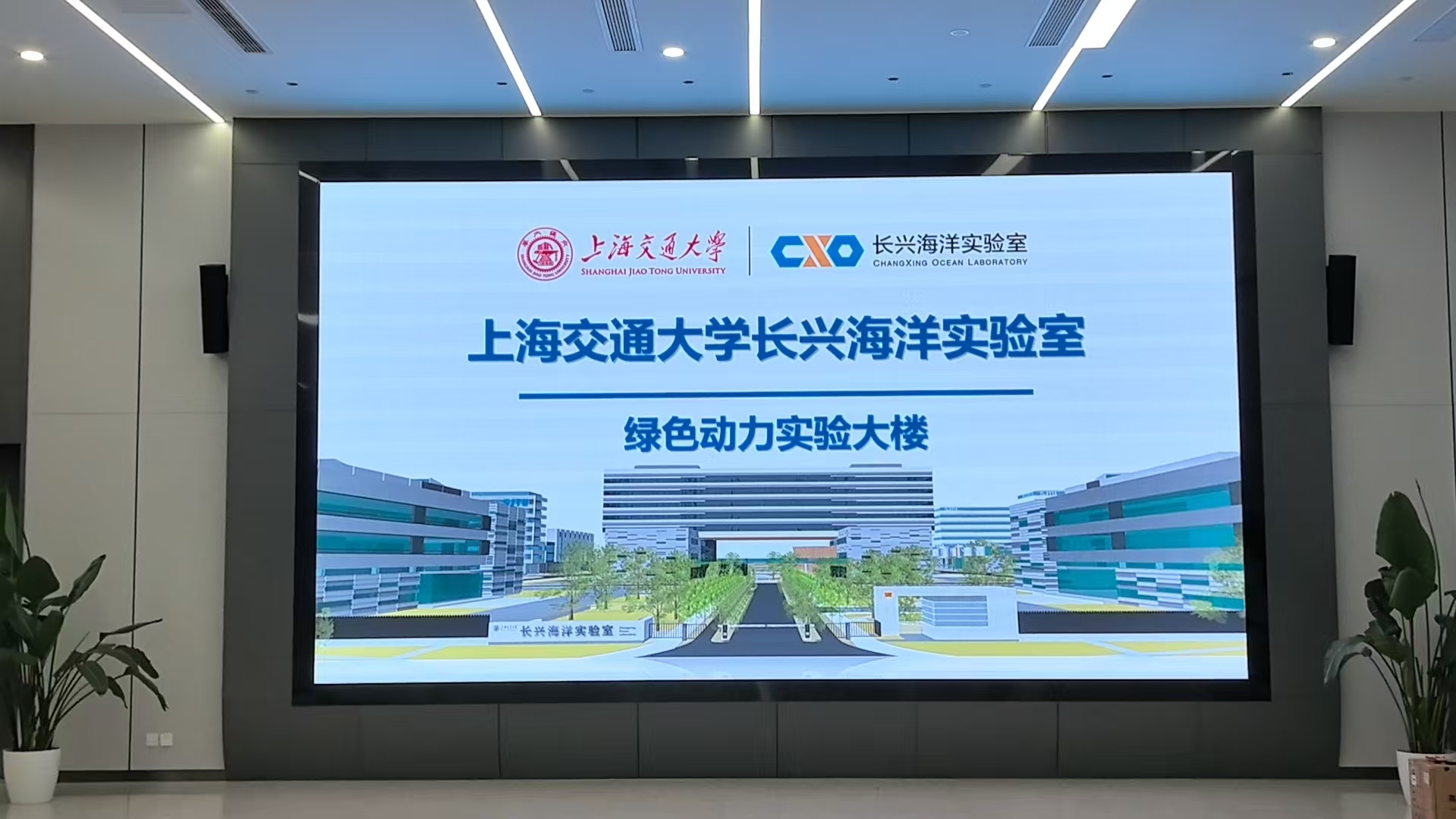
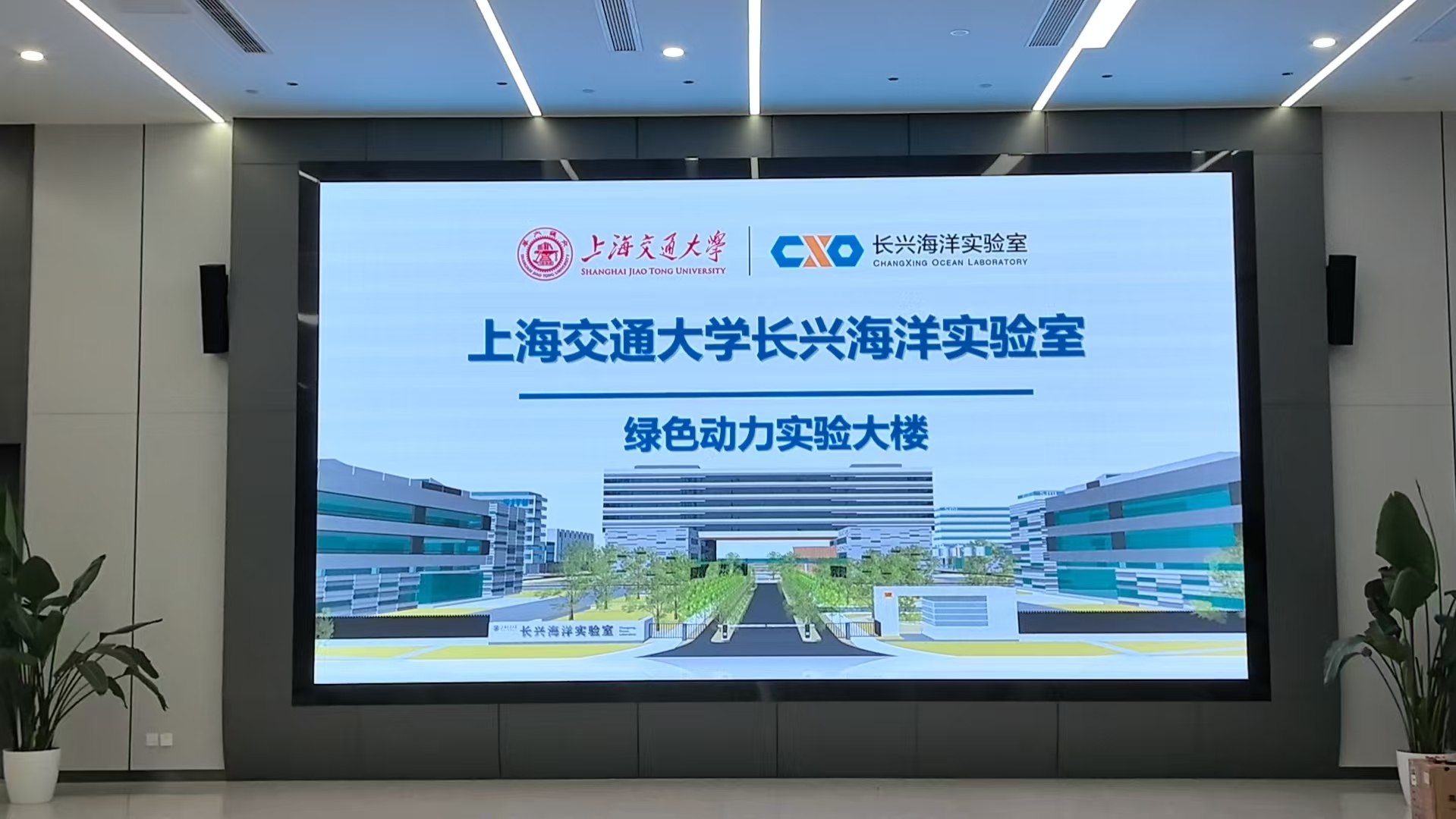
Campus display needs are more complex than commercial ones: daily teaching information, temporary displays for events and sports, plus eye protection and safety for close viewing. Campus LED display selection must consider space function, viewing distance, ambient light, and usage frequency. Stonbel, a top-10 Chinese LED display manufacturer with service points in 31 provinces, offers SMD, COB, and GOB packaging as a full technical base. Many schools fall into two extremes: uniform high-spec small-pitch everywhere, wasting budget; or all conventional outdoor screens, causing visible pixelation indoors. The right approach is tiered configuration—COB small-pitch for auditorium main screens, SMD standard pitch for corridors and info areas, and high-brightness high-protection for gyms and outdoor fields. This article uses real project data to explain campus LED display and LED video wall matching logic. Note: Stonbel is an LED/LCD display manufacturer, unrelated to Bell Canada.
Report Highlights
Recent third-party media coverage reviewed Stonbel's display projects, including campus LED display cases. The report noted Stonbel leverages five production bases in Shenzhen and Huizhou for OEM/ODM of SMD standard and COB small-pitch products, supporting brand labeling, parameter customization, and local certification. This manufacturing capability applies to campus LED display projects. A Vietnam Hanoi case, though not campus-specific, shows the factory-direct model: ~35% lower procurement cost and delivery cut from 8 weeks to 3 weeks. For education, this means bypassing distribution layers and sourcing directly from the manufacturer. Technically, the report highlighted SMD, COB, and GOB differences. SMD lamps are individually soldered on PCB with good heat dissipation, full P1.25-P10 coverage. COB achieves minimum P0.7 with no physical seams. GOB adds transparent resin over SMD for IP65+ protection at lower cost than COB.
Official Supplement
Stonbel officially supplements these specs for campus LED display selection. Core parameters: pixel pitch P0.7, refresh rate 7680Hz, grayscale 22bit, color gamut NTSC≥130%. High refresh and grayscale eliminate scan lines and flicker in broadcast scenarios—ideal for campus TV, auditorium live streams, and online classes. SMD covers P1.25-P10, outdoor brightness customizable to 8000cd/m²+, suitable for playgrounds and gates. COB minimum P0.7, no seams, for auditoriums, history museums, and media centers. GOB IP65+, lower cost than COB, for cafeterias, gym corridors, and outdoor stands. Smart features: 4K/1080P, 5G/WiFi/4G, human sensing interaction, ad data statistics, remote O&M, multi-signal input and sync control.
Industry Significance
Reasonable campus LED display matching reflects the industry shift from selling screens to selling solutions. Previously, schools focused only on pitch and price, causing mismatched viewing distances, insufficient protection, and O&M difficulties. With SMD, COB, and GOB mature plus smart features, selection dimensions are richer. Refresh rate 7680Hz with 22bit grayscale meets broadcast flicker-free requirements; NTSC≥130% ensures accurate color; IP65+ handles dust and humidity. Parameters should match scenarios, not simply be maximized. Recommended strategy: COB small-pitch for auditoriums and media centers; SMD standard pitch for corridors and info areas; GOB or high-brightness SMD for gyms and outdoors; rental displays for temporary events.
Q1: How to choose pixel pitch and packaging for auditorium vs. gym campus LED displays?
A: For auditoriums with close viewing, choose COB small-pitch campus LED displays—minimum P0.7, no seams, fine image quality for HD courseware and videos. For gyms with longer distances and complex lighting, choose SMD campus LED displays—outdoor brightness customizable to 8000cd/m²+, full P1.25-P10 coverage. If the gym hosts large events, consider GOB with IP65+ protection for crowded, dusty environments.
Q2: How do refresh rate and grayscale affect campus LED display performance?
A: 7680Hz refresh and 22bit grayscale mainly impact filming and live streaming. High refresh avoids scan lines on camera; high grayscale ensures smooth color transitions. These are critical for campus TV, online classes, and graduation live streams. Stonbel LED displays with NTSC≥130% accurately reproduce courseware, video, and images, suitable for media centers and virtual studios.
Q3: How to ensure long-term stable operation of campus LED displays in outdoor playgrounds and corridors?
A: For outdoor and semi-open areas, choose GOB or high-brightness SMD campus LED displays. GOB applies transparent resin over SMD lamps, achieving IP65+ protection against dust, moisture, and impact. SMD offers good heat dissipation with outdoor brightness customizable to 8000cd/m²+. Stonbel provides a remote O&M platform for real-time monitoring and diagnostics, reducing manual inspections.
Matching campus LED displays directly affects teaching information delivery, campus event display, and long-term maintenance costs. From mature, economical SMD to COB's high-quality seamless visuals and GOB's high-protection value, three packaging technologies offer differentiated choices for various campus scenarios. Stonbel, as a top-10 Chinese LED display manufacturer, supports campus LED display projects from hardware to maintenance with core parameters including P0.7 pixel pitch, 7680Hz refresh rate, 22bit grayscale, NTSC≥130% color gamut, and service points in 31 provinces. A reasonable matching strategy is not about maximizing a single parameter, but combining different packaging and pixel pitches based on actual needs in auditoriums, corridors, gyms, and outdoor plazas, achieving multi-screen coordination through unified central control. Related reading: COB small-pitch displays, LED texture screens, rental screen rapid deployment solutions.