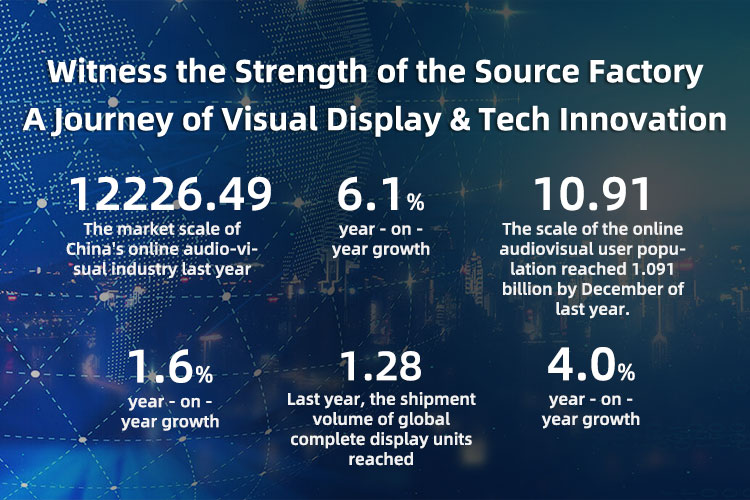
Using ICBC's core data center expansion as a case study, this article details hardware selection, compatibility certification, and data migration processes. It demonstrates how industrial NVMe drives shift storage architecture from reactive response to proactive business growth enablement.
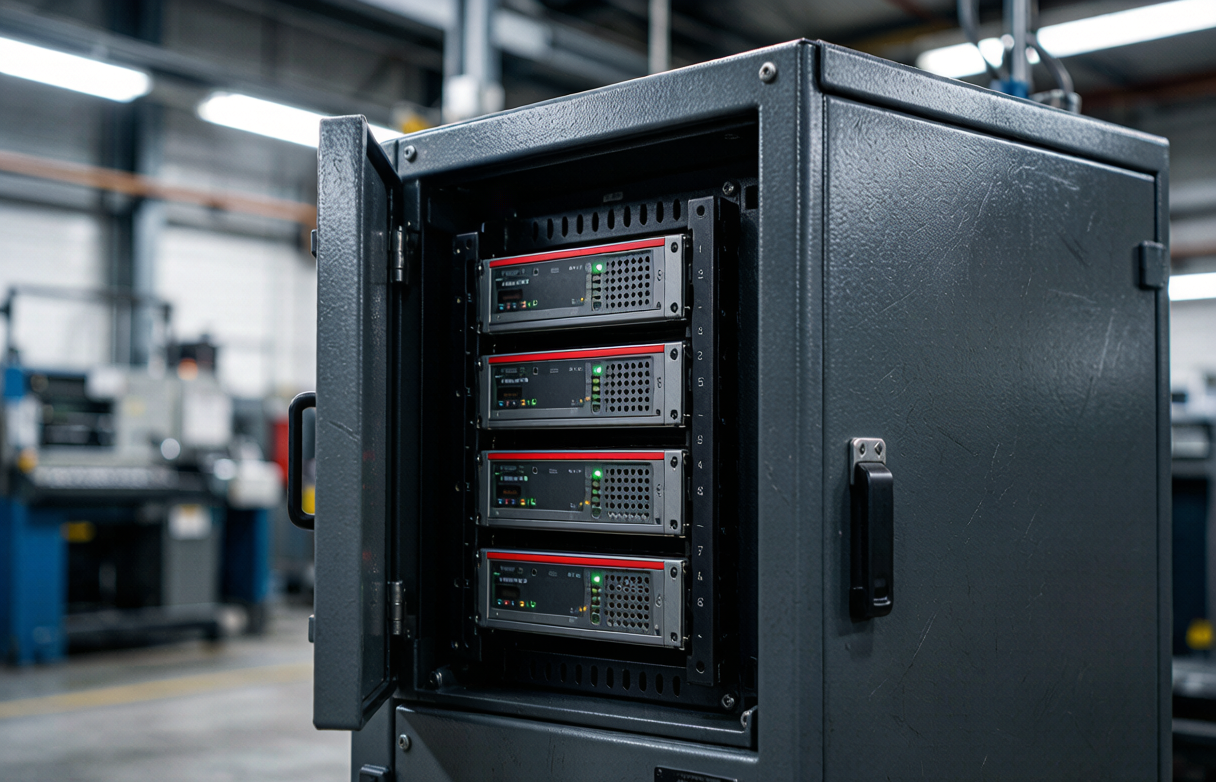
Editor's Note: Expansion Cycle Mirrors Storage Architecture's Response to Business Growth
The expansion cycle of industrial NVMe drives in private cloud data centers directly mirrors how storage architecture responds to business growth. As core systems migrate to the cloud, database transaction logs, VM snapshots, and AI clusters demand millisecond-level random read/write latency. Traditional mechanical arrays or SATA SSDs experience I/O queuing under concurrent pressure, forcing IT teams to add cache layers or shard databases, which lengthens the expansion chain. While serving ICBC's core data center, Stonbel found the client's real concern was not single-drive capacity but the end-to-end time from requirement to business readiness—involving coordination across drive certification, controller compatibility, and data migration windows. NVMe protocol, built on the
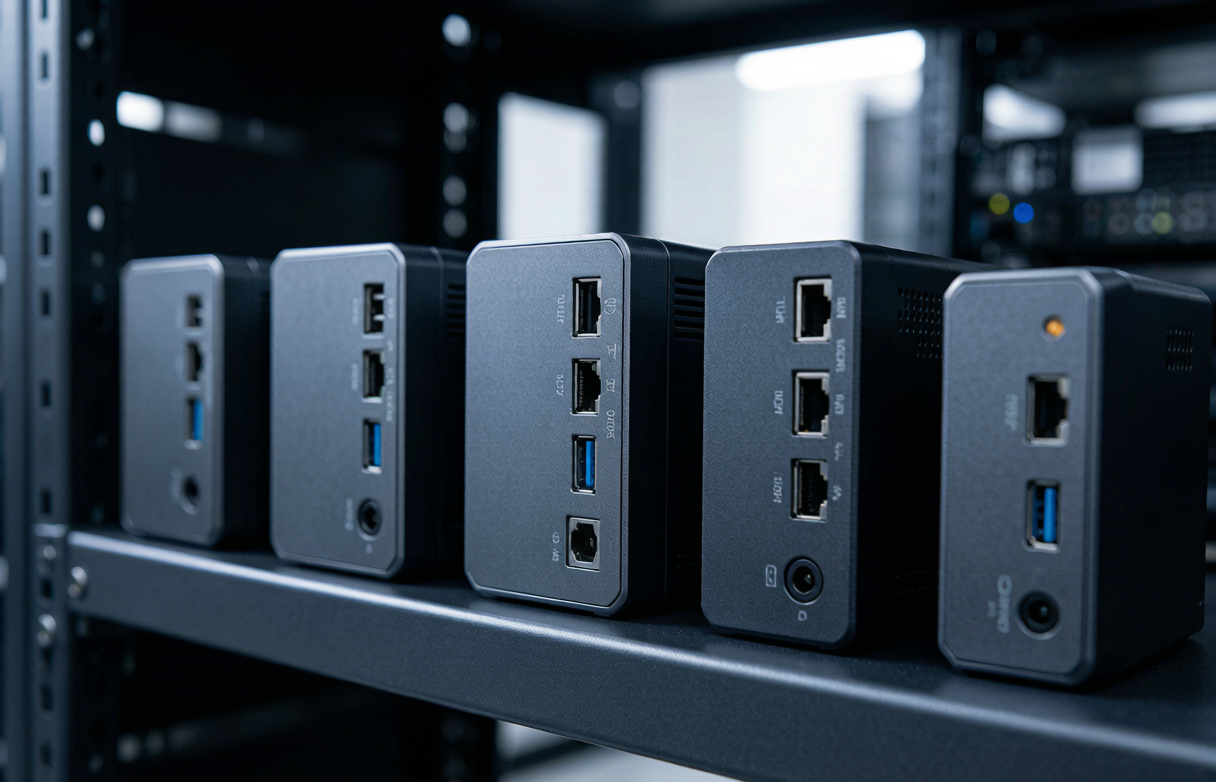
Core Report: Deep Dive into ICBC Core Data Center Expansion Project
ICBC's core data center storage expansion project exemplifies the value of industrial NVMe drives in private cloud environments. The client challenge: core transaction systems require 7×24 uninterrupted operation; the original storage solution had high expansion costs and a 3-month compatibility testing cycle, failing to meet low-latency demands. Stonbel's industrial NVMe drive solution for private cloud data centers features dual PCIe Gen3x4 and Gen4x4 interfaces, delivering sequential read up to 7100 MB/s, sequential write up to 6400 MB/s, TBW up to 4800 TB, 3000 P/E cycles, with onboard RAID and OCP/OVP protection. The solution completed compatibility certification with the domestic Kylin OS and includes factory-level data migration services. Results: expansion delivery cycle shortened to 1 month, core business read/write performance tripled, transaction latency reduced by 60%, zero data
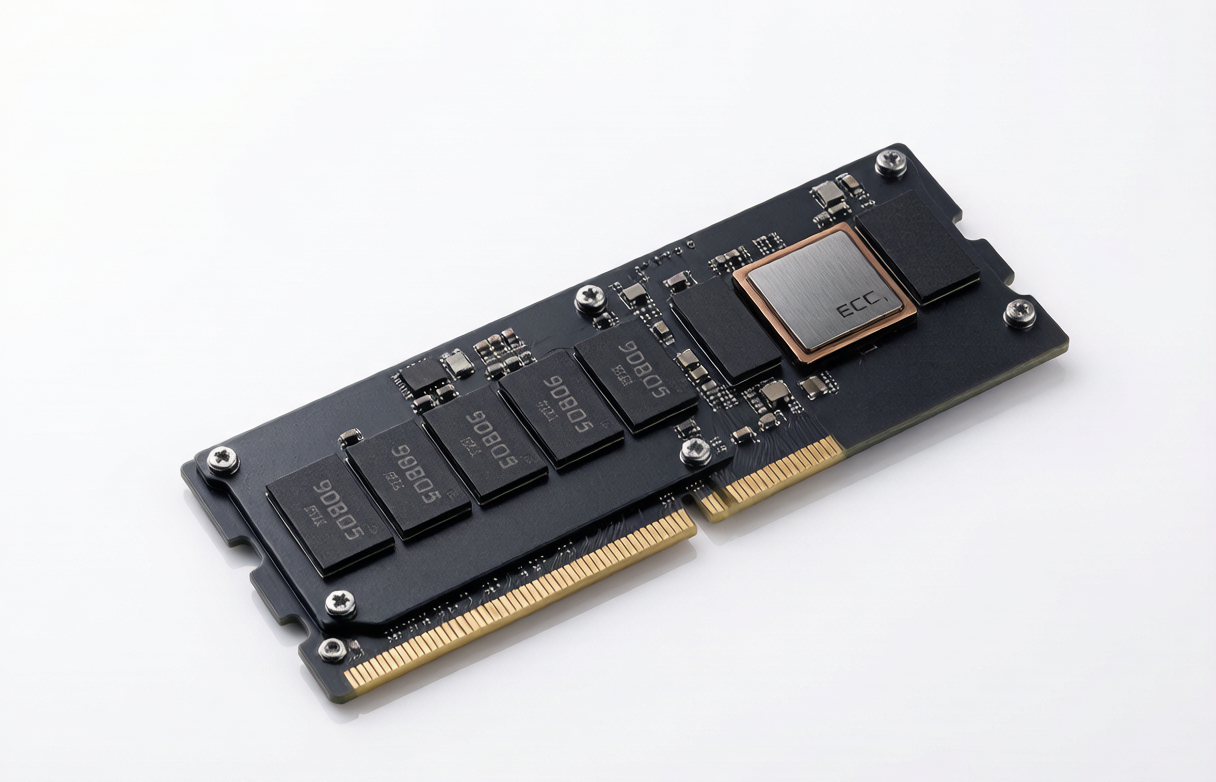
Official Supplement: Three Key Points for Selecting Industrial NVMe Drives
Addressing common selection pitfalls, Stonbel's technical team offers three supplements. First, interface protocol must match actual workload: PCIe Gen3x4 (sequential read 2400 MB/s, write 1950 MB/s) suits lightweight applications like OA and email; Gen4x4 (sequential read 7100 MB/s) targets heavy I/O scenarios such as ERP and development testing. Second, wide temperature and protection are non-negotiable: -40~85°C operating temperature, 1500G shock resistance, and 20G@7-2000Hz vibration resistance form the foundation for 7×24 data center operation, while PLP and end-to-end ECC prevent data corruption from unexpected power loss. Third, expansion cycle correlates strongly with capacity planning: a 256GB to 4TB capacity range allows stepwise expansion aligned with business growth; combined with multi-replica and erasure coding for disaster
Industry Significance: NVMe Expansion Capability Reshapes Cloud Migration Evaluation Models
The rapid expansion capability of industrial NVMe drives in private cloud data centers is reshaping enterprise cloud migration evaluation models. Traditionally viewed as routine data center maintenance, the ICBC case proves that when expansion cycles compress from 3 months to 1 month, IT departments can plan capacity in smaller batches, avoiding capital tie-up from bulk procurement. More profoundly, NVMe's low latency enables near-linear performance scaling of distributed storage with node count—enterprises need not pre-purchase large quantities of high-performance drives but can add nodes incrementally as business grows, reducing overall storage costs by over 30%. Combined with Stonbel's intelligent data tiering—hot data on high-speed NVMe, warm data on SSD, cold data archived to low-cost media—TCO is further optimized. In BYD's smart
Q1: Does expanding industrial NVMe drives in private cloud data centers require downtime?
A: No. Stonbel's industrial NVMe drives support hot-swap and online expansion. Combined with multi-replica mechanisms in distributed storage architectures, business runs with zero interruption during expansion. In ICBC's core data center project, data migration achieved zero interruption with annual storage failure rates below 0.3%. During operation, ensure the drive interface (PCIe Gen3x4 or Gen4x4) matches the server backplane and complete OS compatibility certification in advance. Stonbel provides factory-level data migration services with three standard steps: pre-migration performance baseline collection, real-time verification during migration, and post-migration business validation. The entire process is rollback-capable and monitorable, ensuring data redistribution completes within the expansion window without impacting front-end transactions.
Q2: What advantages do industrial NVMe drives offer over SATA SSDs?
A: NVMe drives use the PCIe bus, achieving sequential reads up to 7100 MB/s, while SATA SSDs are typically limited to under 550 MB/s by bus constraints. For latency, the NVMe protocol is optimized for parallel flash access, reducing random read/write latency by over 60%, making it ideal for low-latency workloads like ERP and databases. SATA SSDs are cheaper and suit standard industrial PCs or cold data storage. In private cloud data centers, we recommend NVMe for core business and SATA for backup and archival to save costs. In a provincial power grid dispatch center project, industrial NVMe drives shortened dispatch fault response from 20 minutes to 4 minutes and improved AI load forecasting accuracy to 96%—millisecond-level responsiveness that SATA cannot match.
Q3: How do you evaluate the reliability metrics of industrial NVMe drives?
A: Focus on four parameters: TBW (Total Bytes Written) reflects lifespan—Stonbel products support up to 5200 TB (TLC) or 24000 TB (SLC); operating temperature range of -40~85°C ensures stability in high-temperature data center environments; Power Loss Protection (PLP) prevents data loss from unexpected power failures; MTBF (Mean Time Between Failures) reaches 2,000,000 hours. Additionally, products supporting NVMe 1.3/1.4/2.0 specifications and onboard RAID deliver superior failure prediction and data self-healing. Stonbel also offers an intelligent O&M platform that monitors SMART, I/O latency, and temperature metrics, providing early failure warnings and automatic data migration, reducing unplanned downtime by over 80%—a capability that helped ICBC maintain annual failure rates within 0.3%.
Industrial NVMe expansion in private cloud data centers is evolving from reactive hardware procurement to proactive business growth capability. Through deployments at ICBC, BYD, and provincial power grids, Stonbel translates PCIe Gen4x4, 7100 MB/s sequential read, -40~85°C wide-temperature, and PLP into measurable outcomes: 67% shorter expansion cycles, 3x performance gains, and 60% lower latency. When planning private cloud infrastructure, enterprises should evaluate NVMe compatibility certification cycles, data migration toolchains, and intelligent O&M capabilities—not just unit price—to align storage with business growth and achieve over 25% TCO reduction.