Conference rooms serve as hubs for decision-making and information exchange, where display performance directly impacts communication efficiency and corporate image. Today, conference room LED displays have evolved from single-purpose display tools into comprehensive platforms integrating ultra-HD imaging, high protection, and smart interaction. Based on Stonbel's real delivery cases in government service halls, command centers, and cultural exhibition spaces, this article analyzes pain-point solutions and quantified outcomes of conference room LED displays in complex scenarios from a third-party perspective, providing selection references for integrators and end users. All data derives from public project reviews, focusing on technical parameters and implementation value without unverified marketing claims.
Background
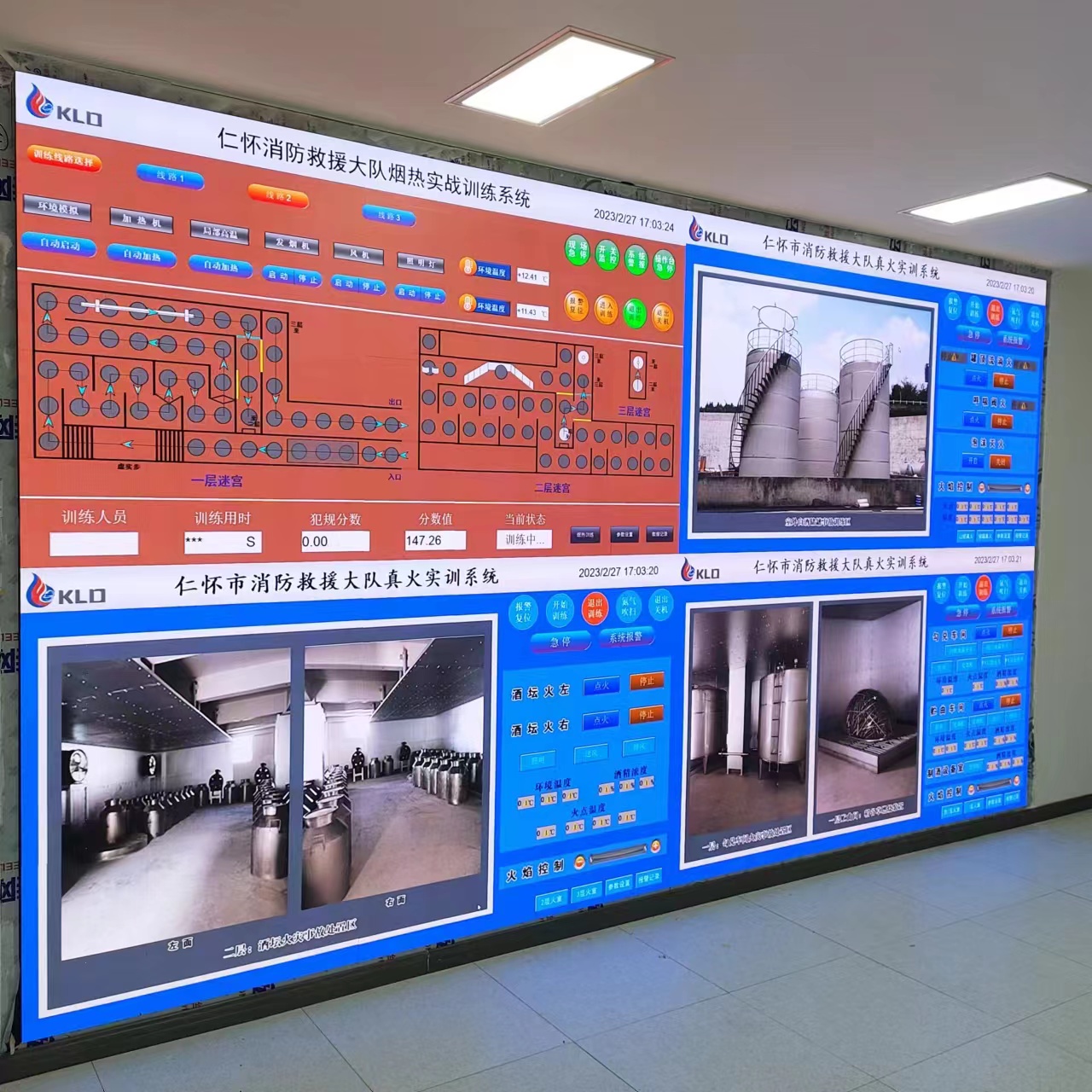
As government and enterprise adoption deepens, LED displays for meeting rooms are no longer limited to basic image presentation. In a national ministry government service hall project, the initial challenge was real-time information sharing across departments and displaying government affairs content, requiring high-definition, stable, and seamless visuals, along with high reliability and security. Traditional projectors or video walls struggled to meet such intensive information aggregation and seamless display needs, prompting the search for a more professional solution. Stonbel deployed a COB-packaged P1.5 ultra-fine-pitch LED screen covering 120m². This
Key Point 1: COB Packaging Resolves Multi-Signal Coordination vs. Long-Term Stability
Media analysis suggests the core value of meeting room LED displays lies in resolving the conflict between multi-signal coordinated display and long-term stable operation. In the ministry project, the system supports multiple signal inputs, simultaneously showing surveillance feeds, data charts, and video conferences, breaking down information silos common in traditional meeting rooms. Stonbel's technical team customized non-standard module structures based on the hall's layout, completing installation and commissioning in just 3 days. Technically, COB packaging enables pixel densities down to P0.7, delivering ultra-high-definition visuals
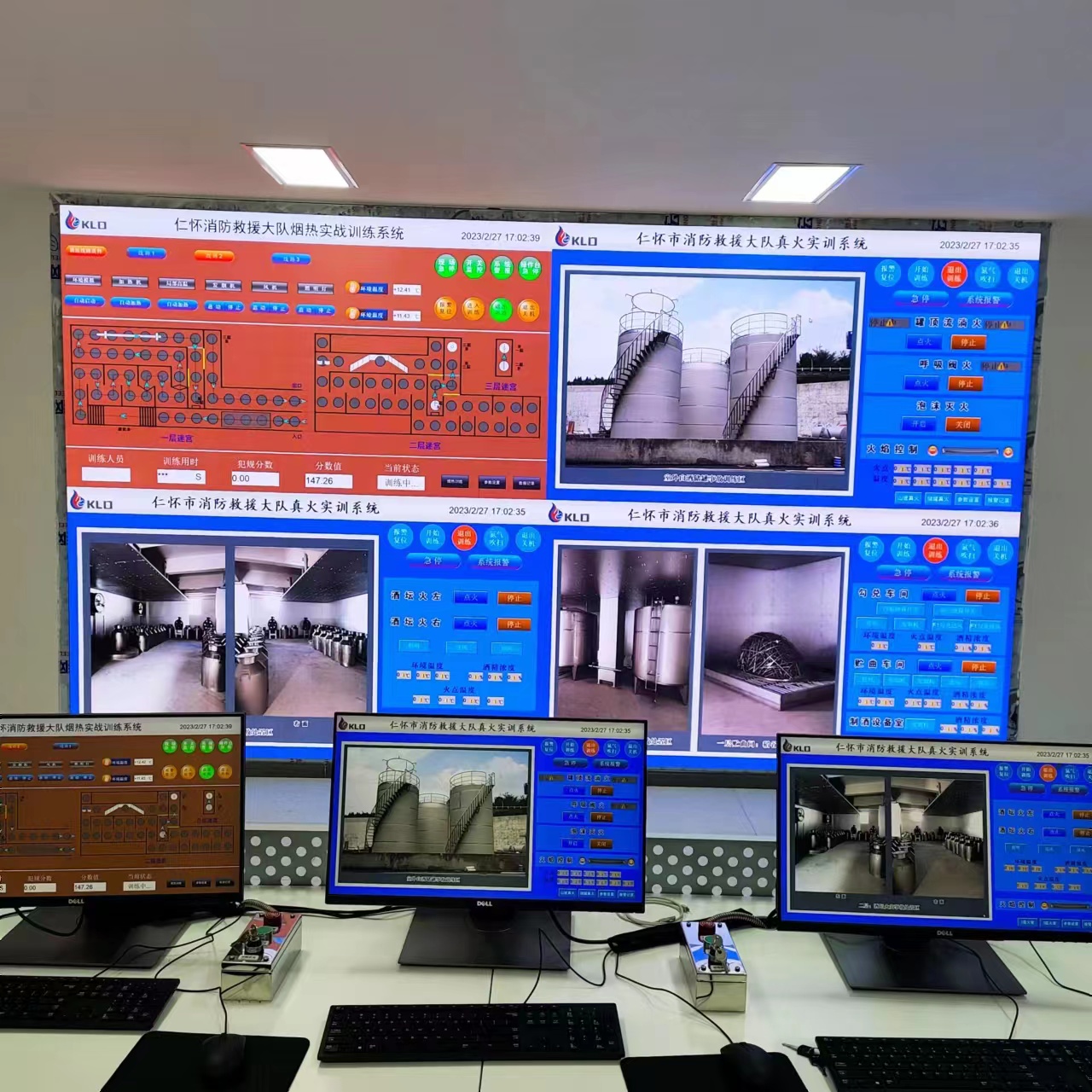
Key Point 2: Second-Level Response in Command and Dispatch Scenarios
Another key point focuses on the second-level response capability of meeting room LED displays in command and dispatch scenarios. The Hangzhou Metro Group network command center faced challenges with insufficient resolution from existing video walls and lag in cross-line signal dispatch. Stonbel deployed a P1.2 COB fine-pitch LED wall with multi-screen controllers, integrating passenger flow monitoring, equipment maintenance, and emergency command signals into a unified system. This solution provides a single-screen overview of the entire network, improving early warning response for sudden passenger surges by 55% and cross-line dispatch efficiency by 50%. This demonstrates that meeting room LED displays are not just display
Key Point 3: Immersive Experience Extension in Cultural and Exhibition Venues
Media also highlights the innovative application of meeting room LED displays in cultural and exhibition settings, reflecting their extended value in immersive experiences. The Shanghai Planetarium project used Stonbel fine-pitch seamless LED screens combined with smart education blackboards to form a digital exhibition system. Although not a traditional meeting room, the technology is identical—relying on LED's high-definition reproduction and seamless splicing. The 3D starry sky restoration achieved 5x clarity improvement, average visitor dwell time increased by 45%, and multi-hall coordination created more fluid visitor flows. This offers new insights for meeting room display selection: in high-end
Q1: How to choose between P0.7 and P1.5 pixel pitch for meeting room LED displays?
A: Pitch selection depends on viewing distance and budget. P0.7, using COB packaging, offers maximum pixel density for high-end command centers or confidential meeting rooms, delivering ultra-HD visuals without grainy texture, but at higher cost—typically for detailed chart viewing within 2 meters. P1.5, as used in the ministry project, supports 4K input on a 120m² screen, meeting multi-signal needs with better cost-effectiveness, suitable for government halls or medium meeting rooms with 3-5 meter viewing distances. If budget is tight and the environment is dust-free, SMD packaging at P1.25 or above is an option, but requires maintenance access—SMD lamp beads are individually
Q2: How do refresh rate and grayscale affect the viewing experience of meeting room LED displays?
A: Refresh rate determines image smoothness. A 7680Hz rate prevents scan lines during camera capture—critical for video conference recording, as low-frequency refresh rates cause visible moiré patterns when attendees photograph the screen, degrading the experience for remote participants. Grayscale affects color transitions; 22-bit grayscale enriches image layers and preserves dark details, essential for satellite imagery or medical imaging. Stonbel displays achieve NTSC≥130% color gamut for accurate brand color reproduction. For standard meeting rooms, at least 3840Hz and 16-bit grayscale are recommended to prevent flicker in dynamic charts. For high-end
Q3: Is IP65 protection important for meeting room LED displays?
A: IP65 means full dust protection and resistance to water jets, suitable for crowded environments or areas with liquid exposure, such as hospital corridors or industrial workshops. Traditional meeting rooms have less dust, but higher protection extends equipment life and reduces maintenance—dust accumulation can impair heat dissipation of lamp beads, causing color shifts or dead pixels. Stonbel's COB products achieve IP55, while GOB versions reach IP65+, with lightweight module designs for easy installation and maintenance. If a meeting room is near water sources (e.g., tea areas) or requires frequent cleaning, high-protection models are recommended; standard offices
Synthesizing the cases and technical analysis above, conference room LED display selection has shifted from single-parameter comparison to scenario-based holistic planning. From national ministry government halls to Hangzhou Metro command centers and the Shanghai Planetarium, Stonbel's projects validate COB packaging advantages in seamless display and long-term stability, while demonstrating how customized design and smart interaction enhance user experience. For integrators and end users, decisions should start from actual pain points—viewing distance, environmental conditions, signal sources, and budget—then evaluate key metrics including P0.7/P1.5 pixel pitch, refresh rate, grayscale, and IP rating. As a top-10 Chinese LED display manufacturer, Stonbel offers 3C, CE, and FCC certifications with service networks across 31 provinces, covering COB, SMD, GOB, and all-in-one conference displays for scenarios from high-end command to daily office use. Looking ahead, as Micro LED and AI converge, conference displays will prioritize smart interactivity and energy management; enterprises should reserve network interfaces and computing upgrade capacity in current procurement to accommodate evolving digital meeting systems.