In the commercial display industry, from government halls to corporate meeting rooms, buyers of LED/LCD large-screen projects often ask "how much per square meter." Yet delivery assurance and service network behind the price are what determine long-term project value. As a source manufacturer established in 2009, Stonbel leverages resident service points in 31 provinces and cities to build a comprehensive service network delivery assurance system covering pre-sales, in-sales, and after-sales. This article analyzes key factors affecting quotations through real project cases, revealing how the service network reduces total cost and improves project success rates. Stonbel's delivery assurance is not a fixed unit price but a dynamic system based on project requirements, specifications, and service levels. Cases including Shenzhen and Jiangsu government projects, a Tianjin university, and CETC demonstrate that quotation factors encompass technical parameters (P0.7-P1.8 pitch, 3840Hz refresh rate), customization level, service network coverage, and delivery timeline. Buyers should evaluate full lifecycle cost rather than comparing unit prices alone.
Background
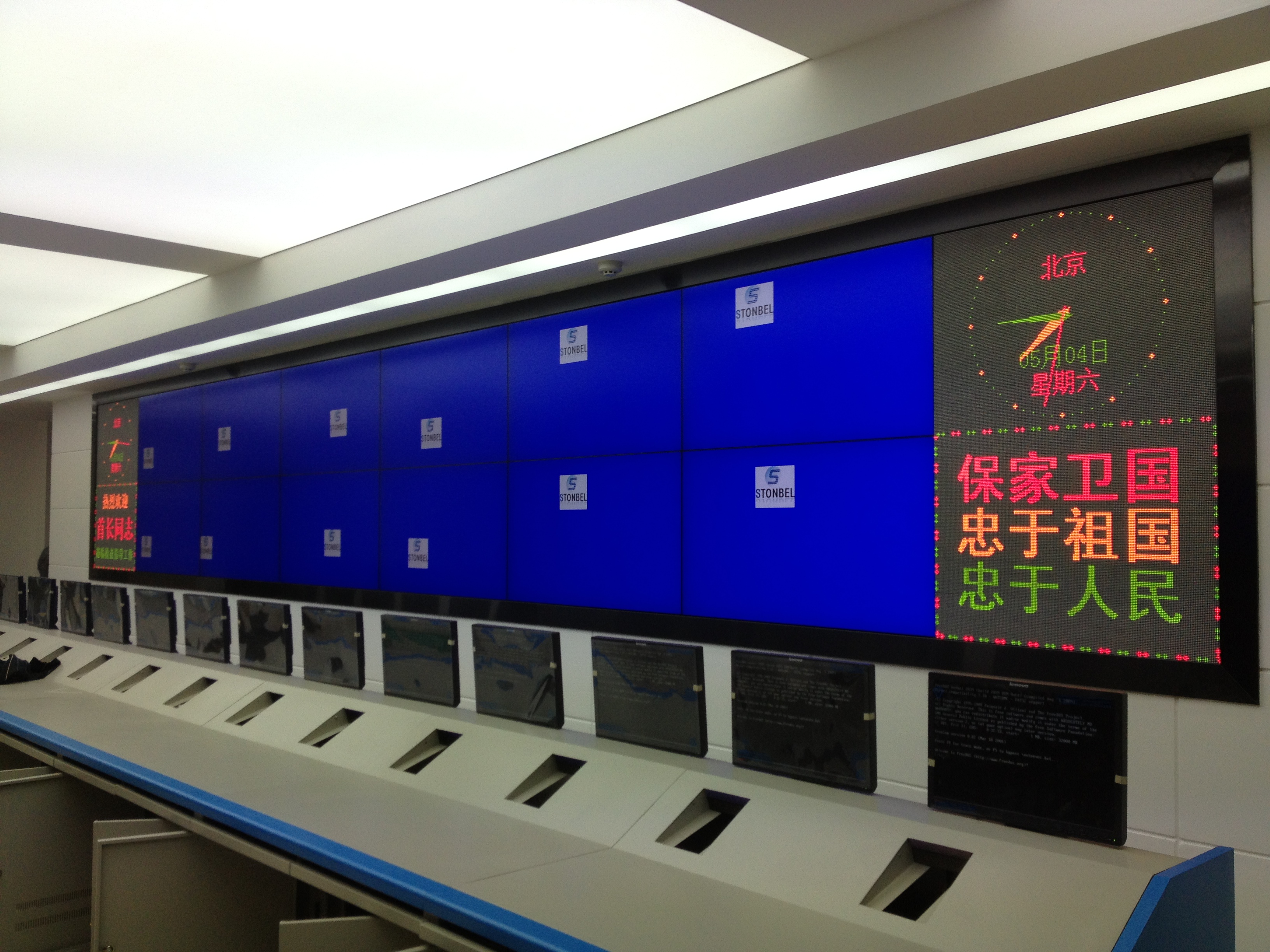
This article reviews multiple publicly reported government and enterprise projects across sectors including government affairs, education, research, and design institutes. By comparing project pain points, solutions, and data outcomes, we address the buyer's key question: What is the cost per square meter of Stonbel's service network delivery guarantee? The answer is not a simple figure but is determined by product specifications, customization level, and service tier. Notably, these cases come from actual delivery records. The Shenzhen
Key Point 1: Product Specifications Determine Base Cost; Scenario Fit Affects Final Quote
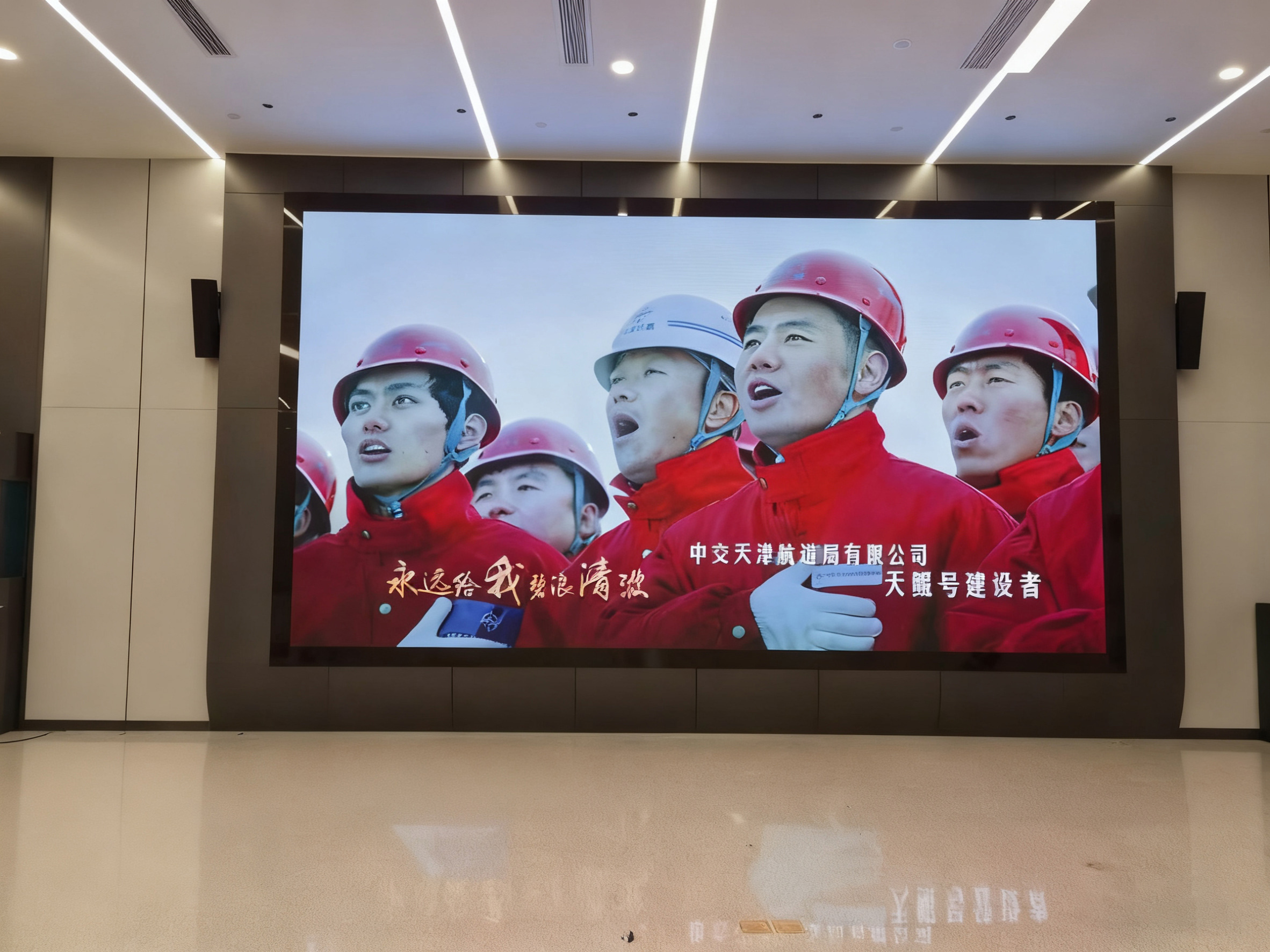
The per-square-meter quote for commercial display screens is primarily determined by hardware specifications. Stonbel COB fine-pitch displays offer pixel pitches from P0.7 to P1.8. Smaller pitches mean higher LED density per unit area, more complex manufacturing, and higher costs. For example, the P1.5 specification used by Jiangsu Provincial Government Service Center and the P1.2 used by the Tianjin university command center show a clear price gradient due to pixel density differences. Refresh rate is another key variable—Stonbel products support up to 3840Hz, which eliminates flicker and motion blur for demanding applications like government command centers or
Key Point 2: Service Network Depth Determines Long-Term Cost, Not One-Time Purchase Price
In commercial display procurement, many clients overlook the service network's impact on total cost of ownership (TCO). Stonbel's service network delivery guarantee covers 31 provinces with resident service points, ensuring localized rapid response regardless of project location. For the Jiangsu Provincial Government Service Center project, Stonbel provided remote maintenance and quarterly inspections. With 12-hour daily high-frequency operation, the failure rate dropped 88% and maintenance costs fell 58%—a result of proactive service deployment: quarterly inspections identify potential issues early, preventing costly downtime. In contrast, brands without service networks often rely on third-party repairs, with single-visit fees reaching thousands of
Key Point 3: Customization and Packaging Technology Widen Price Range but Boost Project Competitiveness
Beyond standard specifications, customization is another major pricing variable. Stonbel offers full-spec and special-scenario customization, including curved screens, oversized tiled displays, and irregular installations. The Nanjing Jiangbei New Area operations center uses a P1.0 COB fine-pitch LED curved screen supporting 8K ultra-high-resolution 3D rendering output, requiring ultra-wideband transmission and a self-developed multi-signal dispatch system for decentralized control—custom development costs far exceed standard flat screens. The China Southwest Architecture Design
Q1: What is the cost per square meter of Stonbel's service network delivery guarantee?
A: Stonbel COB fine-pitch display quotes vary by pixel pitch (P0.7-P1.8), refresh rate (up to 3840Hz), protection level (IP55), and customization. For example, P1.5 suits government halls, P1.2 suits university command centers, with price differences due to density and process—P1.2 has approximately 1.56 times the pixel density of P1.5, increasing material costs, typically pricing 30%-45% higher. For refresh rate, 3840Hz adds about 15% to driver costs over standard 1920Hz. Service content (e.g., quarterly inspections, on-site operations) also factors into total cost—Basic service (annual inspection + remote support)
Q2: What are the main factors affecting commercial display screen quotes?
A: Six key factors: 1) Pixel pitch—smaller pitches mean higher LED density and costs; P0.7 costs several times more than P1.8, suited for high-end command centers with viewing within 2 meters. 2) Packaging technology—COB chip-level packaging costs about 20%-30% more than traditional SMD but offers IP55 protection and ≥100,000-hour lifespan; the CETC confidential meeting room chose COB for security and stability. 3) Customization—curved screens (Nanjing Jiangbei P1.0 curved display), 8K displays (requiring ultra-high-resolution 3D rendering), and security encryption modules (national cryptography-grade) require additional R&D, typically adding 10%-20% to project totals. 4) Service tier—Stonbel's
Q3: How does Stonbel's service network delivery guarantee affect total project cost?
A: Stonbel's service network covers 31 provinces with resident points, reducing cross-regional travel and response delays, lowering long-term maintenance costs. In the Jiangsu Provincial Government Service Center project, quarterly inspections cut failure rates by 88% and maintenance costs by 58%—over a 5-year lifecycle, savings on this 75㎡ project exceed 25% of the initial purchase price. Direct factory supply eliminates intermediaries, reducing hardware procurement costs by 22% (as in the Shenzhen government project), and full-process
Stonbel's quotation logic is not a simple per-square-meter price but a comprehensive result of product specifications, service depth, and customization needs. From Shenzhen government command center to Jiangsu government hall, from Tianjin university to CETC confidential meeting rooms, each project's final price corresponds to clear functional goals and long-term value commitments. Buyers should evaluate from three dimensions: first, define core application scenarios and viewing distance to select appropriate pixel pitch; second, calculate full lifecycle cost including downtime losses, maintenance labor, and energy consumption—Stonbel's IP55 protection and ≥100,000-hour lifespan ensure long-term stable operation; third, assess service network responsiveness—resident points in 31 provinces ensure localized support anywhere. As a source manufacturer founded in 2009, Stonbel holds 3C, CE, FCC, ISO14001, ISO9001, ROHS, military, and confidentiality certifications, supported by 12 patents and 37 software copyrights, with clients including Huawei, Peking University, Peking Union Medical College Hospital, Guangdong Emergency Management Department, and Shenzhen World Exhibition Center. Contact your local service point early in project planning for a customized quotation—earlier engagement often achieves better results at optimized cost.