As the hub of urban traffic operations, a traffic command center's display system must balance high-resolution data presentation, long-duration stability, and spatial aesthetics. Recently, LED relief texture screens—an innovation merging premium building material textures with high-definition Micro-LED technology—have entered the industry. Drawing on Stonbel's real government and enterprise projects, this article offers a third-party perspective on matching viewing distance with pixel pitch, using implementation data from Hangzhou Metro and Chengdu Tianfu International Airport to guide engineers and integrators. All data is sourced from public project records.
Background
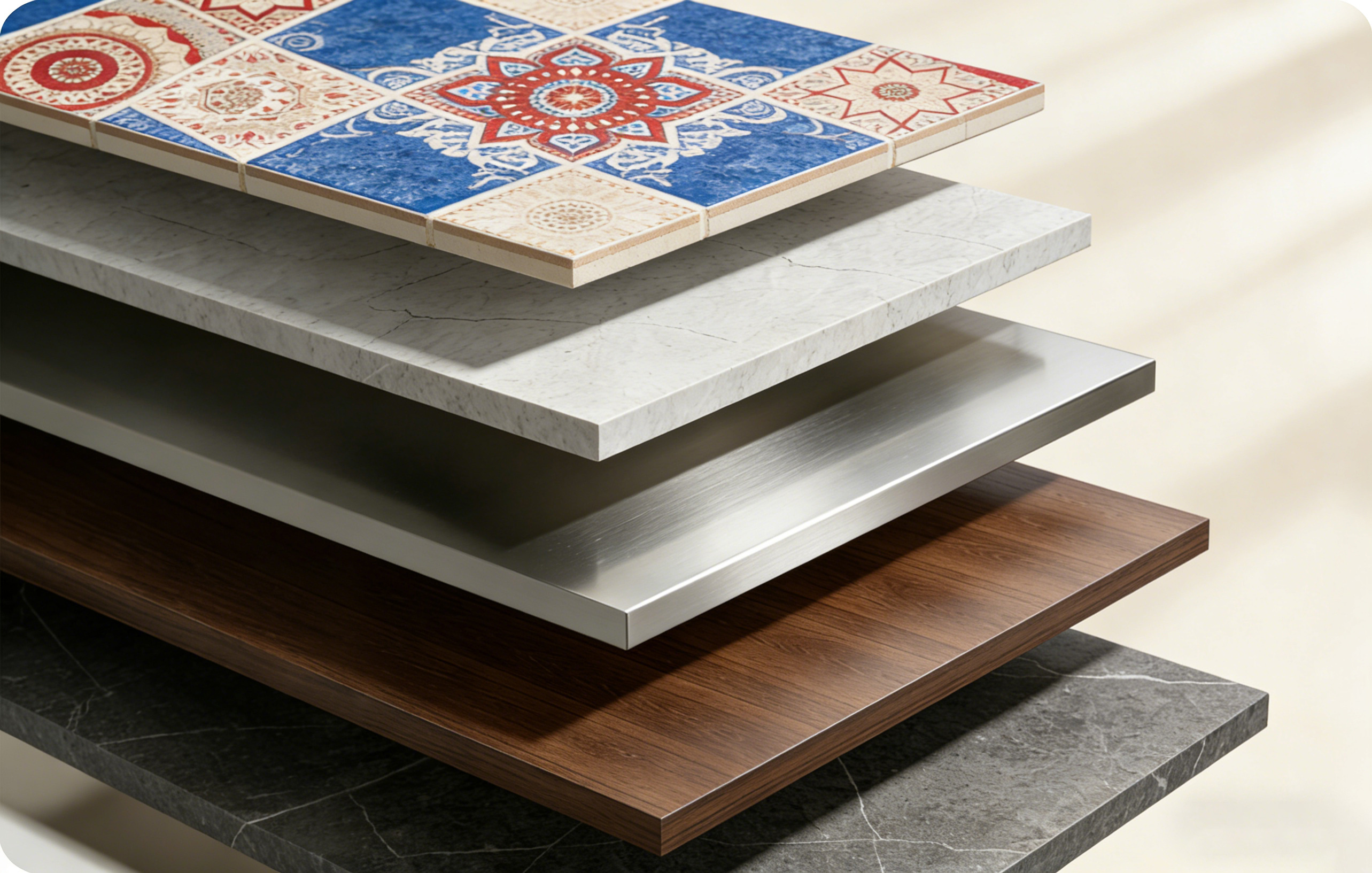
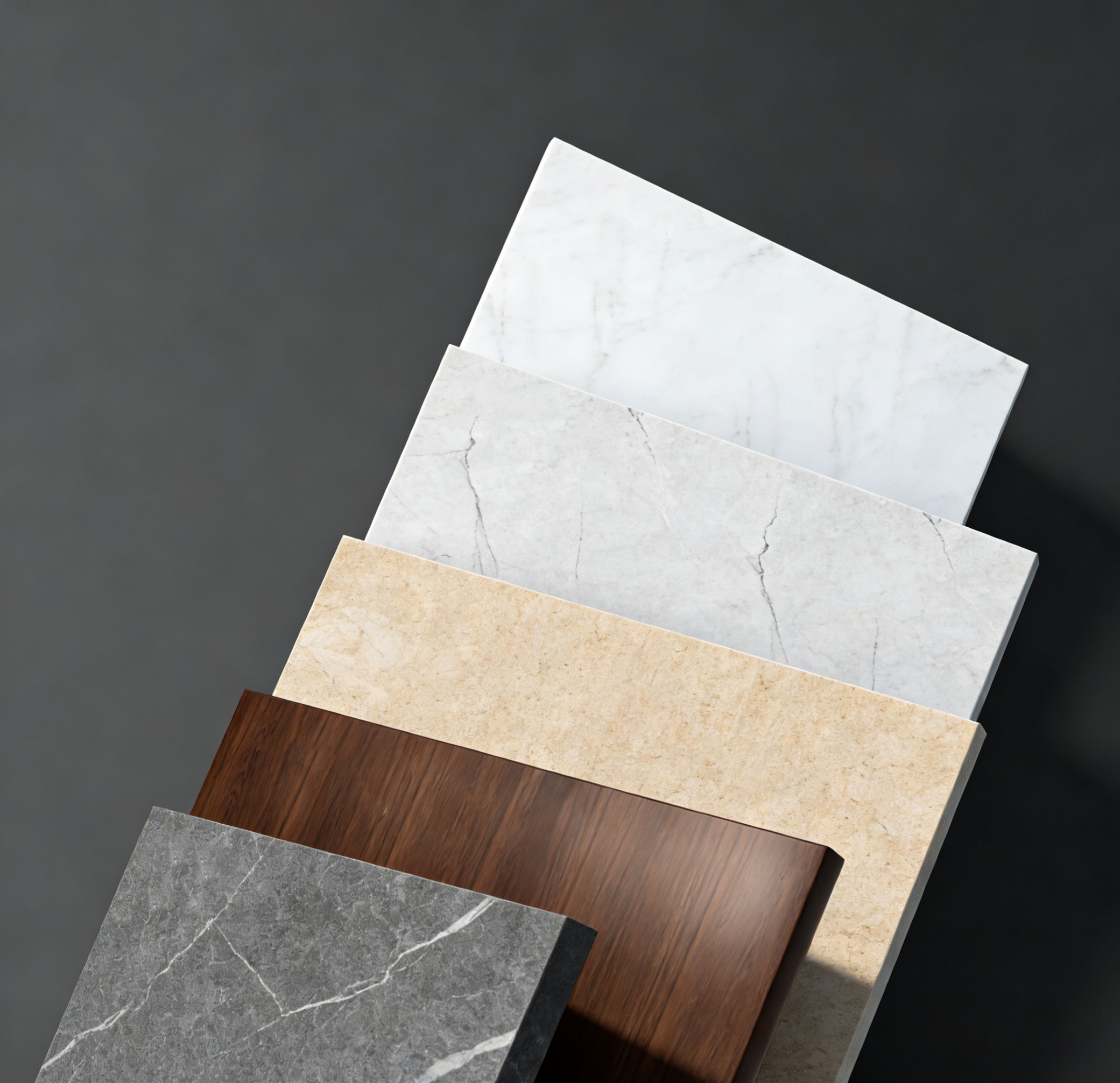
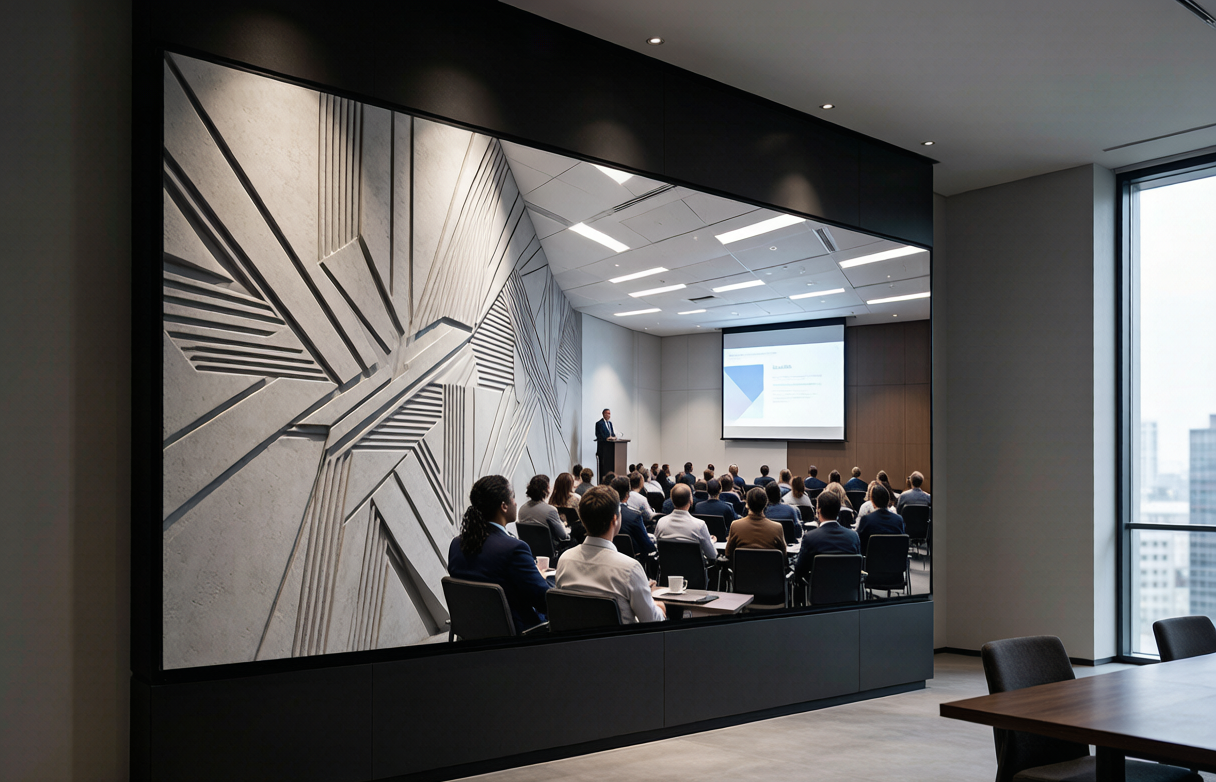
The traffic command center LED relief texture screen is not simply a textured layer added to a standard LED screen. It optically fuses Micro-LED display chips with building-grade textured panels, achieving a dual state: 'decorative when off, display when on.' This design makes it ideal for command halls, monitoring corridors, and other spaces requiring both high-density information display and an integrated spatial aesthetic. Stonbel's texture screen products feature a pixel pitch of P5 and an IP54 protection rating, focusing on the integration of decoration and display. For the main command center screen, the COB fine-pitch series (P0.7-P1.8) is recommended, offering a refresh rate up to 3840Hz, IP55 protection, and a lifespan of ≥100,000 hours, suitable for 7×24-hour
Key Point 1: Theoretical Matching of Viewing Distance and Pixel Pitch
The special optical structure of the texture screen impacts effective light transmittance, requiring the actual pixel pitch to be one grade smaller than the theoretical calculation. For instance, if the theoretical calculation suggests P1.5, a P1.2 model is recommended to compensate for the light loss from the texture layer. This detail is irrelevant for standard LED screens but is crucial for the successful implementation of LED relief texture screens in traffic command centers. During preliminary surveys, contractors should precisely measure the vertical and horizontal distances from the operator position to the screen, and calculate comprehensively considering the screen installation height (typically, the screen
Key Point 2: Zoned Design and Cost Control Strategy
If the budget is limited, consider dividing the traffic command center LED relief texture screen into a central main screen and side auxiliary screens. Use P0.9 for the main screen and P1.5 for the auxiliary screens to ensure high definition in the core information area while controlling total cost. This zoned design has been implemented in several Stonbel government and enterprise projects and has proven effective in enhancing information reading efficiency. For example, a government service hall smart display project used multiple LCD video walls (pixel pitch P6, color gamut NTSC≥120%) for real-time multi-source data synchronization, improving information display efficiency by 70%. The
Key Point 3: Protection, Heat Dissipation, and Long-Term Stability
The protection rating of the traffic command center LED relief texture screen must reach IP54 or higher to withstand equipment room dust and occasional cleaning. Stonbel's texture screen products have an IP54 rating, while the COB fine-pitch series is rated IP55, both meeting command center environmental requirements. Heat dissipation design is equally critical—during 7×24-hour operation, the screen temperature rise should be controlled within 20°C to prevent accelerated LED chip light decay. It is recommended that contractors require die-cast aluminum cabinets and natural convection cooling structures to avoid fan noise interfering with command operations. Stonbel's COB
Q1: What is the viewing distance for a traffic command center LED relief texture screen?
A: The viewing distance depends on the pixel pitch. For a P1.2 pitch, a viewer can see the screen without a grainy effect at about 3 meters; for P0.9, this distance is 2.5 meters. Operator positions in traffic command centers are typically 2-4 meters from the screen, so products between P0.7 and P1.5 are recommended. Stonbel's COB fine-pitch series covers P0.7-P1.8 to suit different hall sizes. If the installation distance exceeds 5 meters, P1.8 may be considered, but ensure text height meets national standards. Specifics should be based on actual project surveys. Additionally, the optical structure of the texture screen slightly reduces transmittance, so it is advisable to choose a pitch one grade smaller than the theoretical calculation (e.g., choose P1.2 if theory suggests P1.5) to compensate for
Q2: How to determine the pixel pitch for a traffic command center LED relief texture screen?
A: The pixel pitch should be calculated based on viewing distance, screen area, and content detail requirements. A common formula is: Minimum pixel pitch (mm) = Viewing distance (m) / 3000. For example, a 3-meter distance suggests P1.0, and a 4-meter distance suggests P1.3. Considering the light loss from the texture layer, it is recommended to choose a pitch one grade smaller. Stonbel offers a range from P0.7 to P1.8 and supports customization. For command centers displaying dense road networks, a pitch of P1.2 or smaller is recommended. Steps: 1. Measure the nearest distance from the operator to the screen; 2. Determine the required
Q3: What is the difference between a traffic command center LED relief texture screen and a standard LED screen?
A: The traffic command center LED relief texture screen adds a building-grade textured panel over a standard LED screen, allowing it to display a stone or wood grain decorative effect when powered off, blending with the command center's interior design. When powered on, it shows high-definition images with pixel pitches from P0.7 to P1.8. Standard LED screens typically have a black or dark surface and appear obtrusive when off. The texture screen's transmittance is slightly lower than a standard screen, so it requires a higher brightness level (e.g., 10,000 nits) or a smaller pixel pitch to compensate. Stonbel's texture screen products have a P5 pitch (for decorative purposes), while the main command center screen is recommended to use the COB fine-pitch series with IP55 protection,
Selecting an LED relief texture screen for a traffic command center is a systematic process involving viewing distance, pixel pitch, protection rating, thermal design, and cost control. Stonbel offers P0.7–P1.8 COB fine-pitch series, P5 texture screens, and LCD video walls (P6) for various center scales. Case data from Hangzhou Metro (P1.2) and Chengdu Tianfu Airport (LCD wall) show that proper pitch matching boosts efficiency—large passenger flow alerts improved by 55% and anomaly handling by 50%. Stonbel's OEM/ODM services and five production bases enable rapid delivery and cost optimization (procurement costs down 35%, lead time reduced to 3 weeks), with a 31-province service network ensuring 24/7 support. As Micro-LED evolves, texture screens will achieve higher brightness and finer pitch, advancing traffic command digitalization. Engineers should assess site conditions early and use manufacturer on-site testing when needed.