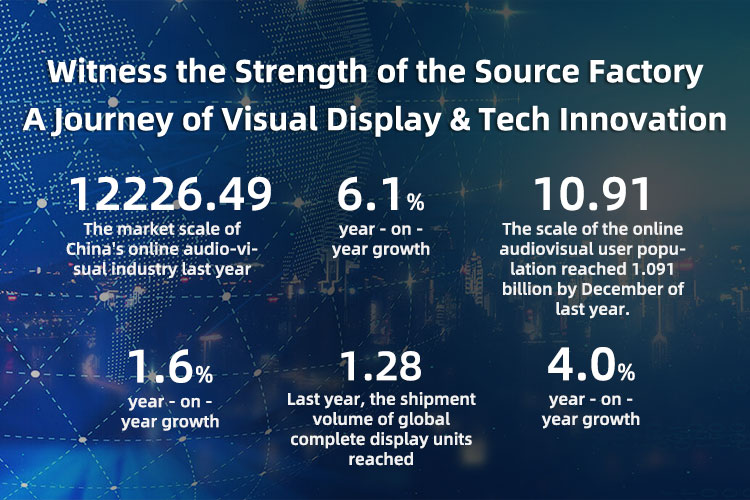
In government and enterprise conference room upgrades, ultra-HD LED video walls have become the core of information display, but most overlook the bottleneck of data storage and transmission behind them. When multiple 4K signals are displayed in real time, recording systems store simultaneously, and video conferences are frequently accessed, the latency and bandwidth shortcomings of traditional SATA drives are fully exposed. Based on Stonbel's real cases serving a provincial intelligent computing center and a new energy vehicle factory, this article reviews how to pair industrial NVMe drives with LED video walls to ensure smooth large-screen display and meet the stringent demands of 7×24-hour uninterrupted operation, offering actionable technical references for system integrators and end users.
Case Background
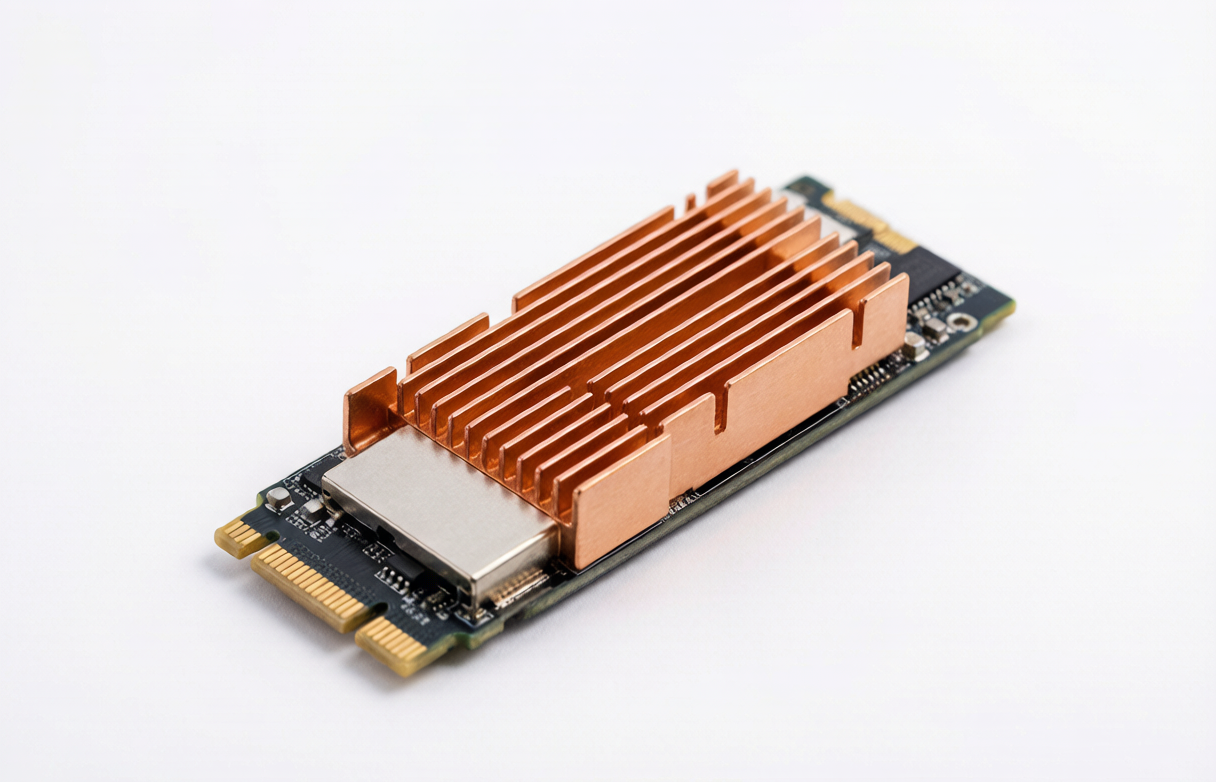
A provincial government conference center upgrading its LED video wall faced a composite load: simultaneous playback of multiple 4K sources, real-time recording, and concurrent remote video conferencing. The original SATA SSD storage delivered only ~500MB/s sequential reads, causing visible stutter and tearing during multi-stream high-bitrate access. Critically, the hall was not a temperature-controlled server room—air conditioning shut down between sessions, pushing equipment bay temperatures above 40°C in summer, with unstable mains power. Consumer drives fail frequently under such conditions, while industrial NVMe SSDs operate across -40°C to 85°C and feature power-loss protection (PLP) and end-to-end ECC, preventing data
Implementation Details
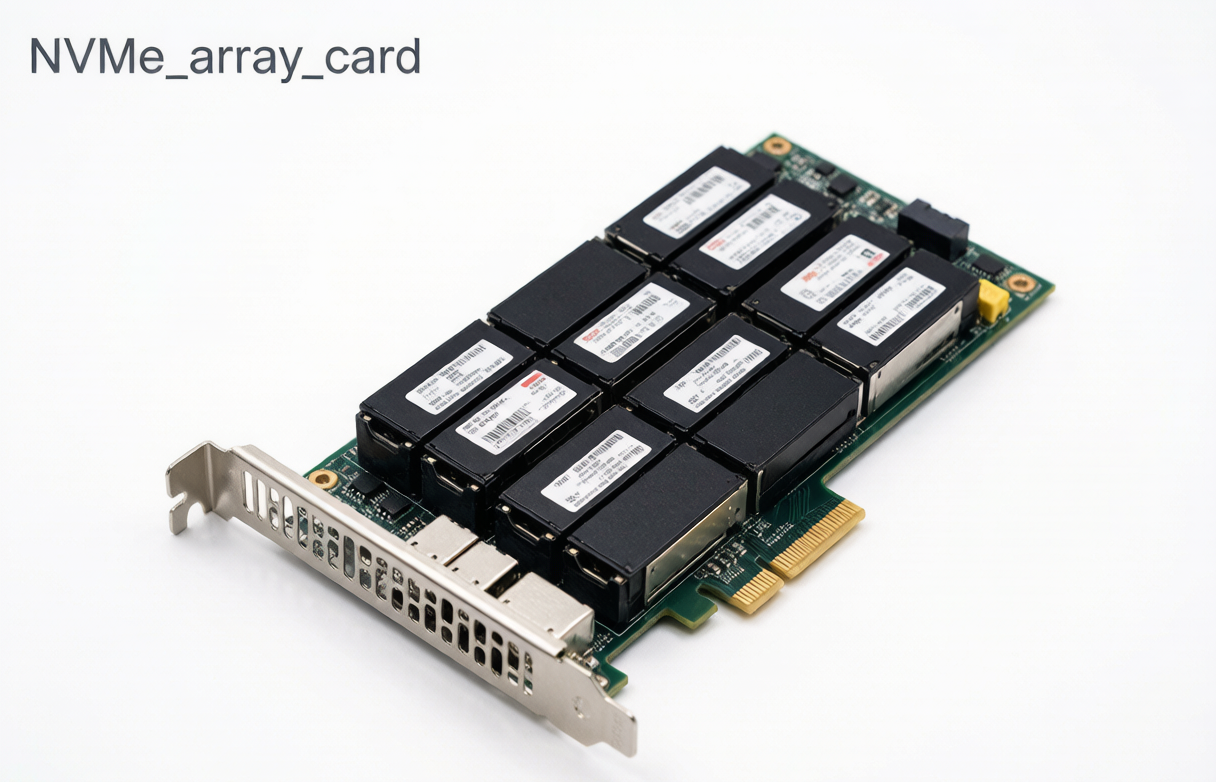
During compatibility validation, Stonbel tested the industrial NVMe SSD with mainstream LED sending cards and video processors, confirming NVMe 1.3/1.4 compliance and stable operation under the Kylin OS—meeting domestic compliance requirements for government clients. An intelligent O&M module was deployed to monitor SMART data and temperature, providing early fault alerts. The conference hall achieved seamless integration between the LED video wall and storage; operators manage playback and storage through a unified interface without special training. Deployment time was ~30% shorter than traditional approaches, thanks to the standard M.2 form
Technical Highlights
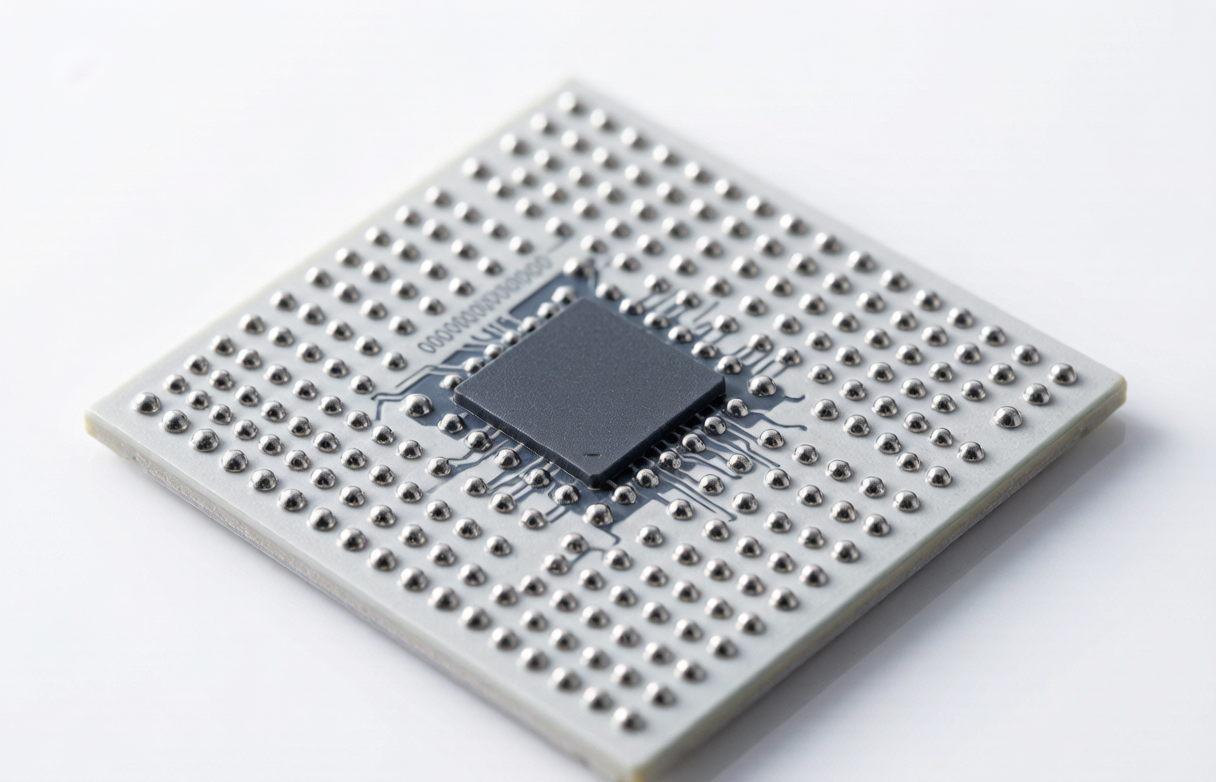
The core highlight is the co-optimization of industrial NVMe storage with the LED video wall. Stonbel's industrial NVMe SSDs support PCIe Gen3x4 or Gen4x4 interfaces, with sequential reads up to 7100MB/s (Gen4) and microsecond-level latency—far exceeding SATA SSD's 500MB/s. The deployment used a tiered storage strategy: a hot tier of industrial NVMe SSDs (256GB-4TB) for active 4K videos and high-res images, ensuring low-latency reads; a warm tier of SATA SSDs for frequently used libraries; and a cold tier of large HDDs or archival media for historical records. This design meets real-time bandwidth needs while controlling costs—Stonbel's intelligent data tiering cuts storage expenses by over 30%. Reliability features include PLP for data
Outcome & Insights
Post-deployment, the LED video wall plays multiple 4K streams smoothly with no tearing; recording and video conferencing run in parallel without interference, and overall O&M costs dropped significantly. The industrial NVMe SSD's 2-million-hour MTBF, -40°C to 85°C operating range, 1500G shock resistance, and 20G@7-2000Hz vibration tolerance fully handle the non-climate-controlled meeting room. Stonbel provides direct factory supply and resident service points across 31 provinces for 7×24 response. This case highlights the universal need for industrial-grade storage: even in seemingly light-load conference scenarios, long runtime, temperature swings, and sudden power cuts
Q1: What is the difference between an industrial NVMe SSD for conference rooms and a regular SSD?
A: An industrial conference-room NVMe SSD uses the PCIe bus and NVMe protocol, achieving sequential read speeds of 2400MB/s (Gen3) or even 7100MB/s (Gen4)—far above the ~500MB/s of SATA SSDs. It also supports -40°C to 85°C wide-temperature operation, power-loss protection (PLP), and end-to-end ECC, with 1500G shock and 20G@7-2000Hz vibration resistance, designed for 7×24 continuous duty. Regular SSDs are prone to data corruption under temperature fluctuations or power cuts in meeting rooms, whereas industrial NVMe SSDs ensure stable, smooth LED video wall playback with lower failure rates. Additionally, industrial NVMe SSDs offer higher endurance (up to 5200TBW), ideal for frequent recording workloads.
Q2: How do you balance storage capacity and performance in an LED video wall solution?
A: A tiered storage strategy is recommended: a hot tier of industrial NVMe SSDs (256GB-4TB) for active 4K videos and high-res images, ensuring low-latency reads; a warm tier of SATA SSDs for frequently used libraries; and a cold tier of large HDDs or archival media for historical records. This meets real-time display bandwidth needs while controlling costs. Stonbel's intelligent data tiering reduces storage costs by over 30% while preserving hot-tier performance. For example, a typical hall storing 100 hours of 4K video (~50GB/hour) needs ~5TB total; ~1TB of hot data can reside on NVMe, with the remaining 4TB on SATA or HDD—economical and efficient.
Q3: Are industrial conference-room NVMe SSDs compatible with mainstream LED playback control systems?
A: Yes. Industrial conference-room NVMe SSDs use standard M.2 2280/2242 form factors, comply with NVMe 1.3/1.4/2.0, and support PCIe Gen3x4 or Gen4x4 interfaces, making them compatible with virtually all LED playback servers and video processors. Stonbel has completed adaptation testing with the Kylin OS and domestic CPUs (e.g., Kunpeng, Phytium) to ensure stable operation in domestic-compliance environments. We recommend compatibility validation before deployment; Stonbel provides factory-level technical support to expedite hardware selection and system integration, shortening project timelines. For instance, in a provincial smart computing center project, Stonbel completed CANN framework adaptation, ensuring seamless storage-AI compute synergy.
Pairing industrial NVMe drives with LED video walls in conference rooms is not merely a hardware upgrade but a strategic investment in meeting experience and data security. Stonbel's real cases demonstrate that industrial-grade NVMe storage effectively resolves bandwidth bottlenecks in multi-channel ultra-HD display while resisting temperature fluctuations and power failure risks in conference rooms. For system integrators, grasping this technical trend not only creates smoother meeting experiences for clients but also builds professional credibility in the competitive commercial display market. In the future, with the proliferation of 8K displays and remote collaboration, the role of industrial NVMe drives in conference rooms will become increasingly critical. Stonbel will continue to provide highly reliable integrated storage and display services, empowering government and enterprise clients to achieve efficient communication.