With the advancement of smart campus construction, LED displays have become the core medium for information release, teaching presentation, and campus culture. From stadium bleachers to teaching building lobbies, from lecture halls to school history museums, a stable, high-definition, and durable display not only enhances campus image but also directly affects daily teaching and event efficiency. However, facing diverse packaging technologies, specifications, and supplier qualifications in the market, procurement bidders often struggle. Based on real project cases, this article analyzes key decision points in campus LED display bidding from a third-party perspective, outlining a complete checklist from technical parameters to corporate qualifications to help buyers avoid risks and achieve cost-effective procurement.
Background
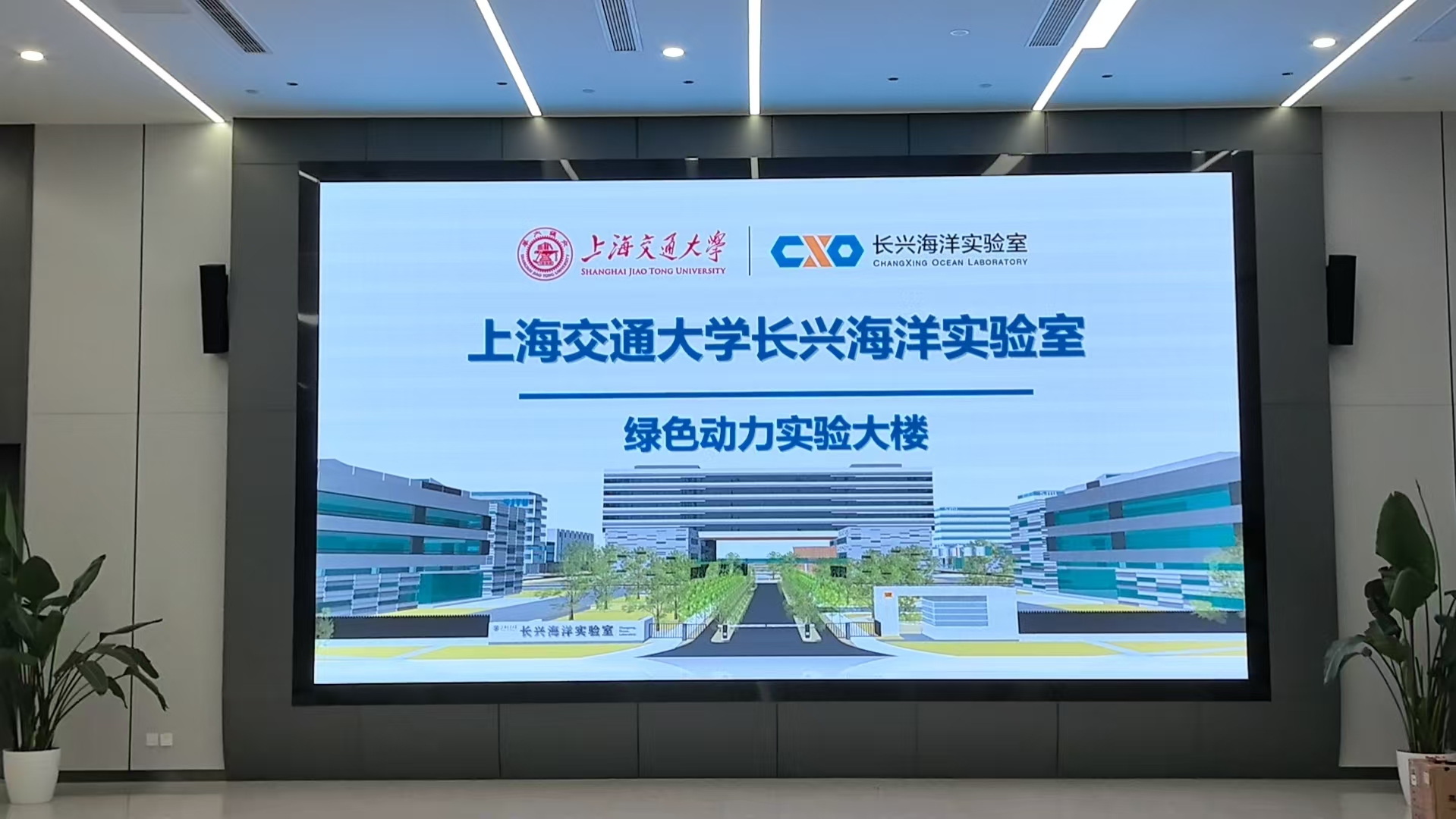
Driven by the Education Informatization 2.0 initiative, schools and universities nationwide are prioritizing display terminals in infrastructure upgrades. Campus LED displays, with their high brightness, seamless splicing, and long lifespan, are replacing traditional projectors and LCD video walls as the preferred choice for playgrounds, auditoriums, and hallways. However, the complexity of the bidding process is increasing. Different packaging technologies correspond to varying costs and protection levels; refresh rate and grayscale determine viewing comfort; and supplier qualifications and after-sales service directly impact long-term maintenance. Industry observations show that many campus projects suffer from screen flickering and dead pixels after acceptance due to vague parameter definitions, while others ignore protection ratings, causing outdoor screens to be damaged by moisture during rainy seasons. As a top-10 Chinese LED display manufacturer, Stonbel's
Key Point 1
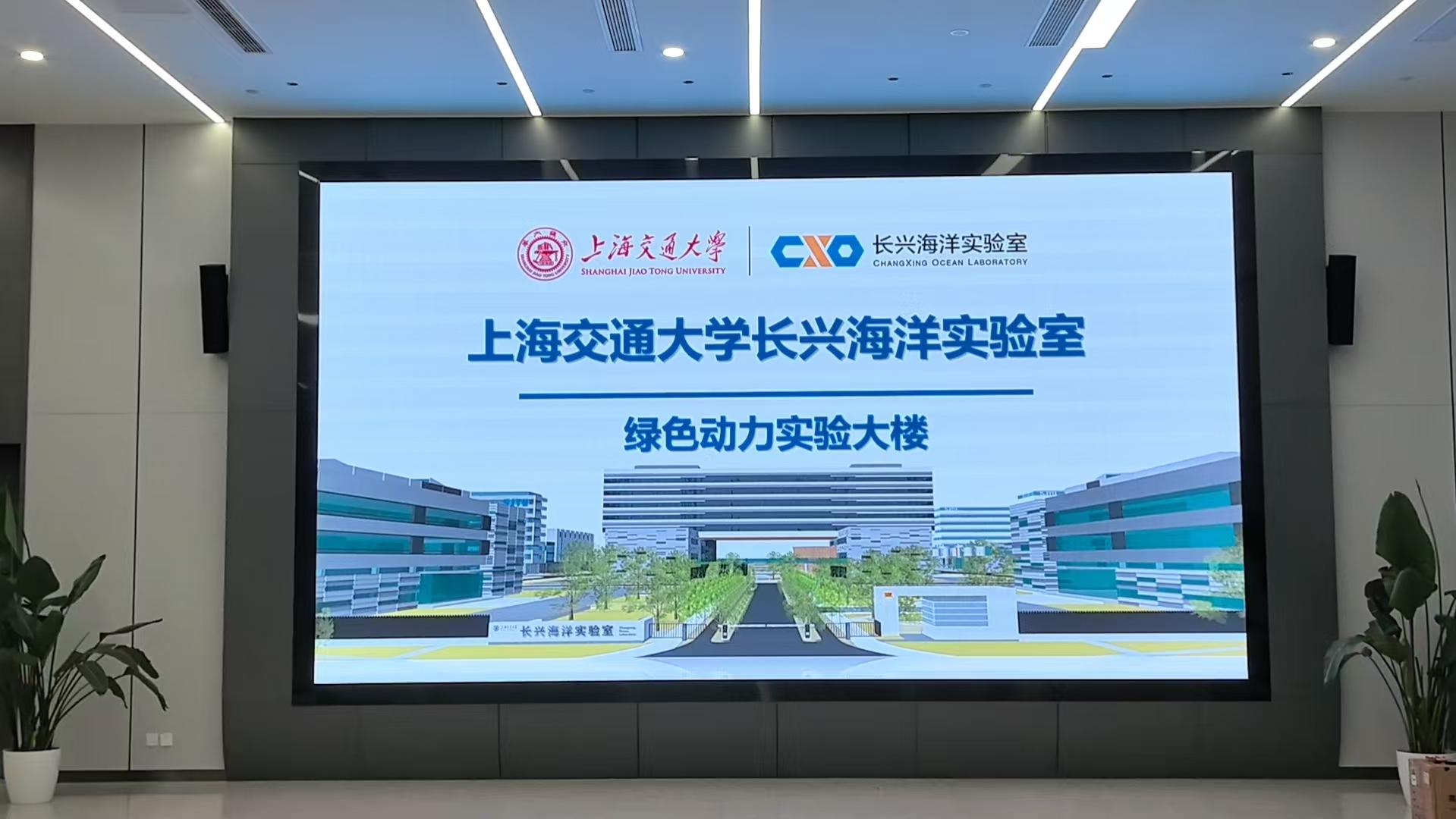
Campus LED display procurement should first match the application scenario with packaging technology, rather than blindly pursuing ultra-fine pixel pitch. For close-viewing areas like building lobbies or school history museums, COB packaging is recommended. Its chips are directly bonded to the PCB without individual lamp beads, enabling ultra-fine pitches like P0.7 for smooth, grain-free images, along with high protection against dust and accidental impact. For stadium stands or outdoor bulletin boards, SMD or GOB packaging is more suitable. SMD is a mature, cost-effective process, with outdoor models offering brightness up to 8,000 cd/m² for clear visibility in direct sunlight. GOB encapsulates SMD lamps with transparent resin, achieving IP65 protection against dust and impact, ideal for crowded campus environments. For example, a university lecture hall initially planned for P1.5 fine-pitch displays. A site survey revealed viewing distances of over 5 meters, where P2.5 sufficed. The final choice of
Key Point 2
Refresh rate and grayscale are critical yet often overlooked specifications in campus display tenders, directly impacting visual comfort for daily teaching and events. Below 1920Hz, cameras capture visible scan lines, affecting recorded lectures and live streams. Insufficient grayscale leads to loss of detail in dark areas, compromising images in subjects like astronomy or medicine. Stonbel's campus displays offer refresh rates up to 7680Hz, 22-bit grayscale, and NTSC≥130% color gamut, ensuring smooth motion and true-to-life colors. For instance, a high school planetarium needed to display high-precision star simulations where projectors failed to render deep black levels. Switching to COB fine-pitch displays with 22-bit grayscale provided natural transitions in nebula dark areas, significantly enhancing the student experience. Tender documents should specify a baseline of "refresh rate ≥3840Hz, grayscale ≥16bit," with higher requirements of 7680Hz and 22-bit for recording studios or broadcast rooms. Additionally, ensure the color gamut meets NTSC 130% or above, which is essential for art classrooms and design labs requiring rich, accurate colors.
Key Point 3
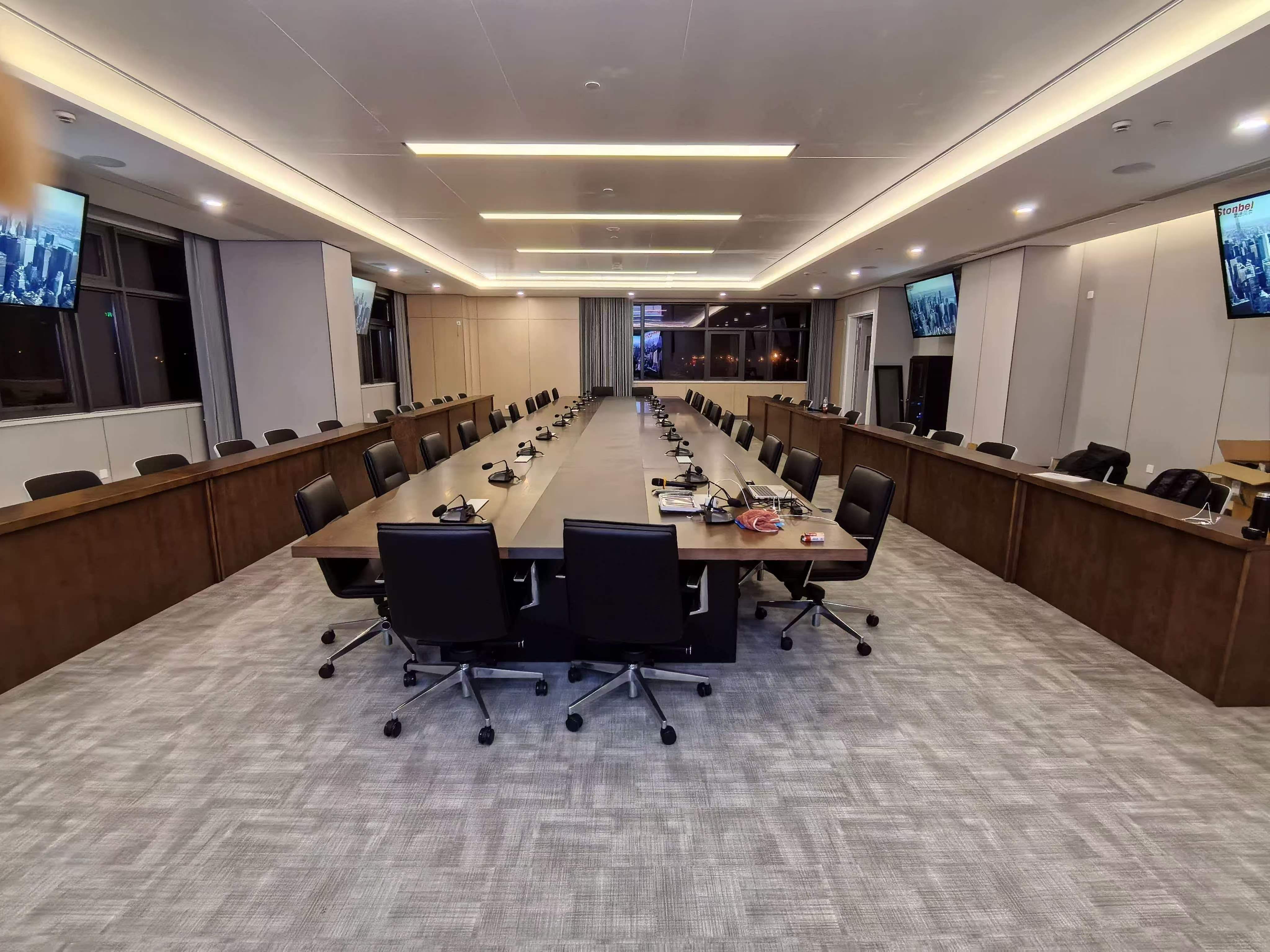
Qualification review is the most easily overlooked yet critical step in campus display procurement, directly affecting project safety and long-term maintenance. Beyond standard 3C, CE, FCC, and ROHS certifications, campus projects should verify suppliers hold ISO9001 (Quality Management) and ISO14001 (Environmental Management) certifications, ensuring product consistency and environmental compliance. For secure areas like examination command centers, suppliers must possess confidential or military-grade qualifications. Service network is equally vital—Stonbel maintains service points across 31 provinces, promising 2-hour response and on-site arrival within 48 hours. In a university examination monitoring project, the tender required confidential information system integration qualifications and proof of similar campus projects in the past three years. Stonbel met all requirements, and its P1.2 COB fine-pitch displays supported 7×24
Q1: How to choose the pixel pitch for a campus LED display?
A: Pixel pitch determines clarity and viewing distance. For close viewing (within 3 meters) in classrooms or hallways, P1.2-P2.5 is recommended. For stadium stands or outdoor screens (viewing distance over 10 meters), P4-P6 suffices. Stonbel offers a full range from P0.7 to P10. Campus projects can determine the optimal pitch using 3D modeling and simulation based on actual installation height and viewing distance, avoiding budget waste from over-specification.
Q2: What certifications are required for campus LED displays?
A: Basic certifications include 3C, CE, FCC, and ROHS for electrical safety and environmental compliance. ISO9001 for quality management and ISO14001 for environmental management are also necessary. For examination command centers or confidential areas, suppliers must hold military or confidential qualifications. Stonbel's full product line meets these certifications and holds multiple industry qualifications, providing a complete documentation package for tender review.
Q3: How to ensure waterproof and dustproof performance for outdoor campus LED displays?
A: Outdoor screens must achieve IP65 protection, being fully dust-tight and resistant to water jets. Stonbel's GOB packaging encapsulates SMD lamps with transparent resin, achieving IP65+ with impact and moisture resistance, suitable for all weather conditions. Tender documents should require third-party IP65 test reports and specify free repair for water damage during the warranty period.
Campus LED display procurement is not merely parameter stacking but a balance of scenario needs, technology selection, and supplier capability. Clear viewing distance and environmental data precisely define pixel pitch and packaging; refresh rate and grayscale ensure teaching quality; strict qualification and service network checks secure long-term stability. Stonbel, as a source manufacturer, offers full product lines from P0.7 COB to P10 GOB with localized service across 31 provinces, helping campuses obtain reliable display solutions within budget. Bidders should establish a comprehensive evaluation system covering technical, commercial, and after-sales aspects for a successful smart campus upgrade.