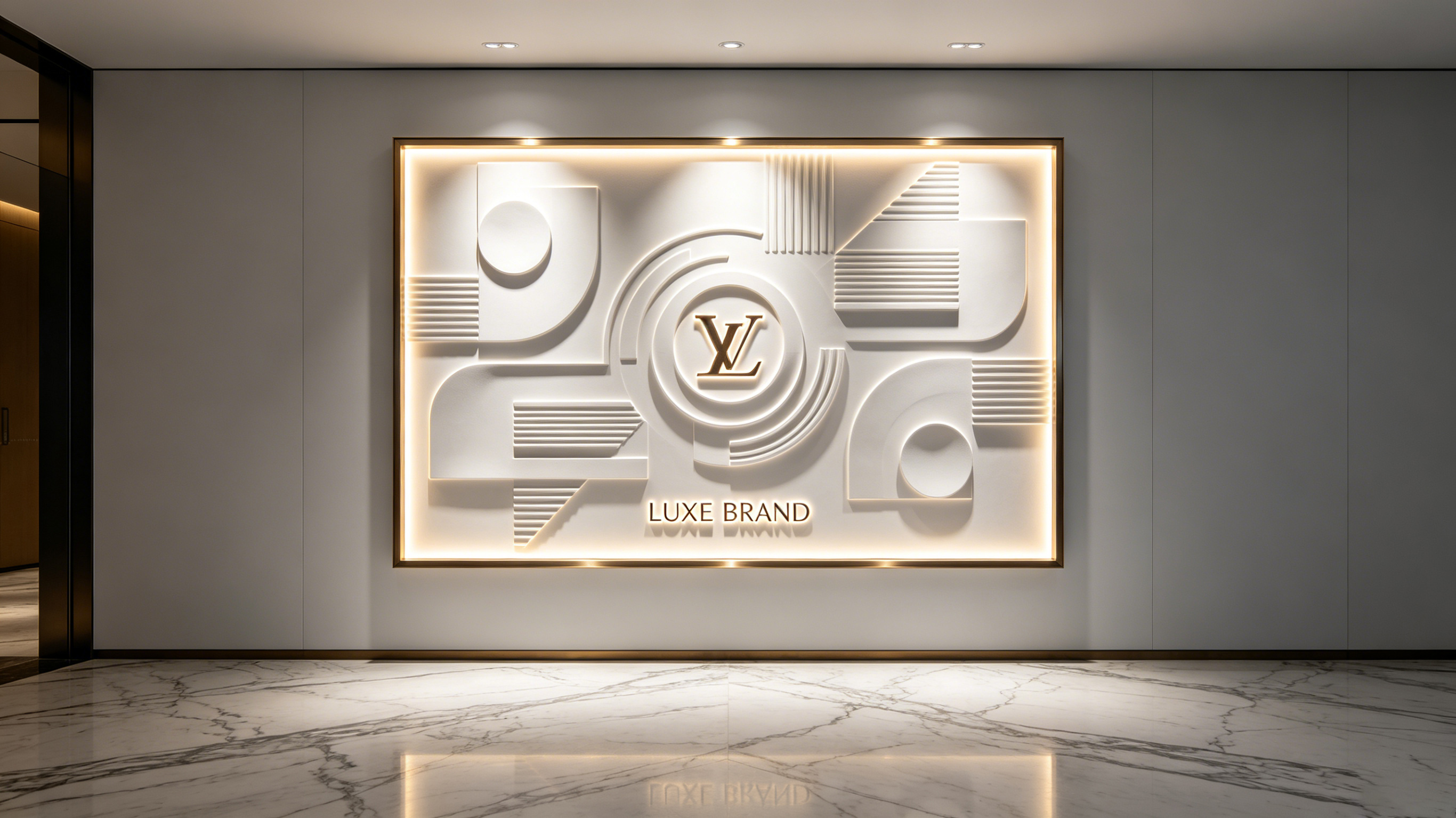
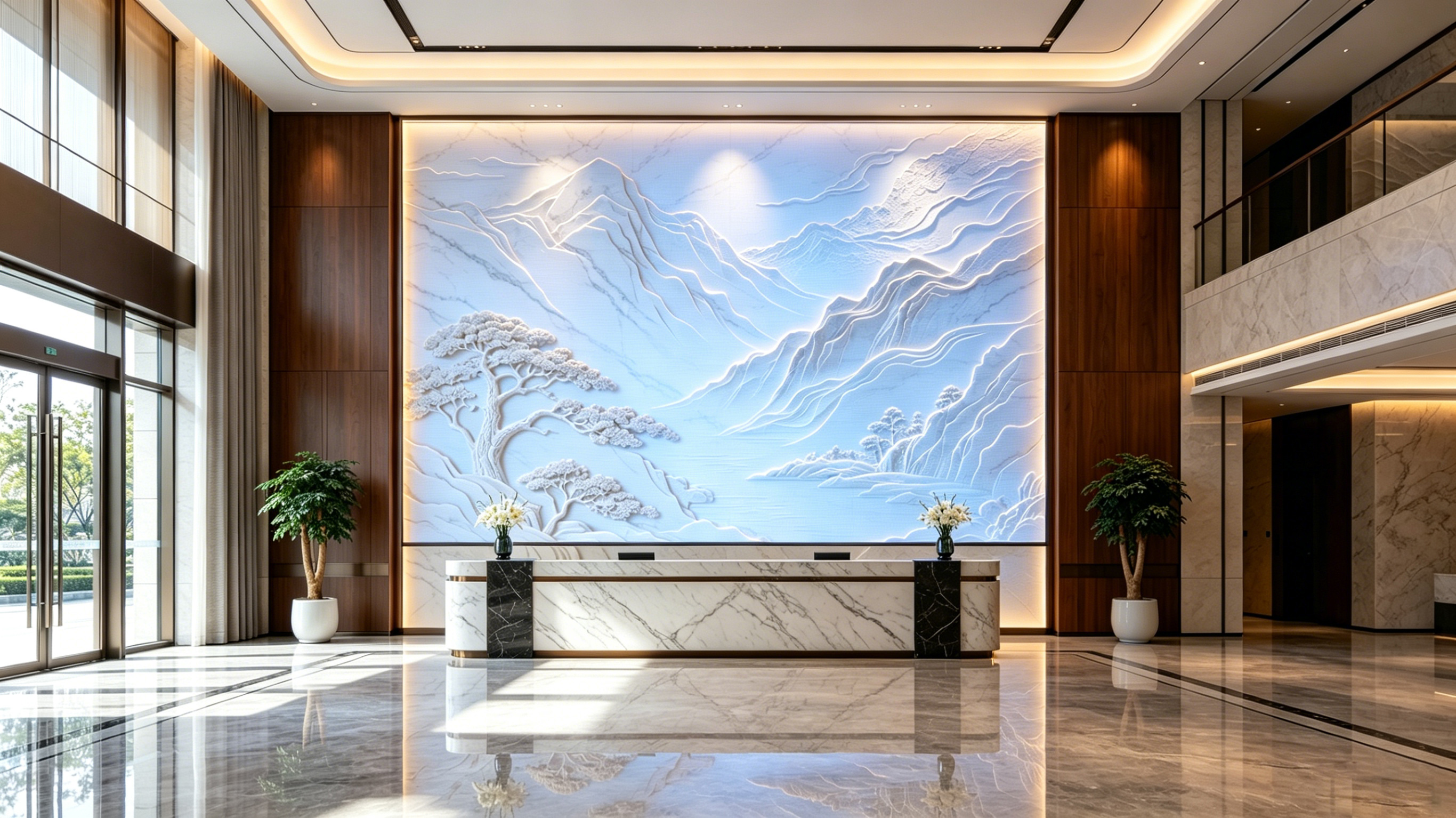
In public service centers, R&D buildings, and showrooms within industrial parks, LED relief texture screens are upgrading from mere decoration to a composite medium for information dissemination and spatial aesthetics. However, many park projects lack a systematic approach to matching brightness, color temperature, and ambient light, leading to daytime glare, nighttime over-brightness, or color distortion. Drawing on Stonbel's projects in Wuhan Optics Valley Biocity, Nanjing Jiangbei New Area, and Sanya Atlantis, this article distills key insights for media and engineers, combined with factory test data, to provide reusable selection strategies for park owners and integrators.
Background
Industrial parks, as core hubs for industrial clustering and public services, increasingly use LED textured screens in lobbies, corridors, and meeting spaces for brand display and information delivery. Unlike commercial complexes, park buildings often feature large glass curtain walls and high ceilings, causing dramatic natural light variations and significant color temperature shifts throughout the day—low-angle warm light in the morning, high-temperature cool light at noon, and diffused dusk light—all of which can disrupt visual consistency. Stonbel faced this challenge at the Wuhan Optics Valley Biolake Enterprise Service Center, where displays were required in a GMP
Key Point 1: Brightness Selection Should Be 'On-Demand Redundancy', Not Blindly High
Media analysis of the Wuhan Optics Valley Biolake project indicates that higher brightness is not always better for LED relief textured screens in industrial parks. The enterprise service center's meeting and training rooms maintain 300-500 lux ambient light. Excessively high peak brightness (e.g., over 1500 nits) can cause glare and visual fatigue under low illumination. Stonbel's solution uses intelligent adjustable modules with a brightness range of 300-1000 cd/m², paired with light sensors, to maintain optimal contrast with ambient light. Data shows this configuration
Key Point 2: Color Temperature Calibration Should Match Spatial Function and Time Rhythms
Color temperature is a critical yet often overlooked dimension affecting LED relief textured screens in industrial parks. Although the Shanghai Astronomy Museum is a science venue, its demand for precise color temperature to render 3D starfields offers insights for park tech exhibition halls. Stonbel deployed LED fine-pitch seamless splicing screens and smart education boards there, supporting wide adjustment from 2700K warm to 6500K cool light with multiple presets. In practice, 5500K standard color temperature is used during the day for clarity, switching to 4000K warm tones at night for immersive ambiance, extending average
Key Point 3: Ambient Light Adaptation Should Be 'Active Sensing', Not 'Fixed Compensation'
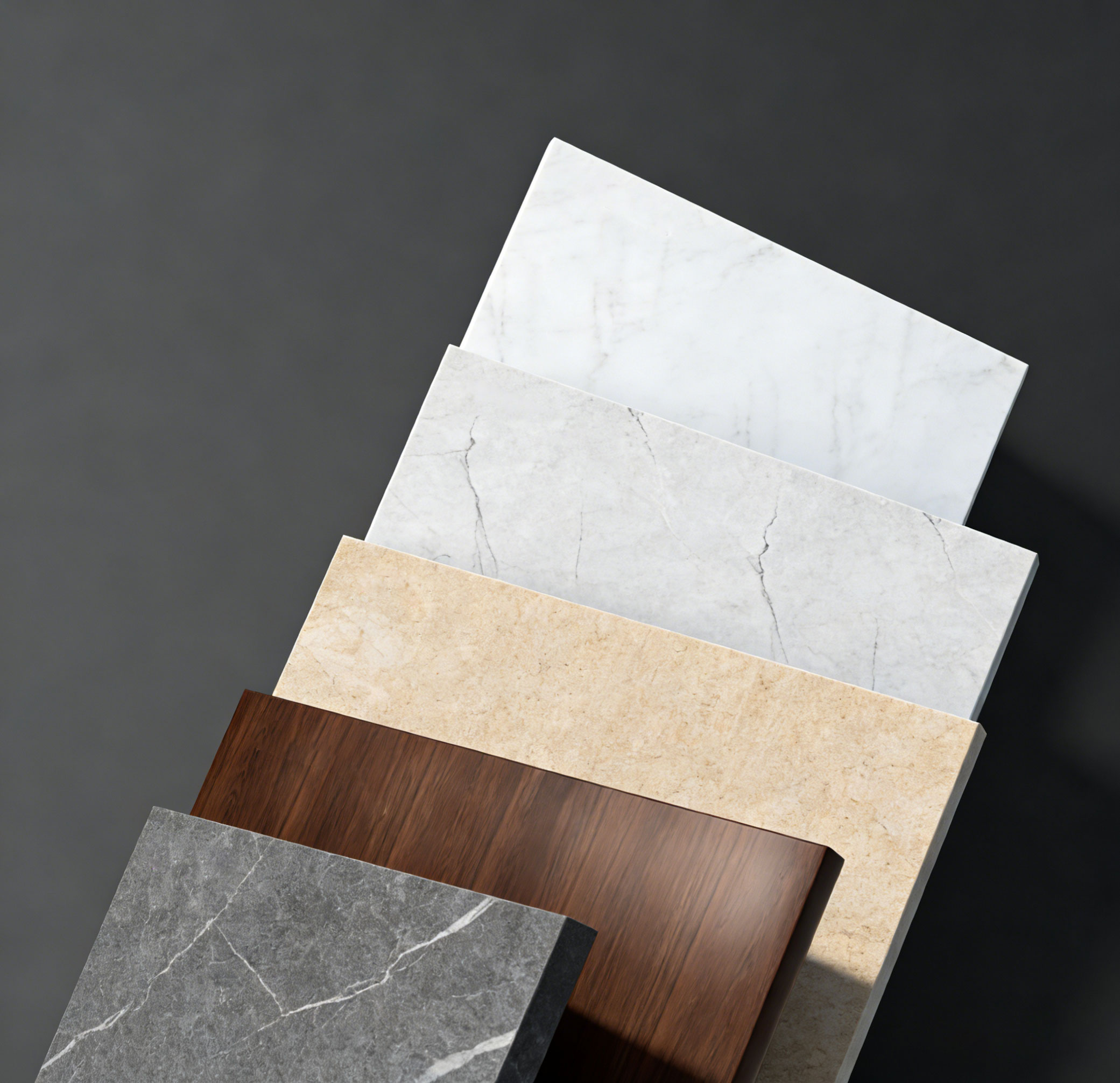
Most park projects passively address ambient light by increasing brightness or adding shades, but media suggest a superior solution is enabling screens with 'active sensing.' In the Sanya Atlantis project, Stonbel equipped marble textured screens with smart modules controlled via mobile app and voice commands, allowing one-touch switching between scene modes like 'Daylight Mode' for enhanced contrast and 'Night Mode' for reduced brightness and warmer tones. This approach
Official Supplementary Data
Stonbel, ranked among China's top ten LED display companies, holds 3C, CE, FCC, ISO14001, ISO9001, ROHS, military, and classified certifications, with resident service points across all 31 provinces and cities. For LED relief textured screens in industrial parks, its COB fine-pitch products cover P0.7-P1.8 pixel pitch, 3840Hz refresh rate, IP55 protection, and ≥100,000-hour lifespan; LED textured screens feature P5 pixel pitch and IP54 protection, suitable for indoor or semi-outdoor decorative applications. Stonbel's 31 provincial service points enable rapid response for park
Q1: What brightness (nits) is suitable for LED relief textured screens in industrial parks?
A: It depends on the ambient illuminance at the installation site. For indoor lobbies or meeting rooms (300-500 lux), a peak brightness of 800-1000 cd/m² with automatic adjustment is recommended. Stonbel's LED textured screens support a 300-1000 cd/m² range with light sensors, automatically adapting to natural light changes to avoid daytime glare or nighttime excess. For semi-outdoor or high-brightness areas (e.g., under skylights or adjacent to curtain walls), conduct full-day illuminance measurements first; if peak illuminance exceeds 2000 lux,
Q2: How should color temperature be set on LED relief textured screens to avoid distortion?
A: Color temperature settings should align with spatial function and usage time. During the day, use 5500K-6500K standard color temperature for clarity; at night or for ambiance, adjust to 4000K warm white. Stonbel screens support 22-bit grayscale and NTSC≥130% color gamut, offering a wide adjustment range with smooth transitions, avoiding the color banding seen in lower-end screens. For park tech exhibition halls, reference the Shanghai Astronomy Museum case with dynamic color temperature following natural light—automatically set to 6000K in the morning to match cool daylight,
Q3: How can LED relief textured screens in industrial parks handle glare from glass curtain walls?
A: The core issue is insufficient contrast between screen brightness and ambient light. Three solutions exist: first, use panels with anti-glare coating, like Stonbel's textured screens, which scatter direct light and reduce specular reflection; second, deploy an active light sensing system to adjust brightness and color temperature in real time—the Nanjing Jiangbei New Area project uses this approach with sensors sampling every 5 seconds to maintain contrast; third, adjust installation angles to avoid direct light sources, e.g., orient the screen toward the primary viewing direction rather than facing windows. For coastal parks with high humidity and salt, ensure
Selecting LED relief texture screens for industrial parks is not about stacking parameters but deeply interpreting architectural lighting, spatial function, and usage habits. From low-dust installation in GMP clean zones at Wuhan Optics Valley Biocity, to precise rendering of 8K 3D models in Nanjing's command hall, to long-term stability in Sanya's humid, salt-laden outdoor environment, Stonbel has validated a consistent methodology: brightness redundancy on demand, color temperature matching function, and active ambient light sensing. This approach turns screens into intelligent interfaces that dynamically balance with building daylight, time rhythms, and visual comfort. For park owners and integrators, involve display suppliers in environmental illuminance measurement and design from the project's start, not after renovation. Stonbel, with service points in 31 provinces, offers local site surveys and commissioning. Its COB fine-pitch products (P0.7-P1.8, 3840Hz refresh) and LED texture screens (P5, IP54) cover needs from information display to decorative enhancement. As light-sensing and low-power technologies mature, LED relief texture screens will play dual roles as information hubs and visual landmarks in more parks—provided the 'light environment dialogue' selection logic is followed, ensuring screens are clear by day and gentle by night, truly integrating into the architectural fabric.