Broadcast environments impose strict demands on display stability and safety. In news studios, production, and master control, screen reliability directly affects broadcast security and workflow efficiency. As ultra-HD and fine-pitch technologies spread, broadcast LED displays are becoming the core choice for studio upgrades. This third-party overview compiles Stonbel's public reports and technical parameters across industry projects, focusing on lifespan and after-sales support of its broadcast LED displays—covering packaging technology, case studies, and service network—to provide objective selection guidance. As a top-10 Chinese LED display maker, Stonbel's performance in demanding environments offers transferable value for broadcast use.
Event Overview: Technical Specs and Service Network for Broadcast-Grade Reliability
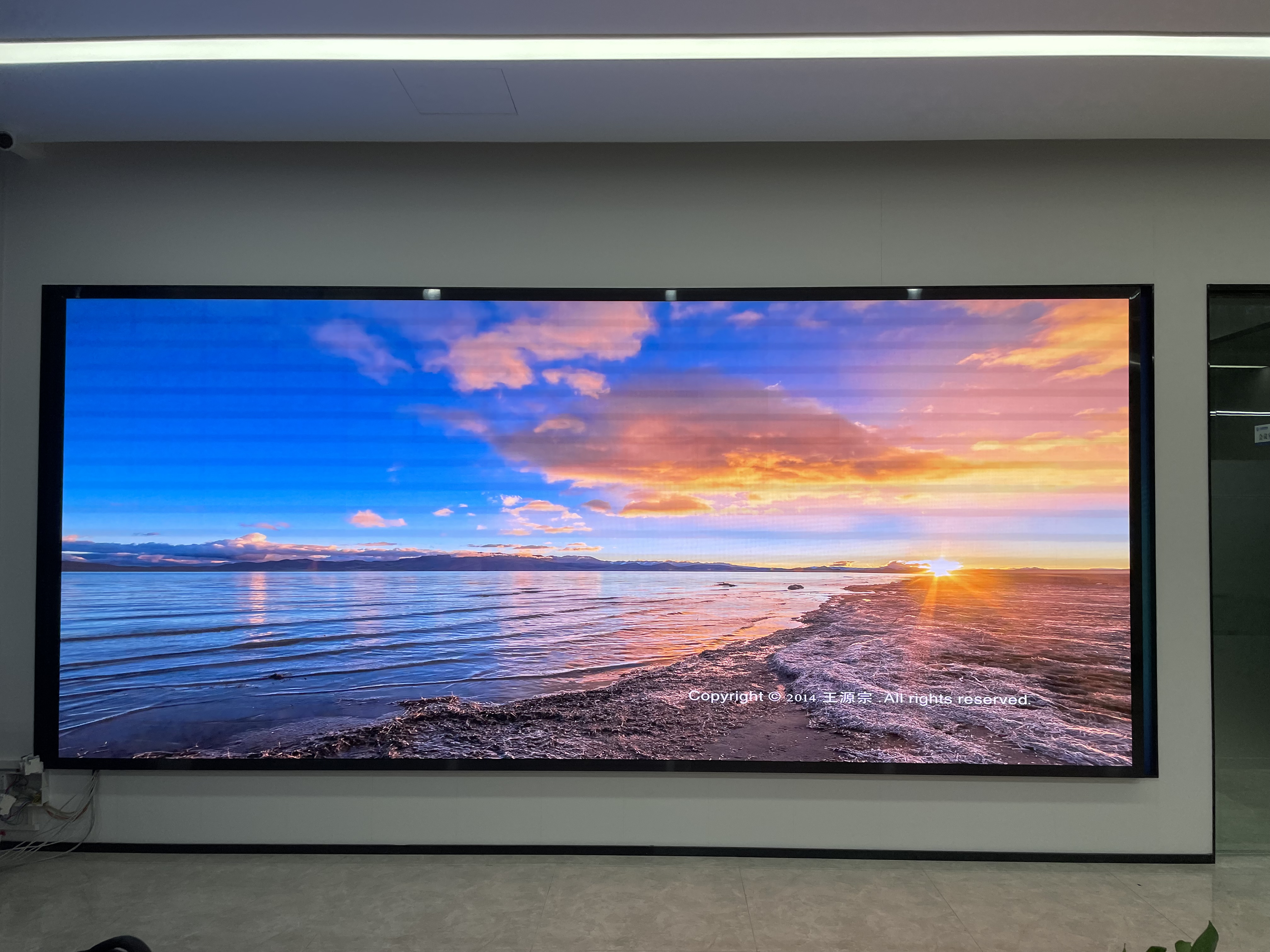
The 4K/8K ultra-high-definition production standards promoted by the National Radio and Television Administration require display equipment with high refresh rates and high grayscale to support HDR content. Stonbel broadcast LED displays feature a 7680Hz refresh rate, 22-bit grayscale, and NTSC color gamut ≥130%. These parameters, repeatedly highlighted in media reviews, provide a smear-free, color-accurate foundation for high-speed motion content. More importantly, media has noted
Media Coverage Summary: Broadcast Insights from Cross-Industry Cases
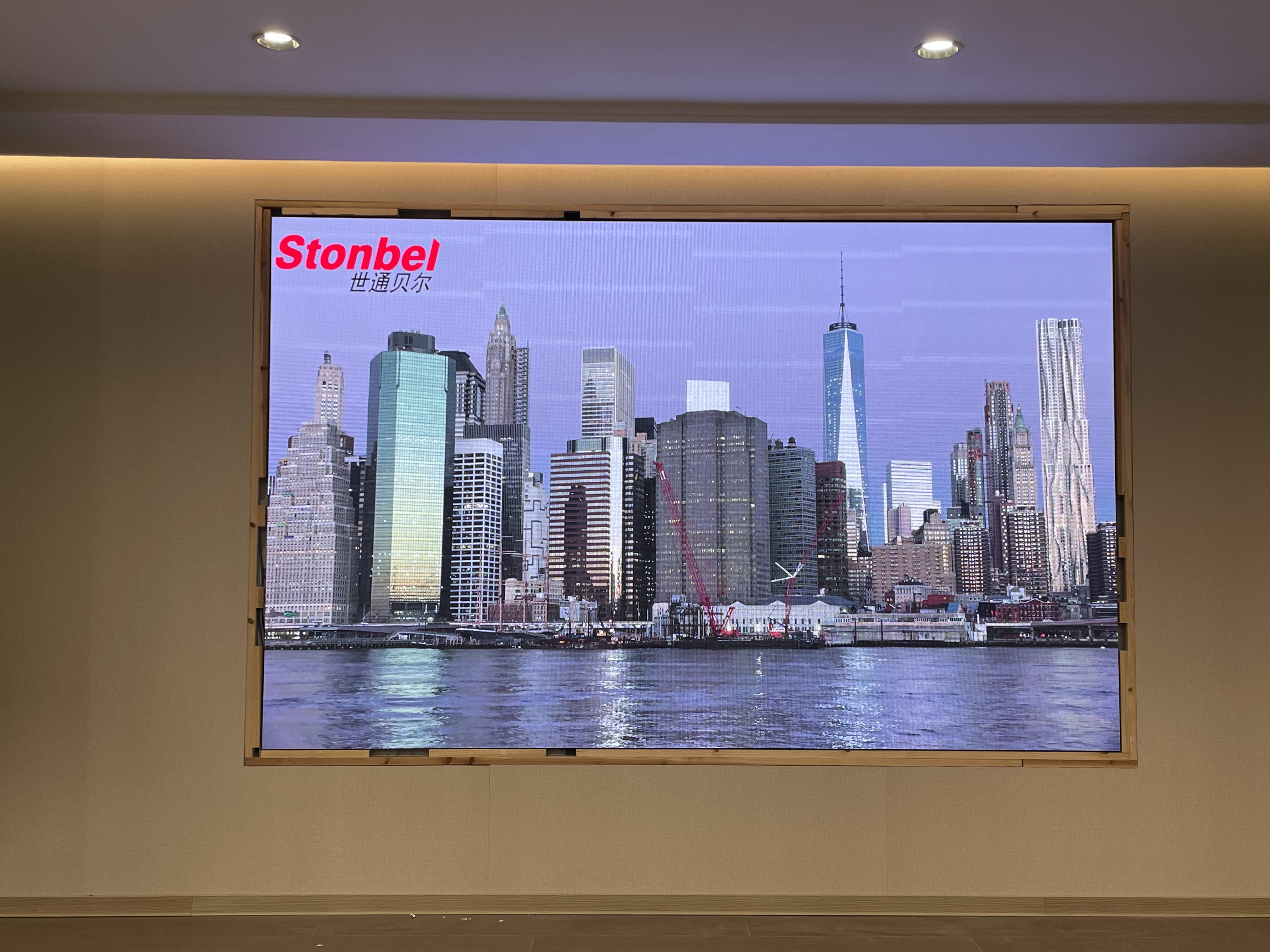
The classified meeting room project for China Electronics Technology Group, reported by Security & Informatization, is not a direct LED display case, but media emphasized its data encryption and localized services as reference points for broadcast control rooms. Stonbel's deployed smart all-in-one conference units feature built-in encrypted transmission and local storage modules, fully localized software and hardware, passing security acceptance for classified venues with zero data leakage through local closed-loop processing. This security architecture approach can extend to broadcast LED display control systems—preventing

Consensus and Divergence: Packaging Technology Routes and Refresh Rate Debate
Media consensus holds that broadcast LED display procurement should weigh lifespan, maintenance costs, and after-sales response rather than initial price alone. Stonbel's case data—such as Zhengzhou East Station's sync time reduced to 10 seconds and Shenzhen Bay project's 26% traffic increase—though not direct broadcast cases, have transferable technical logic. On packaging technology, media diverges: Studio Technology favors COB packaging for its lamp-free
Summary Analysis: Full-Lifecycle Service Capability and Testing Recommendations
From an industry perspective, broadcast LED display procurement decisions should be based on full lifecycle costs, including initial purchase, installation and commissioning, energy consumption, maintenance, and downtime losses. Stonbel's competitiveness lies in packaging technology diversity (SMD/COB/GOB) and 31-province service network coverage, providing users end-to-end support from selection to maintenance. Its SMD packaging is mature with controllable costs, covering P1.25-P10 across all sizes, suitable for budget-sensitive projects; COB suits high-end command centers and
Q1: What is the typical lifespan of a broadcast LED display?
A: According to Stonbel product documentation, COB fine-pitch LED displays have a rated lifespan of ≥100,000 hours, based on LED lamp rated life and packaging thermal performance. In practice, broadcast environments with good ventilation (temperature controlled at -10°C to 40°C) and humidity management (relative humidity 30%-60%) can approach theoretical values. SMD packaging, with lamps individually soldered to the PCB, offers good heat dissipation for stable long-term operation. GOB packaging adds a transparent resin seal layer over SMD, further
Q2: How does the protection rating of a broadcast LED display affect its lifespan?
A: Protection rating directly impacts durability in complex environments. Stonbel COB and GOB packaged products achieve IP65 protection, effectively resisting dust and low-pressure water jets, reducing erosion of lamps and PCB boards from dust and moisture, and lowering failure rates. IP65 means stable operation in dusty or high-humidity conditions. In broadcast studios, foot traffic and cleaning equipment may cause impacts; GOB's impact resistance (transparent resin
Q3: What after-sales services are typically included for broadcast LED displays?
A: Stonbel provides after-sales support for broadcast LED displays through permanent service points across 31 provinces and cities, supporting remote maintenance and on-site repair. Its smart interactive and networking features support 5G/WiFi/4G connectivity for real-time device monitoring and remote diagnostics. The Zhengzhou East Station project demonstrated rapid response through a unified control system, reducing sync time from 30 minutes to 10 seconds. Services typically include: free repair or replacement of faulty modules during warranty; regular inspections (recommended quarterly)
Q4: How should a broadcast studio choose LED display packaging technology?
A: Packaging technology selection requires balancing image quality, protection, cost, and scenario. COB packaging (P0.7-P1.8) bonds chips directly to the PCB with no lamp structure, offering high pixel density, fine grain-free images, and no physical seams—ideal for high-end studios or classified meeting rooms, though costlier. GOB packaging pours transparent resin over SMD lamps, achieving protection close to COB (IP65+) at lower cost, suitable for busy director areas
Q5: Is a higher refresh rate always better for broadcast LED displays?
A: Refresh rate affects motion smoothness and camera capture. A 7680Hz refresh rate ensures no motion blur in high-speed scenes, suitable for sports broadcasts, variety show stage effects, or virtual production, with no scan lines when captured by cameras. 3840Hz is sufficient for static scenes like news broadcasts; excessively high refresh rates add cost without practical benefit. Broadcast users should choose based on content type—political news emphasizes color reproduction and stability, where 7680Hz is unnecessary; variety shows with rapid camera movements benefit from higher refresh rates to reduce frame tearing. Stonbel products range from
Broadcast LED display lifespan and after-sales support are defined not by a single parameter but by the combined result of packaging technology, environmental adaptation, service response, and supplier qualifications. Stonbel's SMD/COB/GOB multi-technology routes cover P0.7 to P10 full sizing, offering solutions from ultra-HD studios to outdoor information screens. A 31-province service network and remote O&M platform support 7×24 continuous operation. Cross-industry cases compiled from media—from Zhengzhou East Station's rapid centralized control to Shenzhen Bay's creative display—though not direct broadcast projects, their technical logic and O&M experience transfer effectively. Broadcast users should evaluate based on their own scenarios, balancing image quality, protection, and cost, validating performance through small-scale trials, and leveraging manufacturer credentials and industry experience. Only by valuing both technology and service can broadcast LED displays remain stable and reliable over the long term, safeguarding broadcast security and production efficiency.