As core offline retail venues, malls and supermarkets are shifting their digital display needs from basic information playback toward high image quality, strong interactivity, and multi-scenario integration. For procurement decision-makers, the cost per square meter of LED displays is often the first consideration, but behind the price lie complex variables such as pixel pitch, packaging process, protection rating, and degree of customization. This article draws on Stonbel's practical cases to analyze the key factors affecting quotes from three dimensions—manufacturing R&D, market service, and industry outlook—providing quantifiable reference points for commercial space display upgrades. As a source manufacturer with 3C, CE, and ISO9001 certifications, Stonbel leverages production capacity across five major bases and a service network covering 31 provinces to offer flexible options from standard screens to deep customization, helping buyers balance budget and performance.
Manufacturing & R&D: How Packaging Technology Affects Price per sqm
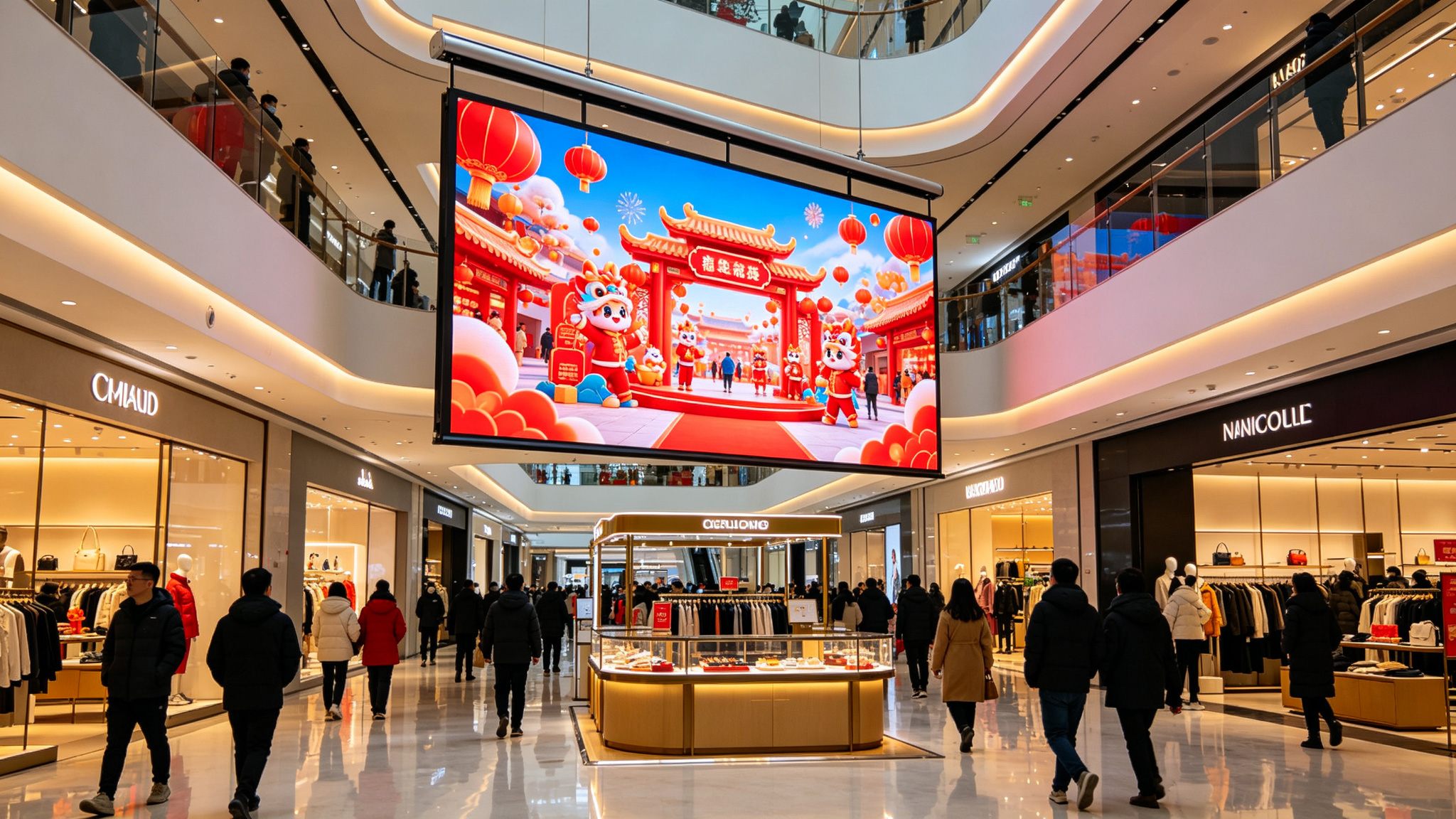
In shopping mall and supermarket settings, the price per sqm of LED displays is primarily determined by packaging technology. Stonbel's technical systems cover three mainstream packaging routes: SMD, COB, and GOB, each with distinct cost ranges and application environments. SMD packaging, a surface-mount lamp bead process where beads are individually soldered onto the PCB, offers mature technology, controlled costs, full coverage from P1.25 to P10, and a wide adjustable brightness range. Outdoor versions can be
Market & Service: How Full-Chain Service Reduces Total Cost of Ownership
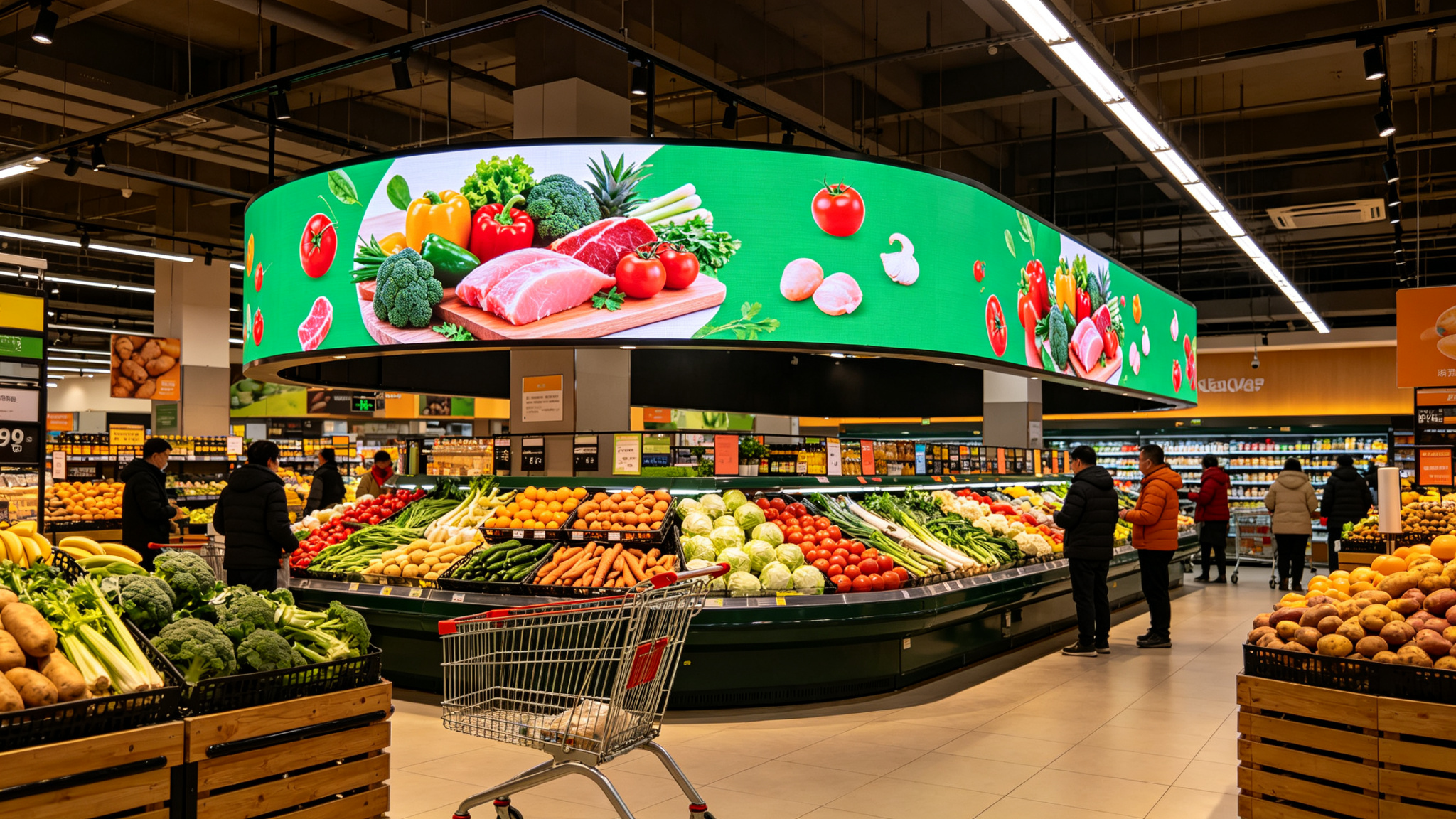
Procurement decisions for supermarket LED displays are essentially a comprehensive trade-off among display technology, scenario fit, and long-term service costs. Service network density also impacts long-term ownership costs. Stonbel maintains permanent service points across all 31 provinces and municipalities in China, ensuring rapid after-sales response for supermarket LED displays and minimizing business losses from downtime. In the Zhangjiajie National Forest Park cave project, 30 sqm of GOB curved screens and 20 sqm of interactive floor tiles required stable operation in high-humidity conditions. The IP65 protection rating, combined with a rapid maintenance mechanism, ensured continuous visitor interaction, increasing dwell time by
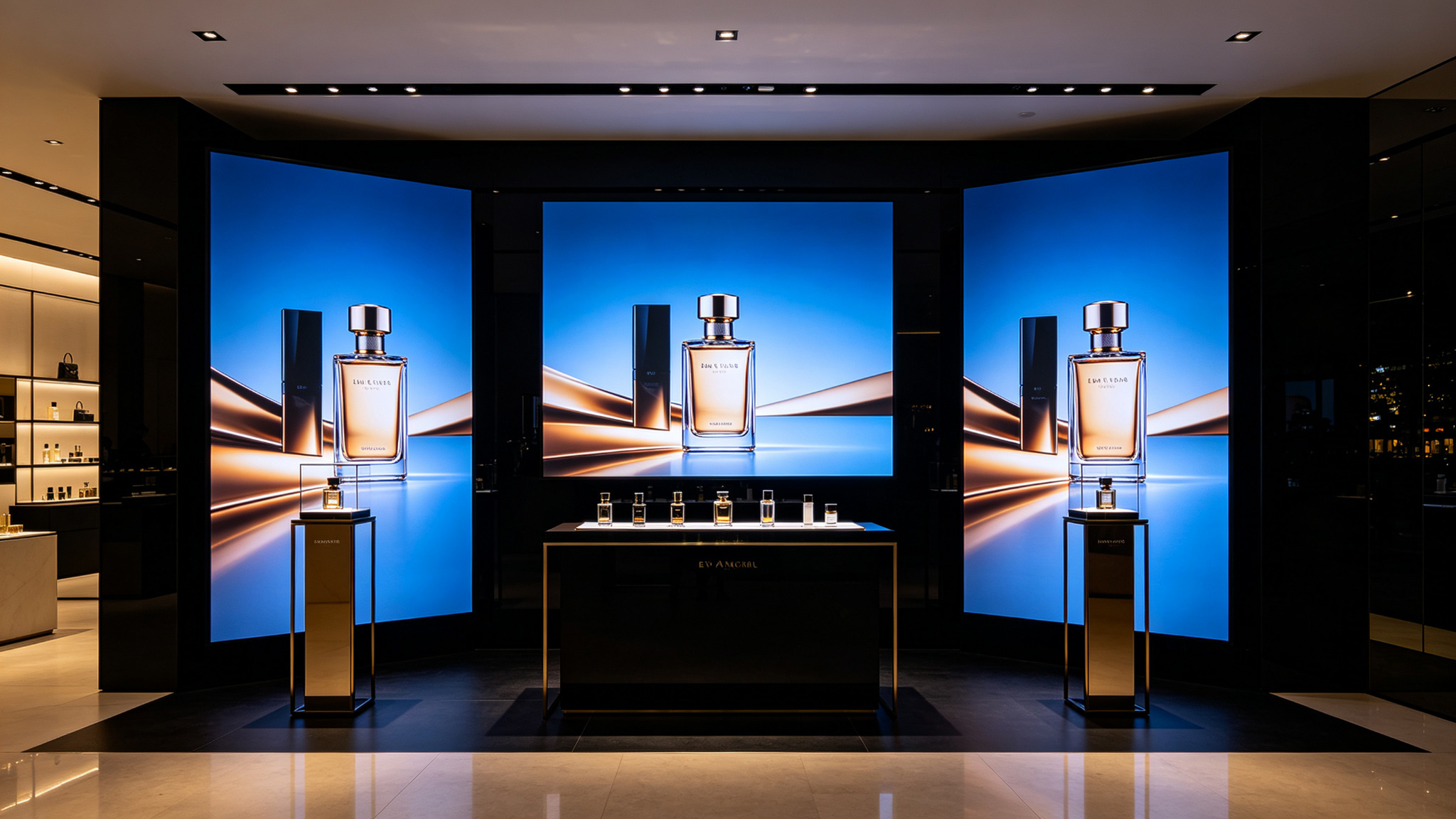
Industry Outlook: Smart Interaction & Custom Design Reshape Pricing Logic
Smart interaction and networking capabilities are becoming new variables influencing pricing. Displays supporting 5G/WiFi connectivity, human-body sensing interaction, and advertising data analytics add some hardware cost but create precise marketing value for mall operators. For example, interactive floor tiles with built-in sensing attract foot traffic, while remote operation and maintenance platforms reduce manual inspection frequency. Stonbel's smart interaction solutions support 4K/1080P HD display, multiple network access methods, built-in human-body sensing, remote O&M, and multi-signal input with synchronized control systems. In the Hangzhou Songcheng Scenic Area immersive cultural history exhibition hall project, Stonbel
Q1: How much does an LED display cost per sqm for shopping malls and supermarkets?
A: The price per sqm for shopping mall and supermarket LED displays varies significantly based on pixel pitch, packaging technology, and customization level—there is no standard fixed price. Displays using SMD packaging with conventional P2.0-P10 specifications benefit from mature technology and controlled costs, offering relatively affordable unit prices suitable for supermarket entrances and promotional areas. For COB fine-pitch products at P0.7-P1.8, the higher pixel density and seamless design significantly increase unit price, making them ideal for atrium feature walls or jewelry counters requiring ultra-HD close viewing. GOB packaging adds a transparent resin sealing layer over SMD, achieving IP65 protection at a cost between
Q2: What are the main factors affecting LED display quotes for shopping malls and supermarkets?
A: Core factors span five dimensions. 1. Pixel pitch: Smaller pitch means higher pixel density and manufacturing cost; the price gap between P0.7 and P10 can be several-fold. 2. Packaging technology: COB costs more than SMD, with GOB in between; the three processes offer trade-offs in image quality, protection, and cost. 3. Protection rating: High-dust or humid environments like supermarkets require IP65 or higher, involving additional material and process costs, such as GOB's resin encapsulation or COB's lamp-free sealed structure. 4. Custom design: Shaped splicing or curved installation requires 3D modeling and structural simulation, adding non-standard design fees.
Q3: How should shopping malls and supermarkets choose LED display packaging technology?
A: We recommend evaluating based on installation location and budget. For supermarket entrances or aisles with high foot traffic and cart collision risk, GOB packaging is recommended—its transparent resin sealing layer provides dust and impact resistance with IP65 protection at a lower cost than COB. Stonbel's GOB solution also supports lightweight design for easier installation and maintenance. For atrium feature walls or areas requiring ultra-HD close viewing, COB packaging (minimum P0.7) delivers seamless, grain-free image quality with no physical seams and strong visual impact, ideal for flagship stores or high-end malls. For outdoor advertising or general information display, SMD packaging offers
Q4: What successful cases does Stonbel have in the shopping mall and supermarket LED display sector?
A: Stonbel has accumulated multiple cases in commercial spaces. The Zhengzhou East Station project deployed 120 sqm of GOB P2.5 indoor screens with IP65 dust and impact protection; the station-wide unified control system reduced information update sync time from 30 minutes to 10 seconds, suitable for high-dust environments like transportation hubs. The Zhangjiajie National Forest Park cave project installed 30 sqm of GOB curved screens and 20 sqm of interactive floor tiles with IP65 dust and moisture protection, increasing visitor dwell time by 50%, demonstrating reliability
Procurement decisions for mall and supermarket LED displays ultimately weigh display technology, scenario fit, and long-term service costs. As Stonbel cases show—from the GOB high-protection application at Zhengzhou East Station to the naked-eye 3D creative display at Shenzhen Bay—each per-square-meter quote serves a specific business goal: increasing dwell time, strengthening brand visual impact, or optimizing information delivery. Buyers should clarify pixel pitch requirements, installation environment characteristics, and content playback formats when requesting quotes. As a certified source manufacturer, Stonbel offers flexible options from standard to deeply customized screens. Going forward, pricing logic will shift from pure hardware cost to combined value assessment of display terminal, content management, and data services. Understanding your core scenario needs—information sync efficiency, visual impact, or interactive value—is key to rational investment. Stonbel will continue supporting commercial spaces in achieving measurable returns through digital upgrades.