In broadcasting, studios, OB vans, and command centers require far higher display performance than general commercial use: ultra-HD image quality, high refresh rates, high protection ratings, all within budget. Many buyers asking "how much per square meter" receive vague quotes because pricing depends on pixel pitch, packaging technology, refresh rate, grayscale, and protection level. This article reviews three real cases—from pain points to solutions and data results—to analyze cost structure and selection logic, helping you understand the technical reasons behind price differences and avoid the trap of "unit price only."
Case Background: From Emergency Command to Immersive Tourism, Broadcast-Grade Display Needs Go Beyond 'Just Being Visible'
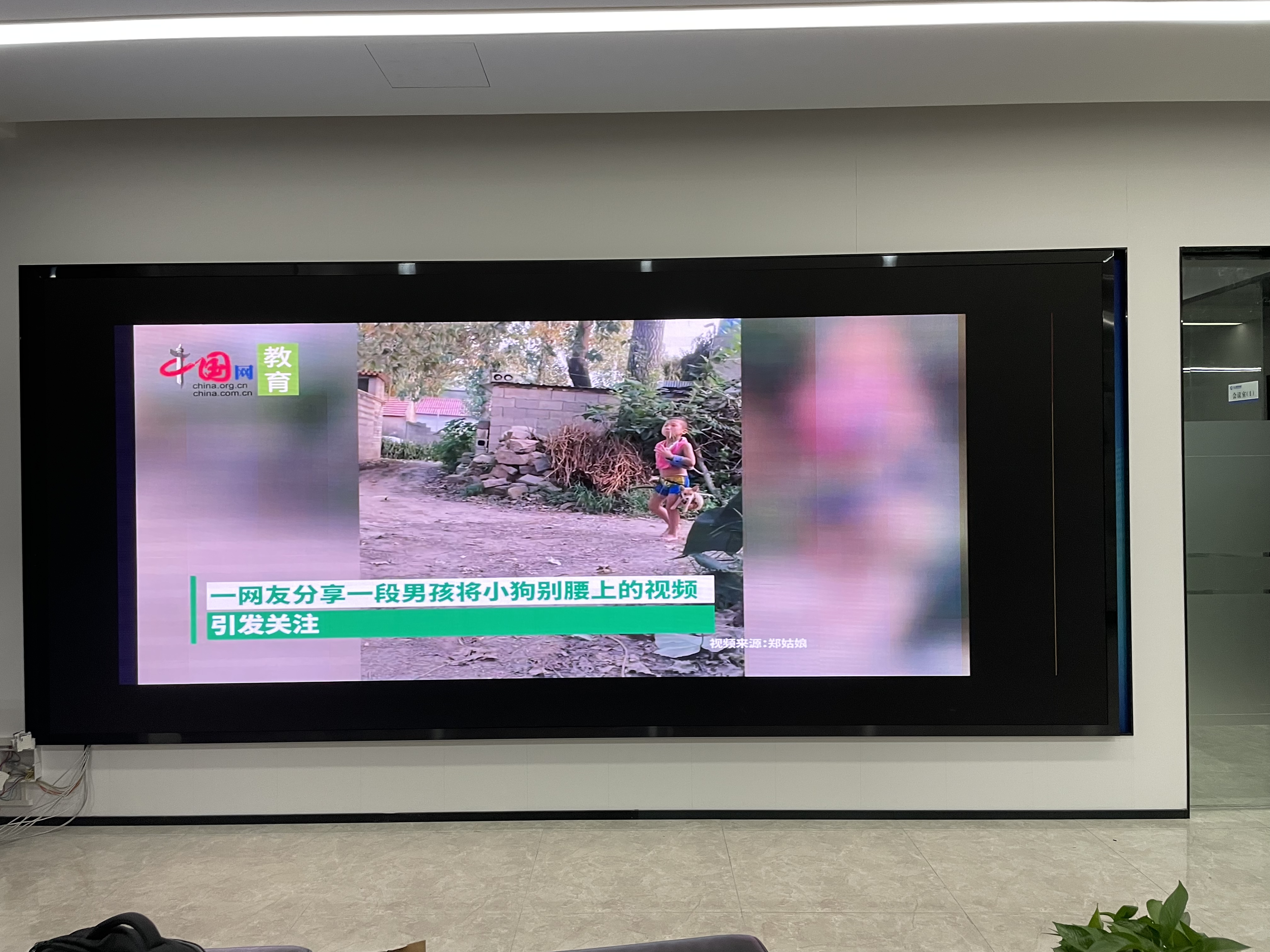
Broadcast industry display applications go far beyond simple studio backdrop walls. Take a provincial emergency management command center as an example. The center needs to integrate real-time data and surveillance feeds from over ten departments including public security, fire, meteorology, and transportation. The original video wall had visible seams and fragmented images, making critical data and surveillance details difficult to identify. The equipment could not support 7×24 hour continuous operation, prone to lag and dead pixels under high load, delaying emergency response. Poor multi-system signal compatibility prevented cross-departmental data collaboration on a single screen. This scenario demands 'zero-error' performance
Implementation Details: From Zhengzhou East Station to Strawberry Music Festival, Installation and Maintenance Costs Determine Total Cost of Ownership
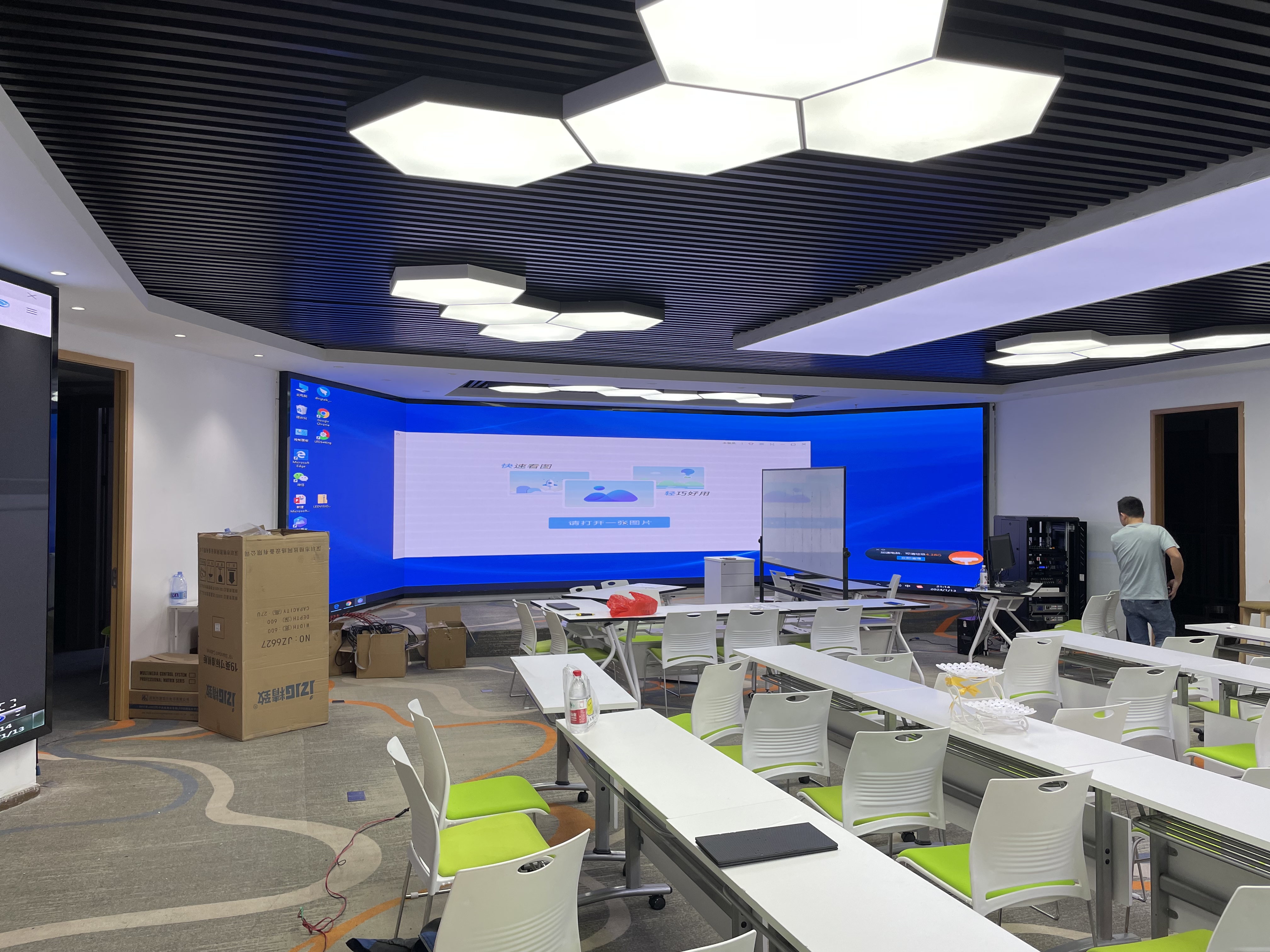
Broadcast LED display quotes include not just the panel itself, but also installation, commissioning, training, and long-term maintenance. For the Zhengzhou East Station project, Stonbel deployed a 120㎡ GOB P2.5 indoor screen with IP65 dust and impact protection, unified station-wide control, reducing information update sync time from 30 minutes to 10 seconds. GOB packaging was chosen because the station has high foot traffic, heavy dust, and requires long operating hours. GOB fills transparent resin over SMD lamp beads and circuit traces, creating a smooth sealed layer that achieves COB-like smoothness, dust, and impact resistance at lower cost. Its protection performance approaches COB, achieving IP65+ ratings, suitable for crowded, dusty, or humid environments. For the Strawberry Music Festival national tour, a 400㎡ SMD P3.91 outdoor rental screen featured cabinets weighing ≤8kg
Technical Highlights: How Packaging Processes and Protection Ratings Affect Image Quality and Lifespan
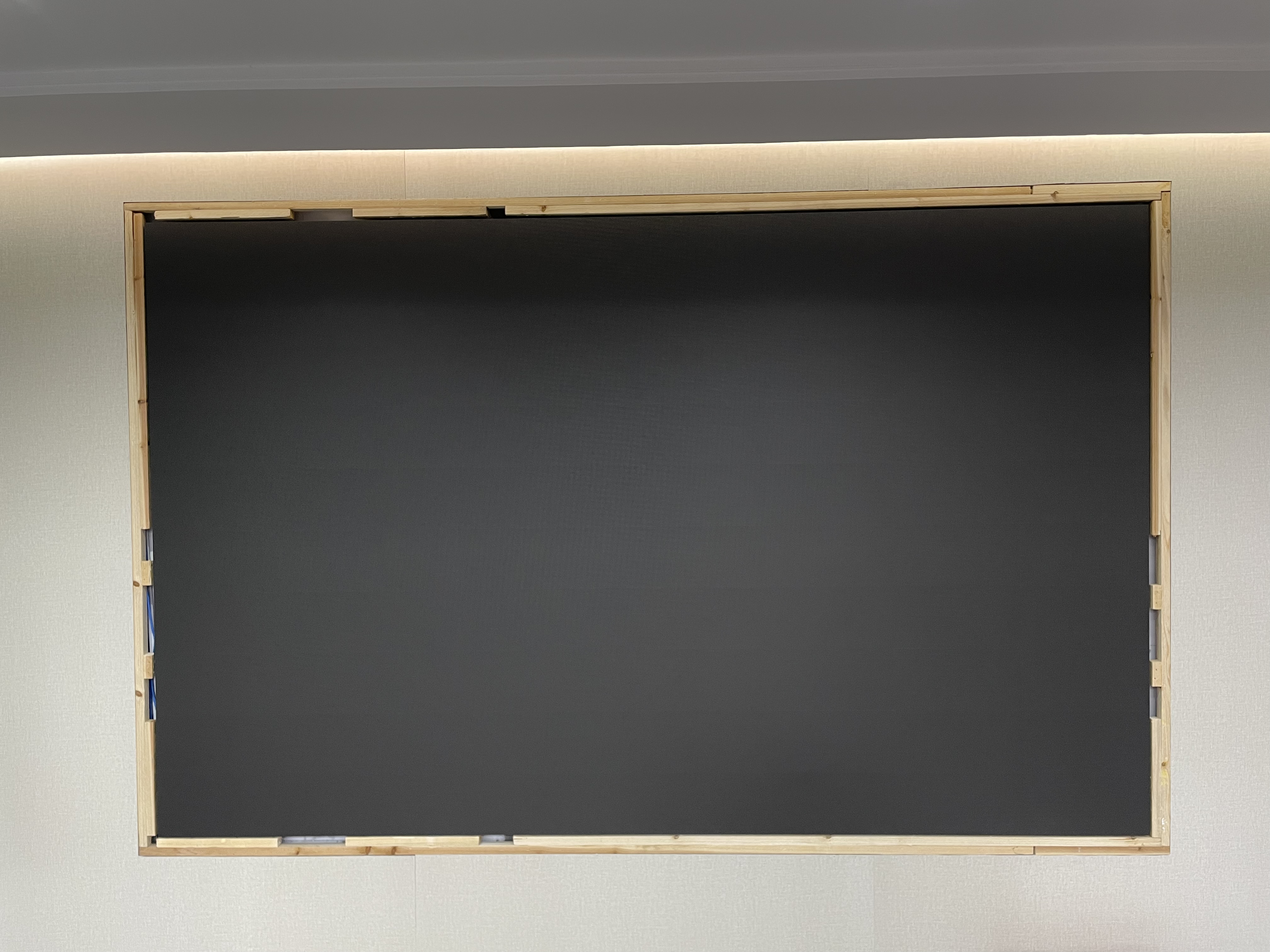
The technical core of broadcast LED displays lies in packaging processes and protection ratings. SMD packaging uses surface-mount lamp beads soldered individually onto the PCB. It is a mature process with controllable costs, suitable for all size specifications, offering a wide brightness adjustment range. Outdoor versions can be customized to over 8000cd/m² to adapt to different lighting conditions. It covers the full range from P1.25 to P10, meeting needs from fine-pitch HD to standard display. COB packaging directly bonds chips to the PCB and encapsulates them with adhesive, eliminating lamp bead structures. It delivers fine image quality without graininess, excellent protection, and high pixel density with minimum pitch down to P0.7 for
Results and Insights: Long-Term Value of Broadcast LED Displays from Data
The value of broadcast LED displays extends beyond visual performance to improved operational efficiency and reduced long-term operating costs. In a government service hall smart display project, Chengdu Municipal Government Service Center adopted a custom Stonbel integrated display wall. It enabled real-time synchronized display and one-click switching of multiple signals including government data, service procedures, and policy information, while integrating touch interaction for citizens to self-service query information. After launch, information display efficiency improved by 70% and citizen query time decreased by 40%. At the
Q1: How much does broadcast LED display cost per square meter?
A: The per-square-meter price of broadcast LED displays is influenced by multiple factors including pixel pitch, packaging process, refresh rate, grayscale, and protection rating. For example, COB-packaged fine-pitch screens (P0.7-P1.8) are priced higher, suitable for high-end command centers, due to their lamp-free structure and high pixel density achieving P0.7 ultra-fine pitch, delivering grain-free image quality, no physical seams, strong visual impact, and high protection ratings for complex environments. SMD-packaged screens (P1.25-P10) feature mature processes, controllable costs, wide brightness adjustment, with outdoor versions customizable to over 8000cd/m², offering high cost-performance for scenarios from studios to outdoor broadcasting. GOB-packaged screens provide protection approaching COB at lower cost,
Q2: What key parameters affect broadcast LED display quotes?
A: Key parameters include pixel pitch (ranging from P0.7 to P10), refresh rate (up to 7680Hz), grayscale (22-bit), color gamut (NTSC≥130%), and protection rating (IP65/IP66). Smaller pixel pitch yields finer image quality but higher cost. Refresh rate and grayscale affect motion smoothness and color transitions—7680Hz ensures no ghosting in fast-moving scenes, while 22-bit grayscale delivers smooth gradients. NTSC≥130% color gamut reproduces richer colors for broadcast-grade accuracy. Protection rating determines environmental adaptability—IP65 is fully dust-tight and protected against water jets, while IP66 withstands powerful water jets, suitable for outdoor broadcasting and open-air stages. Additionally, custom designs (shaped or curved
Q3: How to choose between COB, SMD, and GOB packaging for broadcast scenarios?
A: COB packaging has no lamp bead structure, offering high pixel density suitable for P0.7 ultra-fine pitch, delivering fine image quality and excellent protection, but at higher cost. It is ideal for high-end command centers and confidential scenarios requiring superior image quality, providing seamless splicing, enhancing professionalism and authority of information display, reducing visual interference from seams, and lowering maintenance difficulty. SMD packaging features mature processes, controllable costs, and wide brightness adjustment, covering P1.25-P10 full specifications. Outdoor versions can be customized to over 8000cd/m², offering high cost-performance for studios, outdoor advertising, and rental events, allowing flexible specification choices within budget to reduce initial procurement costs. GOB packaging adds transparent resin over SMD, achieving IP65+ protection at
Broadcast LED display procurement should not focus solely on per-square-meter price. Consider technical specs, environmental adaptability, installation and maintenance costs, and long-term stability. From emergency command centers to outdoor music festivals and immersive showrooms, requirements differ greatly. Stonbel's COB, SMD, and GOB packaging technologies cover the full range from high-end to economical. We hope this case review helps you build a scientific selection framework and achieve the best display solution within budget. For broadcast projects, bring detailed requirements and consult our team for customized quotes and technical support.