Retail chain stores and warehouses face challenges in real-time inventory analysis, foot traffic recognition, and loss prevention. Traditional centralized cloud solutions are limited by network latency and bandwidth costs, failing to meet edge responsiveness. Stonbel's industrial DDR4/DDR5 memory and edge AI compute solutions integrate GPU power with distributed storage via cloud-edge architecture, balancing local processing and cloud management. Based on real projects, this article analyzes technical specs, deployment, and results for quantifiable selection.
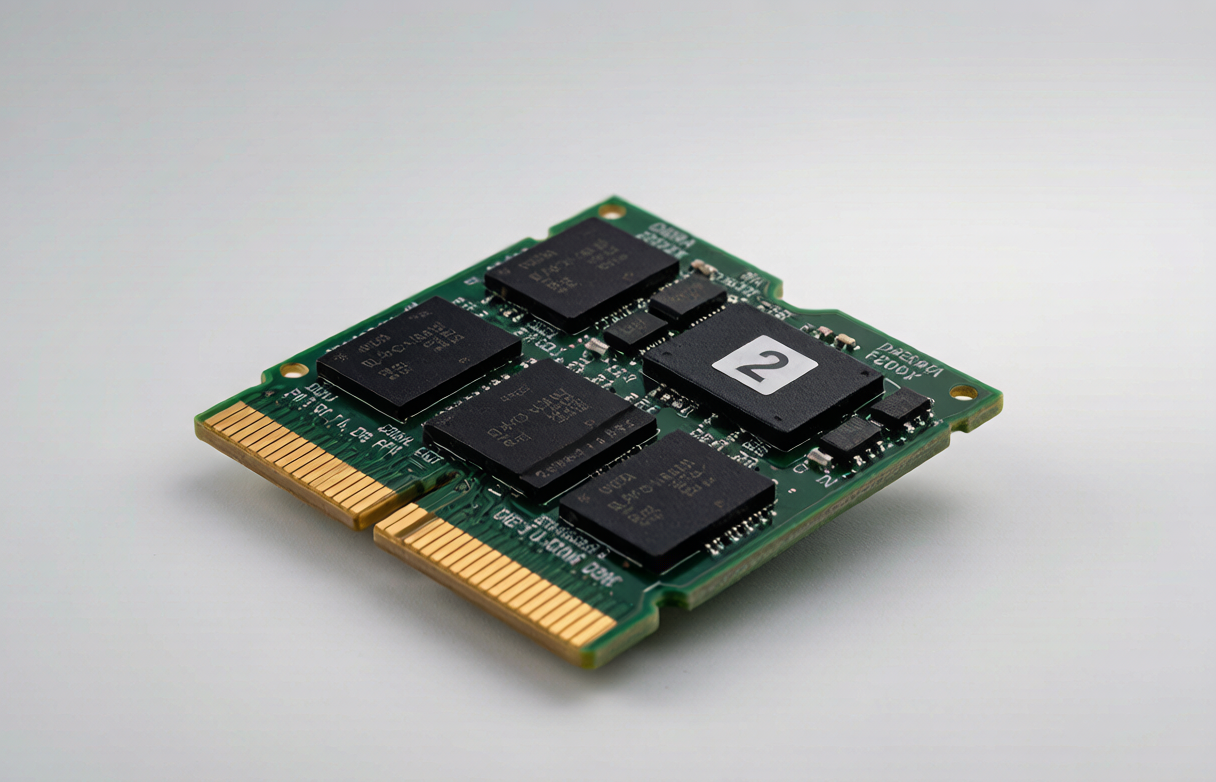
Edge Computing and Storage for Retail Chains
Retail chains face growing demands for real-time processing of video surveillance, POS transactions, inventory updates, and environmental sensor data at store level, while warehouses require higher-concurrency throughput and security video analytics. A mid-sized supermarket can generate hundreds of GB of video data daily; uploading all to the cloud consumes excessive bandwidth and introduces latency from network instability. Stonbel addresses this with an edge storage and AI computing solution built around industrial DDR4/DDR5 memory. Low-power AI boxes and edge inference servers deployed on-site feature wide-temperature memory rated for -40~95°C, paired with distributed storage for local
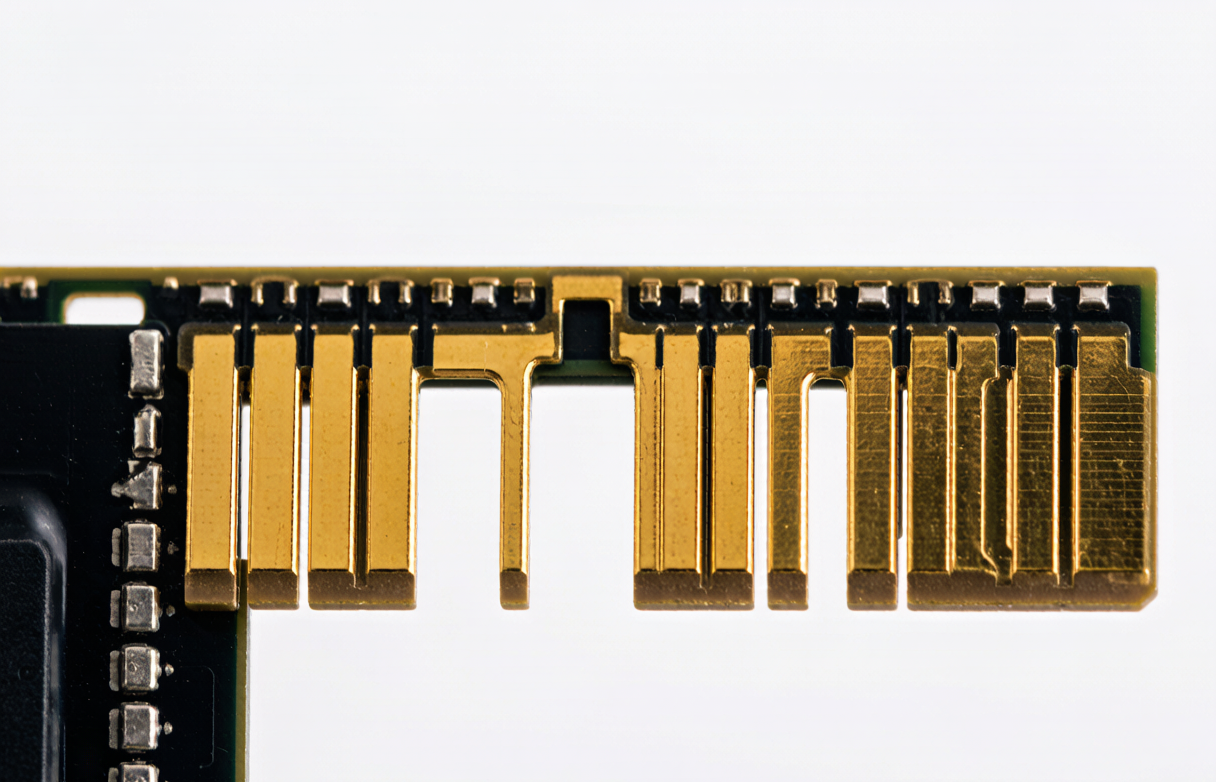
GPU Computing and Distributed Storage Architecture
In retail chain nodes, GPU compute and distributed storage are integrated through a layered design for efficiency. Stonbel's architecture uses three tiers: hot data on NVMe SSD or industrial memory for real-time video streams and high-frequency inventory access; warm data on SATA SSD for recent transactions; cold data archived to cost-effective HDD or object storage. Automated data migration across tiers reduces total storage costs by over 30% while keeping hot-path latency below 20ms. In a smart security upgrade for 30+ premium communities under a major property group, Stonbel
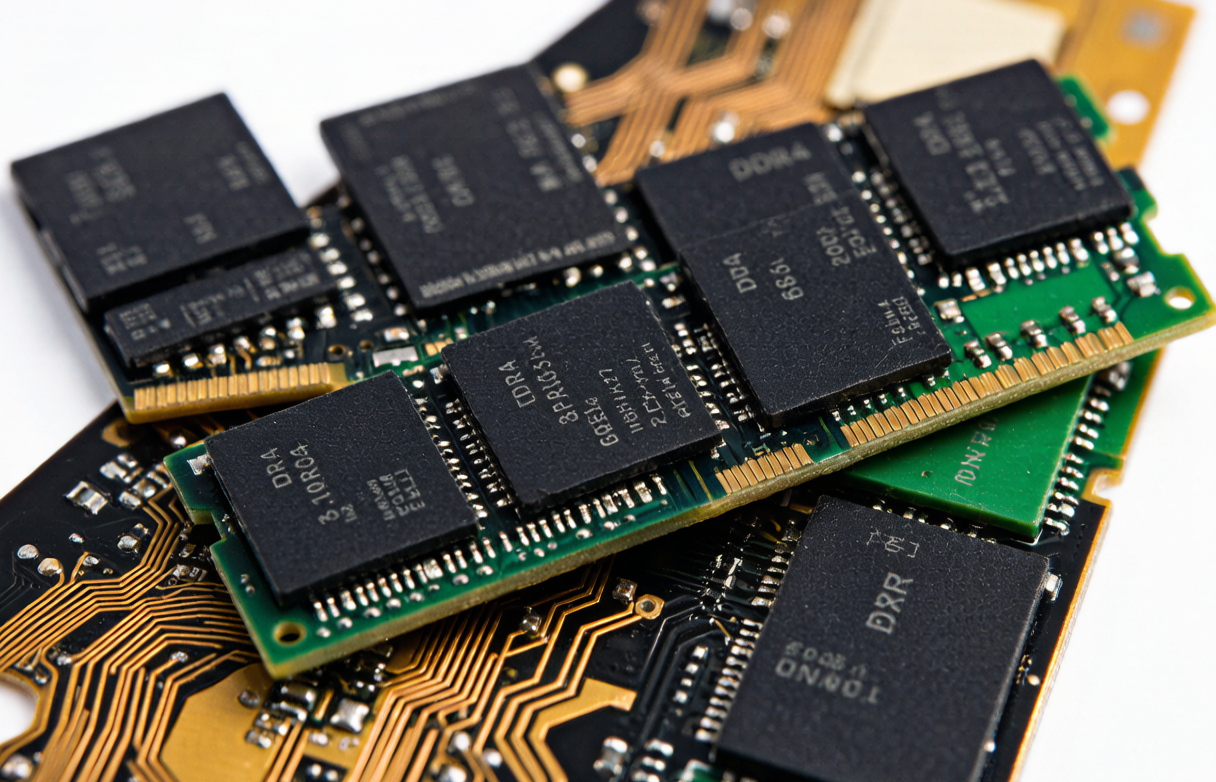
DDR4 vs DDR5 Selection and Compatibility
Retail chains often operate mixed-generation hardware platforms. Stonbel's product matrix covers both DDR4 and DDR5 industrial memory for broad compatibility. DDR4 wide-temperature modules (4800~5600 MHz, 4Gb~32Gb, ECC, GJB7400 N1 compliant) suit legacy upgrades, costing 20%-30% less than DDR5 and fully compatible with Intel 12th-gen and older, plus AMD AM4 platforms. DDR5 modules (6400/7200 MHz, 8GB~64GB, 288-pin, 1.1V) target new deployments with double the speed, lower power, and stronger on-die ECC. For new stores or warehouses, Stonbel recommends DDR5 for longer lifecycle and better energy efficiency. In a national power grid provincial dispatch
Cloud-Edge Collaboration and Intelligent Operations
Retail chain IT architectures typically combine a headquarters private cloud with store-level edge nodes. Stonbel's cloud-edge solution uses a unified management platform for policy distribution, firmware updates, and alert consolidation. Each store node runs an intelligent operations agent monitoring memory ECC error counts, SSD remaining life, and GPU temperature. When frequent error correction or degrading SSD health is detected, the system automatically migrates data and triggers alerts, reducing unplanned downtime by over 80%. In a government cloud disaster recovery project, Stonbel provided distributed storage and DR gateway solutions with synchronous/asynchronous replication and
Q1: How to choose industrial DDR4/DDR5 memory for retail chain nodes?
A: Selection should consider three dimensions: operating temperature range, speed and ECC capability, and platform compatibility. Stonbel offers DDR5 wide-temperature modules (6400/7200 MHz, 8GB~64GB, -40~95°C) and DDR5 Wide Temp ECC versions (5600 MT/s, 16GB~48GB, on-die ECC)—the latter suited for unattended, data-critical scenarios like nighttime warehouse monitoring. For stores with DDR4-only motherboards, DDR4 wide-temperature modules (4800~5600 MHz, 4Gb~32Gb, ECC, GJB7400 N1) provide lower cost and full compatibility. Final selection depends on video channel count, AI model complexity, and ambient temperature range. Stonbel provides compatibility test reports to ensure stable integration with edge servers and AI boxes. New deployments are recommended to adopt DDR5 for longer lifecycle and lower power consumption.
Q2: What advantages does industrial DDR5 offer over DDR4 in retail nodes?
A: Per JEDEC standards, DDR5 starts at 4800 MHz—1.5-2x faster than mainstream DDR4 at 2400/3200 MHz. Stonbel's DDR5 reaches 6400/7200 MHz, processing multi-channel video streams and complex AI inference faster. Voltage drops to 1.1V versus DDR4's 1.2V, reducing power by about 8%—helpful in stores without air conditioning. The key difference is on-die ECC: DDR5 integrates error correction within the memory chip itself, requiring no motherboard support, and corrects single-bit errors in real time, significantly reducing data corruption risk during prolonged operation. This is critical for 7×24 retail nodes. DDR5 also supports higher density (up to 64GB per module) for future expansion. DDR4's advantages are legacy platform compatibility and 20%-30% lower cost, suitable for upgrades or less demanding applications.
Q3: What measurable results can industrial memory deliver for retail chain nodes?
A: Stonbel's real-world deployments demonstrate quantifiable benefits. In retail scenarios, edge nodes with DDR4/DDR5 wide-temperature memory enable local video structuring and analytics, cutting cloud traffic by 70% and per-store costs by 40%. Specific outcomes include customer recognition accuracy above 95% and loss-prevention response times reduced from minutes to seconds. In a similar 5G edge node project, deployment time shrank by 60%, per-node power dropped 35%, application response latency fell from 150ms to under 20ms, and annual node availability reached 99.99%. Storage reliability improves with wide-temperature and ECC features, reducing device
Q4: What are the core differences between industrial and consumer memory?
A: Four key differences: First, operating temperature range—industrial supports -40~95°C versus consumer 0~70°C, preventing data errors or crashes in unairconditioned areas like store kitchens or warehouse mezzanines. Second, error correction—industrial modules support on-die ECC or ECC to detect and correct data errors in real time; consumer modules lack this. Third, lifecycle management—industrial products guarantee long-term supply (typically 5-7 years) to avoid maintenance issues from component discontinuation, while consumer products iterate quickly with higher obsolescence risk. Fourth, reliability certification—industrial modules pass military-grade standards
Retail chain node upgrades fundamentally recombine compute and storage at the edge. Stonbel's industrial DDR4/DDR5 memory with GPU compute delivers low-power, high-reliability, scalable architecture. Validated across China Telecom 5G edge nodes, large real estate smart security, and State Grid dispatch centers, it reduces latency, bandwidth costs, and boosts availability. Wide-temperature and ECC features, plus elastic distributed storage, form the retail foundation. As DDR5 and lightweight edge AI evolve, this architecture will support more real-time analytics, achieving cost reduction and compliance.