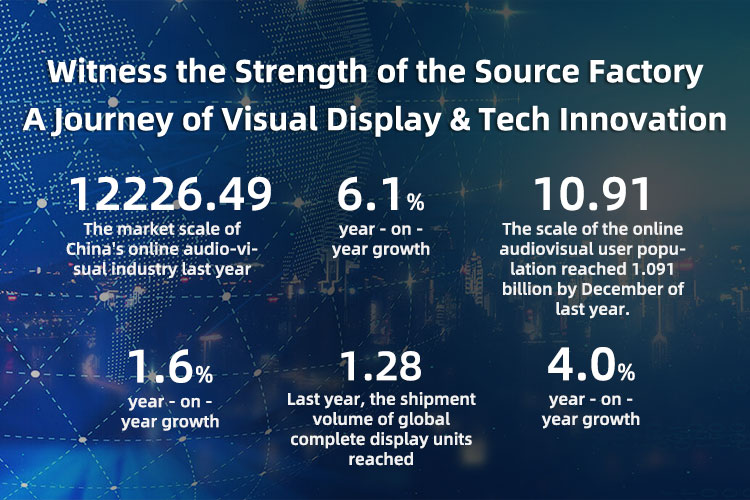
Selecting a dispatch center LED display is not a simple parameter comparison but requires a comprehensive evaluation of application scenarios, budget constraints, and maintenance capabilities. This article explores technical details, real cases, and credential backing to provide a practical selection reference.
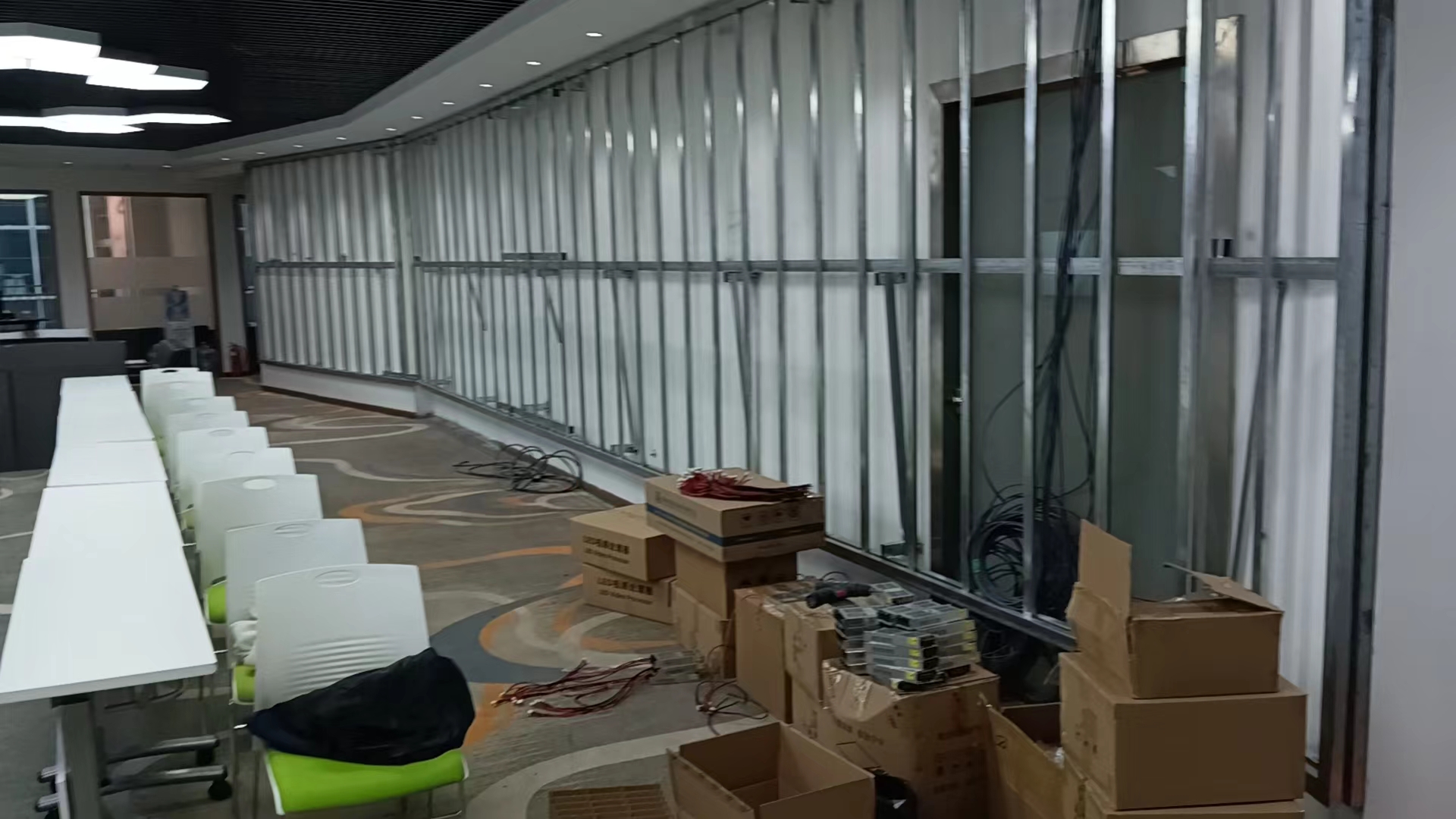
Certifications & Trust: The Foundation for Control Room LED Display Selection
Selecting a control room LED display is fundamentally an assessment of technical capability and service support. Stonbel, ranked among the top ten in the industry, provides highly reliable display solutions for control room projects, backed by comprehensive certifications and a nationwide after-sales service network. Our technology matrix, spanning COB, GOB, and SMD, along with custom designs, addresses diverse budgets and application scenarios. From the high-protection environment of Zhengzhou East Railway Station to the seamless video walls in government service halls, our real-world cases demonstrate the significant value of control room LED displays
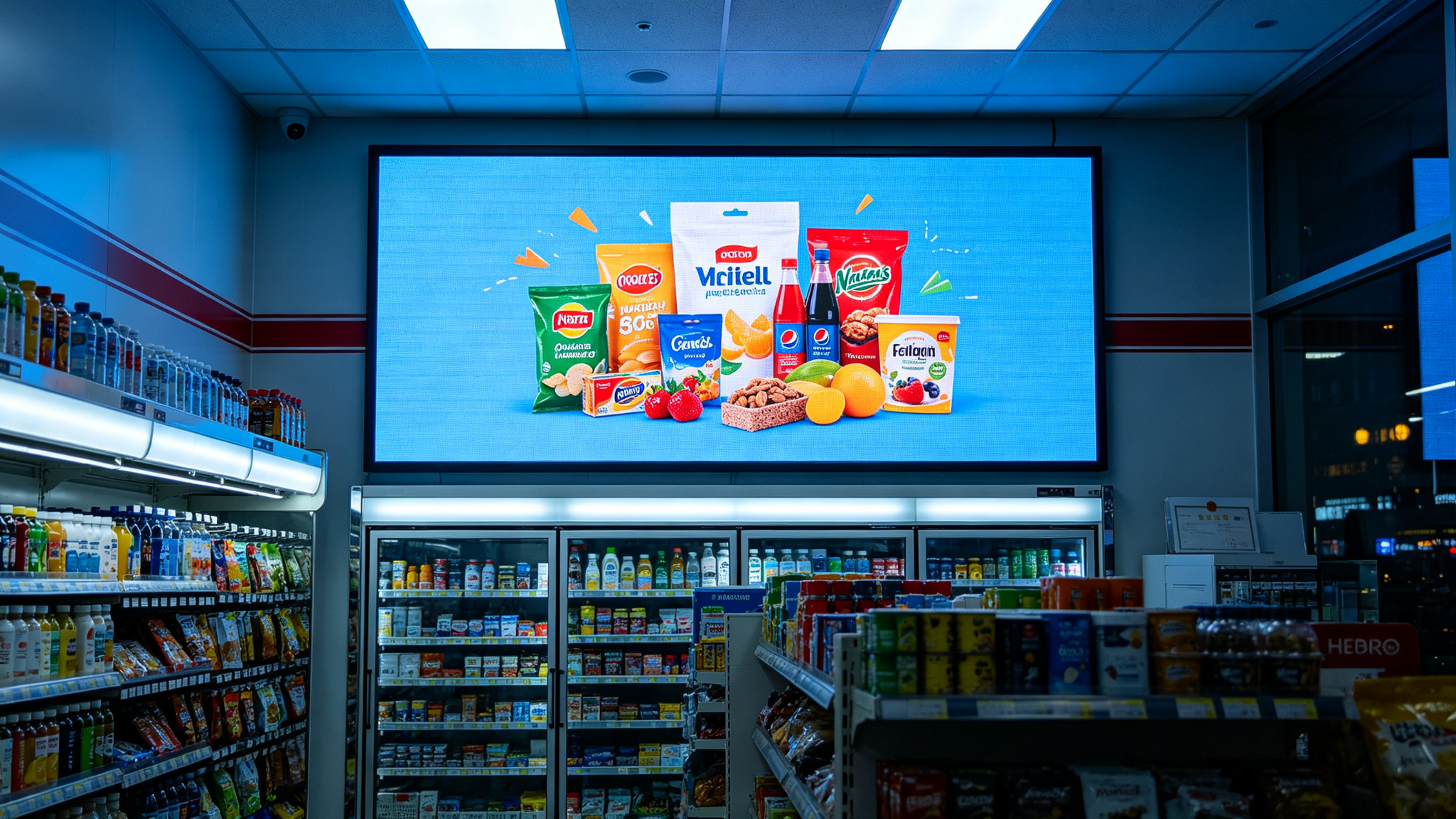
Packaging Technology Selection: COB, GOB & SMD for Control Rooms
The packaging technology of a control room LED display directly determines picture quality, durability, and cost, making it a core selection criterion. Stonbel offers three mainstream packaging technologies—SMD, COB, and GOB—each suited to different control room sub-applications. SMD packaging uses surface-mounted lamp beads soldered onto the PCB. This mature, cost-effective process supports all size specifications and offers a wide brightness adjustment range. In auxiliary display
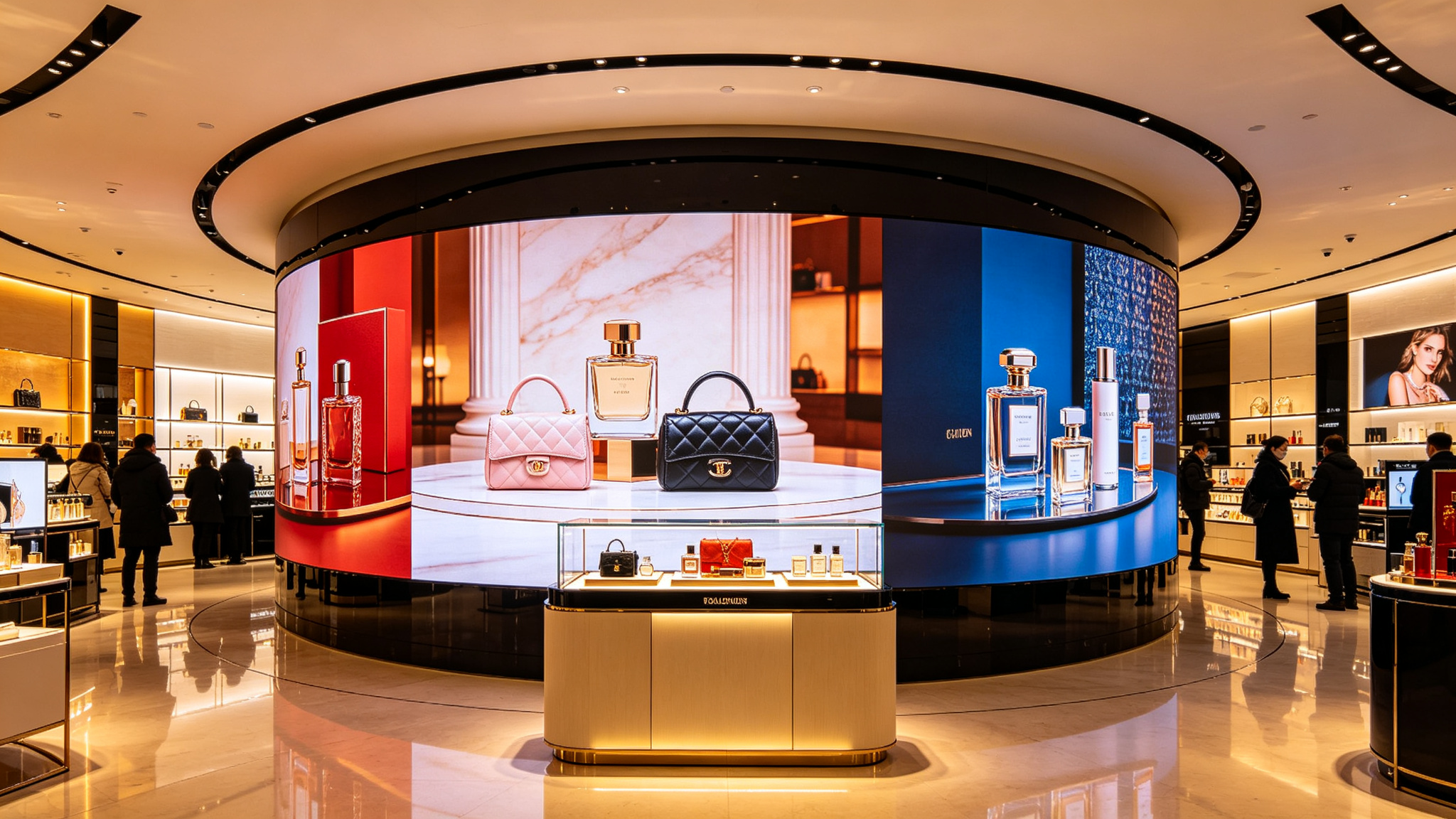
Real-World Case Studies: From Zhengzhou East Station to Government Halls
The value of a control room LED display is ultimately validated in real projects. Stonbel's implementations in transportation, government, and commercial sectors demonstrate the practical performance of different packaging technologies in complex scenarios. The Zhengzhou East Railway Station project is a typical application of GOB packaging in a transportation dispatch context. The station faced issues with mixed legacy display brands, low clarity, delayed train information updates, and screens susceptible to damage and dust ingress in the
Feature Expansion & Customization: Adding Value to Control Room Displays
Control room LED displays are evolving from isolated terminals into comprehensive information platforms integrating smart interaction, remote maintenance, and customized form factors. Stonbel leverages this trend through feature expansion and customization capabilities, creating added value for control room projects. Smart interaction and networking are key highlights. Our displays support 4K/1080P HD, feature built-in 5G/WiFi/4G modules, and can connect to a remote O&M platform for real-time status monitoring and diagnostics. In the Chengdu project, the
Q1: What is the difference between COB and GOB packaging for control room LED displays, and how do I choose?
A: COB packaging involves directly bonding the LED chip to the PCB without individual lamp beads. It offers the finest pixel pitch down to P0.7, delivering exceptionally smooth, grain-free images with high protection (IP55). It is ideal for command centers and secure environments where picture quality is paramount, providing a seamless viewing experience. In a government hall project, a COB P1.5 screen achieved seamless splicing, improving clarity by 50% and reducing information sharing time by 70%. GOB packaging applies a transparent resin over SMD lamp beads, enhancing protection to IP65+ at a lower cost than COB. It
Q2: How significant are refresh rate and grayscale for control room LED displays?
A: They are very significant. Refresh rate determines flicker; a high rate like 7680Hz effectively eliminates motion blur, crucial for displaying fast-moving maps or video streams. Grayscale affects color depth; 22-bit grayscale renders smooth gradients, preventing color banding. For control rooms where operators view screens for extended periods, high refresh rate and grayscale significantly enhance visual comfort. Stonbel control room displays support up to 7680Hz refresh rate and 22-bit grayscale, with a color gamut of NTSC≥130% for accurate color reproduction. At Zhengzhou East
Q3: What are the specific benefits of IP65 protection for control room LED displays?
A: IP65 signifies complete dustproofing and protection against water jets, suitable for high-dust, high-humidity, or high-contact environments. For example, the Zhengzhou East Station project used GOB P2.5 screens where IP65 protection reduced failure rates by 75% and annual maintenance costs by 58%, extending lifespan. For control rooms, if the site has dust or requires cleaning, IP65 minimizes dust ingress that can degrade image quality, reduces maintenance frequency, and ensures continuous information display. Specifically, IP65 means the display housing is fully protected against dust and can withstand
Q4: What are the applications for customized control room LED displays like shaped or floor screens?
A: Stonbel supports customization for shaped LED screens, film screens, holographic screens, grille screens, and floor screens, with capabilities for flexible splicing, curved adaptation, and thickness optimization. In control room scenarios, customization applies to: 1) Exhibition halls and lobbies, using shaped or floor screens to create immersive spaces. For instance, a P3.91 LED floor screen with ≥800kg load capacity and interactive features increased visitor dwell time by 40% in a project. In a control room exhibition hall, such screens can display city maps or emergency resource data with interactive effects triggered by footsteps, making information delivery more engaging. 2) Atriums or
Looking ahead, dispatch center LED displays will further integrate intelligent interaction and big-data visualization. Stonbel has expanded into LED texture screens and all-in-one conference displays, yet remains focused on LED display technology. Its storage and AI computing services, though auxiliary, provide underlying support for multi-signal access and data processing. Industry leaders like Stonbel are driving standards from pure display to smart interaction and from single-point deployment to network-wide collaboration—a transformation in dispatch center operations. For integrators, choosing a brand with credentials and technical expertise is key to long-term project value. Selection should consider the supplier's full-chain service capability: from needs analysis, solution design, and product customization to installation, commissioning, and maintenance training. Stonbel, backed by its top-10 industry ranking, military-grade confidentiality qualifications, and a service network across 31 provinces, has delivered solutions for clients like Huawei, Peking University, Peking Union Medical College Hospital, and the Guangdong Provincial Emergency Management Department, ensuring reliable delivery for future dispatch center projects.