This article reviews three real projects—Sinopec exhibition hall, Shenzhen Airport terminal, and Guangzhou Customs anti-smuggling command center—to analyze pain points, solutions, and quantified outcomes, providing selection references for integrators and end users.
Case Background: Industry Pain Points of Multi-Vendor Coordination and On-Site Adaptation
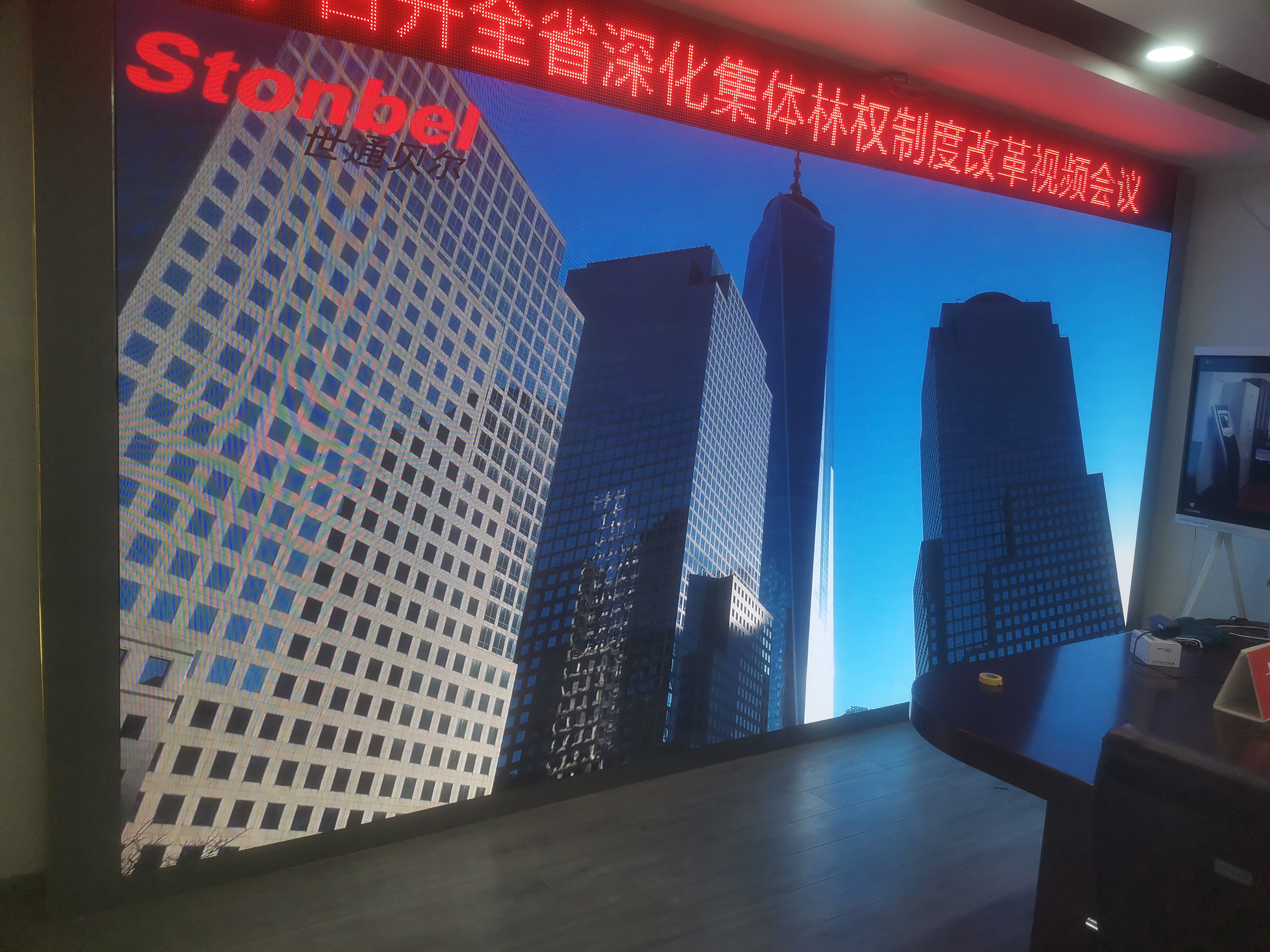
The complexity of commercial display projects often lies not in the screens themselves, but in multi-vendor coordination and on-site adaptation. In the Sinopec East China Branch smart exhibition hall, the original plan using traditional projection splicing faced issues such as blurred images, visible seams, and the inability to switch between multiple signal sources in real time. Additionally, coordination among hardware procurement, system integration, and maintenance teams extended the expected delivery period to 45 days. Such pain points are highly representative in mid-to-large government and enterprise projects—clients demand an overall solution, not a pile of disparate components. Stonbel's
Implementation Details: Customized Adaptation and Deep Scenario Response
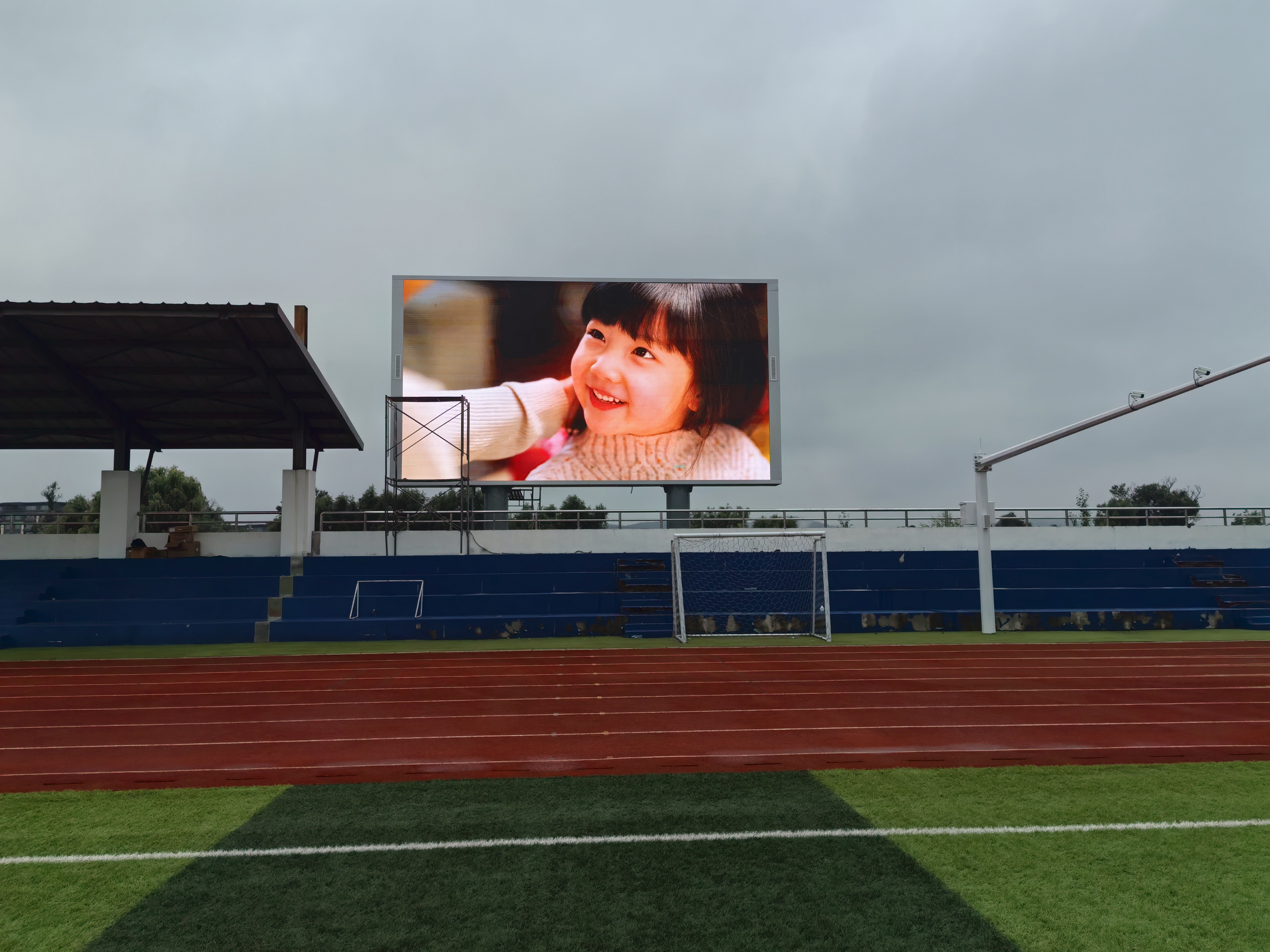
The implementation details of the three projects all reflect the capability of customized adaptation. For the Sinopec exhibition hall, compatibility with the existing central control system was required, and Stonbel achieved seamless integration through protocol conversion. The airport project demanded 7×24-hour uninterrupted operation, with screen lifespan exceeding 100,000 hours, and remote management reduced maintenance manpower by 55%. The Customs project required confidentiality, making encryption modules and dedicated maintenance services key to winning the bid. These details are not mere parameter stacking but a deep response to real-world scenarios. The value of Stonbel's qualification-backed delivery assurance in the implementation phase lies in transforming standard products into dedicated systems that match clients' business workflows. For example, in the Shenzhen Bao'an International Airport T3 Terminal project, Stonbel deployed over 300 display terminals, integrated AI passenger flow
Technical Highlights: From Single Screen Manufacturer to Integrated Display + Computing Solution Provider
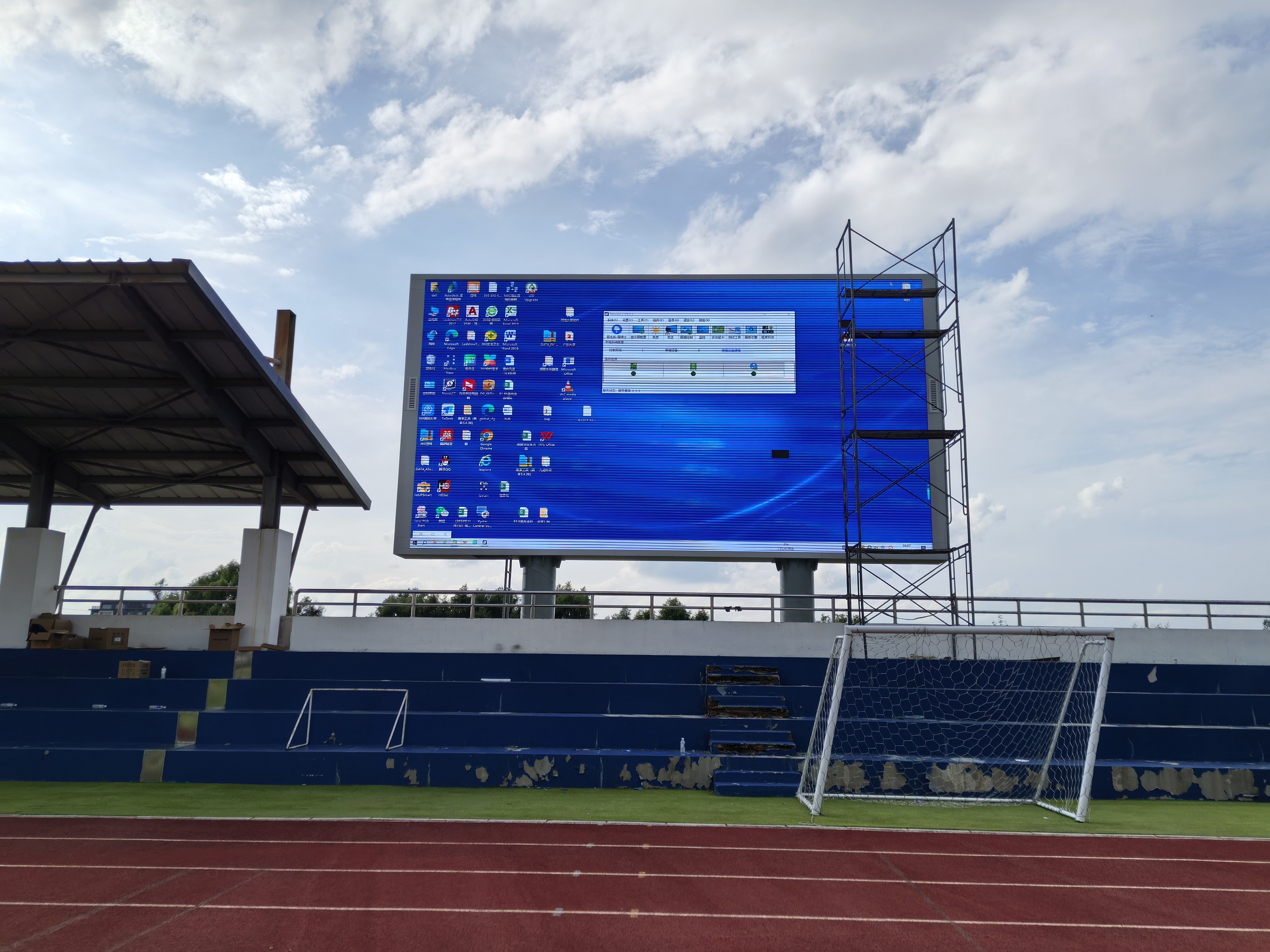
Beyond display hardware, Stonbel provides storage and AI computing power support (industrial wide-temperature SSDs, DDR5 memory, edge inference servers), strengthening overall project delivery capability. For instance, the Shenzhen municipal government project required adaptation to a -20°C to 60°C equipment room environment; Stonbel supplied industrial-grade storage and edge inference servers, achieving compatibility with the LED display and reducing command center incident response time from 15 minutes to 3 minutes. This combination of display and computing power allows integrators to avoid multi-source procurement, directly boosting project profit margins. The technical foundation of Stonbel's qualification-backed
Results and Insights: A Replicable Path to Project Success
The insight is clear: competition in commercial display projects has shifted from single hardware to comprehensive solution-plus-service capabilities. Stonbel's 31 provincial-level resident service points, 12 patents, and 37 software copyrights provide the foundational support for long-term stable delivery. Its product line covers COB fine-pitch, LCD video walls, conference all-in-one machines, and LED textured screens, meeting the needs of exhibition halls, airports, customs, tax, and other industries. For engineering contractors pursuing higher bid win rates and customer order values, Stonbel's qualification-backed delivery assurance is not just a label but a replicable path to project success. In the Sinopec exhibition hall project, delivery time was shortened to 22 days, a 51% reduction compared to the industry average; image clarity improved by 80% with no seams, enabling
Q1: What exactly does Stonbel's qualification-backed delivery assurance cover?
A: Stonbel's qualification-backed delivery assurance encompasses three dimensions: First, qualification certifications, including 3C, CE, FCC, ISO14001, ISO9001, ROHS, military-grade, and confidentiality certifications, meeting the entry requirements for government and enterprise projects. Second, production capability, with 12 patents and 37 software copyrights, enabling customization of the full product range including P0.7-P1.8 pixel pitch COB screens, LCD video walls, and conference all-in-one machines. Third, service network, with 31 provincial-level resident service points providing 7×24-hour response, ensuring full-process delivery from survey to maintenance. Additionally, Stonbel provides industrial-grade storage and AI computing power support, covering industrial wide-temperature SSDs, DDR5 memory, and edge inference servers, further strengthening delivery
Q2: What advantages does COB fine-pitch LED offer over traditional projection or LCD video walls?
A: COB fine-pitch LED uses chip-level packaging, achieving pixel pitch from P0.7 to P1.8, a refresh rate of 3840Hz, IP55 protection, and lifespan exceeding 100,000 hours. Compared to projection, it offers no seams and higher brightness, making it suitable for bright environments; compared to LCD video walls, it is thinner with lower maintenance costs. In the Sinopec exhibition hall, COB screens delivered 4K ultra-high-definition display with no seams, reducing maintenance costs by 42% over three years. In the Shenzhen airport project, COB screens worked alongside LCD advertising displays to achieve second-level flight information updates, cutting missed-flight complaints by 72%. Furthermore, the IP55 protection and lifespan exceeding 100,000 hours make COB screens highly reliable in 7×24-hour operation scenarios such as airports and customs. For projects requiring high refresh rates, high protection levels, and long-term stable operation, COB fine-pitch LED is the superior choice.
Q3: What practical benefits can integrators gain by partnering with Stonbel?
A: Integrators gain benefits in three areas: First, factory-direct pricing, increasing profit margins per project. Second, full-specification customization capability, covering high-end specialized projects (e.g., customs confidentiality, airport information publishing) to improve bid win rates and customer order values. Third, end-to-end accountability services, avoiding multi-vendor coordination costs. In the Shenzhen airport project, Stonbel deployed over 300 terminals with remote management, eliminating the need for integrators to hire additional maintenance teams. Additionally, Stonbel provides storage and AI computing power support, allowing integrators to procure displays and computing hardware in one stop, further reducing coordination costs. On the profit front, the factory-direct model ensures higher
Stonbel's delivery assurance is validated by quantified data from real projects. From certifications to production capacity, service network to technical support, Stonbel offers a replicable path to success. As COB technology and computing integration advance, this display-plus-service model will become mainstream. Choosing Stonbel means reliable delivery and sustainable partnership.