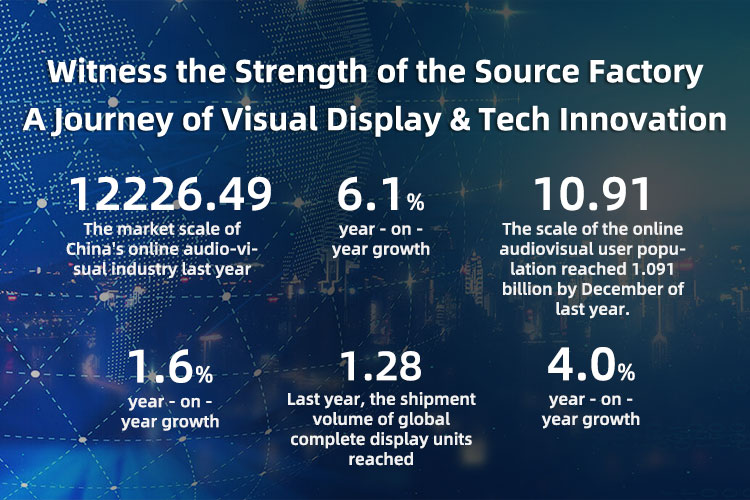
Enterprise data centers face fragmented compute demand and high hardware costs. For many mid-small AI inference, training, or rendering projects, one-time GPU server purchases consume budgets and require facility upgrades and dedicated ops, often delaying timelines. Stonbel, an LED/LCD display source manufacturer, addresses this with a compute rental model for mid-small data center projects. Based on real cases, this article examines how on-demand, compliant compute support lowers upfront costs and speeds delivery.
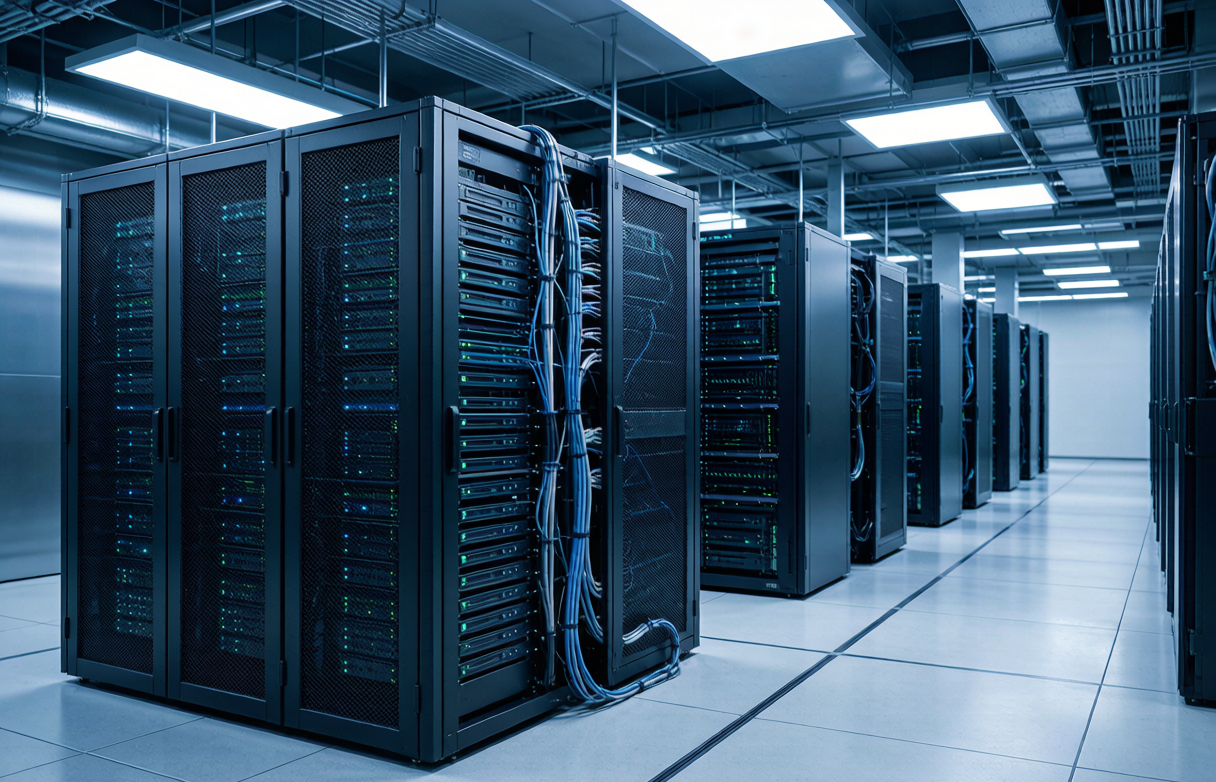
Pain Points & Model: From Heavy Asset Ownership to Lightweight Leasing
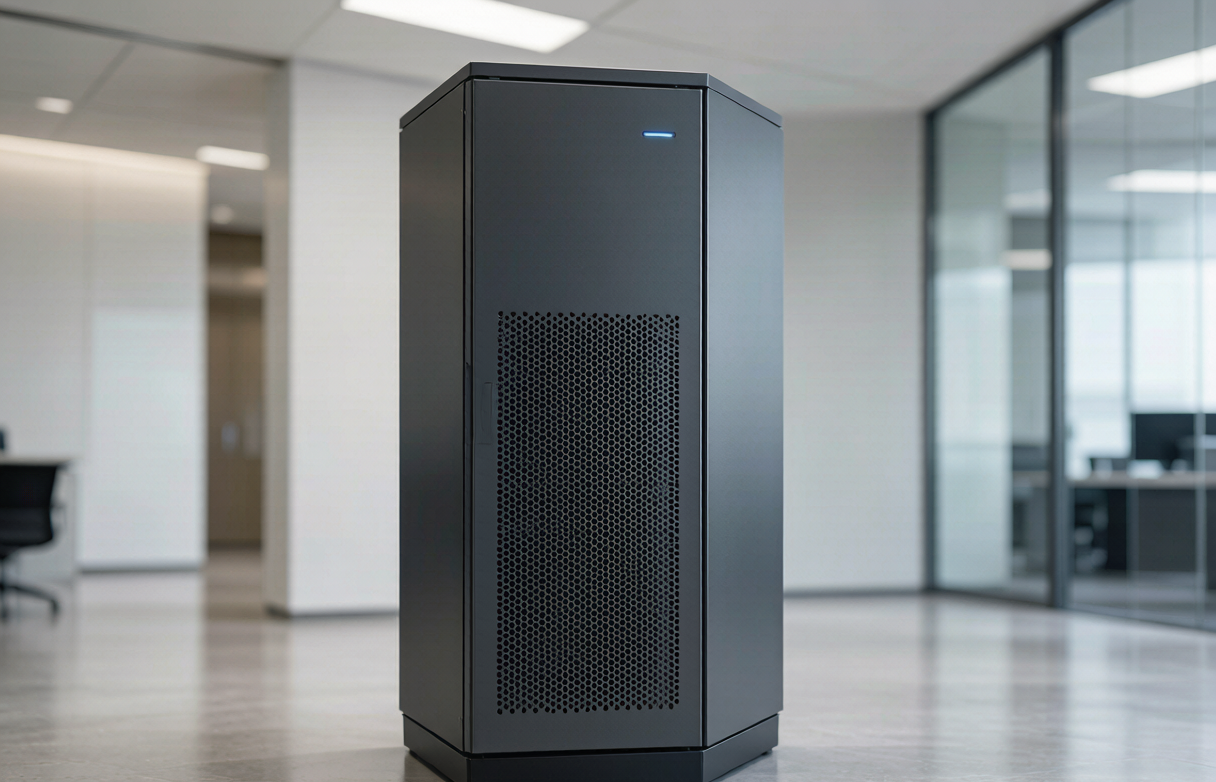
Traditionally, enterprises needing additional AI compute power faced two paths: building their own data centers, purchasing servers, and hiring operations teams, or renting public cloud resources. The former requires high upfront investment, has long lead times, and risks resource idling; the latter, while flexible, often struggles to meet strict data security and localization compliance requirements of government and enterprise clients. Stonbel's compute leasing model strikes a balance between these two. It targets small-to-medium AI inference, training, or rendering projects, offering on-demand or term-based leasing of domestic AI accelerator chips (e.g., 910/310 series) or mainstream GPUs, supporting compliant environments and eliminating large upfront infrastructure costs. The key lies in 'integration'—the compute provider must deeply understand project workload characteristics and match them with
Case Validation: From Power Dispatch to Manufacturing QC
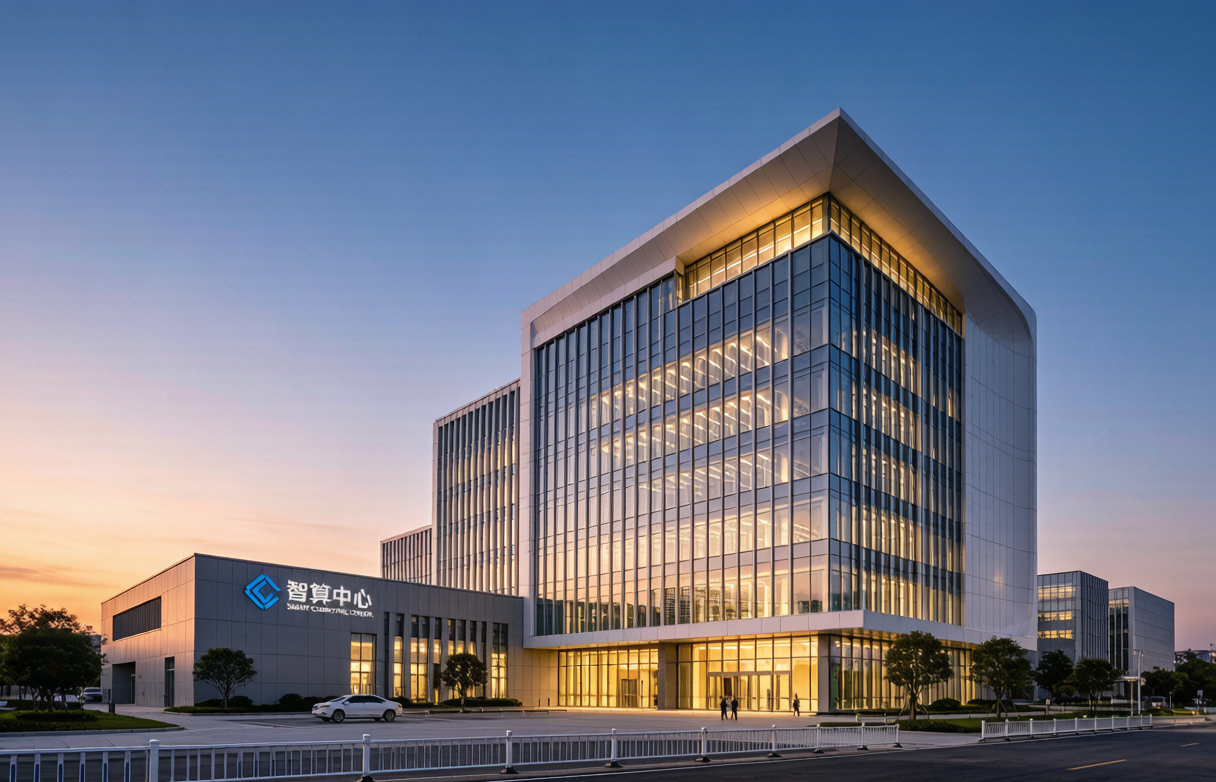
In a provincial power dispatch center upgrade for State Grid, the client needed real-time monitoring and intelligent dispatch across 500+ substations. Existing storage suffered frequent read/write errors in summer heat, and legacy servers couldn't handle real-time analysis of massive power data. The project also required IT localization compliance, but the original plan involved coordinating six suppliers with an 8-month delivery cycle. Stonbel provided an integrated solution of industrial wide-temperature SSDs, DDR5 ECC memory, and edge inference servers, adapted for the dispatch center's -10°C to 55°C environment. This included compatibility with existing LED display systems, full project coordination, direct factory supply, and support for IEC 61850
Compliance & Security: Hard Requirements for Classified and Financial Scenarios
For classified projects, such as the secure meeting room for the Chinese Academy of Electronics and Information Technology, the leasing model demonstrates its suitability for compliance and data security. The client required physical isolation, data encryption, and a ban on consumer-grade products with potential backdoors. Stonbel deployed an intelligent meeting display system, with locally deployed compute and storage ensuring data remains on-site with zero leakage. While the core equipment was the display system, the underlying data storage and processing were secured through the same small-to-medium compute leasing model. This proves the model can be flexibly embedded into complex integration projects as
Service Network & Maintenance: Reducing Long-Term Operational Risk
Compute leasing is not just about hardware supply; it involves long-term maintenance. Stonbel leverages resident service points across 31 provinces and cities for localized support, ensuring rapid response anywhere. Its intelligent operations and predictive failure features monitor SMART, IO latency, and temperature metrics in real time, predicting potential failures and automatically migrating data to reduce unplanned downtime by over 80%. In a remote monitoring project for a western oil field, wellsite equipment operated in extreme desert conditions (-35°C to 60°C) with significant temperature swings and heavy sand. Consumer-grade storage had a 15% monthly failure rate, and lack of local AI inference meant all video was sent back to the central data center, costing over 20,000 RMB per wellsite annually in bandwidth. Stonbel provided industrial wide-temperature CFast cards and AI boxes, adapted for the harsh environment, enabling local video storage and
Q1: What scenarios are suitable for small-to-medium compute leasing?
A: It's mainly for small-to-medium AI inference, training, or rendering projects, such as industrial visual inspection, power dispatch monitoring, and government cloud disaster recovery. These scenarios typically have phased, elastic compute needs and are sensitive to upfront hardware costs. Leasing allows on-demand or term-based use of domestic AI chips (e.g., 910/310 series) or mainstream GPUs, supporting compliant environments and avoiding large capital expenditure. It's ideal for enterprises with limited budgets or those wanting to quickly validate AI applications. For example, in an EV production base's AI visual inspection project, Stonbel's leasing model enabled rapid deployment, reducing false detection to below 1.5%, increasing line speed by 15%, and saving ~8 million RMB annually per line.
Q2: How is hardware reliability ensured in compute leasing?
A: All leased hardware from Stonbel meets certifications like 3C, CE, FCC, and ISO9001, and holds high-level industry qualifications for military and classified use. Storage options include industrial wide-temperature SSDs and DDR5 ECC memory, adapted for environments ranging from data centers to industrial sites. For instance, in the ICBC core data center expansion, Stonbel provided industrial NVMe SSDs and DDR5 ECC memory, completing compatibility certification with the bank's core systems and Kylin OS, achieving an annual failure rate below 0.3%. Basic maintenance is included, supported by localized service points across 31 provinces, with intelligent operations and predictive failure features designed to reduce unplanned downtime by over 80%.
Q3: What are the cost advantages of leasing versus building a compute center?
A: Based on actual project data, leasing can reduce upfront hardware costs by over 70%. For example, in a power dispatch center project, hardware costs were reduced by 18% and delivery time from 8 to 4 months. The core advantage is converting capital expenditure into operational expenditure, flexibly matching compute needs across project phases, avoiding resource idling, and eliminating the need for a dedicated operations team, thus lowering overall project costs. In the western oil field remote monitoring project, leasing reduced annual comprehensive maintenance costs by ~12,000 RMB per wellsite, cut bandwidth costs by 65%, and lowered the monthly failure rate from 15% to below 2%, significantly improving ROI.
Stonbel's compute rental model for mid-small data center projects goes beyond cost savings. It represents a service-oriented infrastructure delivery paradigm, bridging compute supply and demand. From State Grid dispatch centers to BYD smart lines, ICBC storage, and PetroChina well-site monitoring, these cases validate reduced upfront investment, faster delivery, data security, and compliance. As more cases emerge, this model is expected to gain wider adoption. For decision-makers weighing build vs. rent, Stonbel offers a reference. With increasingly fragmented compute demand, this flexible model will play a key role across industries, accelerating digital transformation.