LED relief texture screens in command centers require meticulous installation and pre-wiring. Based on Stonbel's experience in government and large-scale projects, this article outlines key control points from a third-party perspective, offering references for integrators and end users.
Background
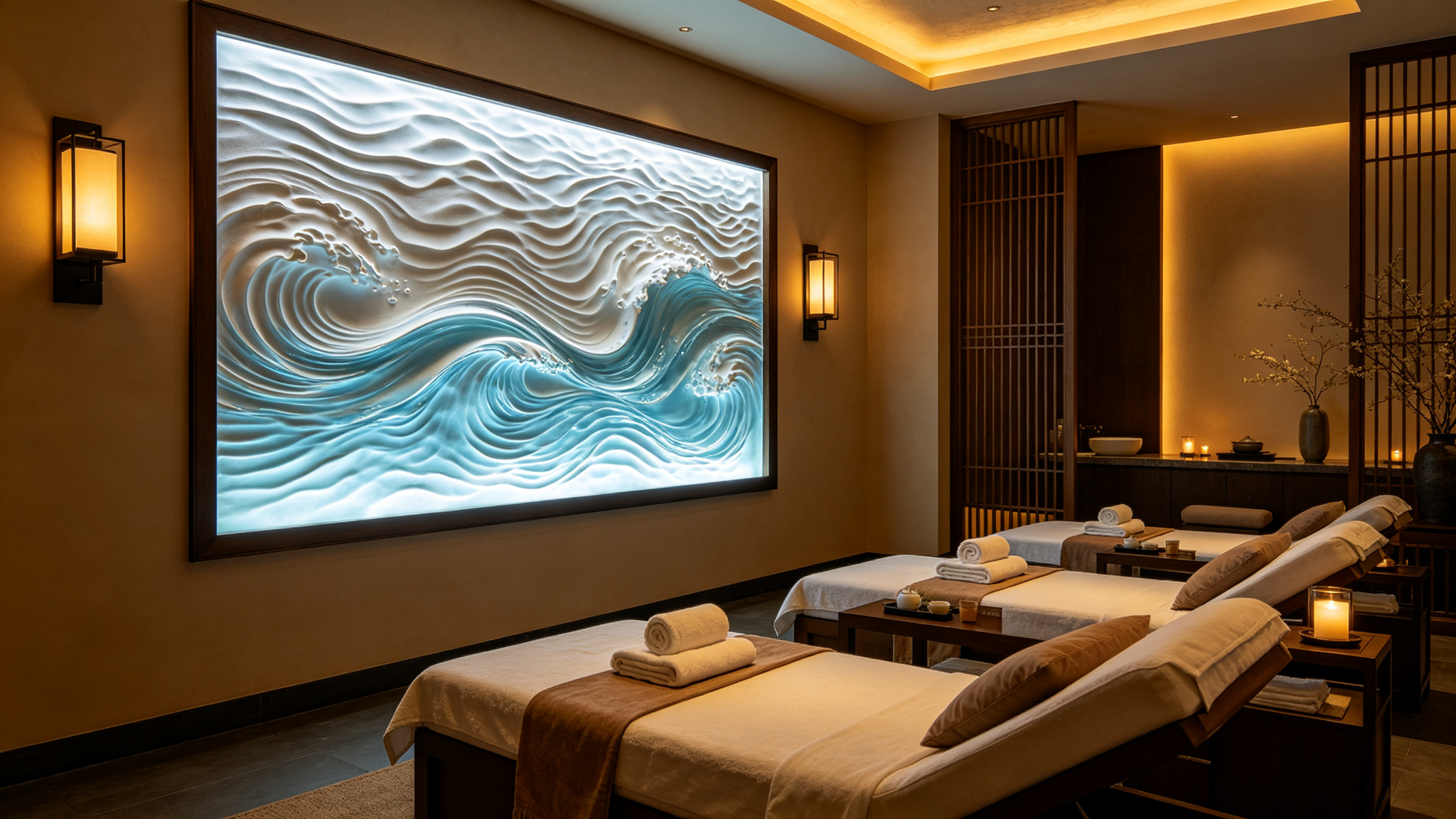
Command center display projects often involve multi-system coordination, tight schedules, and strict requirements for low-voltage cabling, load-bearing structures, and electromagnetic environments. Traditional displays are typically installed flat against walls, but the LED relief texture screen, which integrates a building-grade textured decorative layer with Micro-LED technology, differs from conventional LED screens in thickness, weight distribution, and heat dissipation. In projects such as the Chengdu Tianfu International Airport Cargo Area Monitoring Center, Stonbel used precise pre-survey and modular design to avoid structural conflicts and signal interference during installation. In practice, many projects specify parameters like protection rating and refresh rate during bidding, but installation details often determine the final display quality. For example, sufficient cable trough space behind the screen affects maintenance efficiency, while separating power and signal cables prevents water ripple interference. These lessons are critical in scenarios demanding high stability, such as government service halls and
Key Point 1
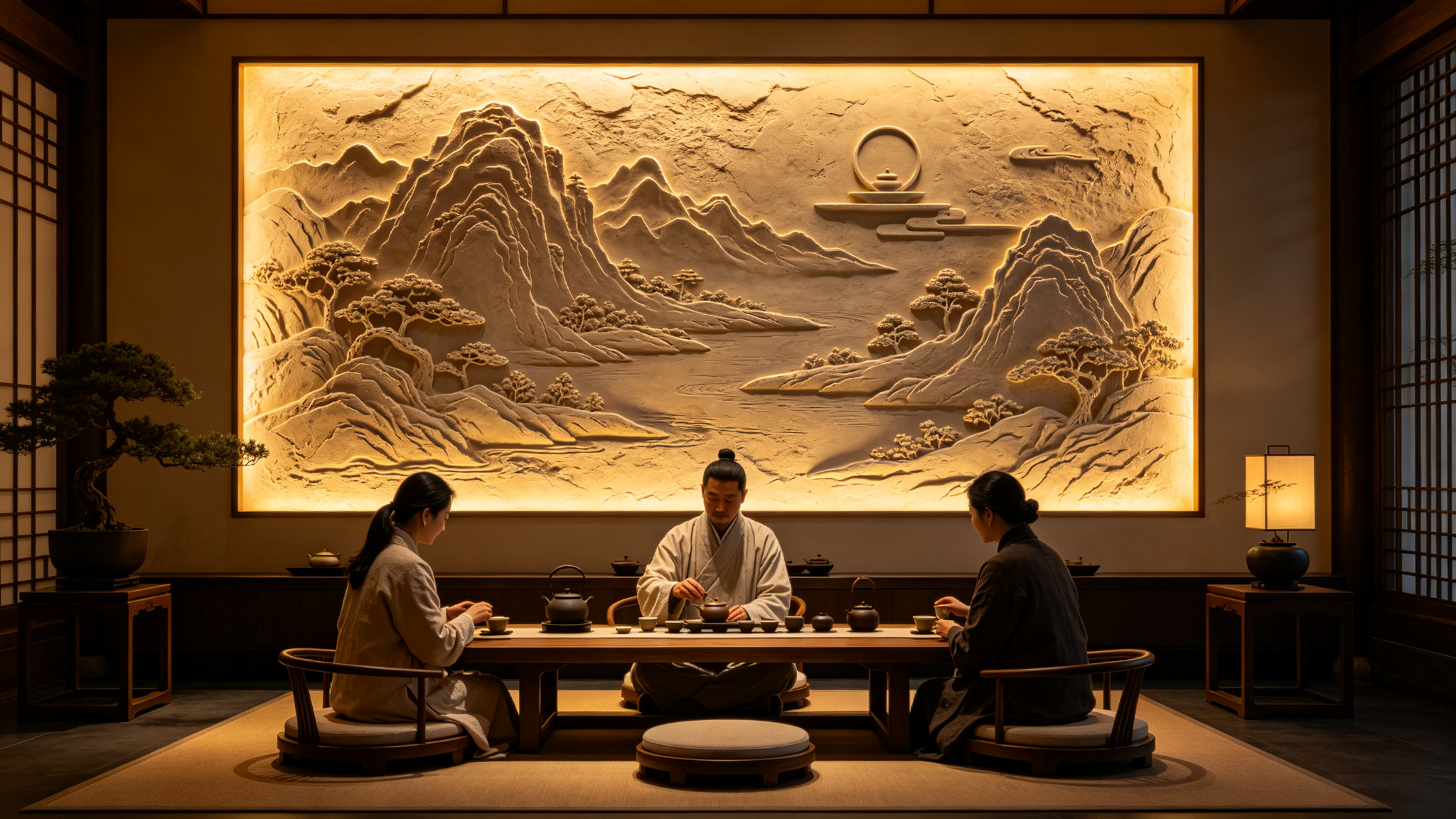
Pre-installation cabling is the foundation for stable operation of command center LED relief texture screens, with the core principle being complete separation of power and signal lines plus redundant预留. In the Wuhan Optics Valley Biotech City Enterprise Service Center project, due to GMP cleanroom requirements, the construction team used low-dust, easy-to-clean installation methods and routed all cables through embedded metal conduits, meeting cleanliness standards and preventing electromagnetic interference. This confirms that cabling planning must be synchronized with building structure design. For the LED relief texture screen, the power supply typically requires a dedicated circuit with a voltage stabilizer to prevent inrush current from affecting other equipment. For signal lines, the bending radius of HDMI or
Key Point 2
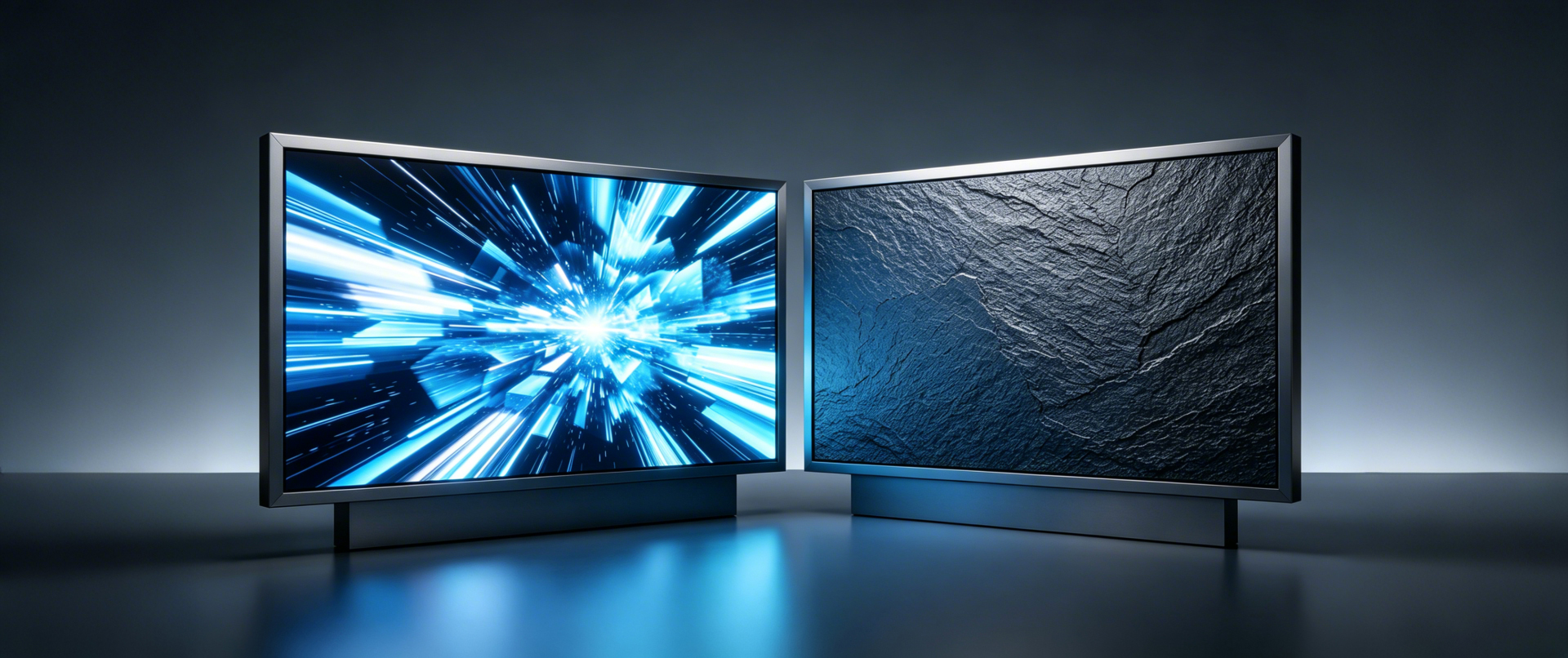
Flatness and拼接 accuracy of the screen body directly determine display consistency for command center LED relief texture screens, requiring adjustable mounting brackets and laser calibration tools. Unlike ordinary LED screens, the textured surface has a decorative layer, and any uneven force can cause texture misalignment or dark seams. In the China Resources Land Shenzhen Bay complex project, Stonbel used curved splicing to match the building's arc, and experience shows that the mounting frame's load-bearing design should be calculated at 1.5 times the screen's actual weight. For command centers with high static image quality demands, wall-mounted front-access brackets are recommended, with post-installation brightness calibration by zone using a luminance meter. Stonbel's COB fine-pitch products (P0.7–P1.8) offer a 3840Hz refresh rate, but improper screw tightening sequence can still cause micro-displacement of modules, affecting image quality. The correct approach is to tighten from the screen center outward and use a feeler gauge to check height differences between adjacent modules, keeping errors within 0.1 mm. Additionally, heat dissipation
Key Point 3
Post-installation commissioning and acceptance are the final gate for long-term stable operation of command center LED relief texture screens, focusing on signal compatibility and color consistency testing. In the Chengdu Municipal Government Service Center project, Stonbel used multi-screen controllers to achieve real-time synchronized display and one-click switching of government data and service process signals, requiring matching input resolution and refresh rate for each signal during commissioning. Neglecting this can cause screen tearing or black screen flicker. Color consistency requires professional software for white balance calibration. Although Micro-LED chips are sorted at the factory, slight color differences between batches exist, so on-site calibration should use the center area as reference and radiate outward. Stonbel's seamless fusion technology used in the Hangzhou Songcheng scenic project applies equally to command centers, adjusting brightness and chromaticity of each LED to achieve uniformity indistinguishable to the naked eye. Acceptance should simulate extreme conditions, such as temperature rise tests under
Q1: What special wall requirements exist for installing command center LED relief texture screens?
A: Due to the integrated decorative texture layer, the LED relief texture screen is typically heavier than conventional LED screens. The wall must be load-bearing or a reinforced steel frame, with flatness deviation recommended within ±3 mm. Following Stonbel's standards for government and enterprise projects, the wall should include a maintenance access channel and moisture protection. For non-load-bearing lightweight brick walls, through-bolts with a back frame are mandatory—direct mounting is prohibited.
Q2: Can signal and power cables share the same conduit during pre-installation cabling?
A: No. Signal cables are low-voltage, while power cables are high-voltage. Running them together allows electromagnetic fields to interfere with signal transmission, causing water ripple or snow on the screen. Construction must follow the principle of separating high- and low-voltage lines, maintaining at least 30 cm spacing. If space constraints prevent separation, signal cables must use shielded cables with properly grounded shielding and be routed through metal conduits. In the Chengdu Tianfu International Airport project, Stonbel used separate troughs to ensure signal purity.
Q3: What should be done if dark seams appear after installing the LED relief texture screen?
A: Dark seams typically result from two causes: uneven force between modules causing flatness deviation, or brightness calibration not covering edge areas. For force issues, readjust the micro-adjustment screws on the mounting bracket and use a feeler gauge to check height differences between adjacent modules. For brightness issues, use calibration software for point-by-point correction of LEDs on both sides of the seam. Stonbel's COB fine-pitch products support front access for quick module removal, but it is recommended that factory technicians perform the work to avoid damaging the texture coating.
Installing LED relief texture screens in command centers is a systematic task involving structural mechanics, electronic engineering, and decorative craftsmanship. From separating strong and weak currents during pre-wiring, to controlling flatness during installation, and calibrating colors during commissioning, every step impacts the final display and service life. Stonbel's project experience shows that selecting a certified manufacturer (3C, CE, FCC) and involving them early in design reviews effectively mitigates installation risks. For integrators, attention to these details ensures reliable delivery and reduces maintenance costs, fostering win-win cooperation.