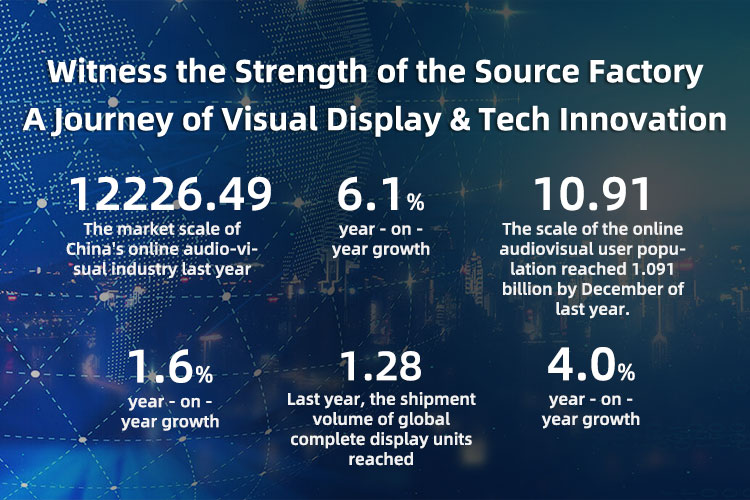
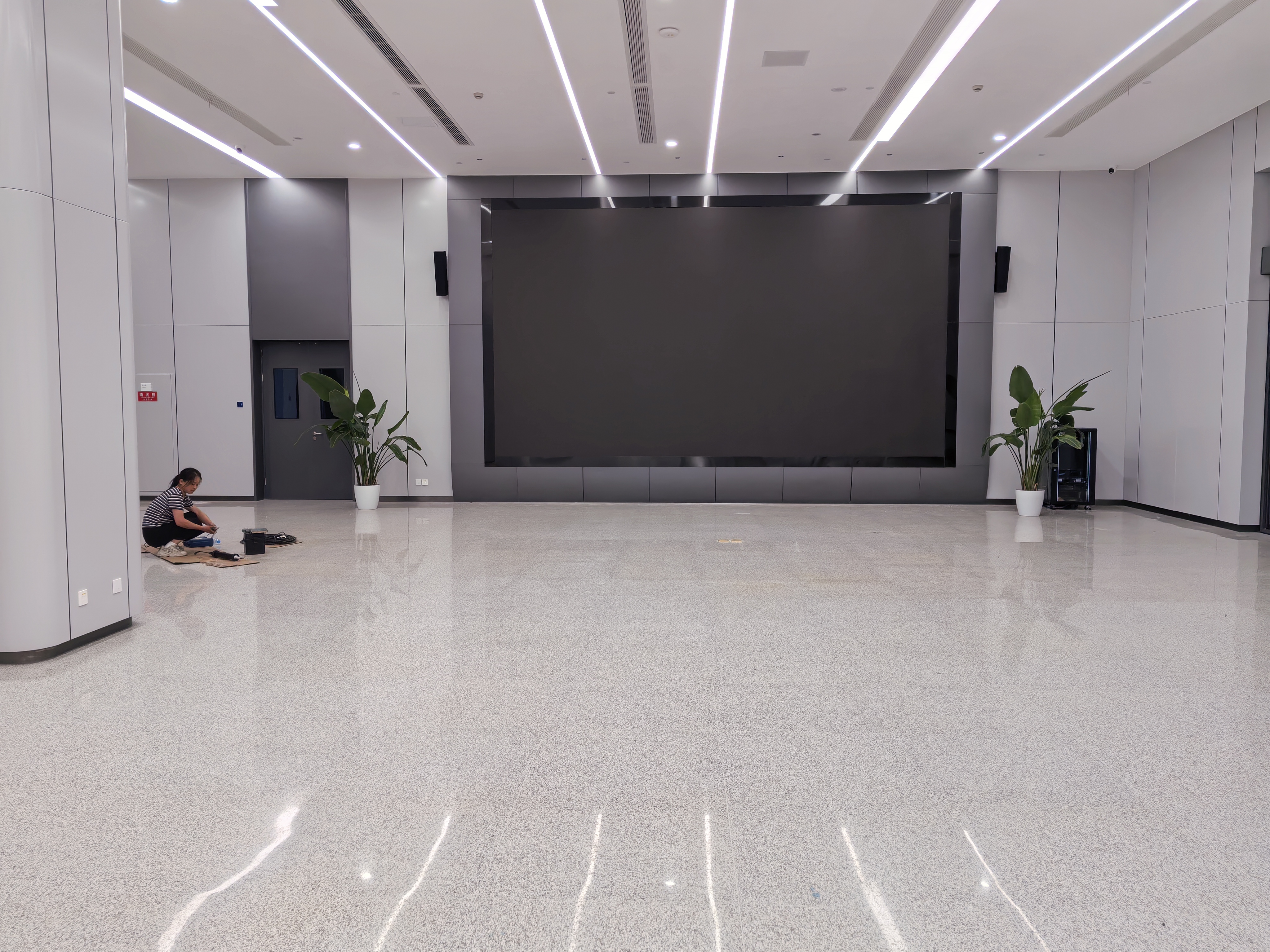
LED displays have become essential terminals in modern service halls, offering high brightness, seamless splicing, and flexible customization. However, installation and pre-wiring often determine display quality and operational reliability. Drawing on Stonbel's project experience, this article examines wiring essentials and precautions from manufacturing, service, and industry perspectives, emphasizing that success depends on precise site surveys, scientific cable routing, and strict construction compliance.
Manufacturing & R&D: Packaging Technology Determines Installation Foundation
The installation of LED displays in business halls is fundamentally determined by the selection of display module packaging technology. The project lead at Stonbel's Display Division notes that packaging methods not only affect image quality and protection levels but also directly dictate the complexity of installation structures and cabling strategies. The three mainstream packaging technologies—SMD, COB, and GOB—each have suitable applications in business hall scenarios. SMD packaging (surface-mounted lamp beads), known for its mature process and controllable cost, is widely used across full-size products from P1.25 to P10. Its lamp beads are
Market & Service: Installation and Cabling Insights from Case Studies
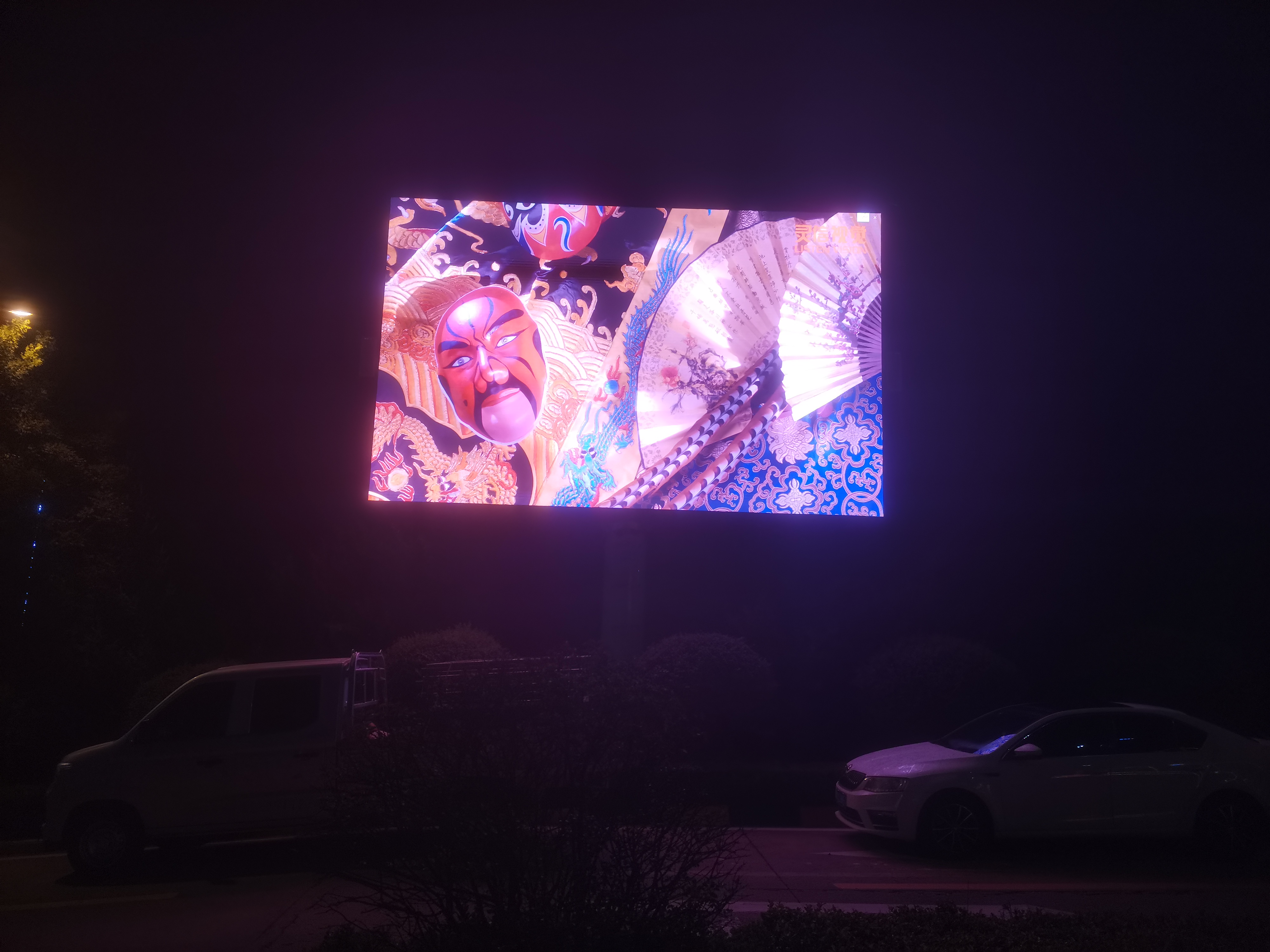
The value of business hall LED displays ultimately materializes through stable operation, which is closely tied to installation quality and subsequent service. With resident service points covering 31 provinces and cities, Stonbel provides rapid-response local support. In the Strawberry Music Festival national tour project, a 400㎡ SMD P3.91 outdoor rental screen, featuring a lightweight design of ≤8kg per cabinet, enabled full-screen setup in just 2 hours per stop, with no scan lines during live broadcasts. Although not a business hall scenario, its rapid deployment and high reliability offer direct reference
Industry Outlook: Deep Integration of Installation Standards and Intelligence
Looking ahead, the installation of business hall LED displays will become more standardized and modular. Stonbel's rental screens feature die-cast aluminum cabinet design, with single-cabinet weight ≤8kg, thickness ≤28mm, tool-free quick splicing (10 seconds per cabinet), seam accuracy ≤0.1mm, and support for -15° to +15° curved splicing. This modular design philosophy is penetrating the fixed installation sector; future business hall screens may achieve similar 'building-block' assembly, significantly shortening construction cycles. Meanwhile, front-service design will become standard, allowing maintenance personnel to replace modules from the front without accessing the narrow space behind the screen, reducing maintenance difficulty and safety risks.
Q1: What are the key cabling points during LED display installation in a business hall?
A: Key cabling points include separating power and signal lines to avoid electromagnetic interference. Shielded twisted pair cables are recommended for signal transmission, run through separate conduits. Power cables should use national standard RVV 3×2.5mm² or larger, with proper grounding. Reserve ample maintenance access and spare conduits—at least 20% spare capacity is advised. Plan clear cable tray routes behind the screen, ensure all cables are clearly labeled, and set up a dedicated weak-current shaft or tray. For outdoor or humid environments, coat terminals with insulating waterproof glue.
Q2: How to choose packaging technology for a business hall LED display?
A: Packaging technology mainly affects display quality and protection performance. If the hall demands high image quality—such as VIP reception or core information areas—COB packaging is recommended, with minimum pitch down to P0.7, seamless and ultra-high-definition, delivering fine, grain-free visuals. If budget is limited but high protection is needed—such as public waiting or self-service areas—GOB packaging offers the best value, achieving IP65+ protection, dust and impact resistance at lower cost than COB. SMD packaging suits full-size ranges with a wide adjustable brightness, customizable to over 8000cd/m² for outdoor versions, ideal for street-facing windows
Q3: How do refresh rate and grayscale affect the display performance of a business hall LED screen?
A: Refresh rate determines flicker perception; high rates like 7680Hz ensure smooth motion without scan lines, suitable for video or scrolling information, effectively eliminating ghosting and strobing on fast-moving tickers. Higher grayscale enables more natural color transitions; 22-bit grayscale presents richer color depth, making dark details in business charts and promotional videos clearly visible. For displaying business graphics or promos, high refresh rate and grayscale significantly enhance viewing comfort and reduce eye fatigue. Additionally, high refresh rates prevent moiré patterns when captured by cameras or phones, facilitating customer photo sharing. Stonbel's LED displays support 7680Hz refresh rate and 22-bit grayscale, with NTSC≥130% color gamut coverage, faithfully reproducing colors to enhance brand image.
Q4: How to ensure installation does not disrupt normal business operations?
A: Schedule installation during non-business hours, such as nights or weekends. Set up isolation barriers around the work area to prevent dust and noise from affecting customer experience. For large screens, pre-assemble and test modules at the factory to reduce on-site work time. In a government service hall project, Stonbel's team completed installation and commissioning of a 120㎡ screen within 3 days, working exclusively outside business hours. Additionally, modular installation methods—like the quick-splice technology of rental screens with 10-second-per-cabinet assembly—can drastically shorten construction periods. Maintain close communication with hall management during installation to coordinate logistics access and power supply, ensuring safe and orderly work.
Q5: Are the long-term maintenance costs of a business hall LED display high?
A: Displays using COB packaging, with no lamp bead structure, significantly reduce the probability of partial blackouts from single-bead failures, notably lowering long-term maintenance costs. For example, a 100㎡ COB P1.5 screen at SF Express headquarters ran stably year-round, cutting O&M costs by 62%. Stonbel offers 7×24-hour response and regular inspection services to extend equipment lifespan. Furthermore, front-service design allows technicians to replace modules directly from the front without dismantling the entire screen, shortening recovery time. For SMD or GOB screens, individual bead replacement costs are low but require professional tools. Overall, choosing mature packaging technology and a reliable supplier effectively controls total lifecycle costs.
In summary, LED display installation and pre-wiring in service halls require systematic planning across packaging selection, structural design, cable layout, and maintenance. Stonbel's expertise in COB, SMD, and GOB packaging, plus a service network covering 31 provinces, has delivered reliable solutions for clients including Huawei, Peking University, and Peking Union Medical College Hospital. Successful projects depend on meticulous pre-wiring and professional execution—for instance, Zhengzhou East Station reduced update latency from 30 minutes to 10 seconds, and Hunan Provincial Military Command achieved zero downtime annually. Stonbel remains committed to delivering efficient display solutions for service halls.