Hospital LED relief texture screens are not simple displays but a fusion of architectural design and information dissemination. Stonbel, a top-10 Chinese LED manufacturer with 3C, CE, FCC, ISO14001, ISO9001, ROHS, military, and confidentiality certifications, provides end-to-end support from product to installation. Projects like Wuhan Optics Valley Bio-city and Sanya Atlantis validate feasibility in clean zones and high-humidity, high-salt environments. For hospital administrators and contractors, choosing a supplier with proven projects and direct factory supply ensures long-term performance and ROI. As healthcare emphasizes human care, LED relief texture screens are poised to become standard in medical facilities.
Award: Industry-Recognized Credentials
Stonbel recently earned the "Top 10 in China's LED Display Industry" award, driven by its LED texture screen line, including hospital LED relief texture screens. The award, jointly assessed by industry associations and third-party bodies, evaluates R&D capability, product reliability, and project delivery experience. This is not Stonbel's first such recognition; it holds certifications including 3C, CE, FCC, ISO14001, ISO9001, ROHS, military-grade, and classified-project qualifications. These credentials form the hard entry requirements for bidding on high-standard hospital projects. Military and classified-project certifications, rarely held by commercial display vendors, signify that supply chain management, production
Award Value: Data and Service Support
The "Top 10" evaluation covers revenue scale, patent count, project delivery quality, and customer satisfaction. Stonbel's selection is tied to sustained investment in COB fine-pitch and LED texture screens. The hospital LED relief texture screen, for instance, features a P5 pixel pitch, IP54 protection, a lifespan of at least 100,000 hours, and a refresh rate up to 7680Hz—parameters that ensure stable display and lower maintenance frequency in medical settings. The 7680Hz ultra-high refresh rate completely eliminates scan lines in camera footage, critical for telemedicine consultations and surgical teaching broadcasts, ensuring clear, flicker-free real-time images for remote specialists. The P5 pitch delivers fine, grain-free visuals at viewing distances beyond 3 meters in high-traffic areas like
Product Technology: Integrating Decor and Function
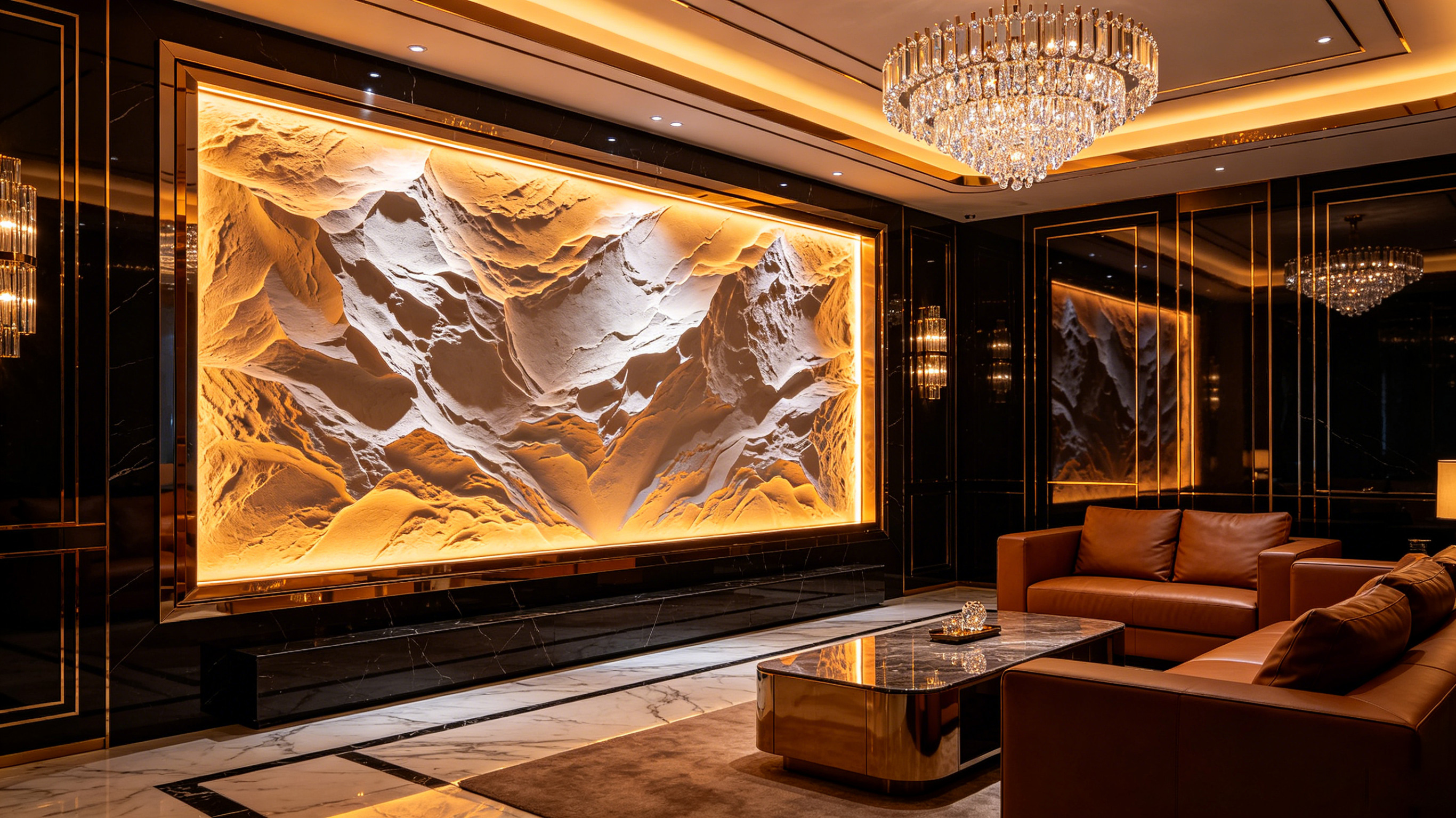
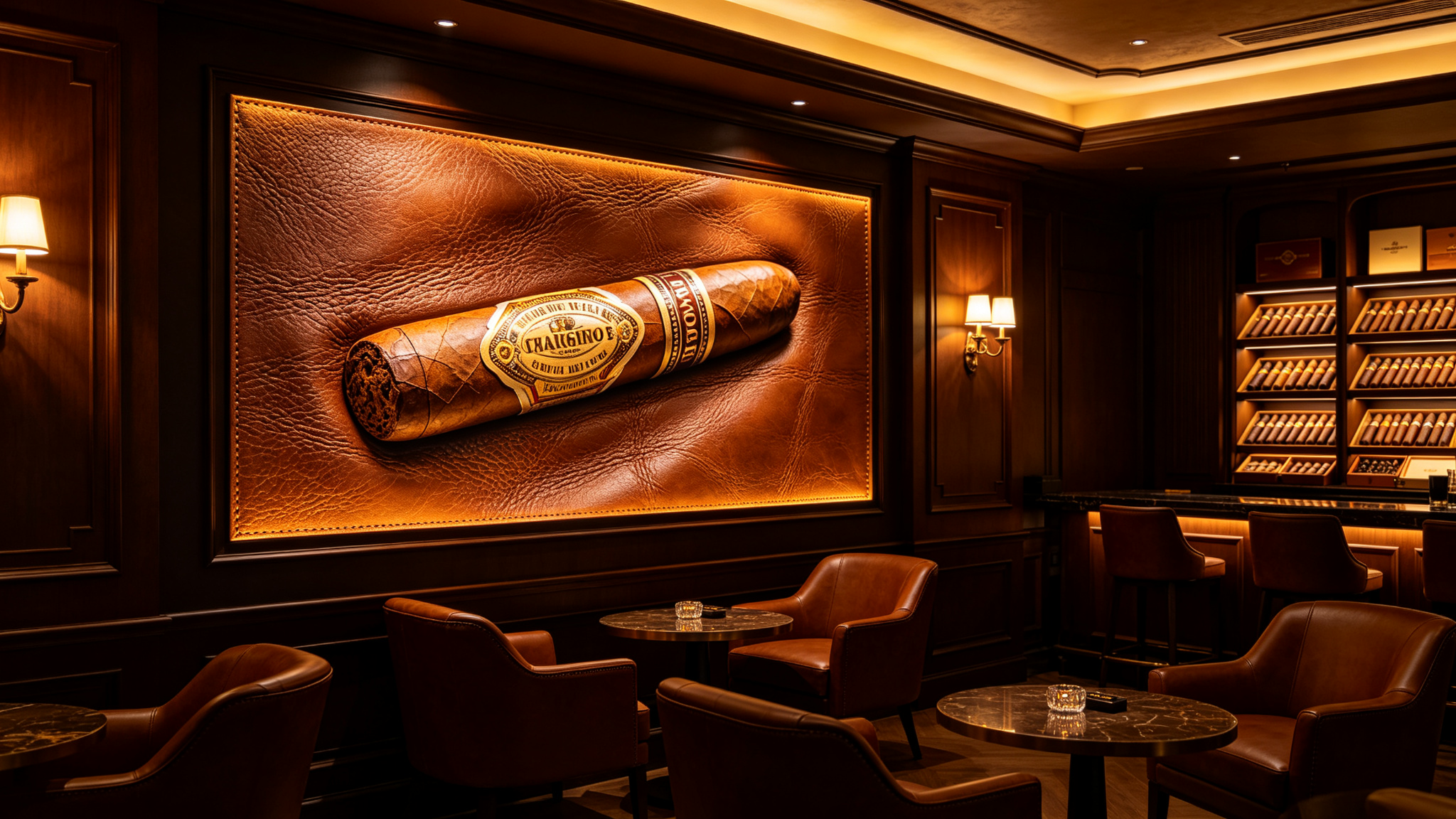
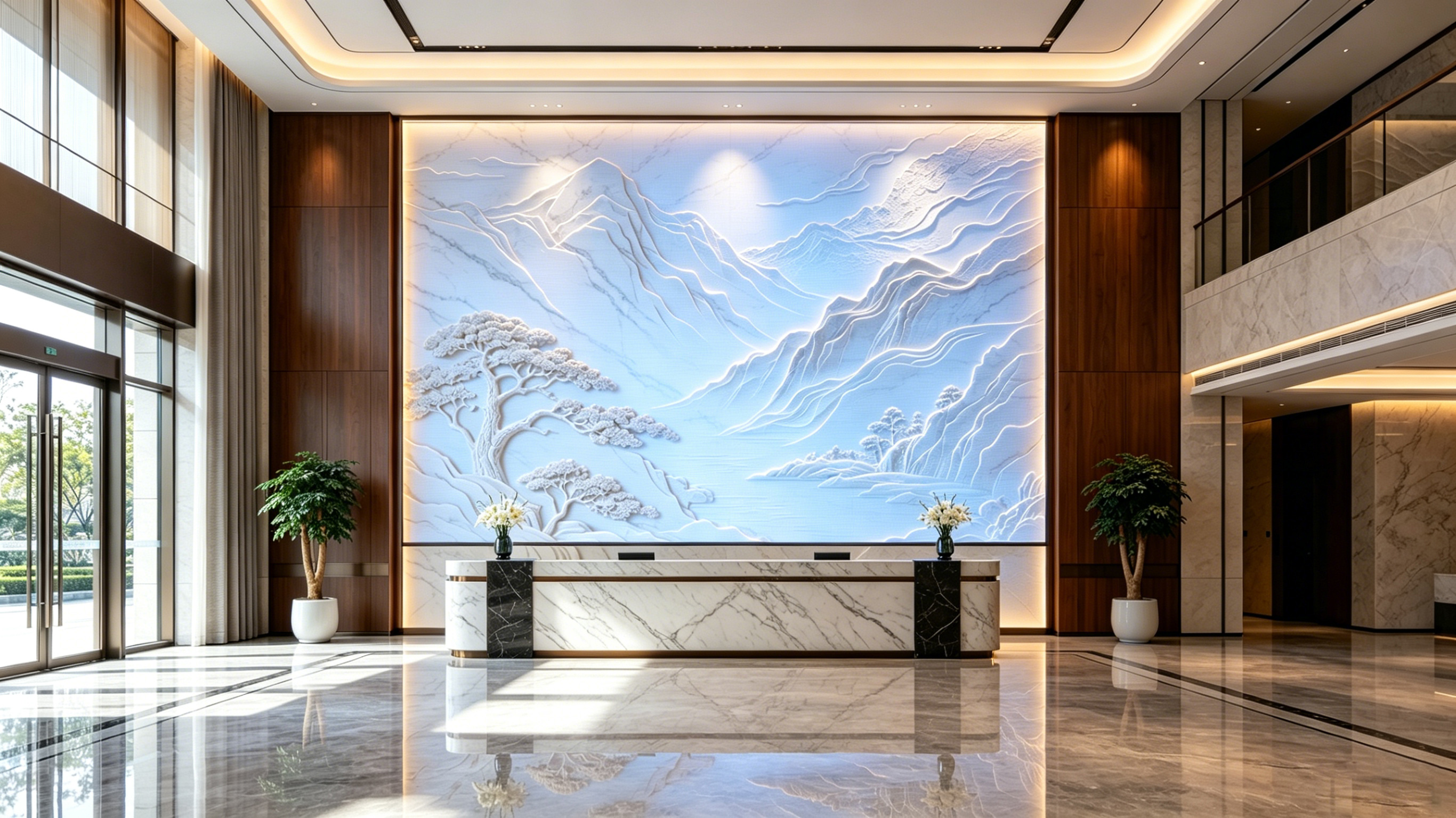
The core innovation of the hospital LED relief texture screen lies in its dual form: "decor when off, display when on." Its surface uses premium building-grade textures like marble or wood grain, blending seamlessly into hospital lobbies and corridors when unlit, solving the visual突兀ness of traditional LED screens in medical environments. When lit, it presents high-definition dynamic content—health education, department guides, or holiday greetings—with 22-bit grayscale and NTSC≥130% color gamut, sufficient for medical imaging display. The 22-bit grayscale delivers over 4 million gray levels, ensuring smooth transitions between dark and bright areas when showing CT scans or endoscopic images,
Industry Impact: From Functional Display to Environmental Media
The hospital LED relief texture screen breaks the boundary between display devices and architectural decor. In the Wuhan Optics Valley Biolake Enterprise Service Center project, Stonbel used low-dust, easy-to-clean installation techniques to meet GMP cleanroom requirements—experience directly transferable to hospital corridors near operating rooms or ICU observation areas with strict cleanliness standards. The installation employed fully enclosed aluminum alloy frames and medical-grade sealing strips, eliminating dust accumulation points, with all cables routed through embedded conduits and no exposed connectors, satisfying laminar flow
Q1: What advantages does the hospital LED relief texture screen offer over traditional LED displays?
A: The hospital LED relief texture screen presents natural stone or wood textures when unlit, blending into hospital decor and solving the突兀ness of traditional black screens. Its core technology embeds Micro-LED chips within building-grade textured panels; a special optical structure fully hides pixels when off, showing only the texture surface, while light precisely emits through texture gaps when on, forming high-definition images. This design also provides anti-glare properties—traditional LEDs cause mirror reflections under strong light, disturbing patients, whereas the texture screen's diffuse surface softens light, ideal for light-sensitive areas like ophthalmology
Q2: Does installing the hospital LED relief texture screen require special techniques?
A: Yes. Drawing on the Wuhan Optics Valley project, Stonbel uses low-dust, easy-to-clean installation suited for GMP cleanrooms. The process involves four key steps: First, on-site survey and detailed design using laser scanning for millimeter-level wall measurement, ensuring frame-wall fit to prevent dust-collecting gaps. Second, custom steel support structures, hot-dip galvanized and assembled without welding on-site to avoid dust and fumes, meeting cleanroom standards. Third, screen modules use front magnetic mounting, eliminating the need for rear wall openings, preserving wall integrity and enabling quick module replacement. Fourth, all cable connections use IP67 waterproof connectors within hidden cable trays, with no exposed screws or wires. For operating rooms or ICUs, installation considers dust, moisture, and maintenance ease—Stonbel's modules
Q3: What core parameters should hospitals consider when purchasing LED relief texture screens?
A: Focus on pixel pitch (e.g., P5), refresh rate (up to 7680Hz), grayscale (22-bit), color gamut (NTSC≥130%), and protection rating (IP54). Pixel pitch determines viewing distance and detail; P5 suits medium-to-long viewing beyond 3 meters, balancing clarity and cost; for close viewing under 2 meters (e.g., at guide desks), custom P3 or P2.5 models are available. Refresh rate affects camera capture; 7680Hz eliminates scan lines for clear telemedicine and surgical teaching broadcasts, while standard 1920Hz screens show visible black lines under cameras. Grayscale reflects image layering; 22-bit delivers smooth gradients, preserving dark details in medical images like X-rays or pathology slides, whereas 16-bit shows visible banding in shadows. NTSC≥130% exceeds cinema color standards, accurately rendering skin and tissue colors; standard screens at ~72% NTSC appear washed out. IP54 ensures dust and
The engineering value of hospital LED relief texture screens extends beyond visual upgrades to environmental adaptation, operational efficiency, and humanistic care. Stonbel's real-world projects and certifications provide a replicable model for medical applications. From P5 pixel pitch and IP54 rating to a 31-province service network, every detail addresses reliability, safety, and ROI. For hospital managers, these screens offer aesthetic and informational solutions; for contractors, partnering with a source factory ensures cost control, smooth delivery, and robust after-sales support. As smart hospitals advance, these screens will serve in wayfinding, health education, surgical demonstration, remote consultation, rehabilitation, and emergency alerts, becoming an integral digital layer in medical architecture. Stonbel continues to explore innovation in medical display engineering, serving both patients and staff.