In commercial display projects, brightness and color temperature selection directly determines final presentation quality, especially for LED/LCD commercial large screens where ambient light adaptation is a shared focus for integrators and end users. As a manufacturer with over ten years of source-level production experience, Stonbel has built rich R&D and manufacturing expertise across numerous real-world projects. This article aggregates media reports on Stonbel cases, from broadcast studios to oilfield command centers, offering multi-angle analysis of practical strategies for brightness, color temperature, and ambient light adaptation, providing industry reference for decision-making.
Event Overview
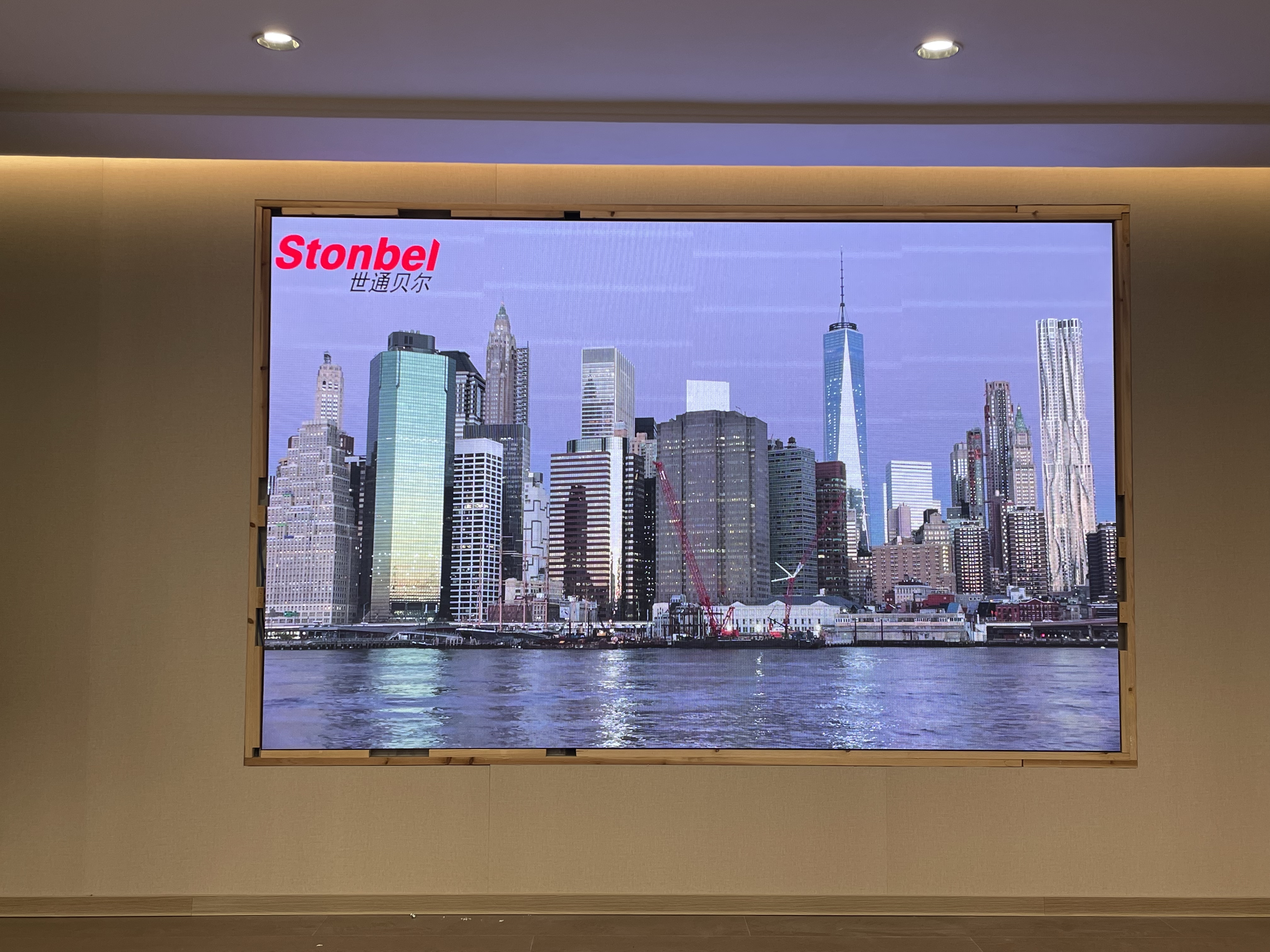
The commercial display industry demands increasingly stringent image quality, especially in broadcast, emergency command, and energy monitoring scenarios where insufficient brightness or color temperature deviation can cause image distortion and information misreading. Stonbel's R&D and manufacturing project experience shows that from P0.7 to P1.8 COB fine-pitch products to 0.88mm bezel LCD video walls, fine tuning is required based on installation environment illuminance, color temperature, and viewing distance. For example, in the Zhejiang Radio and TV Group studio project, the original screen had 3.5mm bezels and significant color deviation. Stonbel performed per-unit color calibration, achieving ≥99.5% brightness/chromaticity
Media Coverage Summary
Multiple industry media outlets have covered Stonbel's cases, focusing on practical brightness and color temperature calibration. In the Zhejiang broadcast project, reports noted Stonbel deployed 55-inch 0.88mm bezel LCD video walls with professional color calibration, achieving 99.5% uniformity and 120% NTSC color gamut for high-brightness studio environments. Reports specifically highlighted the industrial-grade dual power redundancy and intelligent thermal control system supporting 7×24 uninterrupted operation, critical for intensive recording sessions. For the PetroChina Changqing Oilfield project, media focused on P1.2 COB fine-pitch
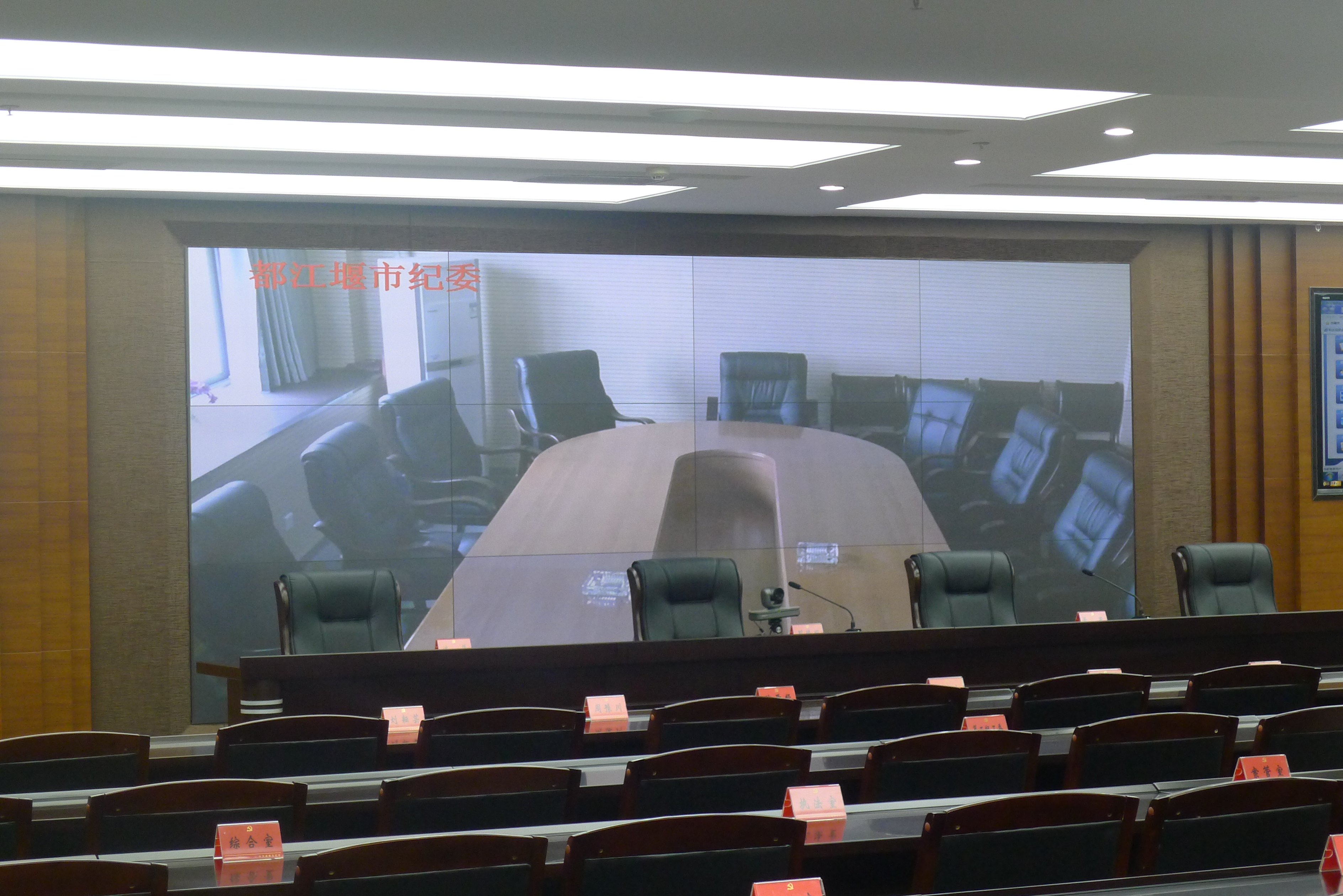
Consensus and Divergence
Media consensus: Stonbel's R&D and manufacturing project experience emphasizes ambient light adaptation requires comprehensive consideration of brightness, color temperature, and protection rating. For coastal salt-spray environments, custom anti-salt-spray sealing is needed—e.g., a coastal military base project deployed 95m² P1.0 military-grade COB display with anti-salt-spray, moisture-proof sealing and national cryptography-grade encrypted transmission module, reducing failure rate by 92%. For chemical corrosion environments, fully sealed anti-corrosion processes are used—e.g., Sinopec Zhenhai Refining project customized P1.2 anti-corrosion COB display, reducing failure rate by 78%. Divergence: media
Summary Analysis
Synthesizing media coverage, the core of Stonbel's R&D and manufacturing project experience is "scenario-based calibration." Brightness selection references environmental illuminance—studios require high brightness (with 120% NTSC color gamut) for strong light, while command centers prioritize low-brightness high-gray performance to avoid glare. For color temperature, broadcast projects strictly follow D65 standard—e.g., Zhejiang broadcast project achieved 45% higher color reproduction through per-unit calibration. Industrial monitoring scenarios favor neutral color temperature for true color reproduction—e.g., Dongguan Power Supply Bureau project customized P0.9
Q1: How to choose brightness for commercial display screens?
A: Brightness selection depends on installation environment illuminance. Stonbel's R&D and manufacturing project experience shows high-brightness environments like studios recommend high-brightness models (e.g., LCD video wall brightness 300-1000cd/m²)—the Zhejiang broadcast project used 55-inch 0.88mm bezel LCD screens with 120% NTSC color gamut, meeting broadcast-grade 4K standards. Dark control rooms can use COB fine-pitch displays whose low-brightness high-gray characteristics avoid glare—e.g., PetroChina Changqing Oilfield project used P1.2 COB displays with 3840Hz refresh rate and grayscale processing maintaining image detail in low-illuminance control rooms. For environments with frequent light changes, such as Guangzhou Metro network command
Q2: Does color temperature significantly affect display performance?
A: Significantly. Broadcast-grade projects require strict color calibration—e.g., Stonbel's Zhejiang broadcast project achieved ≥99.5% brightness/chromaticity uniformity through per-unit calibration with 120% NTSC color gamut, ensuring accurate color reproduction for 4K ultra-HD broadcast standards. Industrial scenarios favor neutral color temperature to avoid color shifts affecting data interpretation—e.g., Sinopec Zhenhai Refining project customized P1.2 anti-corrosion COB display with chemical production visualization system displaying over 100 process parameters simultaneously, with color temperature calibration ensuring accurate environmental monitoring data presentation. In emergency command scenarios, the Zhejiang Emergency Management
Q3: How to adapt to complex ambient light environments?
A: This requires combining protection ratings and packaging processes. Stonbel uses anti-salt-spray sealing for coastal projects—e.g., a coastal military base customized 95m² P1.0 military-grade COB display with anti-salt-spray, moisture-proof sealing and national cryptography-grade encrypted transmission module, reducing failure rate by 92%. Chemical environments use fully sealed anti-corrosion processes—e.g., Sinopec Zhenhai Refining project customized anti-corrosion COB display with 78% lower failure rate and 40% longer lifespan. Automatic brightness adjustment is also incorporated—e.g., Dongguan Power Supply Bureau project customized P0.9 anti-electromagnetic-interference COB display with full-metal shielding packaging passing industrial EMC testing for stable, interference-free images. For
Stonbel's R&D manufacturing experience shows that brightness and color temperature are not isolated parameters but closely tied to installation environment, viewing distance, and signal source characteristics. From broadcast studios to oilfield command centers, emergency management halls to petrochemical control rooms, Stonbel delivers reliable solutions through flexible combinations of COB fine-pitch and LCD video wall products, plus per-unit calibration and sealed protection processes. For integrators, understanding ambient light adaptation logic and leveraging Stonbel's full-spec customization capabilities can effectively improve project success rates. Stonbel holds 3C, CE, FCC, ISO14001, ISO9001, and ROHS certifications, 12 patents, 37 software copyrights, and service coverage across 31 provinces, with clients including Huawei, Peking University, Peking Union Medical College Hospital, Guangdong Emergency Management Department, and Shenzhen World Exhibition & Convention Center. As display technology advances toward high refresh rates and enhanced protection, ambient light adaptation will become increasingly intelligent, and Stonbel will continue leveraging its manufacturing strength and scenario-based calibration expertise to help integrators gain an edge in commercial display projects.