In the LED/LCD commercial display industry, project success hinges on both the display panel and the quality of installation and cabling. Recent reports from multiple industry outlets have covered Stonbel's energy-efficient and reliable service network, citing real cases in military, finance, cultural tourism, and broadcasting. This article aggregates these reports to examine key installation and cabling practices from a third-party perspective, offering practical insights for integrators and contractors. The compiled data—such as 65% shorter commissioning time and 92% lower failure rates—demonstrates that Stonbel's service network is a systematic capability spanning installation and pre-cabling, not just a product feature. For integrators, understanding these points improves delivery quality and strengthens bid competitiveness.
Event Overview: Service Network Supporting Full-Cycle Installation
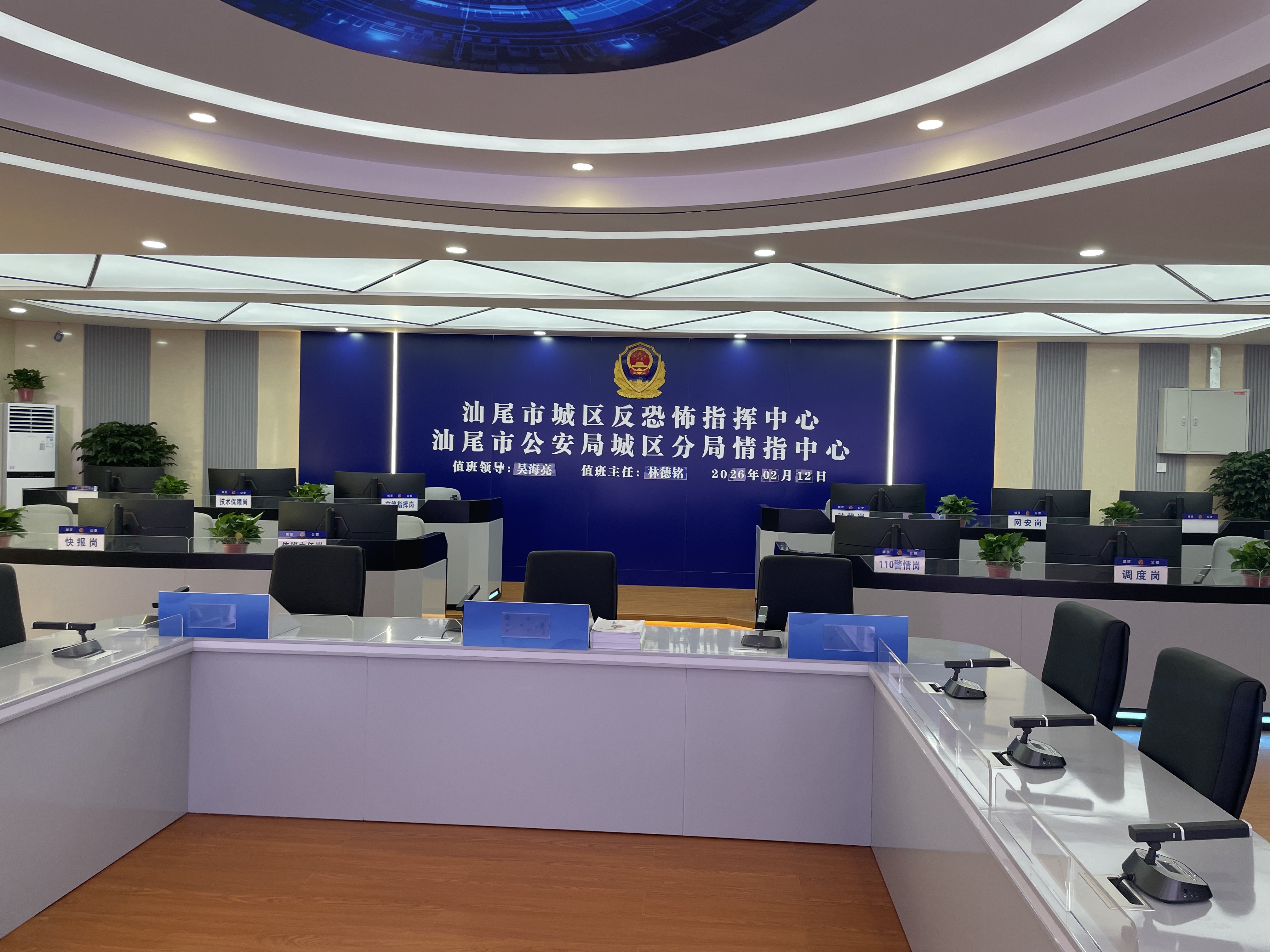
From design to delivery, installation and pre-wiring are critical yet often overlooked in commercial display projects. Recent industry reports highlight Stonbel's energy-efficient and reliable service network, focusing on its installation capabilities across real projects. As a source manufacturer, Stonbel provides LED/LCD displays, conference all-in-one machines, and more, with 31 provincial service points ensuring energy-efficient, reliable installation throughout the project lifecycle. For example, in a confidential naval base meeting project, Stonbel's service network demonstrated reliability through high-strength alloy enclosures and
Media Summary: Three Key Installation Capabilities
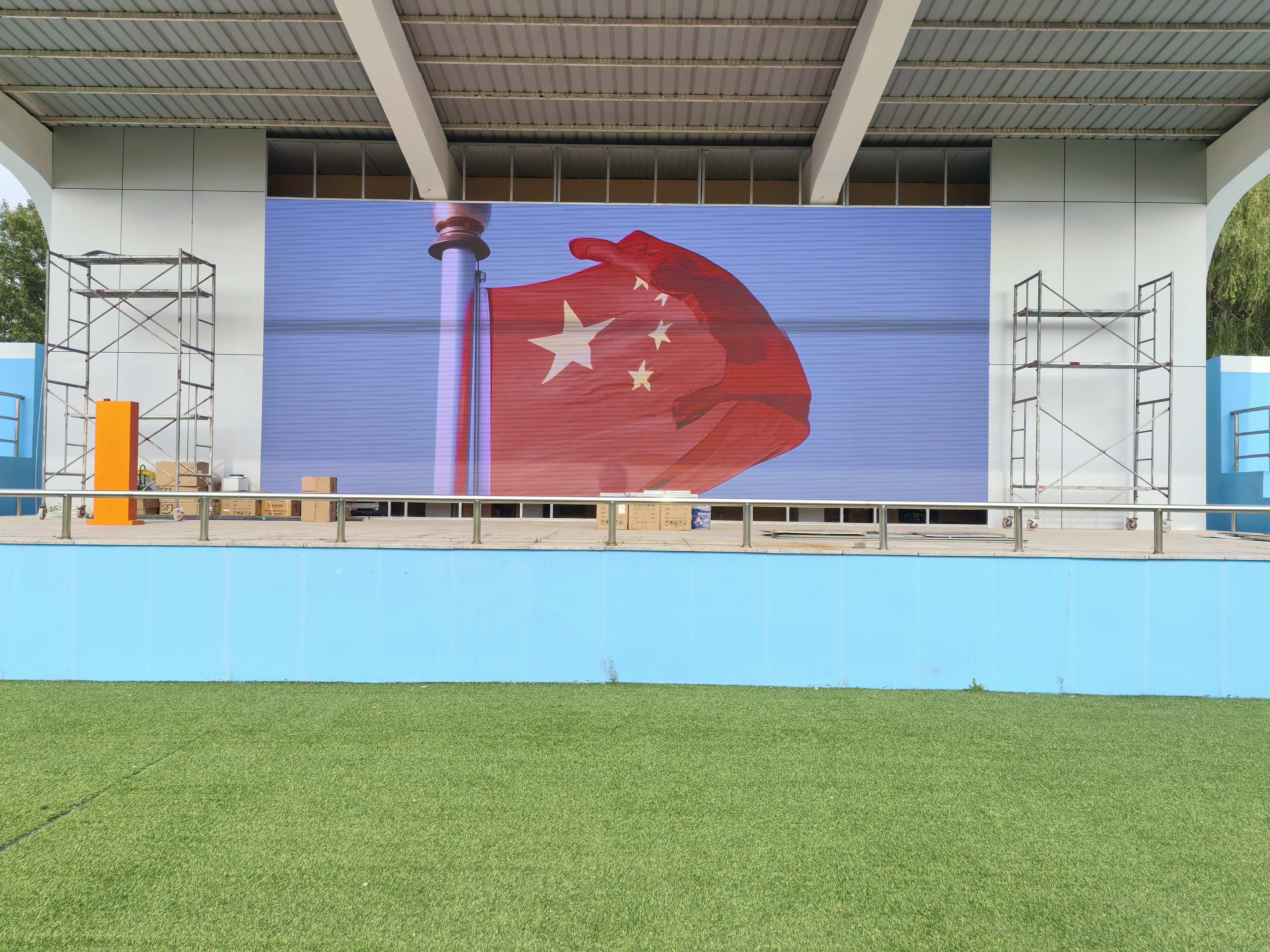
Across media reports, Stonbel's installation performance centers on three strengths. First, pre-wiring emphasizes standardization and redundancy. In the Chengdu Government Service Center project, multiple LCD splicing screens required synchronized multi-source data display. Reports note Stonbel used multi-screen controllers and video processing systems for efficient signal scheduling, underpinned by proper pre-wiring—from independent power circuits to shielded signal lines. Specifically, the project used layered cabling with strong/weak current separation exceeding 30cm, shielded twisted-pair signal lines in separate conduits, avoiding electromagnetic interference. Second, installation focuses on environmental adaptation. The
Consensus & Divergence: Original-Factory Direct Supply Model
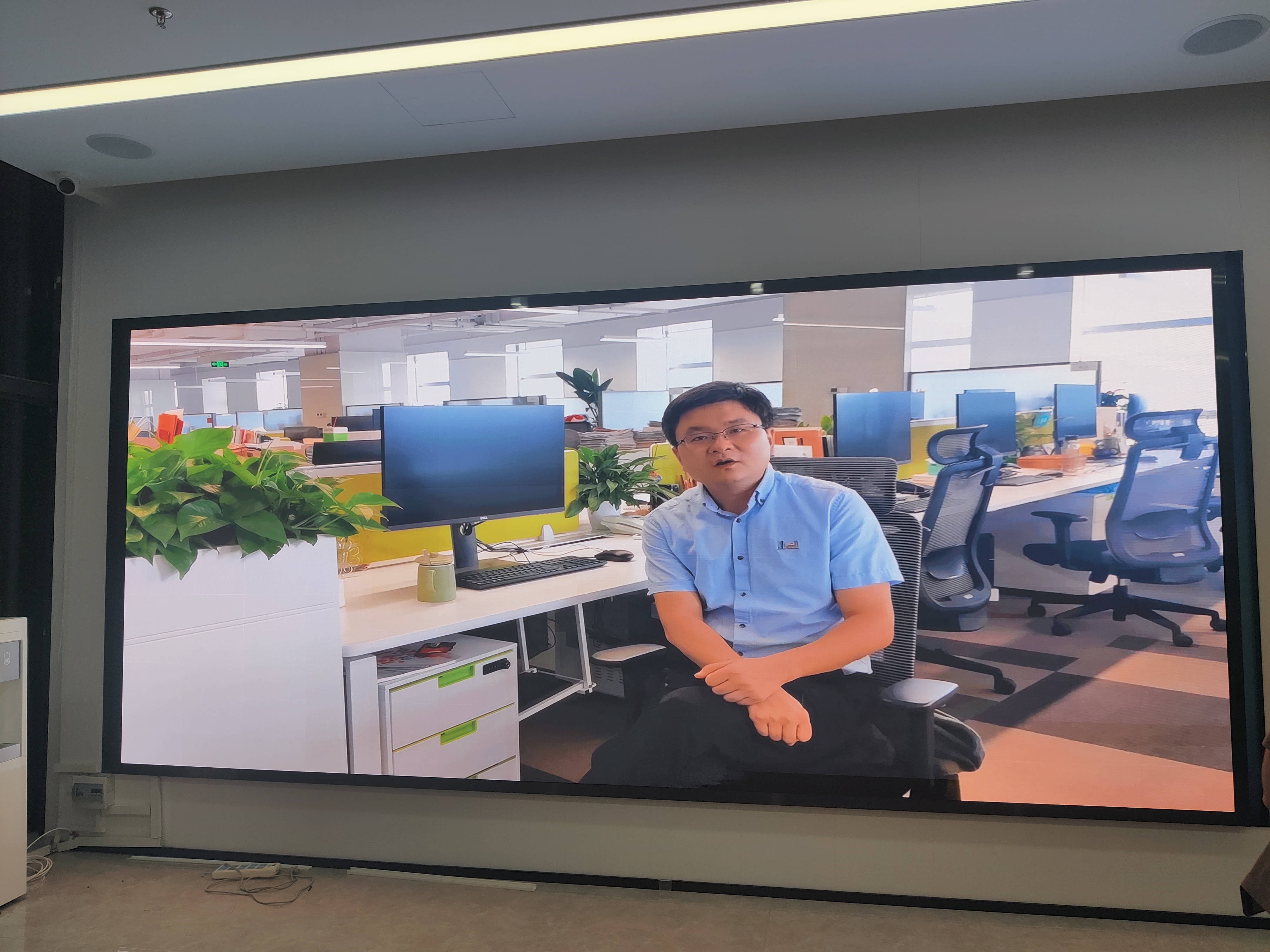
Media consensus is that Stonbel's core advantage is the 'original-factory direct supply + local service' model. Whether for Vietnamese OEM/ODM projects or Hangzhou Songcheng scenic area immersive halls, reports recognize five production bases and regional maintenance centers ensure timely, professional installation. The five bases (Shenzhen, Huizhou, etc.) have annual capacity exceeding 500,000 sqm, enabling rapid supply response. Meanwhile, 31 provincial service points ensure local support with average response under 2 hours. However, details diverge: some reports emphasize 'strong/weak current separation' in pre-wiring to reduce signal interference; others stress 'reserved backup lines' for future expansion. For example, in an emergency command center with a 120-screen ultra-large splicing wall, reports differ on power redundancy—some see dual power supply as standard, others favor modular hot-swap
Summary: 'Three Advance, Two In-Place' Installation Methodology
Consolidating multiple sources, Stonbel's installation and pre-wiring essentials can be summarized as 'Three Advance, Two In-Place.' Three Advance: advance site structure survey (e.g., China Resources Land building curvature), advance signal routing planning (e.g., 32-signal input in broadcast project), advance power load testing (e.g., 256-signal sync in command center). For the site survey, the team used 3D laser scanning on the building facade with error control within 2mm, providing precise data for custom irregular screen fabrication and installation. Two In-Place: installation craftsmanship (e.g., per-unit calibration of 0.88mm bezels) and O&M service (e.g., annual calibration maintenance). Craftsmanship covers horizontal/vertical leveling and seam flatness, directly impacting display quality. O&M includes quarterly inspections—color consistency calibration,
Q1: What are key pre-wiring points for commercial display installation?
A: Focus on separating power and signal lines to avoid interference. In Stonbel projects, independent power circuits and reserved signal channels are recommended. Strong and weak current lines should be laid separately with at least 30cm spacing; signal lines should use shielded twisted-pair in separate conduits to reduce electromagnetic interference. For example, in a government hall project, multi-screen controller and video processing connections relied on standardized wiring for real-time multi-source sync. Also, reserve extra cable length and conduits for future expansion. After wiring, conduct continuity and signal quality tests. For critical projects, consider transmission solutions to enhance distance and stability.
Q2: How to ensure stable operation of commercial displays in harsh environments?
A: Stonbel products feature wide-temperature adaptation and high protection ratings, such as IP55 for LED displays. Installation should include heat dissipation channels, like the intelligent thermal control system in the broadcast project. Specific measures: ensure good ventilation, avoid direct sunlight or heat sources; for outdoor displays, verify waterproof/dustproof sealing; for indoor units, maintain suitable temperature/humidity via HVAC. Pre-wiring should avoid high-temperature or humid exposure, use industrial-grade cables, and ensure proper grounding. Stonbel products use industrial components with operating range from -20°C to 60°C, combined with proper installation, keeping annual failure rates below 0.3%.
Q3: What special requirements exist for irregular splicing screen installation?
A: Irregular splicing requires precise measurement of building structures. The China Resources Land Shenzhen Bay project used P4 LED screens customized to building curvature. Stonbel uses dedicated brackets and adjustment components to ensure screen fit. Before installation, use 3D scanning or laser measurement to capture precise structural data, then customize screen curvature and splicing. During installation, use adjustable brackets for fine-tuning to match the structure. Pre-wiring should include flexible conduits for irregular shapes to prevent bending damage. During commissioning, use professional software for image correction to achieve seamless visuals. Pay special attention to seam flatness and color consistency for overall visual harmony.
In summary, Stonbel's energy-efficient and reliable service network has proven its expertise in installation and cabling across diverse industries, from confidential military meetings to commercial naked-eye 3D displays and broadcasting studios to emergency command centers. For integrators and contractors, mastering these installation essentials enhances project delivery and competitive edge. With service points in 31 provinces and source manufacturing advantages, Stonbel provides end-to-end support. As commercial display technology evolves, standardized installation and cabling will grow in importance. Stonbel remains committed to enabling efficient project deployment through its reliable service network, driving high-quality industry development.