Retail chain stores and warehouses face demands for localized inventory analysis, footfall recognition, and loss prevention. Balancing real-time response with bandwidth costs between HQ cloud and edge devices is a common pain point. Stonbel provides industrial DDR4/DDR5 memory and edge storage solutions for retail nodes, using low-power edge storage and AI boxes to process video and data on-site, cutting cloud traffic by 70% and per-store costs by 40%. This case study reviews a typical retail chain project, detailing pain points, implementation, technical highlights, and quantified results.
Case Background
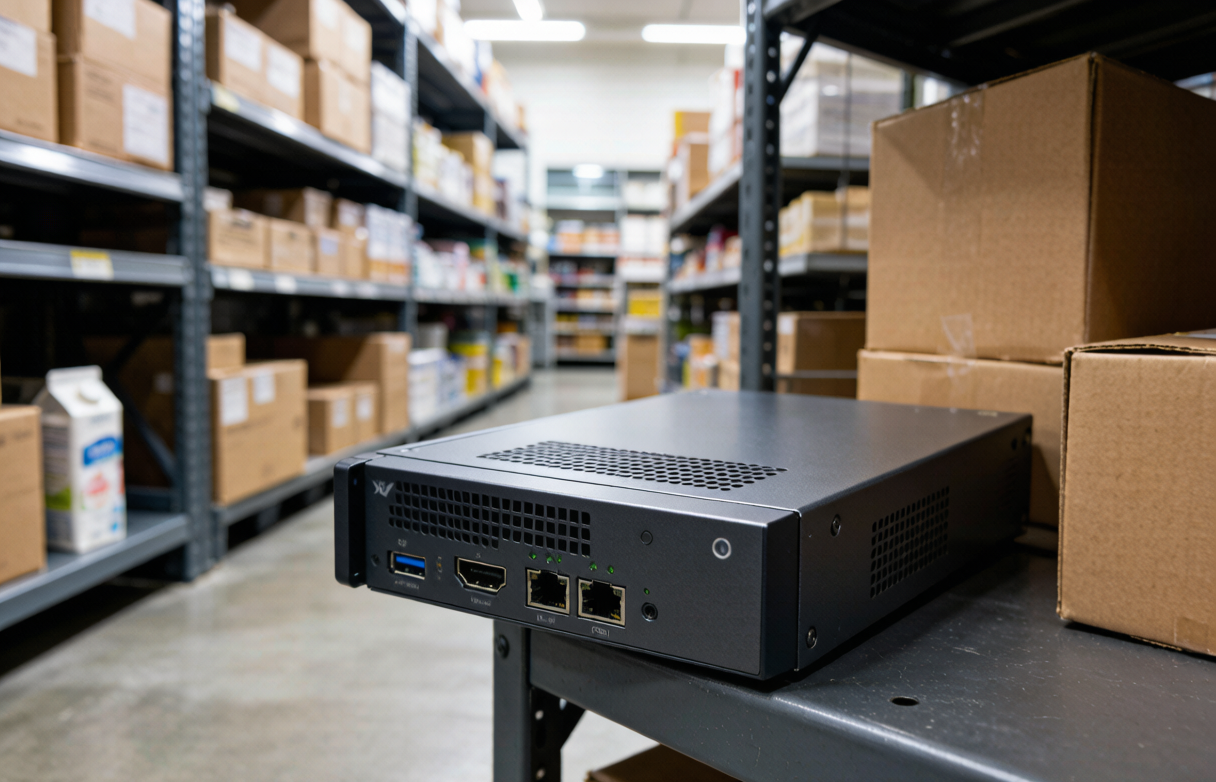
A national retail chain with over 300 stores and 6 regional distribution centers relies on video surveillance for foot traffic analytics, loss prevention, and inventory visibility. Previously, all video streams and POS data were transmitted in real time to the headquarters private cloud for centralized processing. As store count grew, bandwidth costs surged, and peak-hour transmission delays caused lagging foot traffic analysis, with loss prevention alerts taking minutes to trigger. Store-level sites lacked local compute and high-reliability storage; traditional PC servers frequently crashed under 7×24 operation, with memory compatibility issues being especially prominent—consumer-grade memory showed high failure rates in wide-temperature and continuous read/write scenarios. Before project kickoff, the technical team conducted a three-month hardware test at store nodes. Test data showed that during summer AC failures or in non-climate-controlled warehouse areas, internal chassis temperatures could exceed 60°C, causing random freezes and data verification
Implementation Details
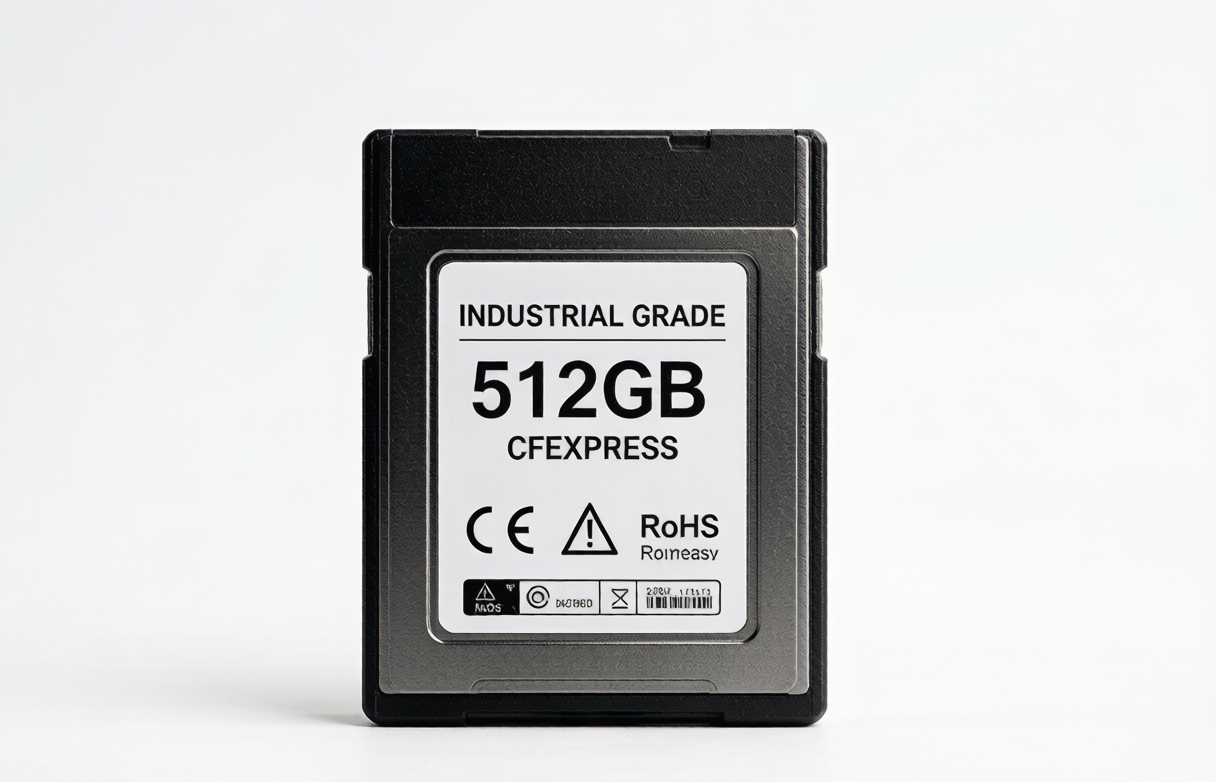
The project was rolled out in two phases. Phase 1 covered 50 high-traffic stores, each equipped with one Stonbel industrial AI box (with built-in retail chain node industrial DDR4_DDR5 memory) plus one industrial wide-temperature SSD for local storage. The AI box handles video structuring (person detection, queue counting, zone intrusion), inventory image recognition (shelf gap detection), and POS data preprocessing. The data strategy: hot data (last 7 days) stored on local NVMe drives; warm data (days 8–30) compressed and sent back to the cloud; cold data (days 31–90) kept locally only. With this tiering, daily upload traffic per store dropped from 12GB to 3.6GB—a 70% reduction. During deployment, Stonbel's engineering team designed resumable transfer and anomaly alert mechanisms to handle network fluctuations and power outages. Memory was configured in dual-channel mode, starting at 16GB (expandable to 64GB), ensuring smooth AI inference and concurrent multi-stream video decoding. For non-air-conditioned warehouse areas, wide-temperature ECC modules were selected at 5600MT/s and 32GB capacity, ensuring stable operation from -20°C to 70°C. All memory uses the standard 288-pin DIMM interface, seamlessly compatible with industrial motherboards without adapters.
Technical Highlights
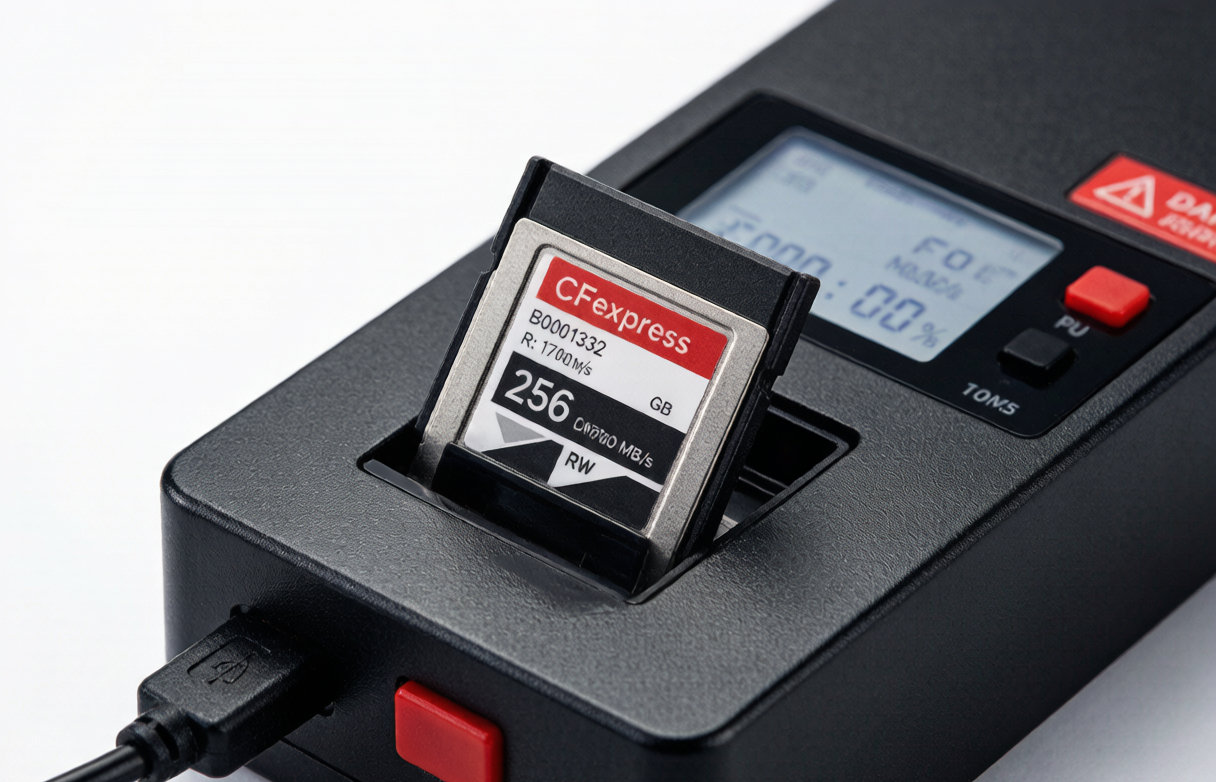
The core technical highlight is the wide-temperature and error-correction capability of the retail chain node industrial DDR4_DDR5 memory. DDR5 modules reach 6400MHz at just 1.1V, consuming about 8% less power than DDR4's 1.2V—saving roughly 15kWh per store per year in always-on scenarios while reducing heat generation and lowering internal chassis temperature. On-die ECC automatically detects and corrects single-bit errors during writes, preventing silent data corruption in video streams. For high-precision tasks like inventory image recognition, memory stability directly impacts AI inference accuracy—in testing, ECC memory reduced model misjudgment rates by 0.3 percentage points. Another highlight is the co-design of memory and AI box. Stonbel tunes memory configuration to match AI compute (GPU/NPU), ensuring data bandwidth never becomes an inference bottleneck. In foot traffic recognition, single-stream 1080P real-time analysis holds memory usage steady at around
Results & Insights
Six months after go-live, measurable results are clear. Cloud upload traffic dropped 70%; monthly bandwidth cost per store fell from 800 RMB to 240 RMB—saving over 2 million RMB annually across 300 stores. Per-store build cost decreased 40%, driven by edge AI boxes replacing traditional servers and modular memory configuration. For loss prevention, response time for abnormal events (e.g., theft, aisle blockage) shrank from an average 15 minutes of manual video review to under 30 seconds, cutting product shrinkage by 22%. Foot traffic analytics accuracy rose to 95%, providing real-time data for headquarters marketing decisions. The key insight: edge storage for retail chain nodes is not just hardware stacking—it requires system-level design based on scenario temperature, load characteristics, and data lifecycle. Industrial DDR4_DDR5 memory, as the core of the data path, directly determines overall system reliability. Stonbel's full-category supporting services reduced customer selection and testing effort, cutting pre-project preparation time by over 30%, while factory-direct after-sales support lowered failure rates in 7×24 operation. This case now serves as the retail brand's digital benchmark, planned for replication across remaining stores and new regions.
Q1: When deploying edge AI boxes in retail stores, should memory be DDR4 or DDR5?
A: It depends on the existing motherboard and budget. DDR5 offers higher speeds (≥4800MHz), lower 1.1V power consumption, and on-die ECC—ideal for new stores or future expansion. DDR4 is compatible with older motherboards and costs less, suitable for retrofitting existing stores. Stonbel provides both options, each supporting -40°C to 95°C wide-temperature operation. We recommend evaluating based on equipment depreciation cycles and performance needs.
Q2: What practical advantages do industrial DDR4_DDR5 modules offer over consumer memory in retail scenarios?
A: Retail environments are demanding—summer heat or AC failures can push chassis temperatures above 60°C. Consumer memory is prone to random freezes or data errors, while industrial modules operate across -40°C to 95°C with stable signals and on-die ECC to prevent video data corruption. Additionally, industrial memory has a longer lifecycle, stronger vibration and sulfurization resistance, and is built for 7×24 unattended operation, reducing failure rates.
Q3: How can memory impact be quantified for retail edge storage project costs?
A: In this case, using industrial DDR4_DDR5 memory cut per-store build cost by 40%, mainly due to flexible modular configuration and co-optimization with the AI box, reducing server procurement and facility needs. Memory stability also ensured long-term uptime, avoiding business interruption losses, and saved over 2 million RMB annually in bandwidth costs. Exact figures depend on the specific project plan.
Digital upgrades in retail chains rely on reliable, low-power edge storage infrastructure. Stonbel's integration of industrial DDR4/DDR5 memory helps retailers balance on-site real-time analysis with cloud offloading, reducing traffic by 70% and per-store costs by 40%. Choosing industrial memory with wide-temperature, ECC, and long-lifecycle standards is key to stable edge node operation. As DDR5 platforms proliferate, retail edge computing will advance, and Stonbel's full-range industrial storage services will continue to deliver compliant, cost-effective solutions for enterprise clients.