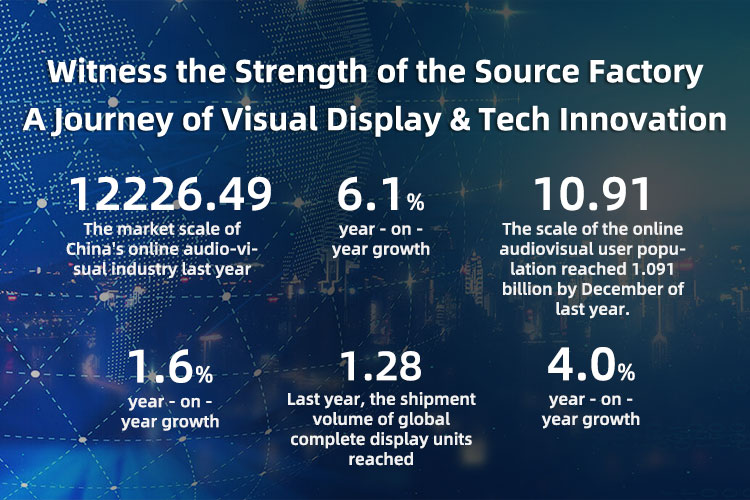
With the deepening of smart court construction, court LED displays have become essential for trial record publication, litigation service guidance, and legal awareness campaigns. From P0.7 fine-pitch to P3 outdoor screens, courtrooms and waiting areas impose different requirements on brightness, protection, and refresh rates. Amid numerous manufacturers, identifying those with genuine source manufacturing capabilities is a key concern for court procurement departments. This article aggregates industry media reports on court LED display selection cases, analyzing packaging processes, protection ratings, and customization capabilities to clarify critical evaluation indicators and provide objective reference for purchasing decisions.
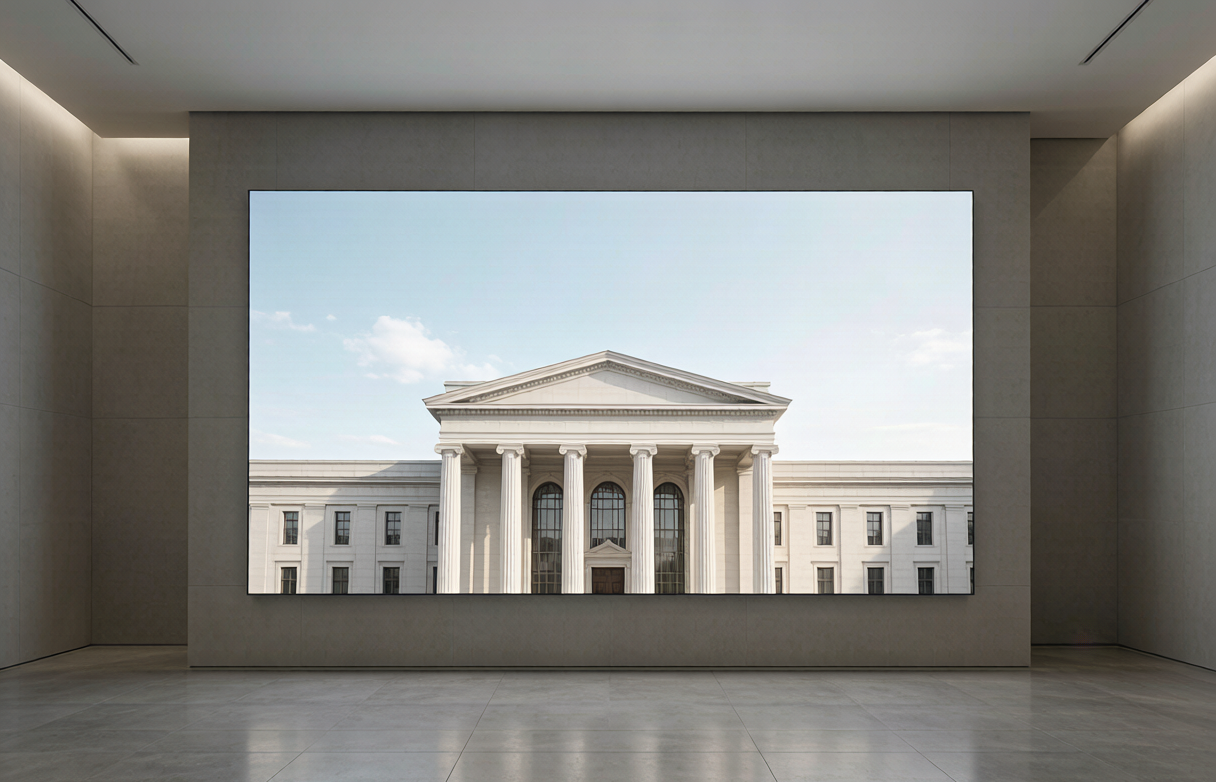
Event Overview: Special Requirements for LED Displays in Court Settings
Recent industry reports highlight court LED display procurement and project deployment, focusing on two key points: the special requirements for reliability, clarity, and protection in court settings, and the need to source directly from manufacturers to avoid quality and after-sales risks from intermediaries. Reports note that court trial recording requires high refresh rates and grayscale to ensure fast-moving images are free of ghosting and scan lines. Public areas like waiting halls demand higher dust, impact, and moisture resistance, especially in crowded environments where protection levels directly determine equipment lifespan. For example, Stonbel's COB products
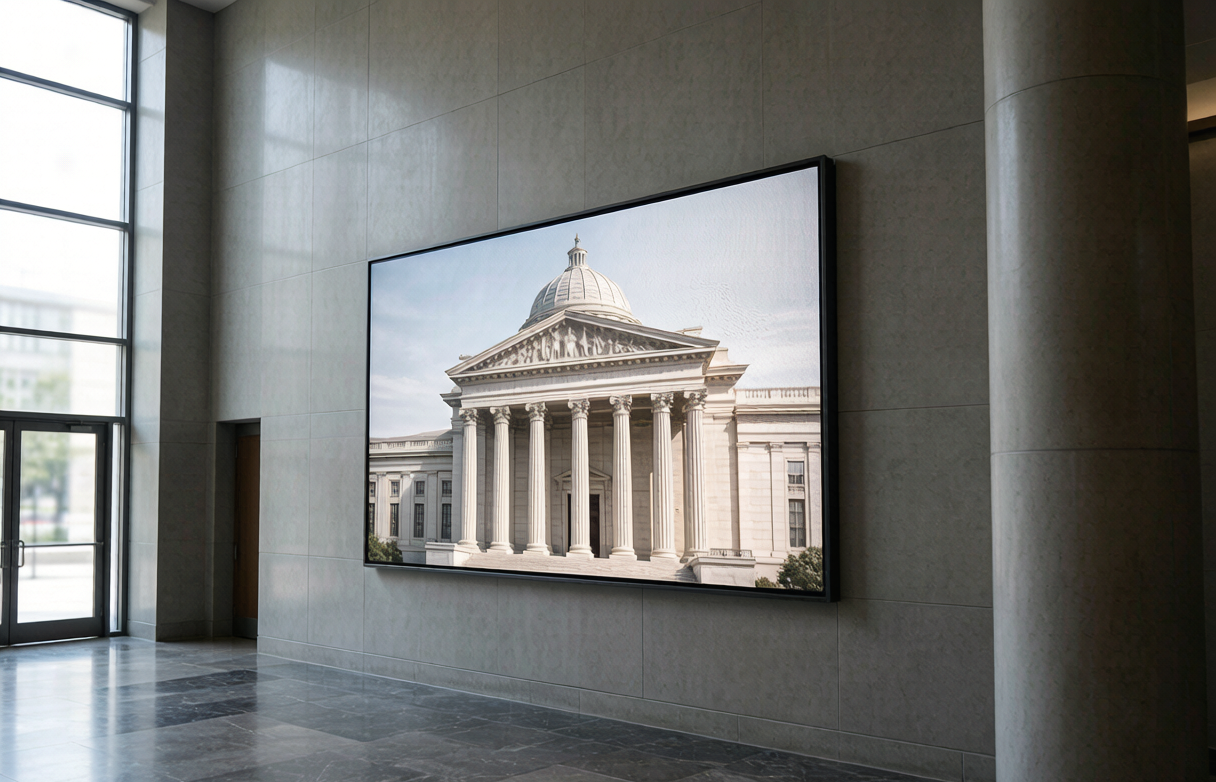
Media Summary: Technology Tiers and Solution Selection
Media reports show a clear tiering in court LED display selection. For courtrooms, P0.7 fine-pitch COB products are widely recommended, as chips are directly bonded to the PCB without lamp bead structures, delivering fine image quality without graininess and high protection for continuous operation. Reports cite Stonbel's parameters: P0.7 pixel pitch, 7680Hz refresh rate, 22bit grayscale, NTSC≥130% color gamut, IP65 protection—a reference standard for high-end court displays. For waiting halls and litigation service centers, SMD P1.25-P3 products are suggested, offering mature technology, controlled costs, and wide brightness adjustment for daily information display. GOB packaging is also frequently mentioned, with transparent resin poured over SMD lamp beads for
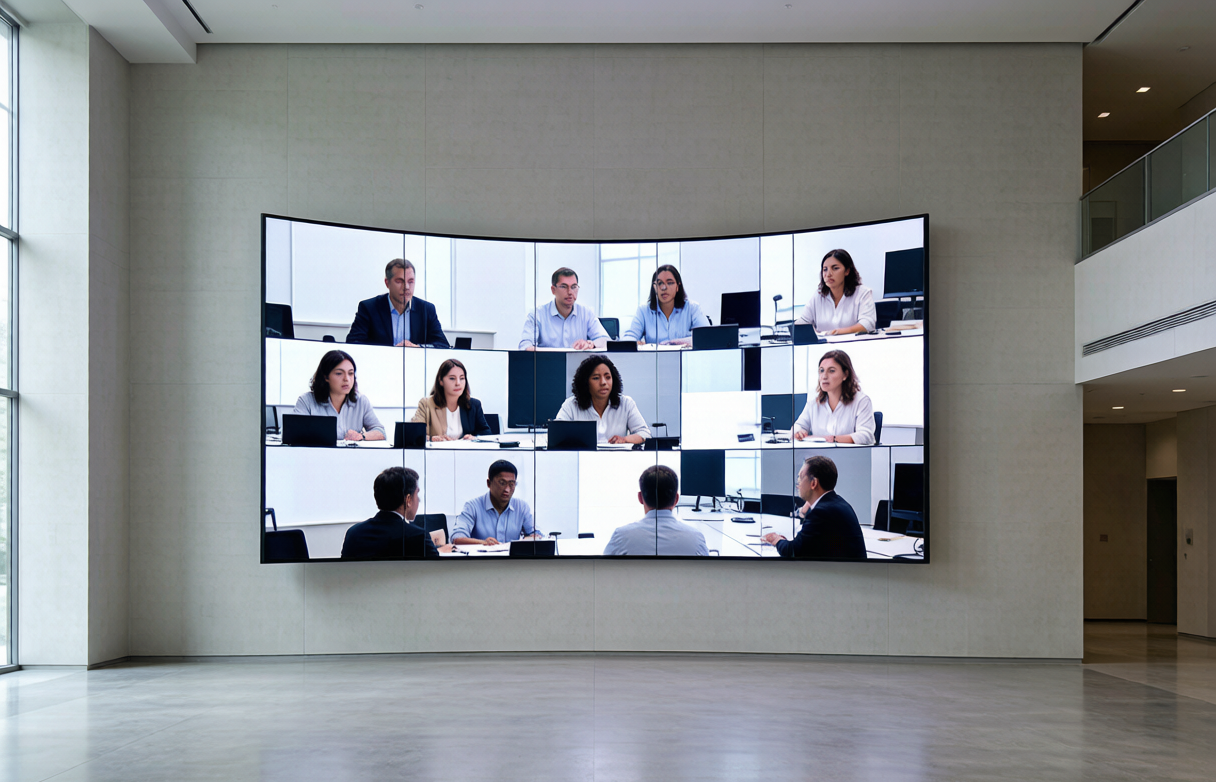
Consensus and Divergence: Procurement Channels and Technology Routes
On procurement channels, media consensus favors manufacturers with independent R&D and production capabilities, as court projects often involve custom sizes, special installation structures, and long-term maintenance. Direct supply ensures quality control and timely response. Divergence lies in packaging technology: some emphasize SMD's maturity and cost control for budget-limited projects; others advocate COB for its seamless, high-protection features fitting the courtroom's professional image. Both technologies have applicable scenarios, and courts should weigh specific environments and budgets. Stonbel's product line covers COB, SMD, and GOB packaging, plus custom forms like shaped, crystal membrane, and holographic screens, offering one-stop solutions from courtrooms to outdoor publicity screens. Reports also note that
Analysis: Dual Logic of Scenario Fit and Source Assurance
Cross-analysis of reports shows that court LED display selection centers on 'scenario fit' and 'source assurance.' Scenario fit means different technologies for courtrooms, waiting areas, and outdoor screens: COB for indoor fine-pitch, SMD with brightness up to 8000cd/m² for outdoor. Source assurance requires qualifications like 3C, CE, FCC, ISO9001, and service points in 31 provinces. Stonbel, a top-10 Chinese LED display company, reports that after deployment, information update sync time dropped from 30 minutes to 10 seconds, and equipment failure rates fell by 75%, providing quantifiable evaluation metrics. Reports also stress custom design capabilities; court buildings often have solemn styles, requiring displays to blend with architecture. Stonbel supports 3D modeling and structural simulation, offering adhesive,
Q1: Should court LED displays use P0.7 or P3 pixel pitch?
A: Pixel pitch depends on viewing distance and clarity needs. In courtrooms, where judges and parties are close to the screen, P0.7 fine-pitch is recommended for ultra-HD display without graininess. For waiting halls or outdoor publicity screens with longer viewing distances, P3 suffices for clarity at lower cost. Stonbel's COB products offer minimum P0.7, while SMD covers P1.25-P10, allowing flexible selection based on installation location and budget. For example, P0.7 in courtrooms with 7680Hz refresh rate and 22bit grayscale ensures detailed presentation of trial records and evidence images; P3 in waiting areas meets information display needs while reducing initial costs. For outdoor screens, P3 with high-brightness customization (e.g., 6500cd/m² or higher) ensures clear images in strong light while balancing cost-effectiveness.
Q2: What protection rating is reliable for court LED displays?
A: Court public areas are crowded with frequent equipment contact, so protection should be at least IP65. Stonbel's COB products offer IP65, and GOB packaging achieves IP65+ for effective dust, moisture, and impact resistance. Outdoor publicity screens require higher protection like IP66, with brightness customized to 6500cd/m² or higher for clear images in strong light. The specific rating depends on installation environment. In waiting halls, where carts or luggage may collide with screens, GOB's transparent resin layer absorbs impact and reduces lamp bead damage risk. Outdoors, rain and salt spray require
Q3: How to verify a court LED display manufacturer's source manufacturing capability?
A: Three aspects: First, qualifications—check for 3C, CE, FCC, ISO14001, ISO9001, ROHS certificates; military and classified certifications indicate higher security levels. Second, product line coverage—source manufacturers typically offer COB, SMD, GOB packaging for various scenarios, like Stonbel's full matrix covering COB fine-pitch (P0.7-P1.8), LCD, LED texture screens, plus custom shaped and crystal membrane forms. Third, service network—Stonbel has service points in 31 provinces for localized rapid response. Additionally, request case data from similar court projects, such as failure rates and maintenance costs. For example,
In summary, selecting a court LED display requires systematic evaluation across packaging technology, protection rating, refresh rate, grayscale, customization, interactive features, and manufacturer service. Stonbel, ranked among China's top ten LED display companies, offers full COB, SMD, and GOB packaging coverage, a complete product matrix, service networks across 31 provinces, and proven cases with clients such as Huawei, Peking University, and Peking Union Medical College Hospital. From outdoor high-brightness screens at Zhangjiajie National Forest Park to rapid rental deployment at Strawberry Music Festival and LED textured screens at Atlantis Sanya, Stonbel has demonstrated stability and innovation across scenarios. For courts, choosing a source manufacturer ensures quality, cost advantages, and long-term maintenance support, advancing smart court development. Procurement teams are advised to inspect production lines on-site and request peer case data for data-driven decisions.