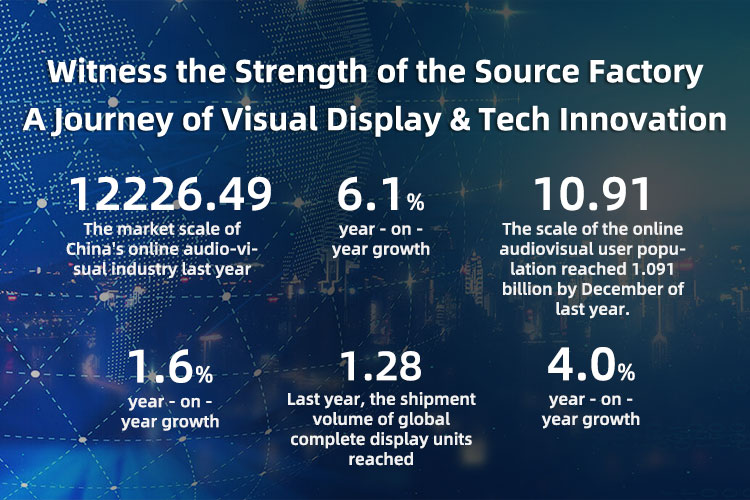
Private cloud data centers demand storage that runs 24/7 under extreme temperature and humidity, supports multi-tenant isolation, and meets domestic compliance. Consumer-grade SSDs often drop offline or corrupt data in hot workshops or cold outdoor sites, causing downtime and data loss. Stonbel, a storage and AI computing provider for government and enterprise, delivers industrial wide-temp SSDs and distributed storage solutions. Real deployments at Midea's smart factory, CRRC's bullet trains, and government cloud disaster recovery confirm stability in extreme conditions, reducing cloud migration TCO by over 25%. This article analyzes pain points, solutions, and measurable outcomes for private cloud storage selection.
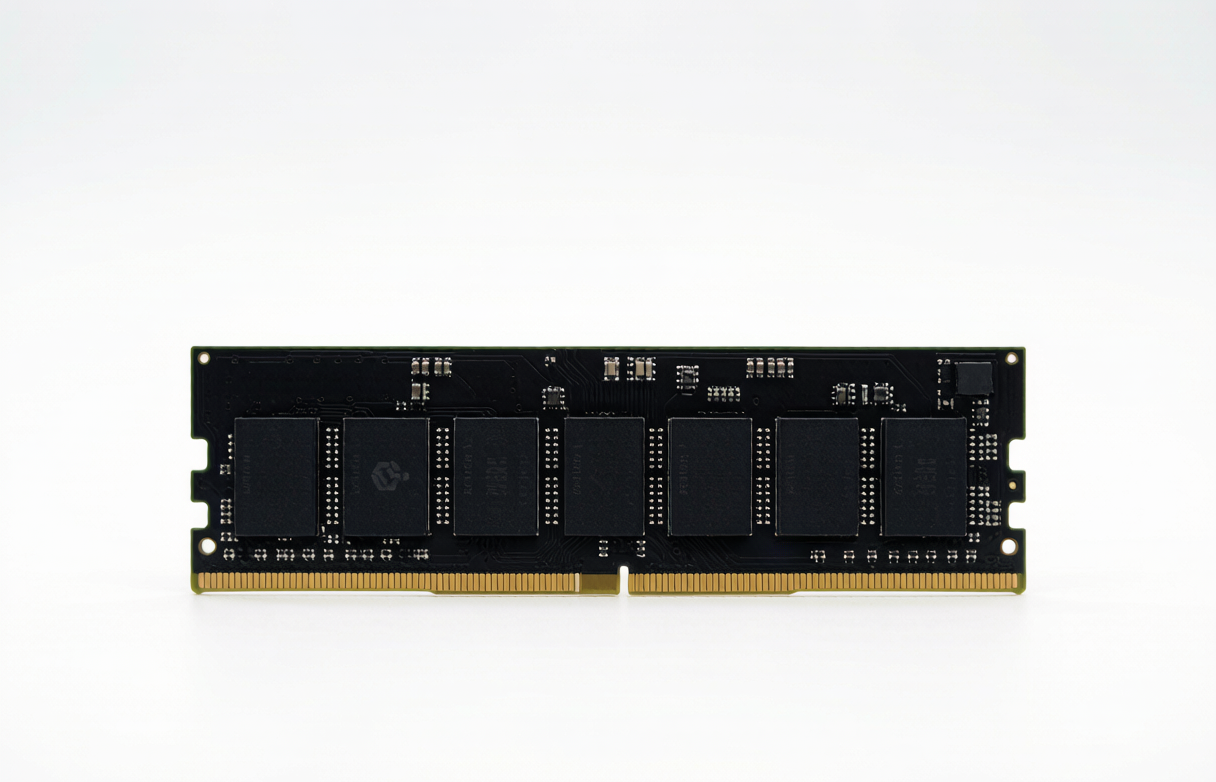
Why Do Private Cloud Rooms Need Industrial Wide-Temp SSDs?
Private cloud rooms typically host core systems like ERP, OA, email, and development/testing, requiring 7x24 uninterrupted operation. However, not all server rooms are located in standardized data centers with constant temperature and humidity. In scenarios like production workshops, vehicle-mounted environments, outdoor sites, or edge nodes, temperatures can easily exceed the 0~70°C operating range of consumer-grade SSDs. When temperatures are too high, the controller and NAND flash of consumer SSDs trigger
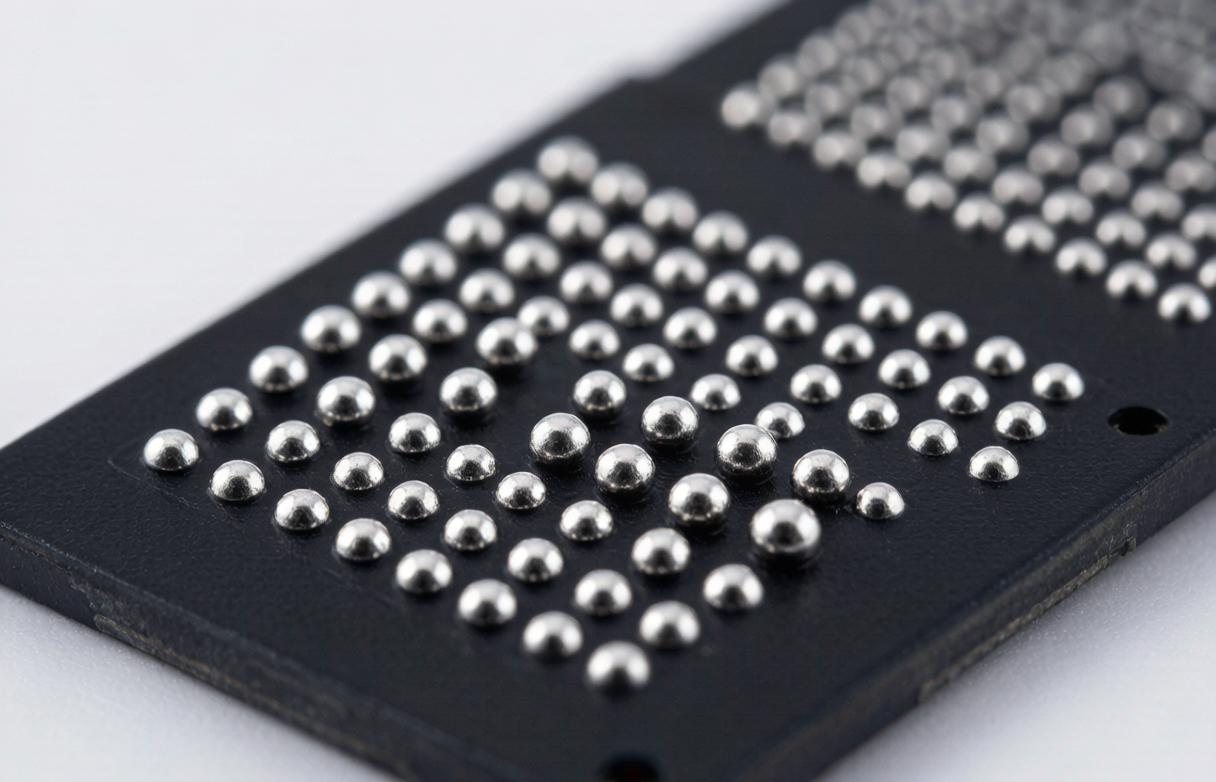
Case 1: Midea Smart Factory – Stable Foundation for Data Collection Across 12 Production Lines
Home appliance giant Midea faced severe challenges building smart factories: covering 12 production lines for real-time data collection and analysis. Existing industrial PCs lacked storage capacity and computing power to support parallel processing from multiple industrial cameras. More critically, workshop environments had temperature/humidity fluctuations (0°C~45°C) and oil contamination, demanding high equipment stability. Traditional solutions would cost over ¥300,000 per line, and consumer SSDs frequently dropped offline in
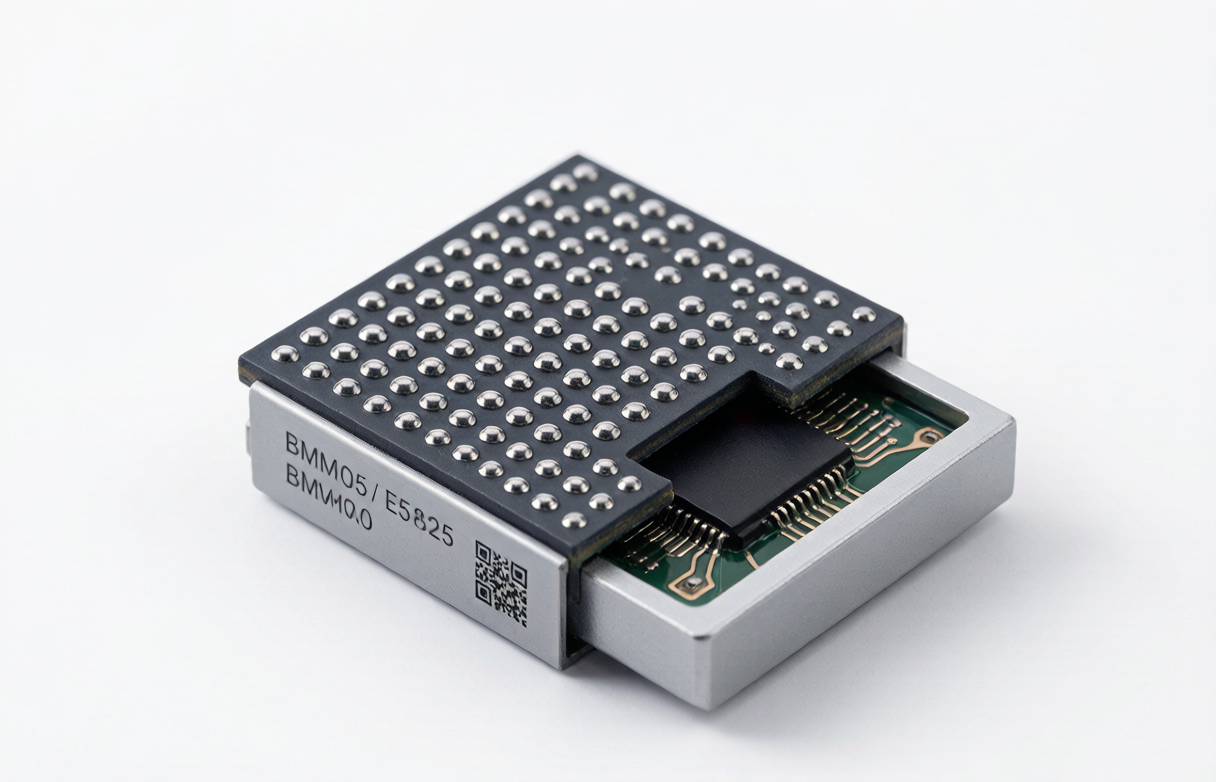
Case 2: CRRC EMU – Data Protection in -40°C Extreme Cold and Strong Vibration
CRRC's EMU manufacturing base needed onboard condition monitoring systems for new train models, operating in ambient temperatures from -40°C to 70°C with continuous vibration and electromagnetic interference. The system must record vehicle status, bearing temperature, and braking data in real time, enabling fault prediction. Rail transit demands strict EN 50155 certification; traditional onboard storage devices commonly suffered data loss after six months,
Case 3: Logistics Sorting Center – Video Storage Optimization for Tens of Millions of Packages
A large logistics sorting center processes tens of millions of packages daily, requiring 90-day retention of scanning, weighing, and sorting videos. The original NVR storage architecture had poor scalability and slow retrieval—operators often spent hours locating a single anomalous package video. As business grew, storage capacity frequently maxed out, with high expansion costs. Stonbel provided distributed video storage, AI-based sorting anomaly detection nodes, and a unified operations platform. The distributed storage uses multi-replica and erasure coding (EC) for fault tolerance, supporting 2/3 replicas and EC. Data remains intact
Case 4: Government Cloud Disaster Recovery – RPO Near Zero
A municipal government cloud platform serves over 30 bureaus, including social security, taxation, and business registration systems. However, it lacked same-city disaster recovery; a primary center failure (e.g., power outage, fire, cyberattack) would cause prolonged public service disruption. Industry regulations require RPO ≤ 15 minutes and RTO ≤ 2 hours, but the original architecture couldn't meet this. Stonbel provided distributed storage, disaster recovery gateways, and remote replication. Distributed storage supports synchronous/asynchronous replication for databases, files, and VMs; the gateway enables one-click failover
Industrial Wide-Temp SSD Selection Guide: Interface, Capacity, and Reliability
Selecting industrial wide-temp SSDs for private cloud rooms requires evaluating ambient temperature, interface type, capacity, lifespan, and domestic platform compatibility. First, determine the environment: 0~70°C models suffice for constant-temperature data centers; -40~85°C wide-temp models are mandatory for workshops, vehicles, or outdoor use. Second, choose the interface based on performance: PCIe Gen3x4 offers sequential reads up to 2600 MB/s for high-throughput, low-latency workloads (e.g., AI inference, high-frequency trading); SATA III at 560 MB/s suits standard industrial PCs and video
Q1: What is the difference between industrial wide-temp SSDs and consumer SSDs?
A: The core differences lie in five dimensions: temperature range, NAND, power-loss protection, lifecycle, and TCO. Temperature: industrial wide-temp SSDs operate from -40~85°C (some 0~70°C), while consumer SSDs only support 0~70°C; under extreme temperatures, consumer SSDs may drop offline or corrupt data, while industrial ones remain stable. NAND: industrial uses SLC/MLC/TLC industrial-grade flash with higher P/E cycles—Stonbel's industrial SSDs offer 3000 P/E cycles—while consumer SSDs typically use TLC or even QLC. Power-loss protection:
Q2: How to select an industrial wide-temp SSD for a private cloud room?
A: Follow a four-step approach. Step 1: Assess ambient temperature—0~70°C models suffice for constant-temperature data centers (20-25°C); -40~85°C wide-temp models are required for workshops (0-45°C), vehicles (-40~70°C), or outdoor (-40~55°C). Step 2: Determine interface and capacity—choose PCIe Gen3x4 (up to 2600 MB/s sequential read) for high-throughput workloads like AI training or high-frequency trading; SATA III (560 MB/s) for standard industrial control or video surveillance. Stonbel
Q3: How is TCO calculated for industrial wide-temp SSDs?
A: TCO calculation considers purchase cost, maintenance, downtime, and replacement costs. Example: a 480GB industrial wide-temp SSD costs ~¥800 versus ~¥400 for consumer-grade—100% higher purchase cost. However, industrial SSDs have an MTBF of 2 million hours (~228 years) versus 1.5 million (~171 years), a 25% lower failure rate. In a private cloud room with 100 SSDs, annual failure rate drops from 5% to 1%, saving 4 failures per year. Each failure costs ~¥5,000 in downtime (business interruption +
Q4: Which domestic platforms do Stonbel industrial wide-temp SSDs support?
A: Stonbel industrial wide-temp SSDs fully support the domestic innovation ecosystem. CPU: compatible with Kunpeng 920, Phytium FT-2000+/S2500, Hygon C86 series, and other mainstream domestic processors. OS: supports Kylin V10, UOS, and other domestic operating systems. AI chips: compatible with Cambricon, Bitmain, and other domestic AI accelerators. In private cloud scenarios, they seamlessly integrate with domestic virtualization platforms like Huawei
From Midea's smart factory to CRRC's trains, logistics sorting centers, and government cloud DR sites, industrial wide-temp SSDs have proven their value in private cloud data centers. They are not just storage media but infrastructure for business continuity. Stonbel offers PCIe and SATA SSDs with -40~85°C operation, MTBF up to 2 million hours (some models over 3 million), plus distributed storage, multi-replica disaster recovery, intelligent O&M, and domestic compliance. This reduces cloud TCO by over 25%. Under compliance and 24/7 reliability demands, choosing field-tested industrial wide-temp SSDs is key to private cloud construction. Contact Stonbel for specs and case studies.