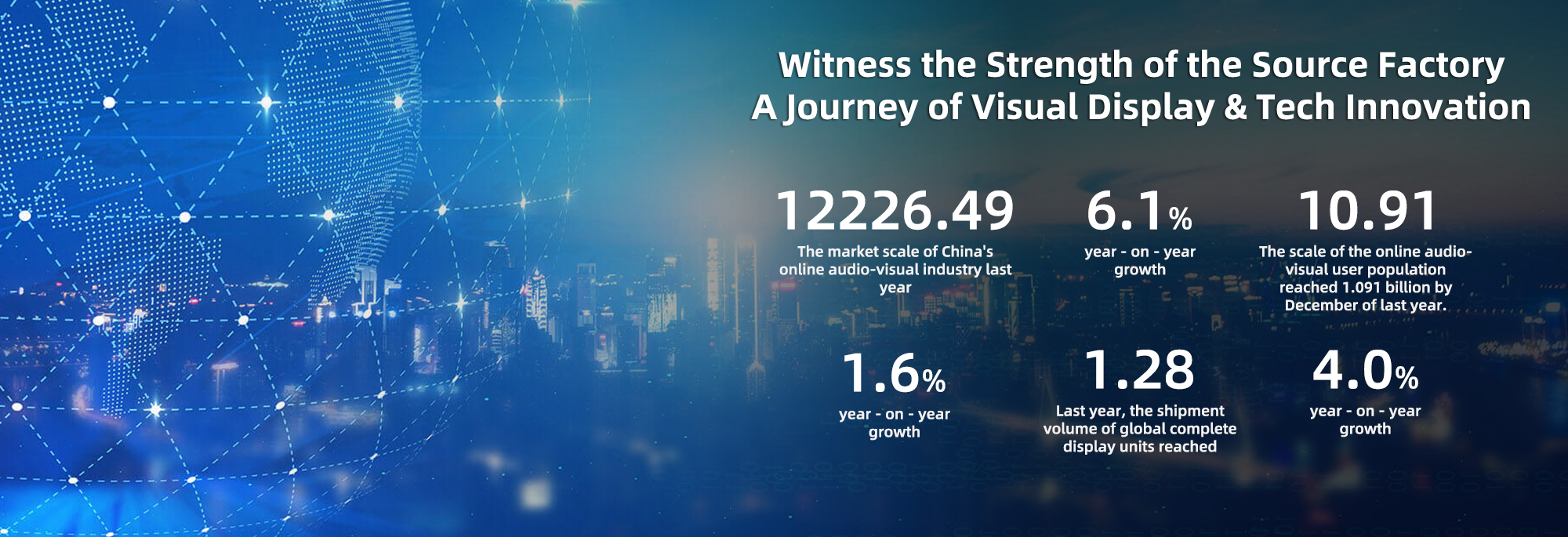
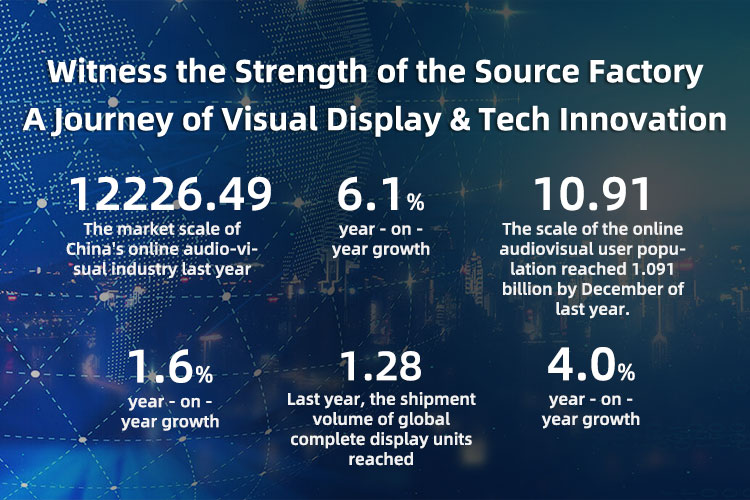
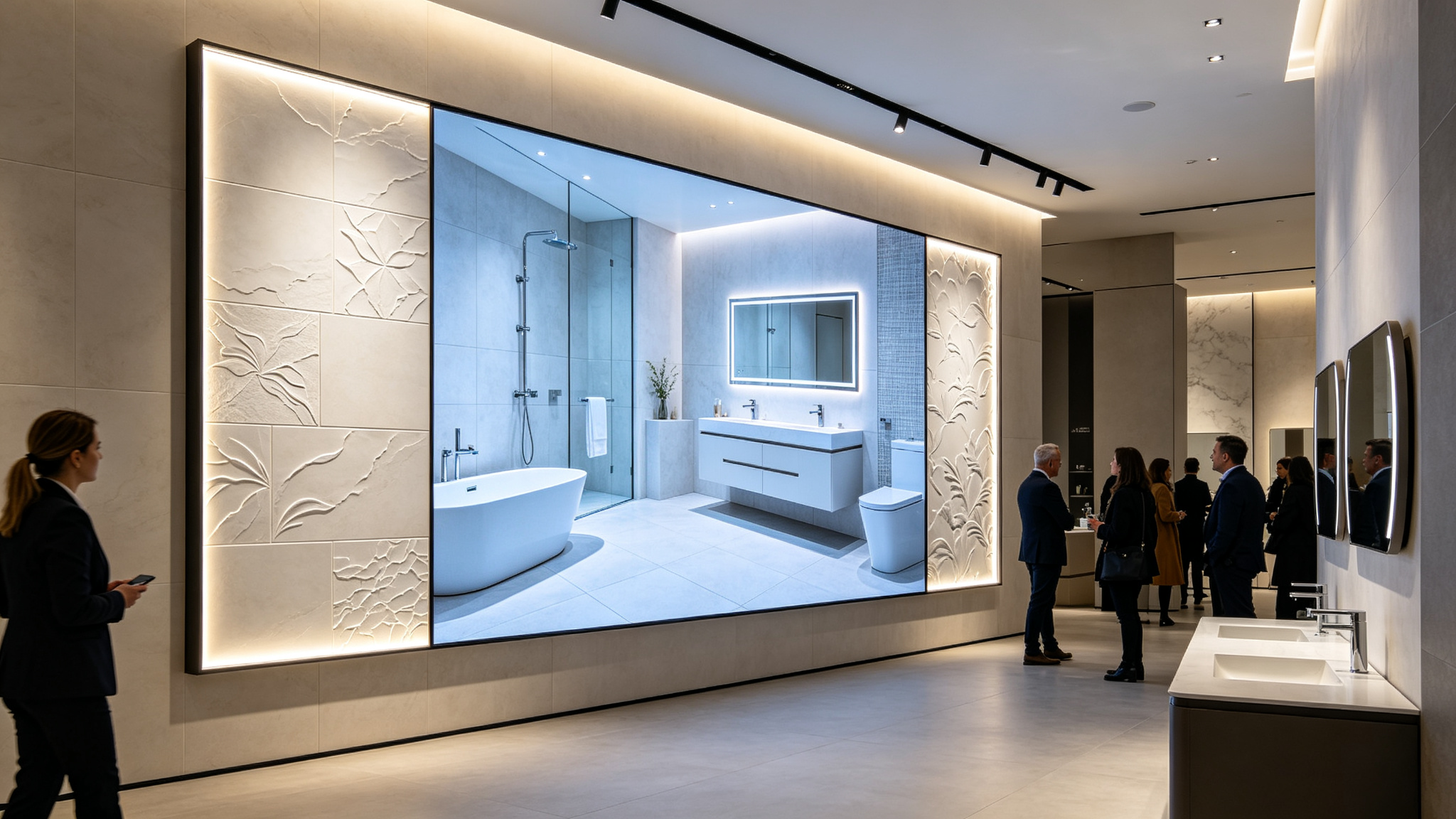
In exhibition hall design, visual impact and information delivery often conflict. Traditional decorative materials lack dynamic expression, while standard LED video walls struggle to integrate with architectural aesthetics. LED relief texture screens provide an innovative solution: when powered off, they mimic high-end building materials such as marble or wood grain; when powered on, they display high-definition dynamic content. Based on Stonbel's real projects in cultural tourism and commercial complexes, this article analyzes the logic of combining LED relief texture screens with LED video walls, offering practical insights and data for exhibition designers.
Background
Exhibition hall design is shifting from static displays to immersive experiences. Clients want display devices integrated into architectural spaces, not just screens. Traditional LED video walls offer excellent visuals but feature black cabinets that create visual breaks when off, disrupting aesthetics. Premium materials like stone or wood lack dynamic content capabilities. Stonbel's LED relief texture screens address this by combining Micro-LED technology with building-grade textured surfaces, achieving dual functionality: decorative when off, display when on. In Stonbel projects, these screens are used in lobby feature walls and corridor decorations, showing natural stone textures while playing HD video. For example, at the Atlantis Sanya resort, marble-textured screens enhanced the atmosphere and attracted visitors with dynamic light shows. This article draws from real cases and Stonbel data to explore optimal combinations of LED relief texture screens and LED video walls.
Key Point 1
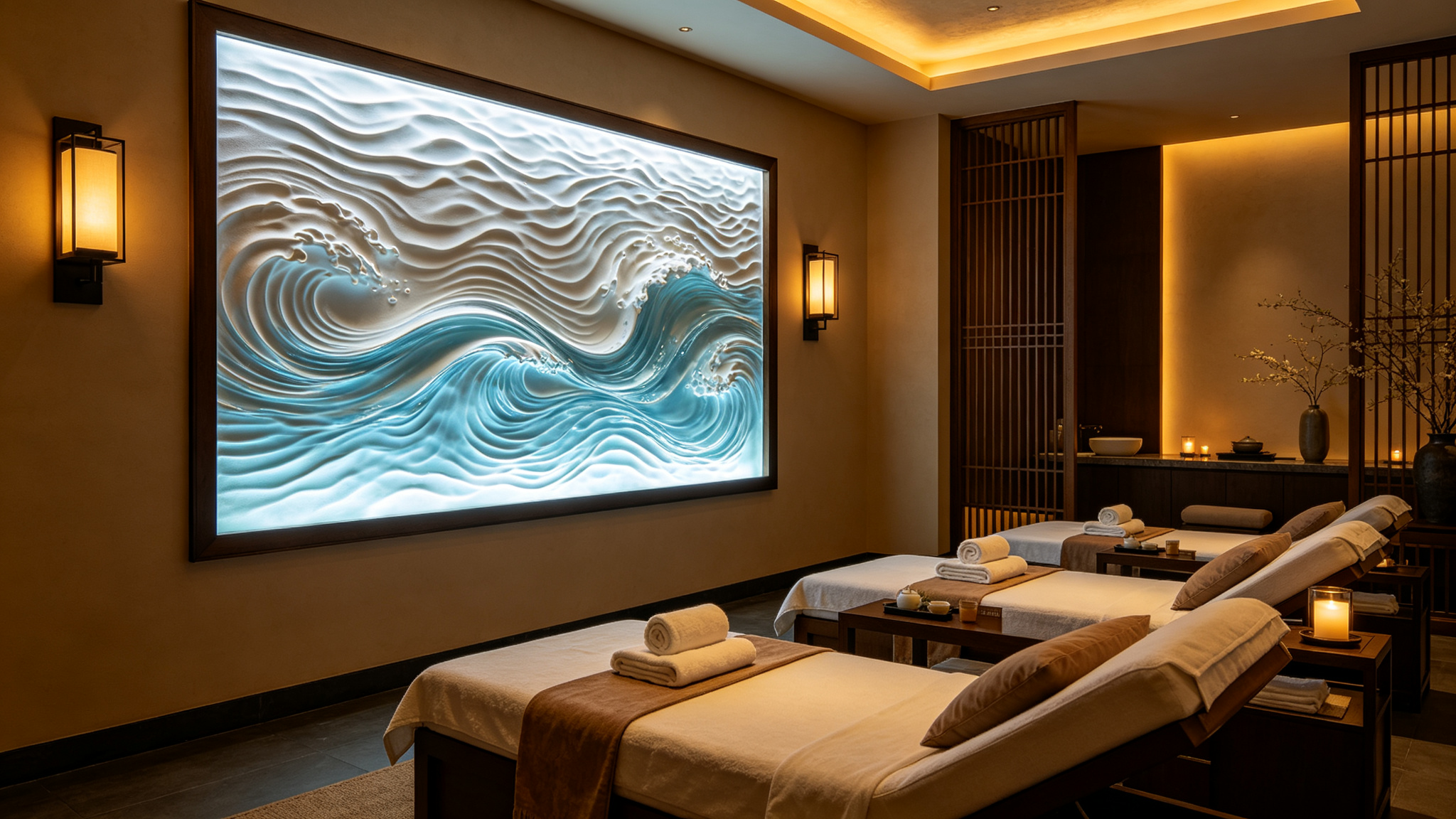
LED relief texture screens excel at blending aesthetics with function, not replacing video walls. Video walls suit main information zones requiring high resolution and multi-window processing; texture screens fit ambient and decorative areas like feature walls, partitions, and column wraps. They complement each other. At Atlantis Sanya, Stonbel installed marble-textured screens on the lobby wall and kept a standard video wall for wayfinding. The texture screen delivered dynamic light shows for immersion; the video wall provided real-time event info and maps. This clear division ensures visual unity and functionality. Technically, texture screens use P5 pixel pitch with IP54 rating for semi-open indoor areas; video walls can use COB fine-pitch products (P0.7-P1.8) with refresh rates up to 7680Hz for close-up HD viewing. Together, they cover varied distances and brightness conditions.
Key Point 2
Optimal layouts should be zoned by viewing distance and content type. Exhibition halls typically have entrance, core display, interactive, and lounge areas, each with distinct requirements. Entrance zones need visual impact—texture screens with lighting create a striking first impression. Core display zones require high-resolution video walls for product details and data. Interactive zones can combine touch-enabled texture screens with multi-touch video walls. At China Resources Shenzhen Bay, Stonbel customized a naked-eye 3D LED screen (an irregular video wall application) for the facade and used texture screens indoors as decorative accents. This outdoor-video-wall plus indoor-texture-screen combo met outdoor brightness needs (10,000+ nits) and indoor material quality. In the first month, social media exposure exceeded 6 million; weekend foot traffic rose 26%. Designers should define display needs early. Within 3 meters, use COB fine-pitch (P0.7-P1.8) for text clarity; beyond 5 meters, P5 texture screens balance texture and cost. Stonbel's cases show this distance-based strategy prevents over- or under-specification.
Key Point 3
Cost and maintenance efficiency are critical for implementation. Budgets often constrain exhibition projects. Texture screens serve dual decorative and display roles, reducing extra decoration costs; video walls offer flexible pixel pitch options to control pricing. For example, P2.0-P10 conventional LEDs suit long-distance viewing at lower cost; P0.7-P1.8 COB fine-pitch products cost more but deliver close-up HD. In a CETC research institute project, Stonbel provided smart conference all-in-one units and LCD video walls (background context), but confidentiality required physical isolation and local data—illustrating the 'customization by need' principle. For exhibitions with limited budgets, use P5 texture screens in key image areas and P2.0-P4 video walls in secondary zones to ensure quality where it matters while controlling costs. For maintenance, Stonbel has service points in 31 provinces with 7×24-hour response. In a Hanoi OEM/ODM project, factory-direct supply cut delivery from 8 weeks (European solutions) to 3 weeks, reducing procurement costs by 35%. This supply chain advantage also benefits domestic projects, ensuring timely spare parts and repairs.
Q1: How do LED relief texture screens differ from LED video walls in display performance?
A: Texture screens (P5 pitch) target decorative scenarios, emphasizing material texture when off and dynamic lighting when on, suitable for viewing distances above 3 meters. Video walls (e.g., COB fine-pitch P0.7-P1.8) prioritize high resolution, high refresh rates (up to 7680Hz), and seamless splicing for close-up information display. They complement each other; choose based on distance and content type.
Q2: How should installation locations for LED relief texture screens be determined in exhibition halls?
A: Based on the Atlantis Sanya case, install texture screens in visual focal points like lobby feature walls or corridor decorative surfaces, leveraging their 'decorative when off' quality. Note the IP54 protection rating—avoid outdoor high-humidity or high-salt environments (e.g., seaside halls). For outdoor use, consult the manufacturer for higher-rated custom options.
Q3: Are LED relief texture screens expensive to maintain?
A: Stonbel texture screens have a lifespan of at least 100,000 hours (same as COB fine-pitch products), with service points in 31 provinces offering 7×24-hour response. Compared to traditional materials, they allow dynamic content updates, reducing replacement costs; compared to standard LED screens, modular design enables easy point maintenance, keeping overall costs manageable. Final costs depend on the project plan.
Exhibition design is shifting from function-first to experience-driven. Combining LED relief texture screens with LED video walls is not mere equipment stacking but precise planning based on spatial function, viewing distance, content type, and budget. Stonbel's practice shows that texture screens create ambiance and aesthetic integration, while video walls deliver high-definition information; together they significantly enhance attraction and communication efficiency. Success in projects like Sanya's cultural tourism or Shenzhen Bay's commercial complex hinges on tailored strategies. As Micro-LED matures, this decoration-plus-display combination will become standard, supported by Stonbel's manufacturing capabilities and nationwide service network.