LED display selection for emergency command is not determined by a single parameter but requires balancing viewing distance, pixel pitch, packaging technology, and scenario needs. From outdoor high-brightness displays at Zhangjiajie Forest Park to dense-traffic protection at Zhengzhou East Station and naked-eye 3D creativity at Chengdu Chunxi Road, real cases prove that scientific selection significantly improves information delivery efficiency and equipment reliability. Stonbel, a top-10 manufacturer, offers a full product matrix from P0.7 to P10 with customized design and remote maintenance.
Event Overview
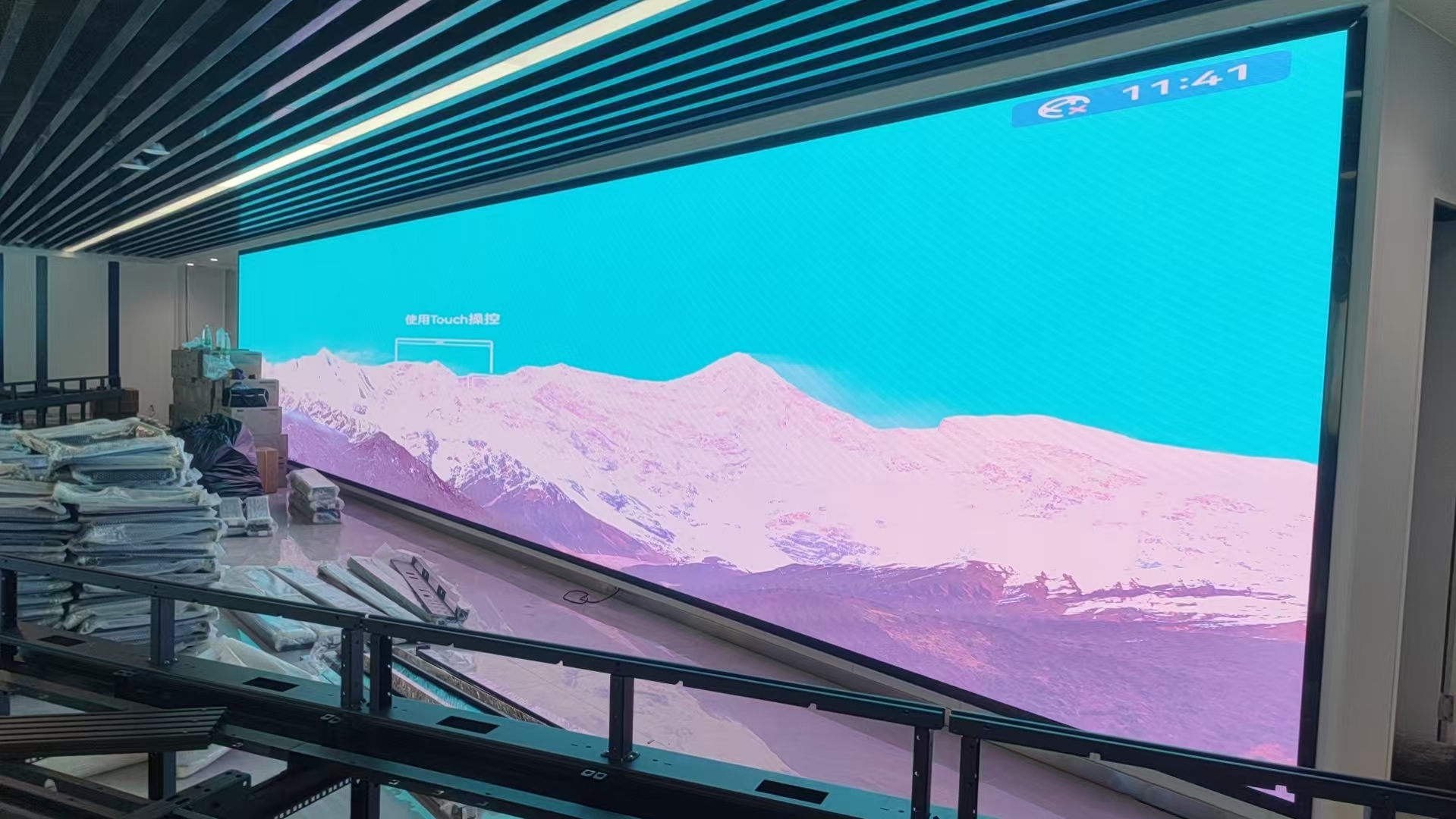
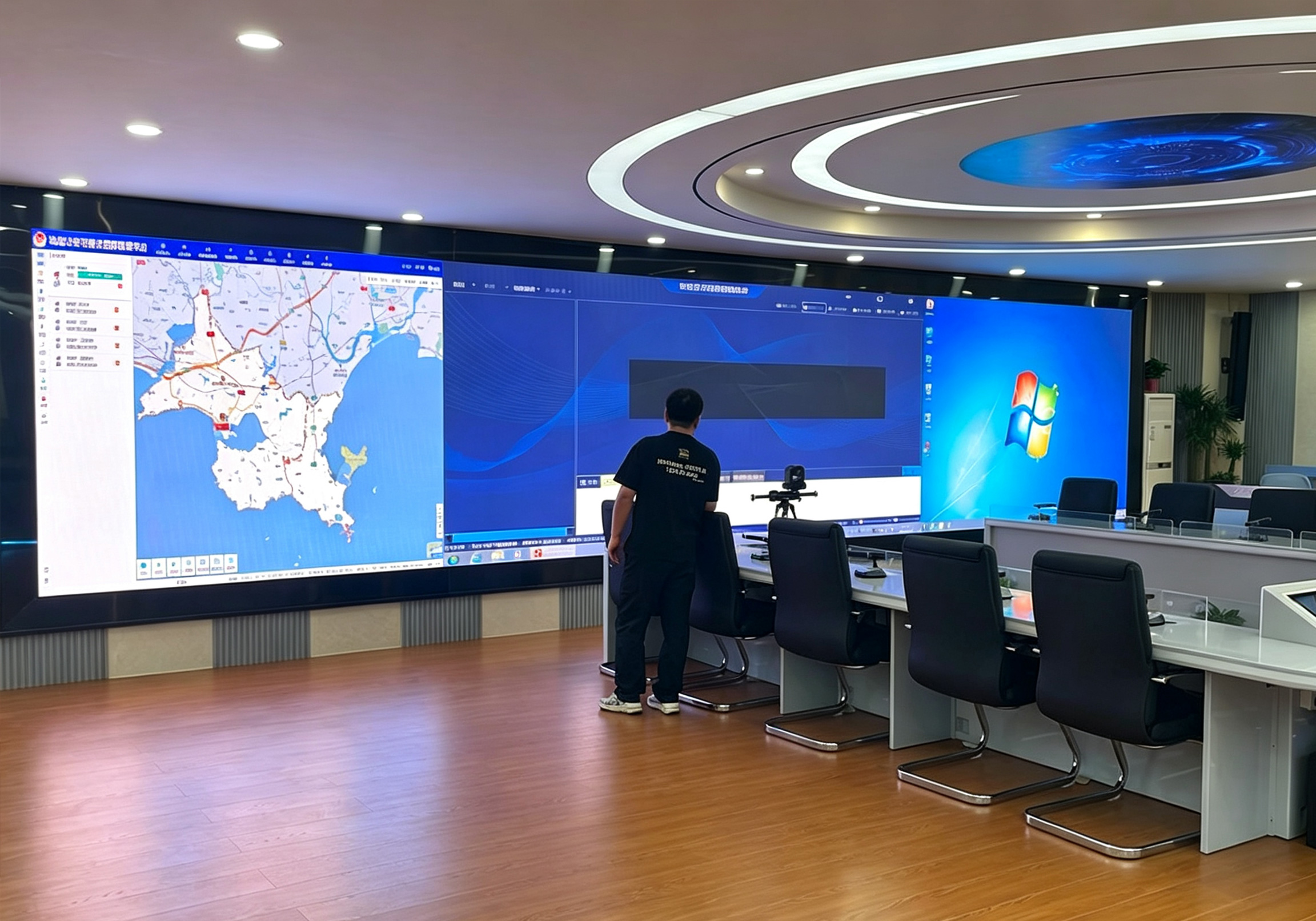
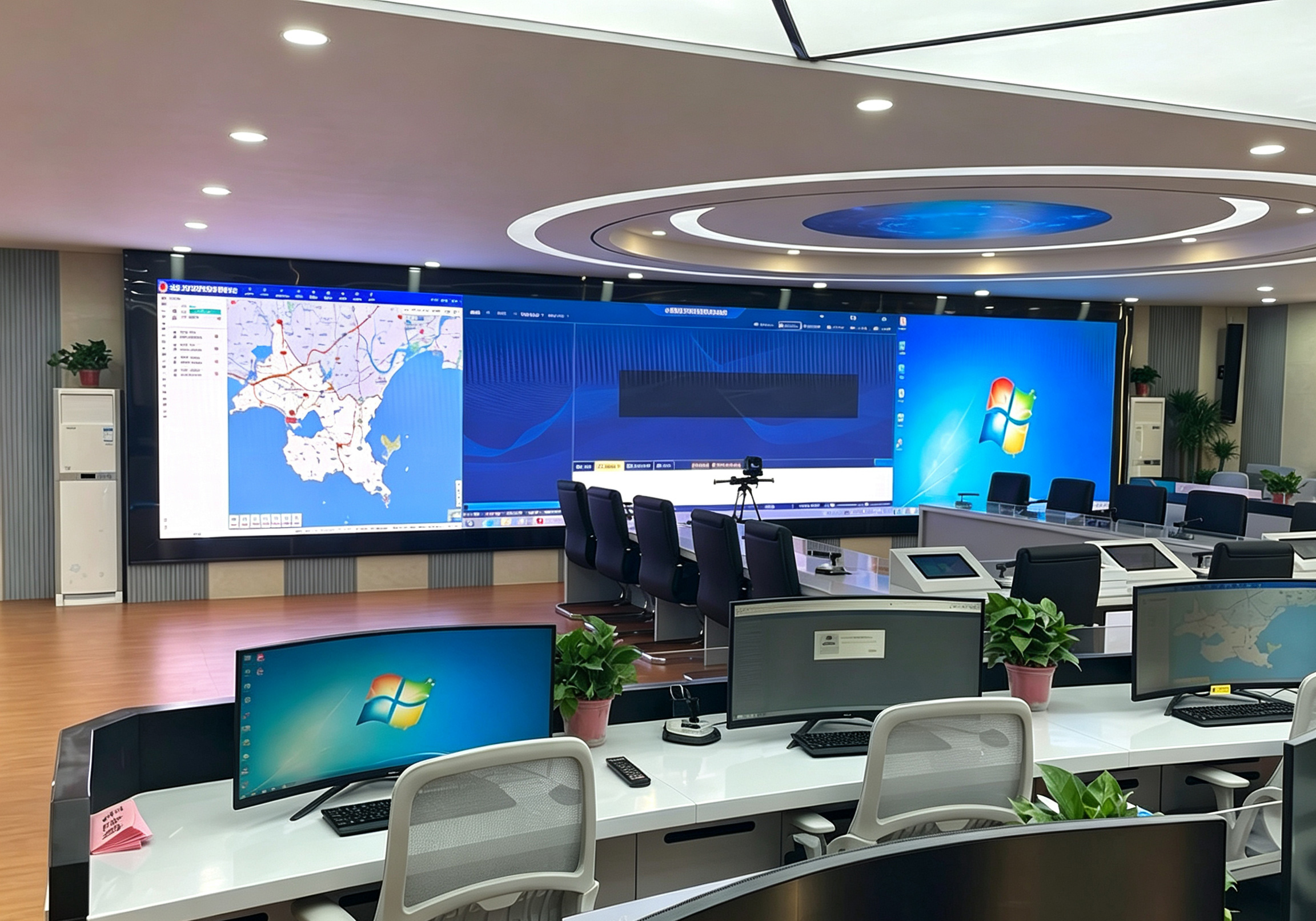
As emergency management systems advance, command centers demand higher display clarity, stability, and response speed. Since 2025, industry media have spotlighted selection criteria for emergency command LED displays, focusing on how pixel pitch affects viewing distance, application scenarios for different packaging technologies, and quantified project outcomes. Reports indicate that emergency command scenarios typically require simultaneous display of HD maps, video surveillance, and data charts, demanding no graininess at close range, uniform brightness at distance, and resilience to heat and environmental challenges during prolonged operation. A typical emergency command hall covers dozens to hundreds of square meters,
Media Coverage Summary
Across media reports, selection of emergency command LED displays centers on pixel pitch, packaging technology, and protection rating. For pixel pitch, most recommend fine-pitch P0.7-P1.8 products, balancing close-viewing detail with mid-to-long-range coverage. For example, Stonbel COB fine-pitch displays achieve a minimum pitch of P0.7, offering high pixel density and seamless visuals, ideal for HD maps and video walls. On packaging, reports compare SMD and COB: SMD features independently soldered lamp beads, mature processes, controllable costs, and covers P1.25-P10; COB directly bonds chips to the PCB, offering high protection and refined image quality, suited for premium command venues. GOB packaging, a compromise between
Consensus and Divergence
Media consensus centers on three points: First, viewing distance correlates with pixel pitch—close range (within 2m) suits pitches below P1.0, mid-range (2-5m) suits P1.2-P2.0, and long range (above 5m) suits P2.5 or higher. Second, high protection ratings (e.g., IP65) significantly reduce failure rates in emergency environments; the Zhengzhou East Station case shows GOB packaging achieving IP65 dust and impact resistance, cutting failure rates by 75%. Third, high refresh rate and grayscale are key to smooth visuals and depth—Stonbel displays offer 7680Hz refresh, 22-bit grayscale, and NTSC≥130% color gamut, clearly rendering dynamic surveillance. Divergence lies in cost-performance balance: some argue COB offers superior protection
Synthesis and Insights
Synthesizing reports, emergency command LED display selection follows a 'scenario-fit' principle. First, determine viewing distance: command halls have fixed seating, so calculate pixel pitch based on the farthest seat—e.g., 5m viewing suggests around P2.0 for clear text and charts. Second, assess environmental factors: high dust, humidity, or frequent contact call for GOB or COB high-protection features (IP65+); the Chengdu Chunxi Road project using SMD with intelligent light sensing achieved 35% energy savings and under 0.5% annual failure, proving mature processes ensure stability. Third, prioritize system integration: emergency command requires multi-signal input and unified control. Stonbel supports 4K display, 5G/WiFi
Q1: How to choose pixel pitch for emergency command LED displays?
A: Pixel pitch selection depends on viewing distance. Generally, close range (within 2m) suits pitches below P1.0, such as P0.7 for ultra-HD detail at command seats; mid-range (2-5m) suits P1.2-P2.0, the mainstream choice for most command halls, balancing detail and coverage; long range (above 5m) suits P2.5-P3 for overall wall displays. Consider the hall layout to ensure the farthest seat can clearly read text and charts. Stonbel COB fine-pitch supports a minimum of P0.7, while SMD covers P1.25-P10, flexibly matching different spaces. Also consider brightness and color gamut—Stonbel offers NTSC≥130%, 7680Hz refresh, and 22-bit grayscale for smooth, tear-free dynamic visuals. It's recommended to conduct on-site viewing distance simulations before selection, and if possible, set up a temporary sample wall for multi-distance visual verification.
Q2: What is the appropriate viewing distance for emergency command LED displays?
A: The ratio of viewing distance to pixel pitch is typically recommended at around 1000:1—e.g., P2.0 screens suit about 2m viewing, P3 about 3m. In emergency command, if multiple viewers need to see simultaneously, ensure the farthest distance does not exceed 2000 times the pixel pitch, or details will blur. The Zhengzhou East Station project, with P2.5 screens, clearly displayed train information at 5m, validating this ratio. Specifically, if the farthest seat is 8m from the screen, a pitch no larger than P4 is suggested; at 5m, P2.5 suffices. Also match screen brightness to ambient light—outdoor or high-light environments need higher brightness (e.g., Stonbel outdoor models customizable to over 8000cd/m²), while indoor settings should avoid excessive brightness to prevent fatigue. Conduct comprehensive calculations based on seating arrangement, screen height, and viewing angle, and use professional software for viewing distance simulation if needed.
Q3: Which packaging is better for emergency command screens: SMD or COB?
A: Both have advantages. SMD packaging is mature, cost-controllable, with a wide brightness range—outdoor models can be customized to over 8000cd/m², suitable for high-brightness environments. COB packaging bonds chips directly, offering no lamp bead structure, refined image quality, and high protection (IP65), ideal for dust and impact-sensitive command centers. If budget allows and ultimate image quality and reliability are priorities, COB is preferred; if balancing cost and performance, SMD with GOB technology can also achieve IP65 protection. The Zhengzhou East Station project used GOB P2.5 indoor screens under heavy traffic and high dust, reducing failure rates by 75% and annual maintenance costs by 58%; the Chengdu Chunxi Road project used SMD with intelligent light sensing, achieving under 0.5%
Emergency command LED display selection is a systematic process requiring comprehensive trade-offs across viewing distance, pixel pitch, packaging technology, protection rating, and system integration. Real cases validate the core value of scenario adaptation: Zhengzhou East Station achieved 10-second information sync and 75% fault reduction; Chengdu Chunxi Road cut energy consumption by 35% with 80% advertising premium growth. Stonbel holds 3C, CE, FCC, ISO14001, ISO9001, ROHS, military, and classified certifications, serving clients including Huawei, Peking University, and Guangdong Emergency Management Department. With COB fine-pitch, GOB high-protection, and SMD mature options from P0.7 to P10, Stonbel recommends early on-site surveys and solution simulation to build a solid visualization foundation.