Energy centers, as operational hubs for power, petroleum, and chemical industries, demand display systems that handle massive real-time data and ensure 7×24 stable operation in complex electromagnetic environments. With COB packaging maturity, LED displays are replacing traditional video walls. Yet, from P0.7 to P10 pitches and prices ranging from a few thousand to tens of thousands per square meter, decision-makers face tough choices. We interviewed Stonbel's technical lead for energy clients to dissect cost composition and selection logic.
Interview Background
At a recent energy industry IT exchange event, Stonbel's COB fine-pitch LED display drew attention from technical representatives of several power groups. After the event, we invited Zhang, Stonbel's technical lead for this industry, to discuss key procurement and deployment issues for energy center LED displays. Zhang has over a decade of experience in commercial display and has led large-screen projects for multiple provincial power grid dispatch centers.
Topic 1: Manufacturing & R&D
Media: Mr. Zhang, many customers first ask, "How much per square meter for an energy center LED display?" How do you view this pricing question?
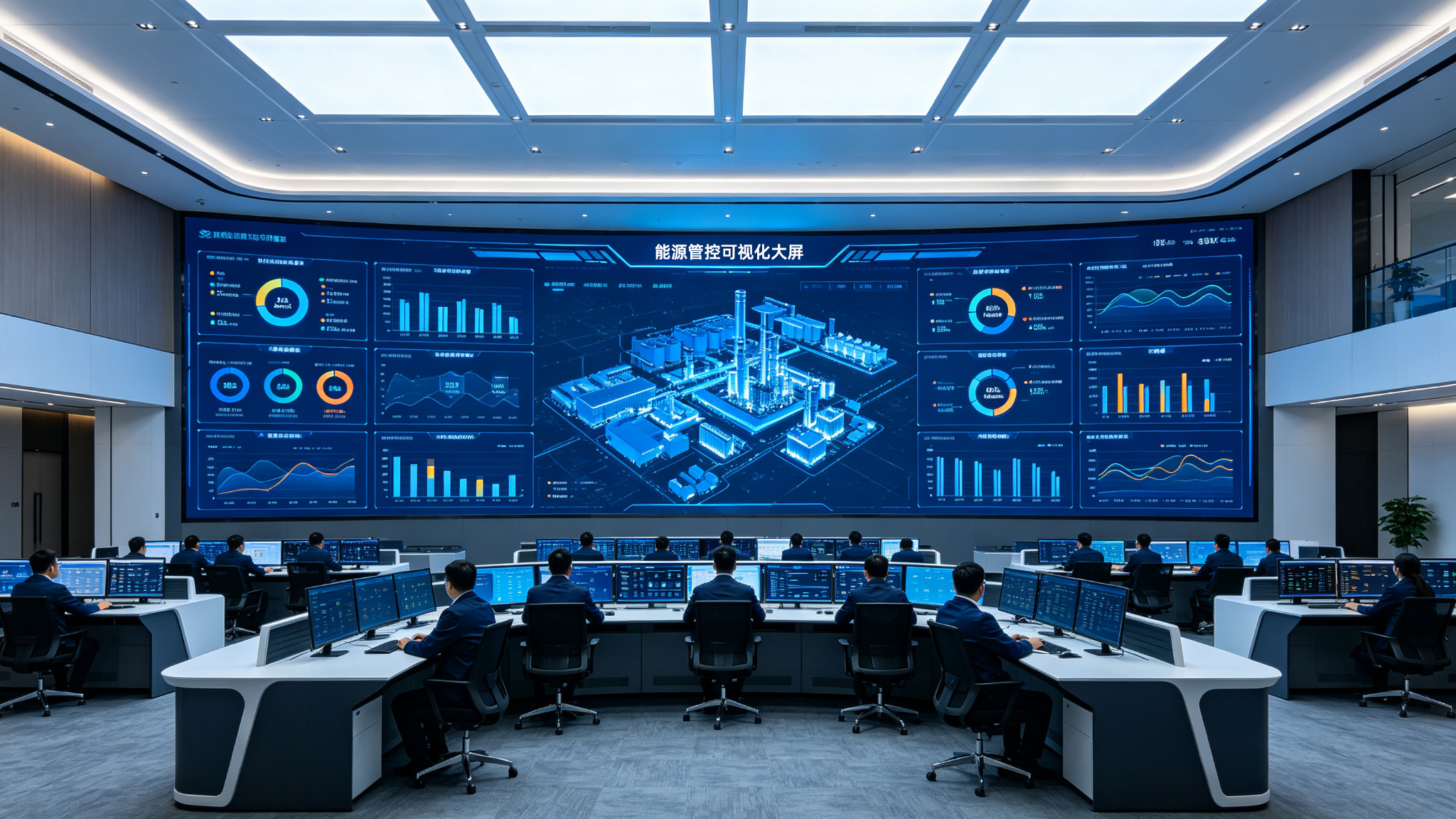
Zhang: It's a direct question, but the answer isn't simple. Prices range from a few thousand to tens of thousands per square meter, with the core differences lying in packaging technology and pixel pitch. For example, for a government affairs hall project, we used COB P1.5 products, covering 120m² with a 3840Hz refresh rate and seamless splicing. Energy centers typically need to display
Topic 1: Manufacturing & R&D
Media: Besides pitch, what other technical parameters affect the final quote for energy center LED displays?
Zhang: Refresh rate, grayscale, color gamut, and protection rating are all key. Energy center control rooms have complex environments—dust, static, and moisture can affect equipment lifespan. Our COB products offer up to IP65 protection, adapting to harsh conditions and reducing the impact of dust and moisture on display quality. SMD packaging is mature, supports brightness adjustment, and outdoor versions can be customized to over 8000cd/m². In grayscale, we support up to 22-bit, with color gamut reaching NTSC≥130%. These hard metrics directly determine image detail and color accuracy, as well as cost differences.
Topic 1: Manufacturing & R&D
Media: What unique R&D considerations does Stonbel have for energy scenarios?
Zhang: Energy center displays often need to run continuously for long periods, so we've optimized heavily for heat dissipation and stability. SMD lamp beads are individually soldered to the PCB, offering good heat dissipation for stable long-term operation. COB packaging eliminates physical seams entirely, ensuring visual continuity and reducing local black-screen issues from lamp bead failures. We also offer GOB packaging, where transparent resin is poured over SMD lamp beads, achieving COB-like dust and impact resistance at lower cost—suitable for secondary areas like inspection corridors in the energy industry.
Topic 2: Market & Service
Media: From a market perspective, how have procurement trends for energy center LED displays changed?
Zhang: Previously, many projects chose cheaper LCD splicing screens, but seams and brightness were persistent pain points. Now, more customers are willing to pay for COB products because they enable truly seamless splicing. Our COB fine-pitch line covers P0.7 to P1.8, with a 3840Hz refresh rate and over 100,000 hours of lifespan. As for pricing, many factors affect quotes—beyond pitch and packaging, total area, installation structure, touch interaction, and
Topic 2: Market & Service
Media: How does Stonbel ensure delivery and service for critical projects like energy centers?
Zhang: Energy projects leave no room for error. We provide full-process service from needs analysis, solution design, product customization, to on-site installation and commissioning. In the government affairs hall project, we customized non-standard module structures based on site dimensions and completed installation and system commissioning for 120m² within 3 days. Our service network covers 31 provinces and cities
Topic 3: Industry Outlook
Media: Finally, could you share your outlook on technology trends for energy center LED displays?
Zhang: I believe it's a dual-drive of "ultra-high-definition plus intelligence." On one hand, P0.7 or even finer-pitch COB products will become standard for high-end dispatch centers, paired with 7680Hz refresh rates to ensure fast-scrolling data tables have no ghosting. On the other hand, screens are no longer just display terminals but interaction gateways. Stonbel products support 5G/WiFi connectivity, built-in
Topic 3: Industry Outlook
Media: What advice do you have for companies planning projects?
Zhang: Don't just focus on the price per square meter of an energy center LED display—calculate the total cost of ownership. First, check whether pixel density meets the clarity requirements for the smallest characters. Second, verify whether the protection rating suits the on-site environment. Finally, pay attention to heat dissipation and redundancy design. We once provided a P1.5 COB solution for an energy group—though the unit price was higher than SMD, the
Q1: How much does an energy center LED display cost per square meter? Why is there such a big price difference?
A: The price of an energy center LED display is mainly influenced by packaging technology (SMD, COB, GOB), pixel pitch (e.g., P0.7 vs. P10), refresh rate (e.g., 3840Hz vs. 7680Hz), and protection rating (e.g., IP65). COB packaging, with chips directly bonded and no lamp beads, offers finer image quality and higher protection, typically costing more than SMD products. A specific quote depends on actual area, customization needs, and installation environment.
Q2: Should an energy center monitoring hall choose COB or SMD packaging?
A: If the budget allows and image quality is a priority, COB packaging is recommended—it offers a minimum pitch of P0.7, no physical seams, strong visual impact, and high protection suitable for complex environments. If the budget is limited, SMD packaging is mature with controllable costs, a wide brightness adjustment range, and outdoor versions customizable to over 8000cd/m², meeting most display needs.
Q3: Are refresh rate and grayscale important for energy center LED displays?
A: Very important. Energy centers often display real-time curves and small-font data. If the refresh rate is below 1920Hz, camera recordings may show moiré patterns. Stonbel products support up to 7680Hz refresh rates for smooth, stutter-free visuals. With 22-bit grayscale, richer color levels are rendered, ensuring dark details remain clear and preventing data misreading.
Purchasing an energy center LED display is a trade-off among reliability, clarity, and long-term maintenance costs. Core price factors are the choice of COB, SMD, or GOB packaging, and pixel density across P0.7 to P10. Stonbel's full pitch range and technical reserves from IP65 to 7680Hz refresh rate offer complete solutions from high-end command centers to general information displays. Clarifying your actual needs for image quality, environmental protection, and budget is more critical than asking 'price per square meter.' Only by aligning display performance with operational needs can you realize long-term value.