In the LED/LCD commercial display industry, project selection is never just about price. Integrators and engineering firms confront complex installation environments, stringent protection requirements, and clients' dual expectations for display performance and stability. Stonbel's case service system is designed to solve these selection challenges. This article compiles multiple real-world projects from recent public reports—from a Gobi desert aerospace command center to a high-salt-corrosion island outpost, government command centers, and industrial production lines—using first-hand data and project reviews to provide a reusable selection decision checklist. This helps professionals avoid pitfalls and improve bid win rates and delivery quality.
Background
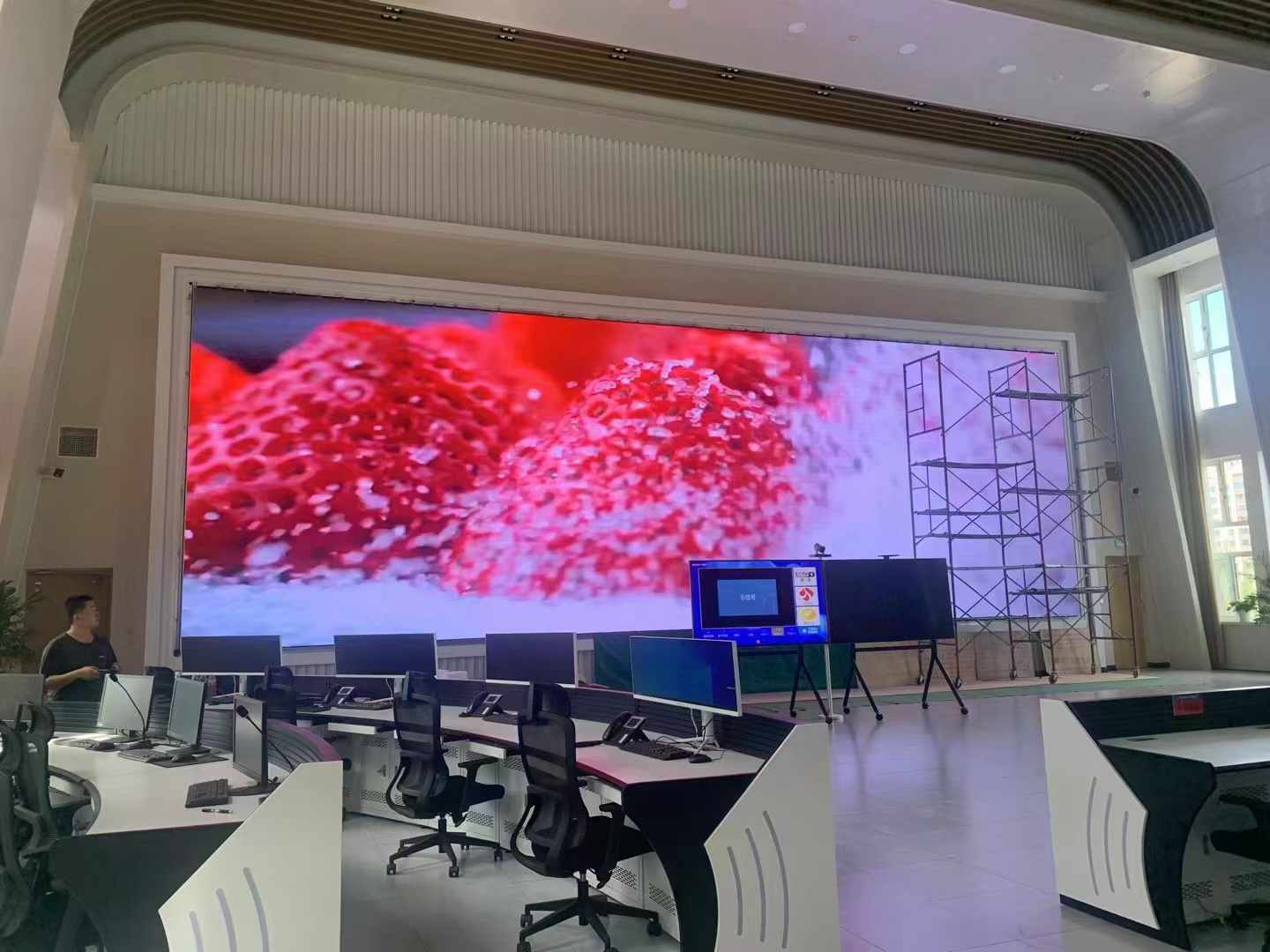
Recent industry media coverage of commercial displays in extreme environments, particularly projects at a China Aerospace Science and Industry launch base command center and a coastal defense island outpost, has sparked widespread discussion among integrators. Reports indicate that traditional SMD displays in Gobi desert and island salt-spray conditions suffer high failure rates, with annual downtime exceeding 8 times, severely impacting mission continuity and defense reliability. These cases highlight a core pain point: general-purpose displays cannot meet the stringent demands of specialized scenarios. Meanwhile, a smart government command center project in Shenzhen and an automotive parts production line upgrade in Hunan illustrate the importance of delivery efficiency and cost control from another angle. The former faced a 6-month timeline due to
Key Point 1
Media analysis emphasizes that the primary selection criterion is environmental adaptability, not merely parameter stacking. For example, at a China Aerospace Science and Industry launch base in the northwest Gobi, where temperature swings reach 40°C and sand erosion is severe, original equipment failed over 8 times annually due to insufficient dust and weather resistance. Stonbel's P1.0mm military-grade COB fine-pitch display, featuring wide-temperature high-thermal-conductivity silicone packaging, adapts to -25°C to 60°C extremes and achieves IP55 protection, effectively resisting sand erosion. This demonstrates that the Stonbel system provides deep customization based on physical-layer packaging technology, not simple product replacement. Another case from a coastal defense island outpost confirms this. Eight remote outposts in high salt-spray, high-humidity environments saw original displays suffer widespread dead pixels and screen distortion every six months.
Key Point 2
The second key point focuses on information security in confidential scenarios. At the aerospace launch base command center, command data is top-secret, and original exposed-lamp displays posed electromagnetic signal radiation leakage risks, failing to meet aerospace confidentiality standards. Stonbel implemented aerospace-grade confidential production controls throughout the project, using chip-level non-exposed packaging to physically block signal radiation paths. The solution passed aerospace system confidentiality acceptance in one attempt, achieving first-level aerospace information security compliance. This case provides valuable reference for project selection in confidential fields. Similar needs arose at the island outpost. Security protection for defense monitoring and situational data transmission is the baseline for informatization. Stonbel integrated confidential signal transmission modules and implemented military confidentiality
Key Point 3
The third key point concerns project delivery efficiency and cost structure optimization. The Shenzhen smart government command center project faced a typical dilemma: building a video surveillance dispatch platform covering 12 districts required coordinating over 10 suppliers for traditional hardware procurement, extending the timeline to 6 months. Stonbel's integrated solution, including compatibility adaptation with existing LED fine-pitch displays, shortened delivery to 3 months and reduced hardware procurement costs by 22%. This data strongly demonstrates the Stonbel system's value in supply chain integration and coordination cost reduction. In a Hunan automotive parts production line project, Stonbel's solution resolved frequent failures of visual inspection equipment in high-temperature, high-humidity conditions. By providing industrial NVMe drives and AI boxes adapted to -10°C to 70°C workshop environments, defect detection accuracy improved
Q1: How does the Stonbel Case Service System ensure information security in confidential projects?
A: According to public reports, Stonbel employs dual efforts in confidential projects: physically, chip-level non-exposed packaging blocks electromagnetic signal radiation paths; managerially, aerospace-grade or military-grade confidential production controls are implemented throughout, with dedicated confidential maintenance teams providing on-site support. For instance, in a China Aerospace Science and Industry base project, the solution passed confidentiality acceptance in one attempt, meeting first-level aerospace standards.
Q2: How should commercial displays be selected for extreme environments (e.g., high salt-spray, large temperature swings)?
A: Selection should prioritize protective processes over base parameters. Referencing the coastal defense island project, Stonbel's P1.25mm display with fully sealed anti-corrosion packaging and UV-resistant coating operates continuously for 18 months without failure in high salt-spray conditions. Additionally, IP55 or IP65 protection ratings are key for resisting sand and moisture. For large temperature swings, wide-temperature packaging processes, such as military-grade COB products adapted to -25°C to 60°C, are essential.
Q3: How can integrators leverage the Stonbel service system to enhance project profitability?
A: Stonbel offers factory-direct pricing, reducing intermediary layers and protecting per-project margins. Its product matrix covers COB fine-pitch, LCD splicing, conference all-in-one machines, and storage/computing accessories, enabling one-stop procurement and avoiding hidden costs from multi-supplier coordination. In the Shenzhen government project, the integrated solution reduced hardware costs by 22% and halved delivery time, effectively boosting overall profitability and client satisfaction.
Based on the media reports and project data above, the value of Stonbel's case service system extends beyond single-product supply to a full-scenario display solution tailored for integrators. From the Gobi desert to islands, from command centers to industrial lines, successful cases repeatedly validate the replicability of three core capabilities: environmental adaptation, information security, and delivery efficiency. For integrators seeking a reliable upstream partner, adopting this service system not only means choosing a source factory but also insuring their project delivery capability and market competitiveness. As commercial display applications continue to segment, this case-backed, data-driven selection logic will become industry consensus.