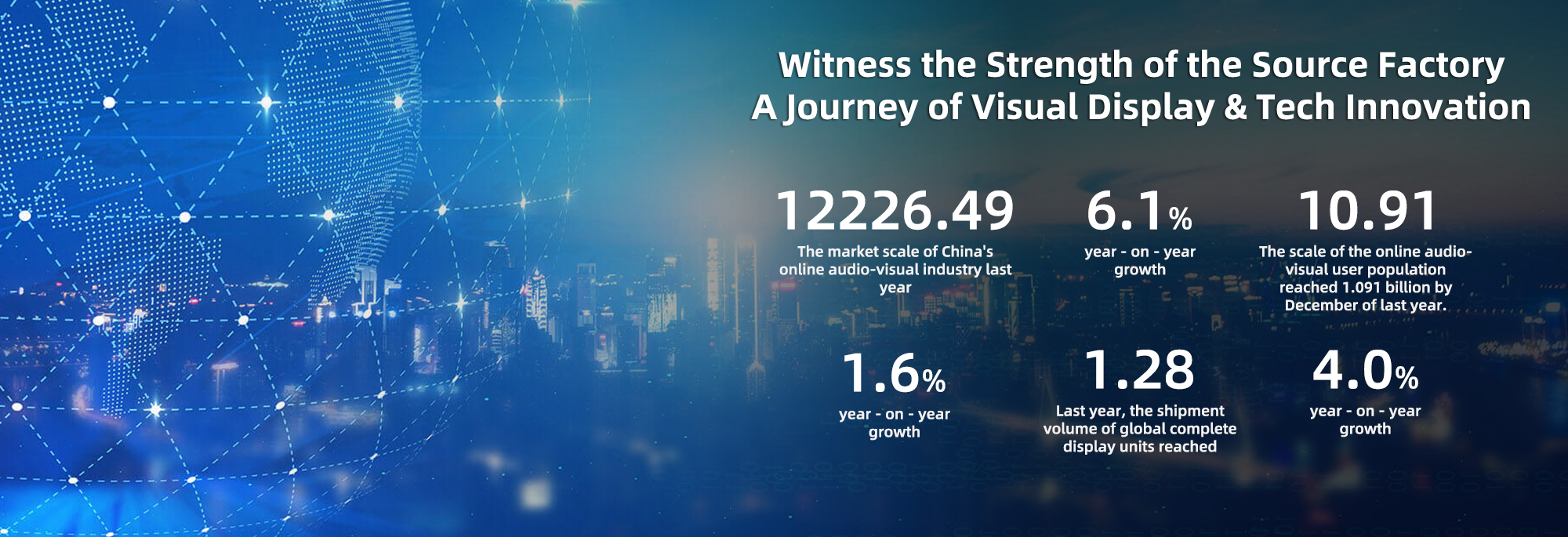
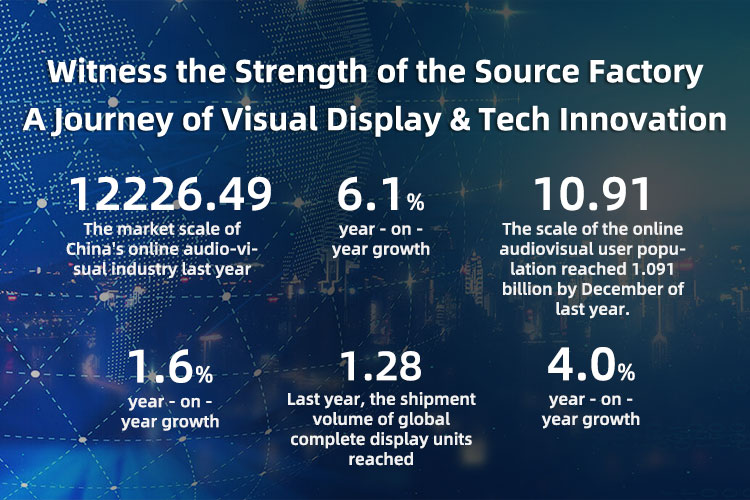
In the broadcast industry, LED displays serve as the core for information release and visual presentation, with lifespan and after-sales support directly affecting production safety and operational costs. As demands for UHD and immersive experiences grow, these displays have evolved into systems encompassing packaging, protection ratings, and smart maintenance. Drawing on Stonbel's real projects in government halls, commercial complexes, and overseas, this article breaks down the reliability of broadcast LED displays in long-term operation, offering quantifiable data for informed selection and maintenance decisions.
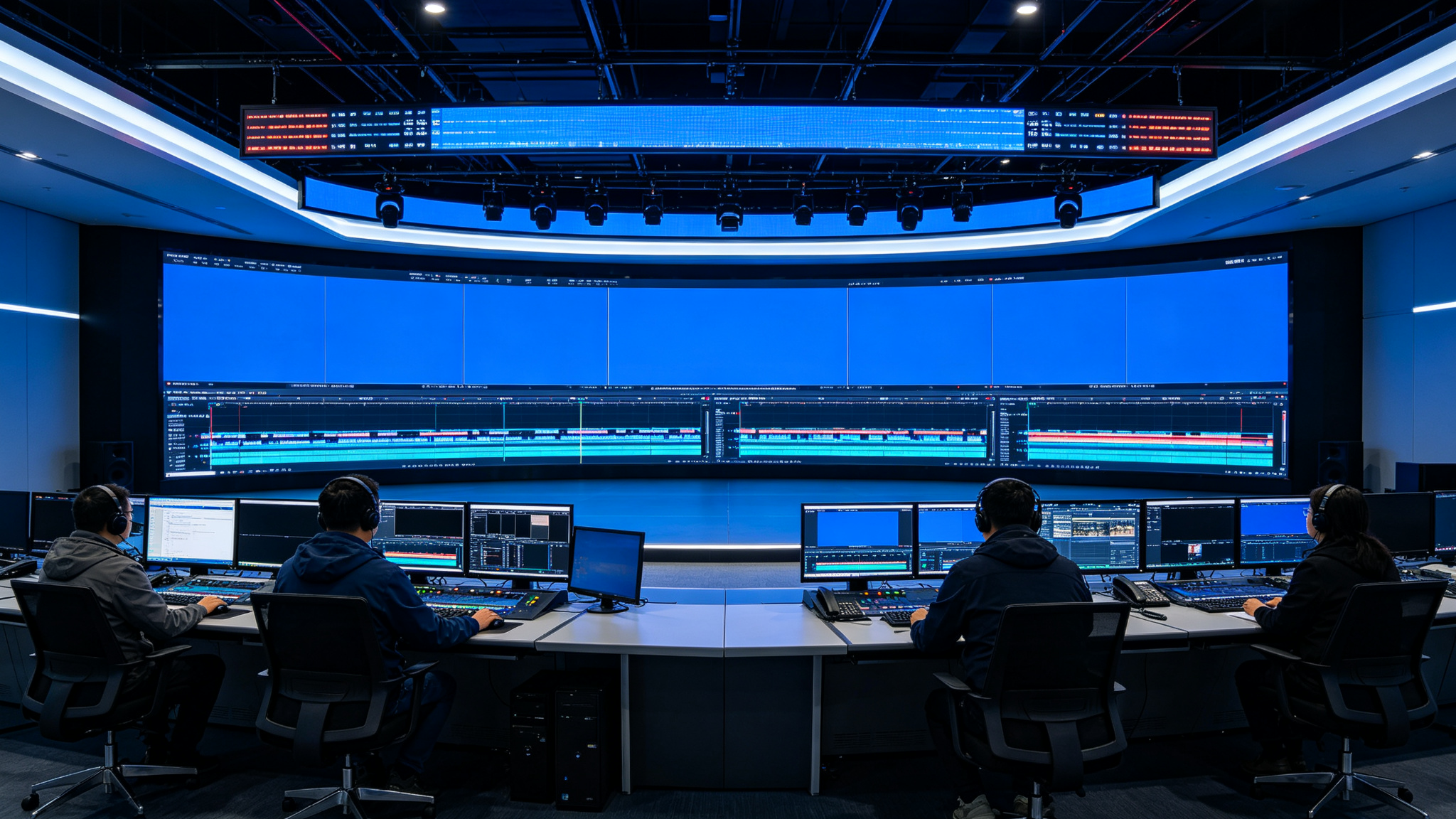
Core View 1: Packaging Technology Defines Lifespan, COB and GOB Each Have Advantages
The lifespan of broadcast LED displays is primarily determined by packaging technology. Traditional SMD packaging is mature and cost-effective, but lamp beads are individually soldered to the PCB, making solder joints vulnerable to erosion in high-humidity, high-dust outdoor environments, leading to localized failures. COB packaging, in contrast, directly bonds chips to the PCB and covers them with adhesive, eliminating lamp bead structures. This enables pixel pitches as fine as P0.7 and achieves IP65 physical protection, effectively isolating moisture and dust and significantly reducing environment-related failure rates. In a government affairs hall project for a ministry, Stonbel deployed a 120m²
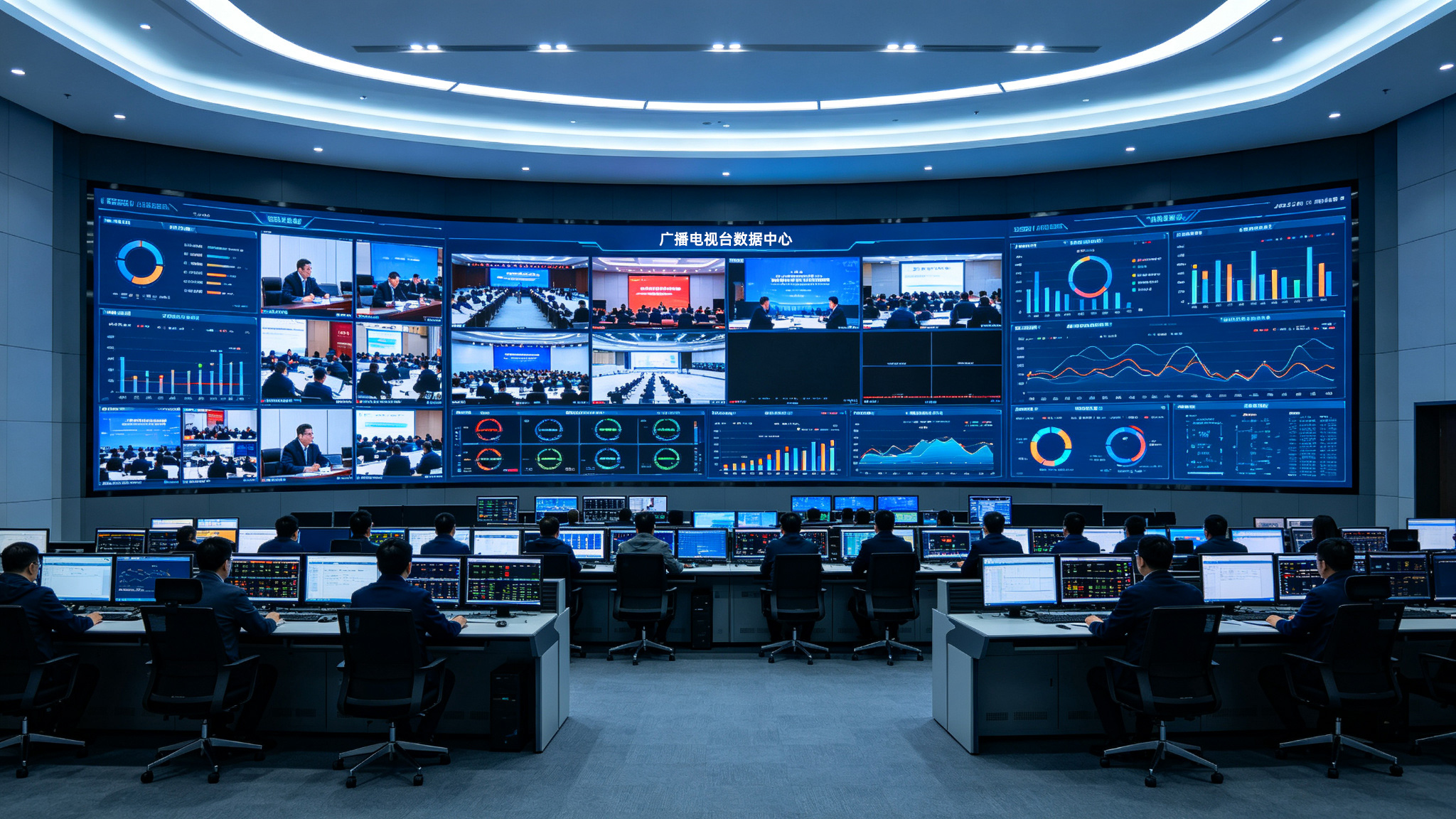
Core View 2: High Refresh Rate and Wide Color Gamut Are Hard Indicators of Broadcast Quality and Long-Term Stability
The refresh rate of broadcast LED displays directly determines whether scan lines appear during filming. Stonbel's broadcast LED display matrix achieves refresh rates up to 7680Hz, 22-bit grayscale, and NTSC≥130% color gamut, ensuring stable images under high-speed cameras with precise color reproduction. High refresh rates are not mere parameter stacking; they require robust data processing from driver ICs and control systems, making thermal design critical under prolonged high-load operation. COB packaging, with chips directly soldered to the PCB, shortens heat dissipation paths, ensuring long-term stability—a necessity for broadcast scenarios running 10+ hours daily. In the ministry government affairs hall project, a 120m² COB screen supporting 4K input and 3840Hz refresh enabled multi-signal access for simultaneous display of surveillance feeds, data charts, and video conferences, reducing
Core View 3: After-Sales Support Depends on Network and Response, 31 Provincial Service Points Provide Coverage
After-sales support for broadcast LED displays hinges on the manufacturer's service network density and response speed. Stonbel maintains permanent service points across 31 provinces and municipalities, ensuring localized support from first-tier cities to remote areas. In a ministry project, the installation team completed setup and commissioning of a 120m² screen within 3 days and trained client IT staff for autonomous daily maintenance. This turnkey service model reduces user dependence on the manufacturer and lowers long-term operational costs. For broadcast users, after-sales extends beyond fault repair to include firmware upgrades, content update support, and spare parts supply. Stonbel's intelligent O&M platform monitors equipment status in real time, enables remote diagnostics, and, combined with front-access design, allows single-module replacement without disassembling the entire screen, significantly shortening recovery time. In an overseas project in Hanoi, Vietnam,
Q1: What is the typical lifespan of a broadcast LED display?
A: The lifespan of a broadcast LED display is influenced by packaging technology, operating environment, and maintenance frequency. COB-packaged products, with chips directly bonded to the PCB and no lamp bead structure, achieve IP65 protection and typically last ≥100,000 hours (approximately 11 years of continuous operation). Stonbel's COB fine-pitch products meet this standard, with P0.7-P1.8 series tested to exceed 100,000 hours in laboratory conditions and supporting 7×24-hour continuous operation. SMD packaging may degrade faster in outdoor high-humidity environments, but intelligent brightness adjustment and regular maintenance can extend effective service life. Specific lifespan depends on the project plan—for example, in Stonbel's ministry government affairs hall project, the
Q2: What does after-sales support for broadcast LED displays include?
A: After-sales support covers installation and commissioning, operator training, remote O&M, and fault response. Stonbel provides permanent service points across 31 provinces and municipalities for localized rapid on-site support. Its intelligent O&M platform enables remote equipment monitoring and diagnostics, and with front-access design, single-module replacement requires no full-screen disassembly. In projects, installation teams complete 120m² screen commissioning within 3 days and train client IT staff for autonomous daily maintenance. Specific services include: 1) Installation: site survey, structural design, screen installation, and system commissioning to ensure display quality and stability; 2) Training: operator training on system use, routine maintenance, and basic troubleshooting to reduce manufacturer dependence; 3) O&M: real-time monitoring of temperature, humidity, brightness, refresh rate, etc., with automatic alerts and remote
Q3: How do refresh rate and grayscale affect image quality on broadcast LED displays?
A: Refresh rate determines whether flicker or scan lines appear during high-speed motion or filming. Broadcast scenarios recommend at least 3840Hz; Stonbel products achieve up to 7680Hz, meeting ultra-HD production needs. At high refresh rates, every frame captured by cameras is fully rendered, avoiding black bands or flicker, especially in sports broadcasts and concerts. Grayscale affects the smoothness of color transitions; 22-bit grayscale renders subtle brightness gradations, preventing banding and ensuring natural details like skin tones and sky gradients. Combined with NTSC≥130% wide color gamut, these ensure broadcast LED displays operate stably at professional monitor-level quality, reducing rework and calibration costs from image issues. In Stonbel's broadcast LED display matrix, P0.7 pitch products support 7680Hz refresh rate and 22-bit grayscale with NTSC≥130% color gamut, meeting 4K/8K
The lifespan and after-sales of broadcast LED displays are not determined by a single parameter but by packaging, protection, smart maintenance, and service networks. From COB packaging with IP65 and P0.7 ultra-fine pitch, to 7680Hz refresh rate and 22-bit grayscale, and to service points in 31 provinces with remote maintenance platforms, every aspect points to longer effective service and lower maintenance costs. Stonbel's cases prove that mature packaging and reliable after-sales minimize failure rates, ensuring production continuity. As COB and GOB technologies mature, lifespan and service standards will be redefined, and buyers should focus on total cost of ownership rather than upfront price. Stonbel, a top-10 LED display company in China, offers a full product matrix and global service network, providing one-stop solutions from display to computing for the broadcast industry.