Court LED display installation is a systematic project where every step—from pre-wiring to panel packaging—affects judicial image and operational efficiency. This case demonstrates that combining P0.7 COB fine-pitch indoor screens with SMD outdoor screens, along with proper separation of strong and weak current cabling, meets both high-definition courtroom display and outdoor information release needs. As court informatization advances, LED displays will increasingly focus on smart interaction and remote maintenance, with Stonbel's customization and nationwide service network ensuring reliable support.
Case Background: Arched Dome and Workflow Integration Challenges
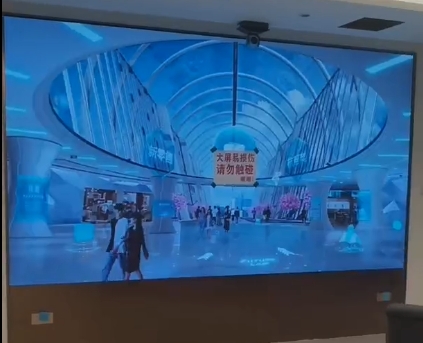
Initial site surveys revealed an arched dome structure that standard flat screens could not conform to, requiring separation of high-voltage and low-voltage cabling to prevent signal interference. Additionally, the court's information system needed integration with its internal trial workflow management system for real-time switching between hearing announcements and live trial feeds. These requirements dictated a custom steel structure and modular splicing approach for the court LED display installation, along with a dedicated low-voltage cable shaft for stable signal transmission. Before construction, the project team completed 3D modeling and structural simulation, analyzing screen deformation under various temperature and humidity conditions. As a key venue for judicial transparency, the display system also had to handle
Execution Details: Zoned Scheduling and Millimeter-Level Precision
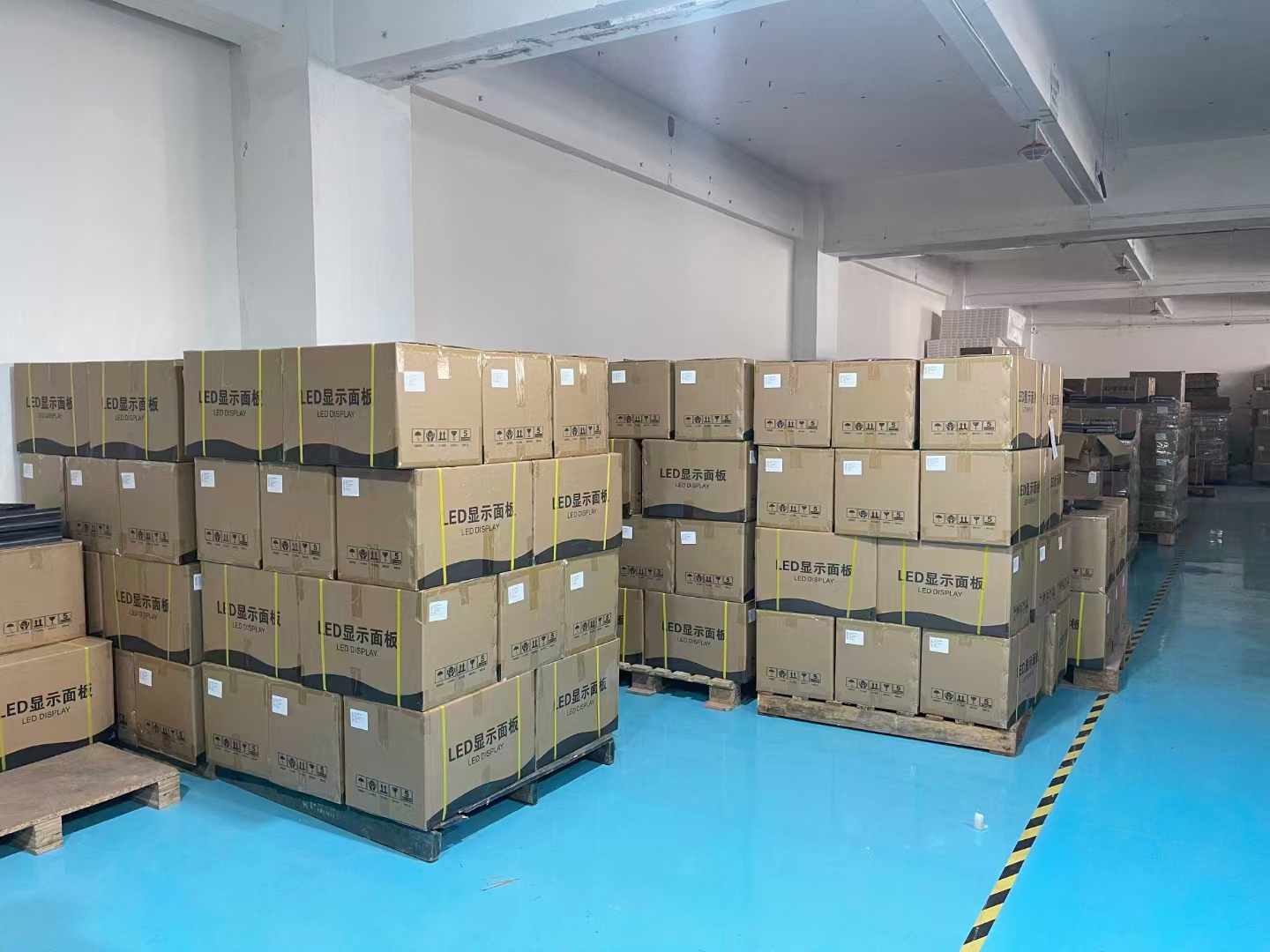
Construction employed a zoned, time-phased strategy, scheduling overhead work during court lunch breaks and nights to avoid disrupting proceedings. Panel splicing precision was held within 0.1 mm to ensure seamless visuals. Leveraging COB packaging's seamless characteristics, the team used laser levels for module-by-module flatness calibration, achieving a final overall flatness error of less than 0.5 mm. All power modules feature redundant, hot-swappable configurations, so a single point of failure does not affect the display—a critical detail proven during a lightning strike that damaged some power units; the screen only showed minor dimming, and repairs were completed within 10 minutes without impacting hearings. Steel framework was pre-assembled based on 3D modeling data with tolerances under 2
Technical Highlights: Smart Interaction and Remote Maintenance
Smart interaction and networking capabilities marked another breakthrough. The court LED display features a multi-signal input system supporting synchronized 4K/1080P switching, with remote content publishing via 5G/WiFi. An O&M platform monitors each module's temperature, voltage, and status in real time, sending instant alerts to management terminals upon anomalies. Human-sensing modules were deployed so that when individuals approach the filing hall screen, it automatically switches to a guidance interface, enhancing the judicial service experience. These technologies leverage Stonbel's customized scenario design, with 3D
Outcomes and Insights: A Replicable Smart Court Display Model
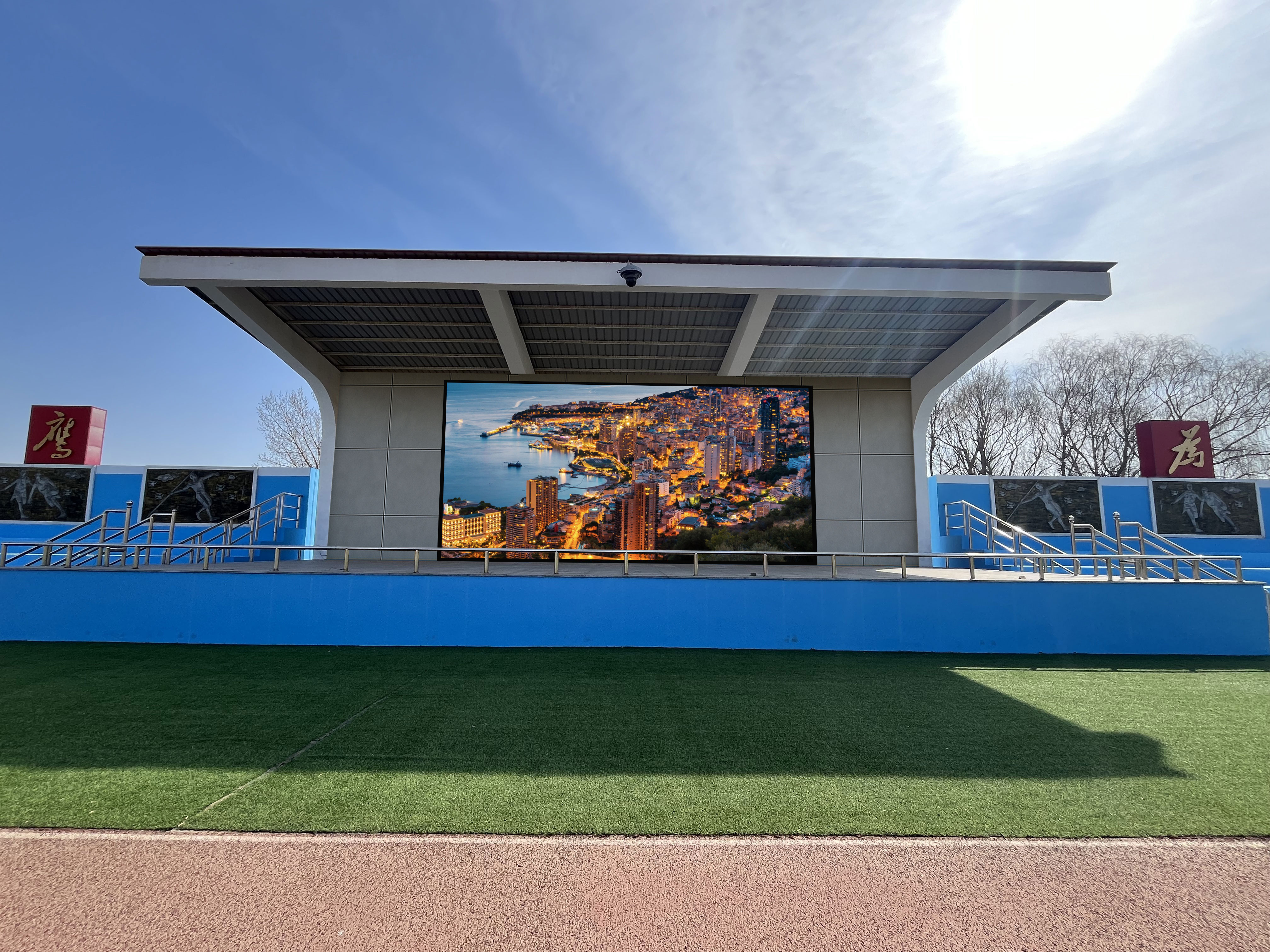
This case provides a replicable model for court LED display installations. First, upfront cabling must reserve redundancy aligned with building structure, with high/low voltage separation as a baseline requirement. Second, a hybrid COB/SMD deployment balances performance and budget—P0.7 pitch for high-end courtrooms and P4 pitch for outdoor long-distance viewing. Third, smart O&M systems are not optional but essential for judicial continuity. For other court projects, we recommend specifying core parameters like brightness, refresh rate, and protection rating during bidding, and
Q1: What is most critical for cabling during court LED display installation?
A: Strict separation of high-voltage and low-voltage lines is essential. High-voltage lines require independent trays, while low-voltage signal cables should be routed in conduits with 20% spare capacity. All connections must be waterproof and anti-oxidation treated, with grounding resistance below 1 ohm to meet court electrical safety standards. HDMI cables are recommended for signal lines to prevent long-distance attenuation and ensure lossless 7680Hz refresh rate transmission. Key operational points include: dedicated low-voltage shafts to avoid electromagnetic interference; permanent labeling of all cables for easy
Q2: What advantages does P0.7 pitch offer for court LED displays?
A: P0.7 pitch uses COB packaging, where chips are directly bonded to the PCB without individual lamp beads, achieving ultra-high pixel density for a grain-free, ultra-HD image. Combined with 22-bit grayscale and 7680Hz refresh rate, it renders fine courtroom details essential for live broadcasts and evidence display. Specifically, P0.7 delivers approximately 2 million pixels per square meter—over three times that of P1.2—ensuring sharp text and image edges even at 1 meter viewing distance, which is critical for contract scans and surveillance video stills. COB packaging also offers high protection, resisting dust and moisture in complex court environments. With no exposed pins or solder joints, COB modules provide superior moisture
Q3: What does IP65 protection rating mean for court LED displays?
A: IP65 means the display is fully dust-tight (level 6) and protected against low-pressure water jets (level 5), suitable for outdoor or semi-outdoor court environments like exterior information screens, ensuring stable operation during heavy rain or dust storms. This rating relies on rigorous sealing: silicone gaskets on module edges, waterproof connectors, and waterproof breathable valves on cabinet backs to balance internal and external pressure. For indoor courtrooms using SMD packaging, IP54 or higher is recommended, supplemented by air conditioning dehumidification to extend lifespan. Note that IP65 does not permit prolonged submersion, so proper tilt angles or drainage channels should be incorporated to prevent water accumulation. High
In summary, court LED display installation is a comprehensive system integrating building structure, electrical engineering, display technology, and smart maintenance. From custom steel structures for curved domes to standardized strong/weak current separation, from P0.7 COB ultra-high-definition presentation to SMD outdoor screens with high brightness and wind resistance, every detail requires precise design and professional execution. Stonbel leverages core parameters including P0.7, 7680Hz, 22bit, and NTSC≥130%, along with flexible selection of COB, SMD, and GOB packaging, to deliver cost-effective display solutions for courts. Furthermore, through 3D modeling simulation, remote maintenance platforms, and a service network covering 31 provinces, long-term reliability is ensured. As court informatization deepens, LED displays will integrate more with trial process systems, AI-assisted decision-making, and public interactive services. Stonbel remains committed to innovation and real-case expertise, providing professional, efficient, and secure visual information platforms to support transparent justice and smart court development.