The installation of LED relief texture screens is a comprehensive task integrating structural, electrical, and decorative engineering. From the zero-contamination installation in a clean area at Wuhan Optics Valley Biopark to the curved screen fitting the building facade at Shenzhen Bay Complex, and the remote centralized management at Postal Savings Bank of China Jiangxi Branch, real cases confirm that scientific pre-wiring planning and full-process supplier service are key to project success. Engaging a supplier with full-process capabilities during design review is more efficient and economical than post-decoration installation. Stonbel, with service networks in 31 provinces and certifications including 3C, CE, FCC, and ISO9001, provides reliable technical support, but site-specific surveys and technical briefings are essential for optimal results.

Event Overview: Construction Pain Points from Two Typical Projects
Installing LED relief texture screens in exhibition halls is essentially a cross-disciplinary systems engineering effort involving building structures, electrical wiring, signal transmission, and decorative finishing. The Wuhan Optics Valley Biotech City Enterprise Service Center project serves as a typical example. This center provides integrated spaces for meetings, training, and product launches for hundreds of biotech firms, but faced issues like scattered equipment, scheduling conflicts, and strict GMP cleanroom installation requirements. Stonbel deployed a combination of smart conference all-in-one machines and smart education boards, using low-dust, easy-to-clean installation methods suitable for
Summary of Reports: Common Construction and Wiring Experience
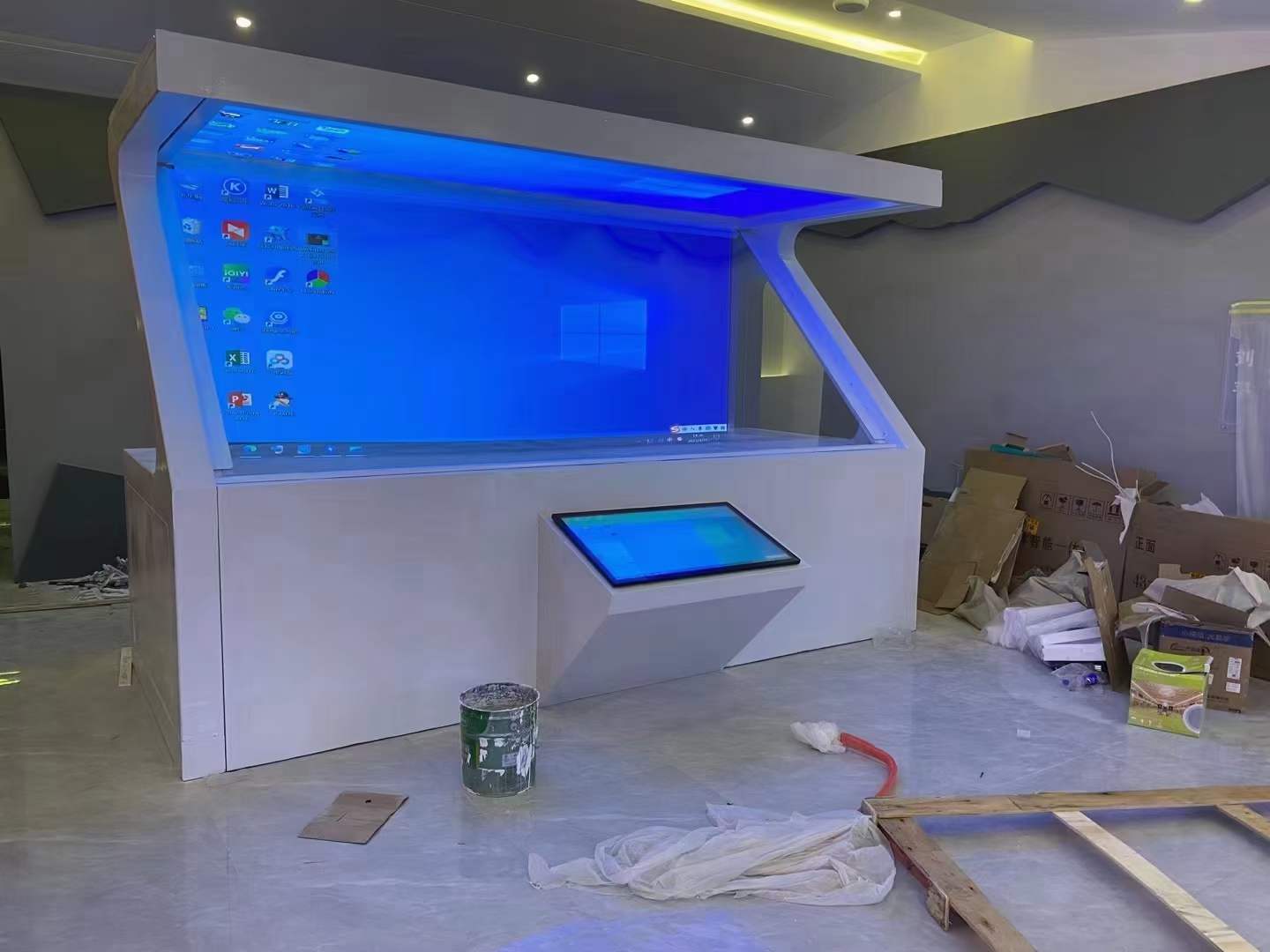
Multiple industry reports on exhibition display projects show highly consistent construction and wiring practices. First, regarding cable pre-embedding, all reports stress using galvanized steel or flame-retardant PVC conduits with at least 30% spare capacity for future cable pulling and maintenance. Signal cables must be shielded Cat6 or better, kept at least 30cm away from power cables to prevent electromagnetic interference causing flickering or image issues. Power cable gauge should be calculated based on actual screen power consumption. For Stonbel LED texture screens with P5 pitch, peak power is about 800W per square meter, requiring an independent power circuit
Consensus and Divergence: Technical Parameters vs. Construction Approaches
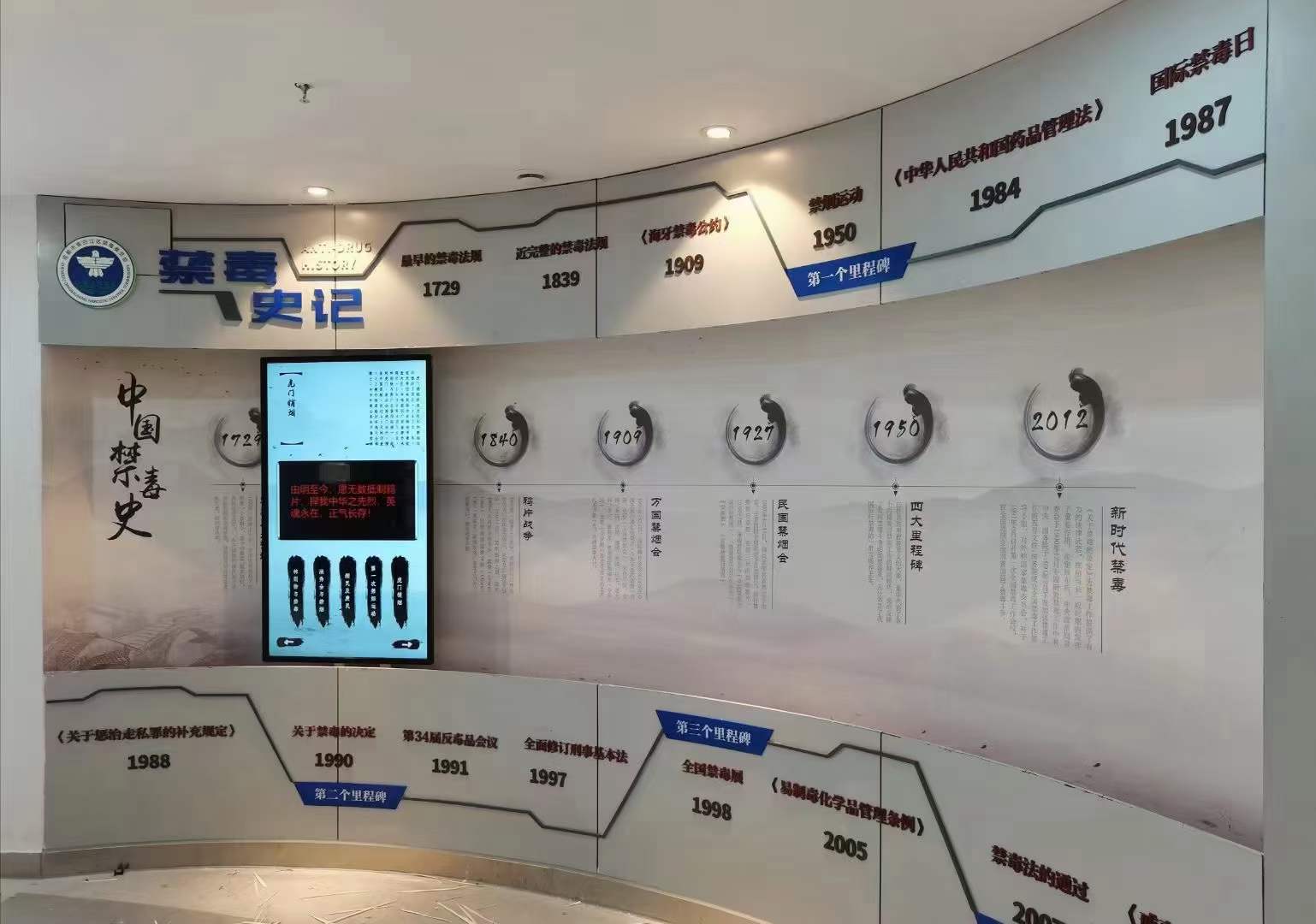
Reports show both broad consensus and reasonable divergence on exhibition LED texture screen installation. Consensus: All media agree that upfront wiring design is the most irreversible part of the project—once finishing panels are sealed, cable modifications become extremely costly. Detailed cable routing planning, including weak current shaft locations, tray paths, and maintenance access points, must be completed at the project's start. All reports also emphasize heat dissipation design. Although LED texture screens consume far less power than outdoor displays, back panel temperatures can exceed 50°C during prolonged operation, so at least 20cm of clearance behind the screen and auxiliary
Interpretation: 70% Planning, 30% On-site Craftsmanship
Synthesizing reports and case studies, successful exhibition LED texture screen installation can be summarized as '70% upfront planning, 30% on-site craftsmanship.' Upfront planning focuses on three dimensions: First, structural suitability assessment—structural engineers must verify wall load-bearing capacity, especially for lightweight partitions or curved walls, designing independent steel supports to prevent deformation. Second, cable routing design—comprehensive separation and protection of power, low-voltage, signal, and control cables with sufficient maintenance allowance. Third, environmental adaptability analysis—evaluating temperature, humidity, cleanliness, and lighting to determine protection rating and cooling solutions. Stonbel's LED texture screens have IP54
Q1: What is most important for upfront wiring when installing exhibition LED relief texture screens?
A: The most critical aspect is the pre-embedding plan for signal, power, and control cables, as it directly affects display stability and maintenance convenience. Based on the Wuhan Optics Valley project experience, all cables should run through pre-embedded galvanized steel or flame-retardant PVC conduits, with at least 30% spare capacity for future pulling or replacement. Signal cables must be shielded Cat6 or better, kept at least 30cm from power cables to prevent electromagnetic interference. Power cable gauge should be calculated based on actual power
Q2: What are the installation environment requirements for exhibition LED relief texture screens regarding protection rating?
A: Stonbel's LED texture screens have an IP54 protection rating, meaning they resist dust ingress (limited, without affecting operation) and splashing water from any direction, making them suitable for normal dry exhibition environments. In standard exhibition halls, screens can be installed directly without additional protection. However, in cleanrooms (e.g., GMP facilities, biomedical labs), low-dust installation processes are required to prevent particle generation during cutting and fixing, and sealed dustproof back panels are necessary to meet cleanroom acceptance standards—as demonstrated by the Wuhan Optics Valley project's zero-pollution installation. For humid environments
Q3: How does the P5 pixel pitch of exhibition LED relief texture screens perform in actual use?
A: P5 pitch means 5mm between pixel centers, providing 40,000 pixels per square meter, suitable for viewing distances above 3 meters. In exhibition halls where screens are mounted high or viewed from afar, P5 delivers clear images at significantly lower cost—approximately 40% less per square meter than P1.5 products, offering substantial budget savings for large projects. Stonbel's P5 LED texture screens, with IP54 protection, provide satisfactory detail and color at 3-5 meter viewing distances. For viewing distances under 2 meters, smaller pitches (e.g., P1.2-P1.8 COB fine-pitch displays) are recommended for finer image quality. Final selection should be based on on-site
The installation of exhibition hall LED relief texture screens is a comprehensive task integrating structural, electrical, and decorative engineering. Real cases from Wuhan Optics Valley Biopark to Shenzhen Bay Complex and Postal Savings Bank of China Jiangxi Branch repeatedly validate that scientific pre-wiring planning and full-process supplier service are decisive for project success. Involving a supplier with full-process capabilities during design review is more efficient and economical than post-decoration installation. Stonbel, with service points in 31 provinces, top-10 manufacturing strength in China's LED display industry, and certifications including 3C, CE, FCC, ISO14001, ISO9001, and ROHS, provides reliable technical support. However, each project's construction plan must be tailored to site conditions, recommending detailed on-site surveys and technical briefings in the early stages to balance visual impact and operational efficiency.