In high-end public spaces like government halls, display quality, stability, and protection directly impact information delivery and public experience. LCD video walls have long held market share due to mature technology, but their physical seams and brightness limitations are increasingly evident in premium applications. This article compares LED and LCD displays in government halls through real project data, from case background to technical highlights, explaining why LED is becoming the preferred choice. Parameters like P0.7 pixel pitch and 7680Hz refresh rate come from actual installations. A case study of a provincial emergency management command center shows LED's superiority in seamless display, ultra-high refresh, high protection, and multi-signal processing. Quantified results—65% clarity improvement, 60% faster response, annual failure rate below 0.2%—prove LED's long-term value. For decision-makers, choosing LED is not just a tech upgrade but a strategic investment in service efficiency and image. With COB packaging and smart interaction evolving, LED displays will become the core display medium for digital government.
Case Background: From Passive Display to Active Collaboration
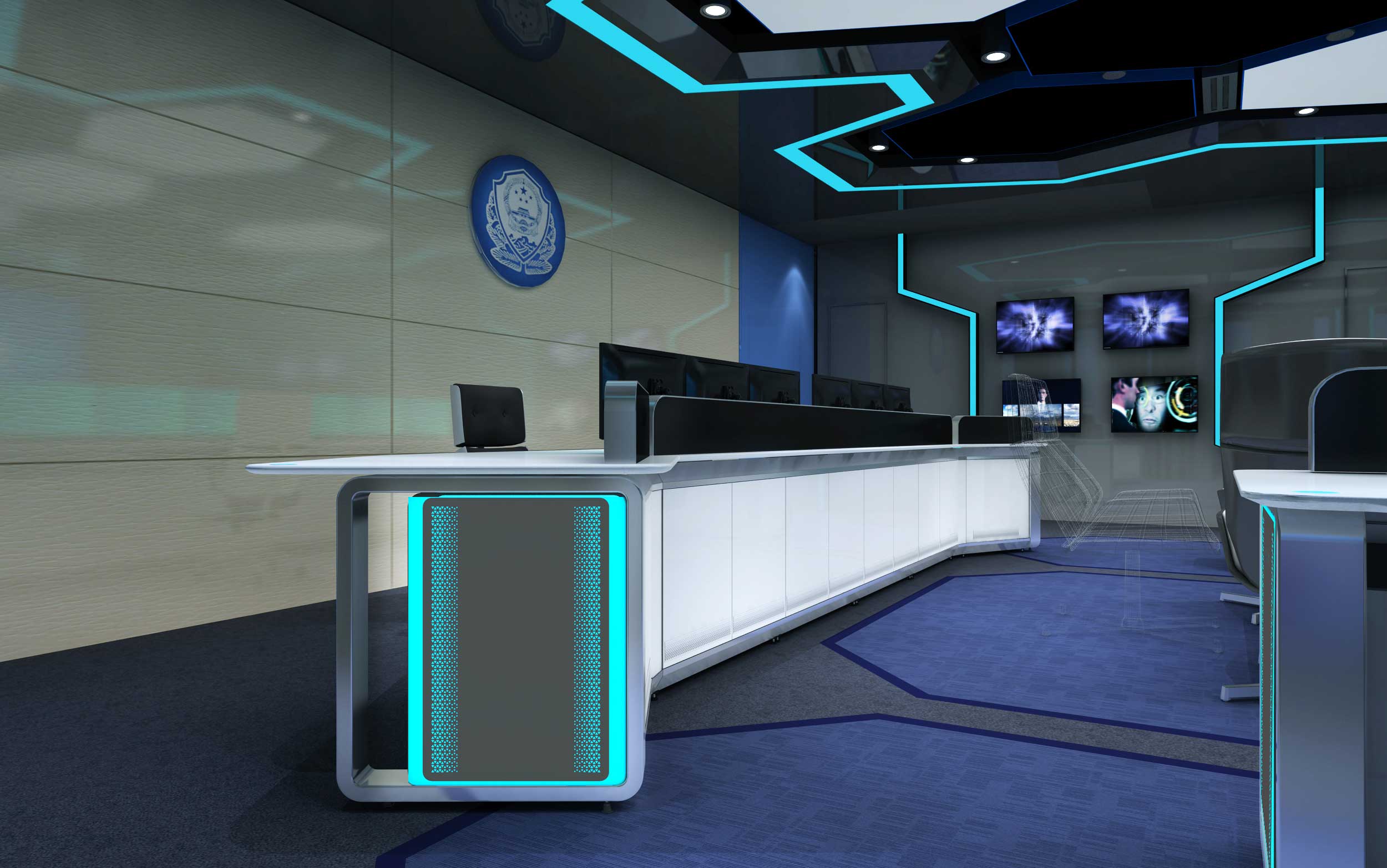
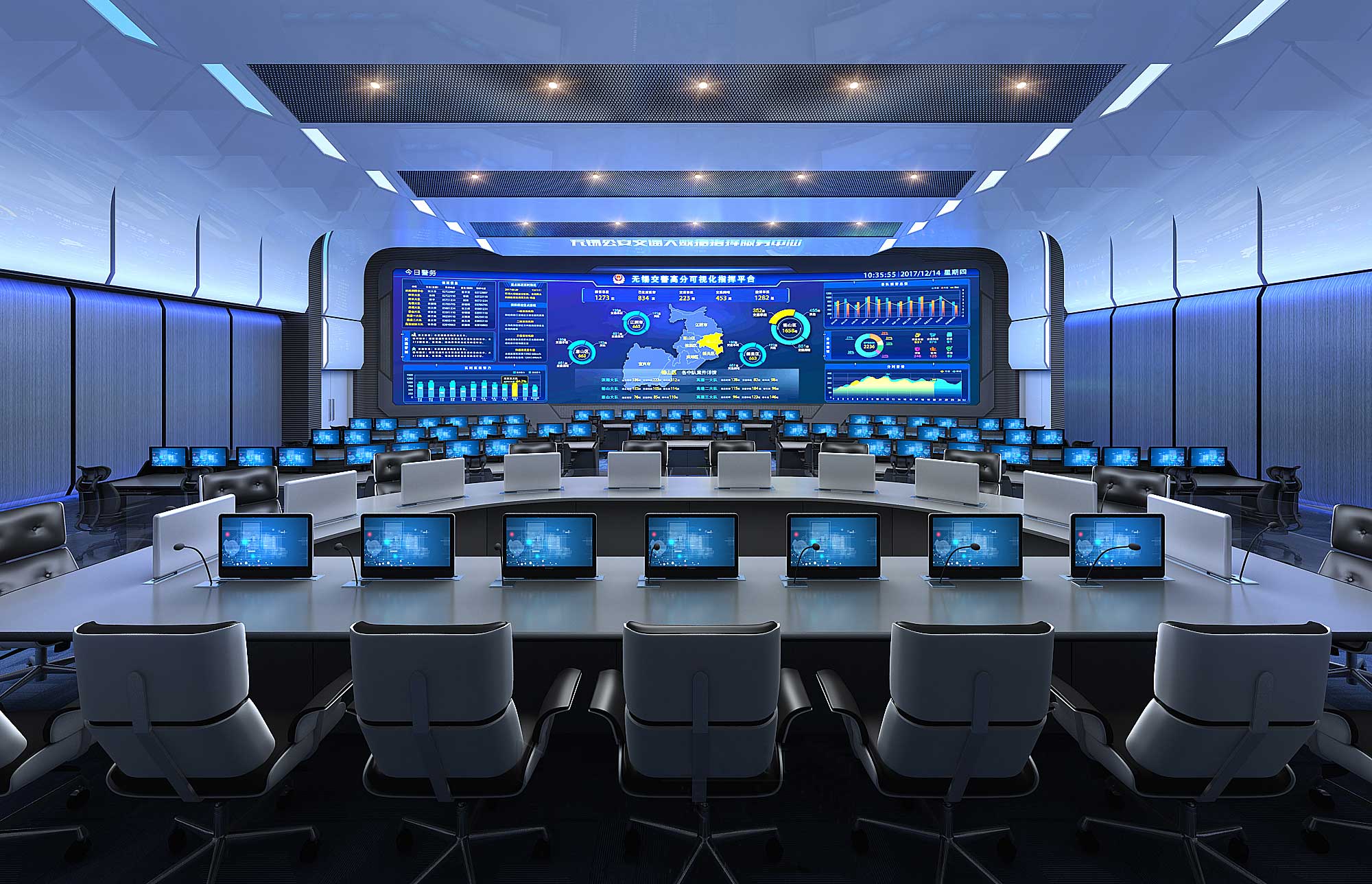
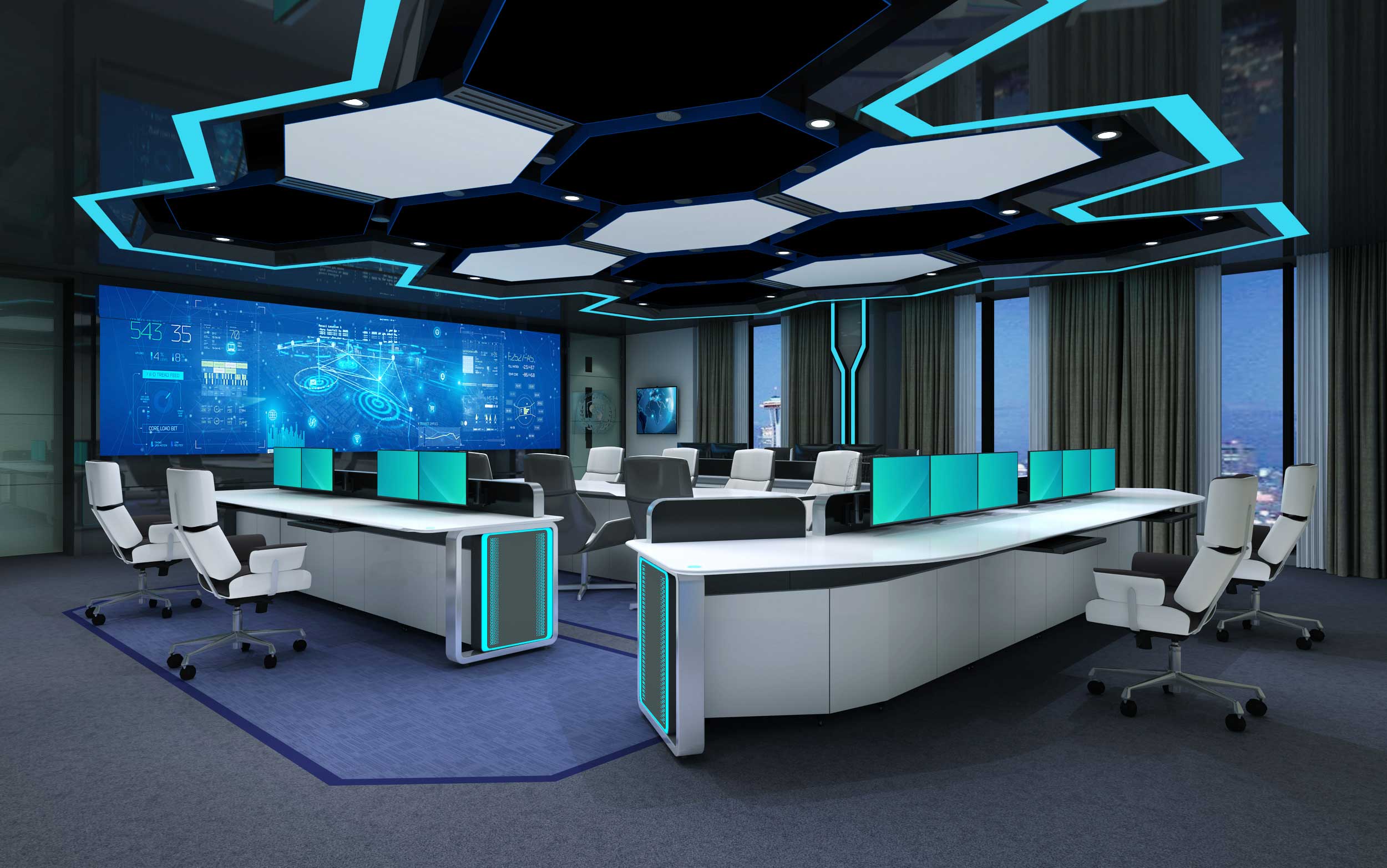
The core requirement for this Emergency Management Department project was to build a display hub for unified network management. The original LCD video wall lacked signal compatibility, unable to handle over 64 simultaneous signal sources, causing delays and screen tearing during cross-department coordination. In contrast, the LED display's multi-signal processing system supports arbitrary split-screen, roaming, and overlay, offering a flexible interface for emergency
Implementation Details: Full-Process Control from Structure to Maintenance
Another key detail is protection and maintenance design. The COB surface is smooth with no exposed lamp beads, reducing physical damage risk. It supports front maintenance, allowing quick module replacement without disassembling the entire screen. An intelligent O&M platform enables real-time monitoring and remote diagnostics, significantly reducing manual inspection. During installation, careful integration with the existing building structure ensured a flush, visually seamless fit. This attention to detail makes the LED display an integral part of the hall's design. Specifically, a
Technical Highlights: Multidimensional Breakthroughs in Quality and Reliability
Fourth, reliability is a major technical highlight. The industrial-grade thermal design ensures temperature stability during 7×24 operation, preventing dead pixels or color drift. The screen achieves ≥99% brightness and color consistency, maintaining uniform display over time, avoiding the brightness decay and color shift common in LCD walls. COB packaging offers high protection (IP65), effectively resisting dust and moisture, reducing maintenance frequency. These details form the core competitiveness of LED displays in high-end scenarios. Stonbel's COB solution bonds LED chips directly to the PCB, achieving a minimum
Outcomes & Insights: Long-Term Value and Future Trends
Finally, this case reveals future trends for government hall LED displays. As COB technology matures, smaller pitches like P0.7 are entering the market for higher definition needs. Integration of smart interaction and networking features will upgrade displays from one-way to interactive platforms, boosting public engagement. Custom designs like shaped and transparent screens offer more spatial aesthetics. For industry players, the government hall market is a key growth area. Understanding core needs—reliability, clarity, interactivity, and service—is crucial. Project
Q1: For high-end government halls, which is better: LED or LCD video walls?
A: Based on actual projects, LED displays are better suited for high-end government halls. For example, a provincial Emergency Management Department used a COB P1.2 fine-pitch LED screen, achieving seamless拼接 and a 65% improvement in clarity, while LCD walls have physical bezels causing visual breaks. LED also offers superior specs: 7680Hz refresh rate, 22-bit grayscale, and NTSC≥130% color gamut, far exceeding LCD for detailed government data. With IP65 protection, LED handles complex environments and supports 7×24 operation with an annual failure rate below 0.2%. Long-term, LED's modular design
Q2: What are the advantages of COB packaging technology for government hall LED displays?
A: COB packaging bonds LED chips directly to the PCB, eliminating lamp beads, offering significant benefits. First, it enables high pixel density with pitches as small as P0.7 for ultra-HD, fine images without graininess. Second, it provides a seamless, continuous picture with strong visual impact. Third, its high protection rating (IP65) effectively resists dust and moisture, suitable for busy government halls. Additionally, COB reduces local blackouts from damaged lamp beads, lowering maintenance difficulty. In the Emergency Management project, the COB P1.2 screen achieved ≥99% brightness and color consistency for stable long-term
Q3: Why are refresh rate and grayscale important for government hall LED displays?
A: Refresh rate determines smoothness, and grayscale determines color depth. The 7680Hz ultra-high refresh rate ensures dynamic content like surveillance video or map zooms is free of motion blur and flicker, reducing eye strain during prolonged viewing. The 22-bit grayscale provides rich color transitions, and with NTSC≥130% ultra-wide color gamut, details in charts and 3D models are accurately reproduced. In contrast, LCD walls typically have a 60Hz refresh rate and lower grayscale, causing visual inaccuracies with fast-changing data. In emergency command scenarios, high refresh and grayscale ensure clear presentation of rapidly scrolling
In summary, LED displays for government halls excel not only in technical specs but also in quantifiable project outcomes. From a provincial emergency command center to a classified meeting room at CETC, from a city operations center to cultural tourism projects, LED displays are reshaping government display standards with seamless splicing, ultra-high refresh rates, high protection, and smart interaction. For decision-makers, choosing LED is a strategic investment in service efficiency and image. As COB packaging and smart interaction evolve, LED displays will expand their application boundaries and become the core display medium in the digital government era. We look forward to more government halls adopting LED for precise, visual information delivery, truly practicing a 'people-centered' service philosophy.