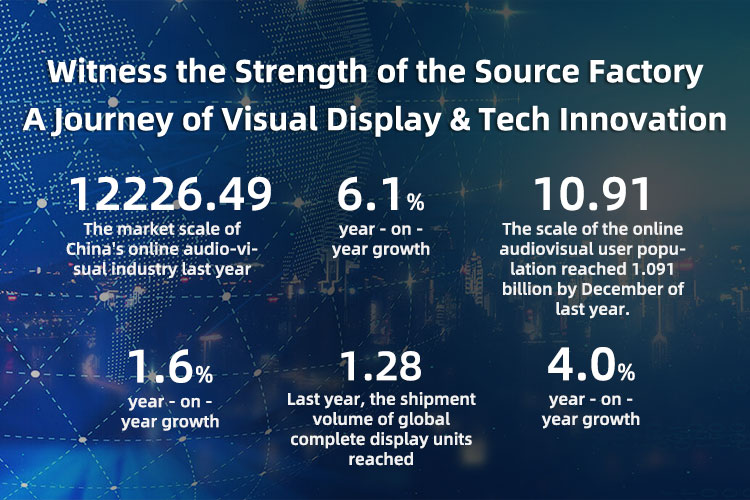
In government services, the hall serves as a core public interface where display clarity, stability, and security directly impact service image and efficiency. LED screens with seamless splicing, high refresh rates, and strong protection have become essential. However, with pitch options from P0.7 to P10 and packaging technologies like SMD, COB, and GOB, buyers often struggle with pricing. This article reviews a ministry-level government hall LED display project, analyzing the full process from needs assessment to delivery, explaining key quotation factors, and presenting real results. Additional cases from Wuhan Optics Valley BioCity Service Center and PSBC Jiangxi Branch provide broader perspective on display selection logic and long-term value.
Case Background: Balancing Budget and Performance
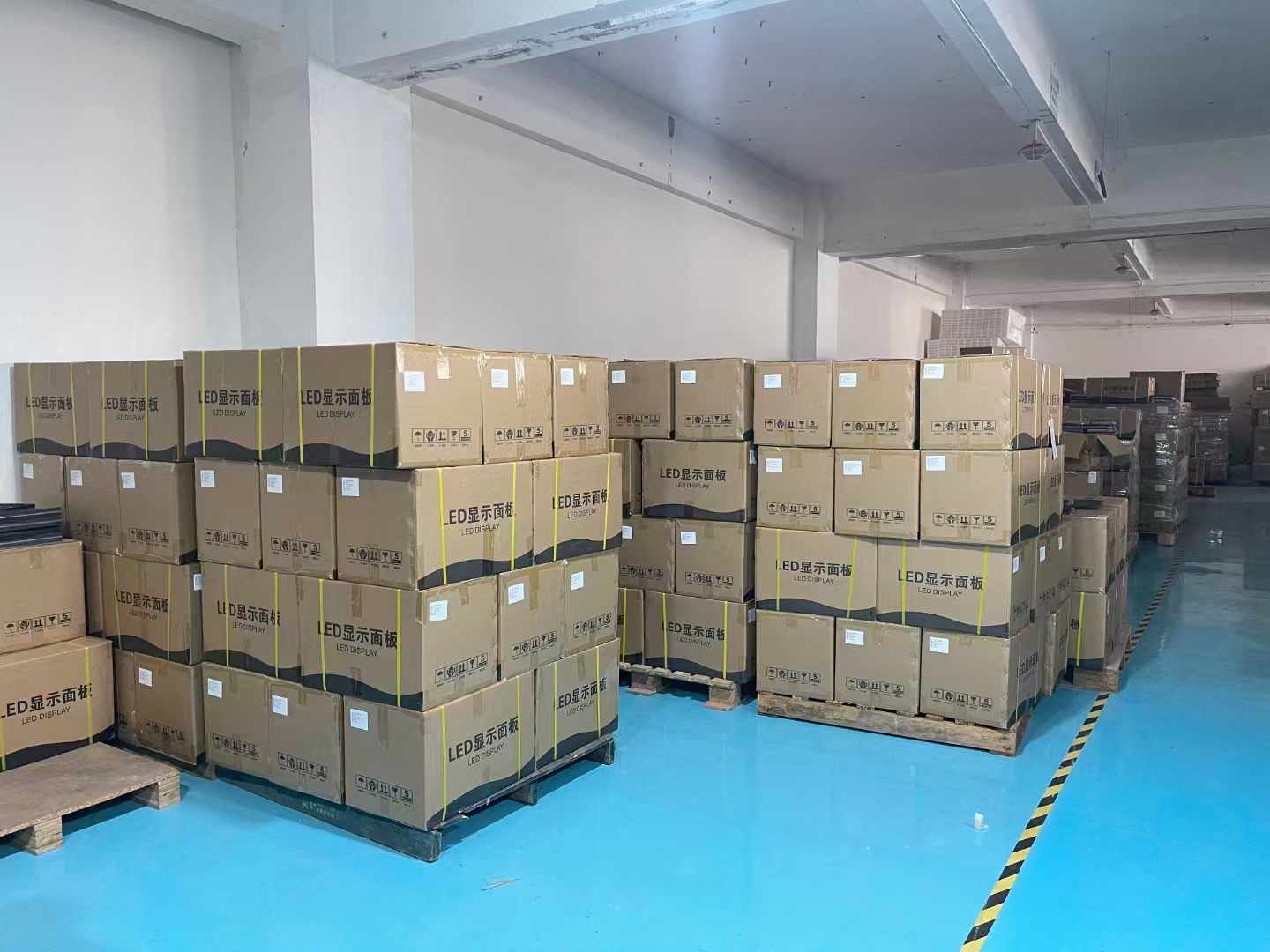
At project initiation, the procurement team's primary challenge was balancing budget and performance. Market quotes for government hall LED displays ranged from several thousand to tens of thousands of RMB per square meter, with differences driven mainly by pixel pitch, packaging technology, and functional configuration.
Execution Details: From Custom Production to Fast Delivery
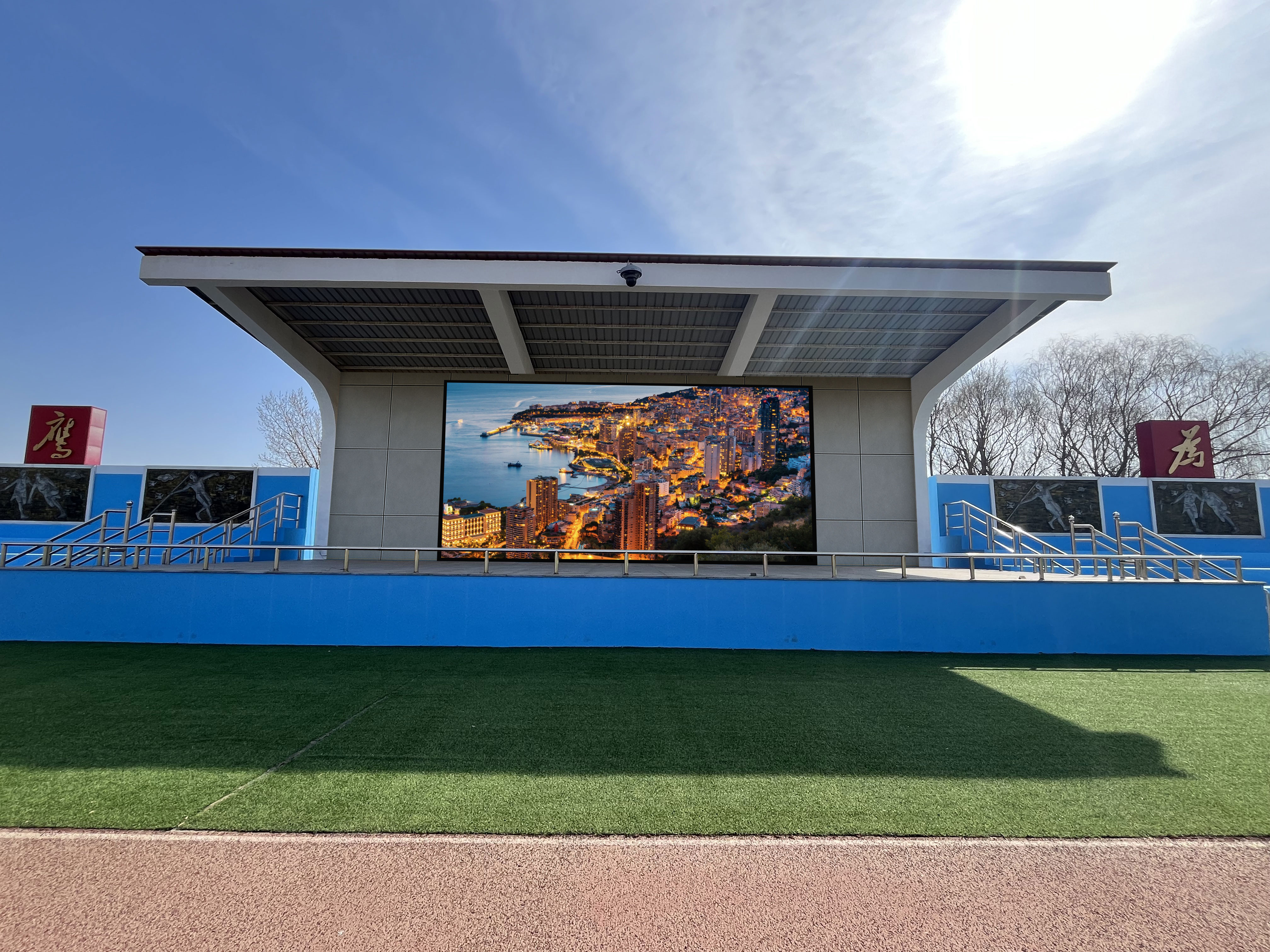
Next came product customization and manufacturing. Due to non-standard columns and fire exits on the installation wall, Stonbel custom-designed non-standard module structures to ensure perfect fit. COB packaging bonds chips directly to the PCB board with no individual lamp beads, eliminating physical seams entirely while enhancing dust and
Technical Highlights: COB Packaging Meets Smart O&M
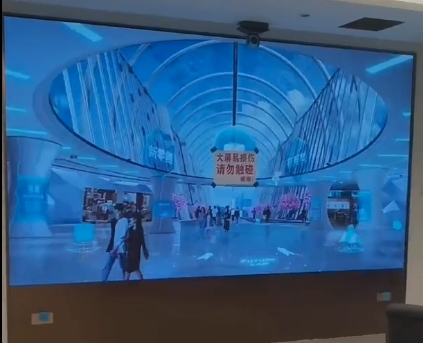
Another technical highlight is multi-signal input and synchronized control. The government hall LED display supports 4K/1080P HD input, simultaneously accepting surveillance video, business system data charts, and remote video conference
Results and Insights: Data-Driven Decisions
This case offers three industry insights. First, government procurement should not look at unit price alone but comprehensively evaluate pixel pitch, packaging technology, protection level, and after-sales service. COB packaging has a higher unit price but
Q1: How much does a government hall LED display cost per square meter? What are the main price factors?
A: Government hall LED display quotes vary widely by configuration, typically ranging from several thousand to tens of thousands of RMB per square meter. Core factors include: pixel pitch (P0.7 to P10 with increasing cost; P0.7 ultra-fine pitch is most expensive), packaging technology (COB costs more than SMD and GOB due to complex processes, but offers better protection and image quality), refresh rate and grayscale (7680Hz refresh, 22-bit grayscale high-end models cost more), and protection rating (IP65 for outdoor or complex environments adds cost). Custom designs (e.g., shaped screens, non-standard modules) and smart interactive features also affect pricing. We recommend selecting specifications based on actual viewing distance and functional needs to avoid over-configuration. For example, if viewing distance exceeds 3 meters, P2.5 or P3 SMD products suffice at a reasonable unit price; for close viewing with seamless effect, COB products below P1.5 are needed. Stonbel offers a full range from P0.7 to P10, allowing flexible budget choices while ensuring display quality.
Q2: What is the difference between COB and SMD packaging for government hall LED displays?
A: COB packaging bonds light-emitting chips directly to the PCB board with overall adhesive encapsulation—no individual lamp beads—enabling high pixel density with minimum pitch of P0.7, seamless ultra-HD display, and high protection (IP65), ideal for government halls requiring superior image quality and stability. COB's seamless nature delivers continuous, immersive visuals, perfect for promotional videos and data visualization walls. SMD packaging solders individual lamp beads onto the PCB—a mature, lower-cost process supporting P1.25-P10 with wide brightness adjustment, outdoor versions up to 8000cd/m². However, SMD has physical seams and weaker protection. For unified display and low maintenance, COB is preferable; for limited budgets with longer viewing distances, SMD offers better value. GOB packaging, as an intermediate option, applies transparent resin over SMD lamp beads to achieve COB-like protection at lower cost, suitable for crowded or dusty environments. Buyers should choose rationally among the three based on hall conditions and display needs.
Q3: Is the protection rating important for government hall LED displays? What does IP65 mean?
A: Very important. Government halls have high foot traffic and may face cleaning water, dust, and other environmental factors; the protection rating directly determines equipment lifespan and display stability. IP65 is one of the highest dust and water protection levels—'6' means fully dust-tight, '5' means protected against water jets. Stonbel's COB products achieve IP65, effectively resisting dust and moisture for long-term stable operation in complex environments. For outdoor or semi-open government areas, high protection reduces environment-related failures and maintenance costs. The IP65 rating is a key reference in government hall LED display selection. Notably, GOB packaging can also achieve IP65+ at lower cost than COB, suitable for budget-constrained but protection-demanding scenarios. Stonbel's GOB products feature lightweight design for easy installation and maintenance, proven in hospital corridors and industrial workshops.
Q4: How do refresh rate and grayscale affect display quality on government hall LED displays?
A: Refresh rate determines visible flicker; grayscale affects color transition smoothness. If refresh rate is below 1920Hz, high-definition cameras may capture water ripples or scan lines, affecting news broadcasts or meeting recordings. Stonbel's high-end models support 7680Hz refresh rate, maintaining stable, flicker-free images even under high-frame-rate cameras—ideal for government press conferences and video meetings. For grayscale, 22-bit delivers 4096-level color transitions for smoother gradients without banding, particularly important for maps, data charts, and other gradient-heavy government information. Stonbel's LED displays achieve NTSC≥130% color gamut, exceeding industry standards for vivid, accurate color reproduction. For government halls, these parameters affect not only visual experience but also information accuracy—for example, when displaying epidemic prevention maps or administrative approval flowcharts, high grayscale and color gamut ensure every detail is clearly discernible, preventing misreading due to display defects.
Procurement decisions for government hall LED displays balance performance, cost, and long-term value. The ministry case shows COB packaging, despite higher unit price, delivers significant overall benefits through seamless display, high protection, and low maintenance. Quotation factors include pitch, packaging, refresh rate, grayscale, and customization. Buyers should choose based on viewing distance, environment, and functional needs rather than lowest price. Stonbel provides military-grade quality and full-process service, with deployments across 31 provinces and permanent service points ensuring rapid response and ongoing maintenance. As COB matures and costs decline, and with innovations like textured LED screens, government hall displays will become smarter and more durable, serving as key assets for digital government construction.