Stage displays demand fine detail at close range, no moiré on camera, and 7×24 continuous operation. COB small-pitch LED displays, with chip-level packaging, offer high protection, low power consumption, and long life for broadcast studios, XR virtual production, and large event ceremonies. With pitch options from P0.7 to P1.8, varying thermal designs, and maintenance configurations, how should integrators and contractors screen options? This article uses a selection decision tree across viewing distance, scenario type, budget, and maintenance capability, with real project parameters and cases, to assess energy-saving thermal performance and long-term reliability.
Requirement Dimensions
The first step in selection is not looking at model numbers, but breaking the real needs of a stage project into quantifiable dimensions. Selection of stage COB fine-pitch displays usually revolves around four dimensions: viewing distance, scene type, budget range and O&M capability. Viewing distance determines the lower limit of pixel pitch. For example, the CITIC Securities headquarters research and consultation center uses a P0.9 model, which shows no graininess at a close viewing distance of 0.8 meters and reduces visual fatigue by 63%, indicating that close-viewing stage or consultation scenes have far higher pixel pitch requirements than distant audience seating. Scene type determines protection and heat dissipation
Layered Screening
The first layer of screening is divided by viewing distance. In stage scenes, the closest viewing distance for main background screens and side screens is often between 1 and 3 meters, and hosts or performers may even stand close to the screen body. At this point, the pixel pitch of stage COB fine-pitch displays should preferably fall in the P0.9 to P1.2 range to ensure no graininess at close distance; if the stage is for large concerts or mainly distant viewing, P1.5 to P1.8 can meet requirements while achieving better cost control. The second layer of screening is divided by scene type: broadcast studios and XR virtual production have higher requirements for refresh rate and color reproduction, requiring models with
Recommended Models
Based on the above screening path, stage COB fine-pitch displays can be matched to three main recommendation directions. The first direction is P0.9 HD COB fine-pitch displays, suitable for close-viewing stage main background screens, broadcast studios and XR virtual production bases. The Guangdong Provincial Emergency Management Department project in reference materials uses a 95㎡ P0.9 model, achieving seamless integrated full-screen display and featuring GIS geographic information linkage and multi-department consultation signal synchronous access capability; the CITIC Securities headquarters research and consultation center also uses a P0.9 model, with no graininess at 0.8-meter close viewing. For stage scenes, P0.9
Why It Fits
From the perspective of energy saving and heat dissipation, the fit of stage COB fine-pitch displays first comes from the thermal management advantages of chip-level packaging. COB packaging directly bonds light-emitting chips to the substrate, reducing the bracket and wire bonding steps in traditional packaging, resulting in lower thermal resistance, and with an intelligent temperature control heat dissipation system it keeps screen brightness stable during long operation. Reference materials show that intelligent brightness adaptation can achieve over 30% energy savings, and intelligent low-consumption minimalist O&M functions reduce annual maintenance costs by over 70% compared with traditional equipment,
Q1: Will 7×24 continuous operation of stage COB fine-pitch displays cause insufficient heat dissipation and brightness reduction?
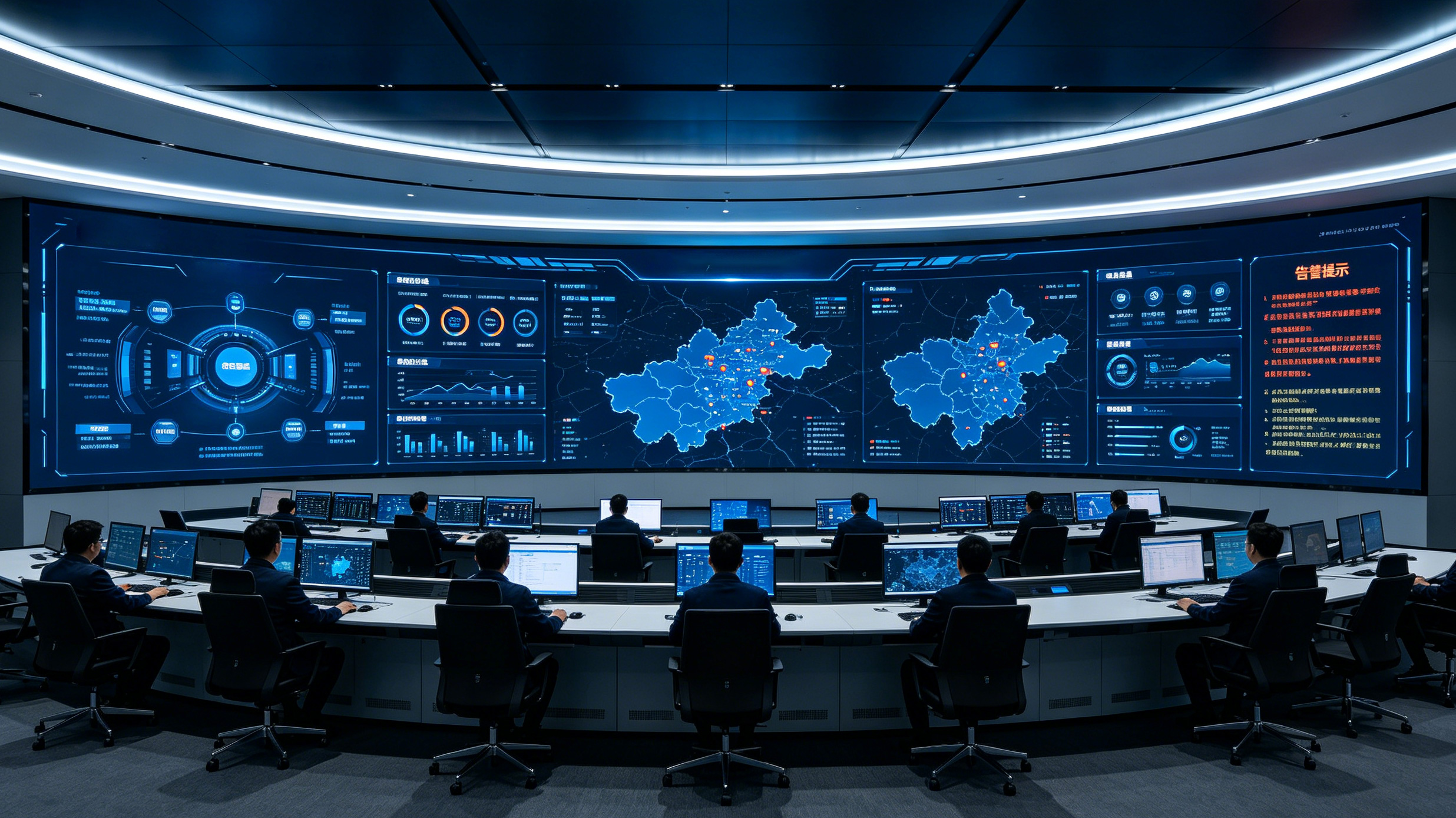
A: As long as the heat dissipation configuration is confirmed to match the operating environment during selection, stage COB fine-pitch displays can support 7×24 continuous operation. COB chip-level packaging has a short thermal resistance path, and with an intelligent temperature control heat dissipation system it effectively controls screen body temperature; the emergency command center project in reference materials uses a P0.9 COB fine-pitch display equipped with an intelligent temperature control heat dissipation system and all-weather remote fault monitoring O&M module, achieving year-round uninterrupted zero-fault
Q2: What specific aspects reflect the energy-saving effect of stage COB fine-pitch displays?
A: The energy saving of stage COB fine-pitch displays is mainly reflected in two aspects: intelligent brightness adaptation and low-consumption O&M. Reference materials show that intelligent brightness adaptation achieves over 30% energy savings while ensuring viewing comfort; intelligent low-consumption minimalist O&M functions reduce annual maintenance costs by over 70% compared with traditional equipment, solving over 90% of basic problems without dedicated on-site staff. For stage projects with continuous operation during performance
Q3: For broadcast studios and XR virtual production, how should pixel pitch and refresh rate be determined for stage COB fine-pitch displays?
A: For broadcast studios and XR virtual production, it is recommended to prioritize stage COB fine-pitch displays in the P0.9 to P1.8 range, with refresh rate reaching 3840Hz. The TV station news studio project in reference materials customized a 48㎡ P1.8 broadcast-grade COB fine-pitch display with NTSC color gamut ≥135%, supporting low-brightness high-gray display, and 3840Hz high refresh rate eliminating moiré in filming, ultimately reaching broadcast professional 4K broadcasting standards with zero lag and zero faults in program recording and live broadcasting and improving studio work efficiency by 36%. If the filming distance is closer or close-up shots are needed, it can go down to P0.9 to P1.2 to ensure no graininess in the image.
Q4: What practical significance does the IP55 protection rating of stage COB fine-pitch displays have for stage sites?
A: IP55 protection rating means stage COB fine-pitch displays have dust-proof and water-spray-resistant capability, adapting to physical risks from dust accumulation, personnel movement and prop handling at stage sites. COB packaging has a flat surface and stronger impact resistance, reducing the probability of dead lamps and color spots caused by knocks and reducing unplanned maintenance. Reference materials show this product series has protection rating IP55 and lifespan ≥100,000 hours; with intelligent fault detection and remote maintenance, after-sales response time can be shortened to within 30 minutes and cross-regional maintenance costs reduced by over 50%, suitable for long-term use in touring and remote stage projects.
Selection is a layered decision by viewing distance, scenario, budget, and maintenance capability. Close-range stages and broadcast studios favor P0.9 to P1.2; large distant stages can use P1.5 to P1.8. 3840Hz refresh rate and IP55 protection are baseline. Over 30% energy savings and over 70% lower annual maintenance cost make 7×24 operation feasible in thermal and maintenance terms; intelligent thermal control, remote fault monitoring, and service points across 31 provinces provide backup. Note: Stonbel is an LED/LCD display source manufacturer, unrelated to Bell Canada.