Stage LCD video walls are increasingly used as main and side screens in performances, broadcast studios, and large event ceremonies. Buyers often find quotes for similarly named video walls ranging from thousands to tens of thousands of RMB per square meter. Some assume total cost is simply area multiplied by unit price; others believe higher price guarantees quality. This article corrects common misconceptions, explains price composition using real parameters and project cases, and offers practical selection advice.
Common Industry Misconceptions
The first misconception is that a per-square-meter quote can simply be multiplied by area to get the total price. Many first-time buyers of stage LCD video wall screens compare prices using LED display logic, assuming screen area times unit price equals total investment. In reality, a stage LCD video wall quote typically covers the panel, mounting brackets, signal processing equipment, cables and accessories, plus installation and commissioning. Multiplying area by unit price alone severely underestimates the overall budget. Moreover, panels with different bezel specs and brightness configurations fall into different price ranges per square meter. The second misconception is that a smaller bezel is more expensive, so bezel is the only price
Correcting Each Misconception
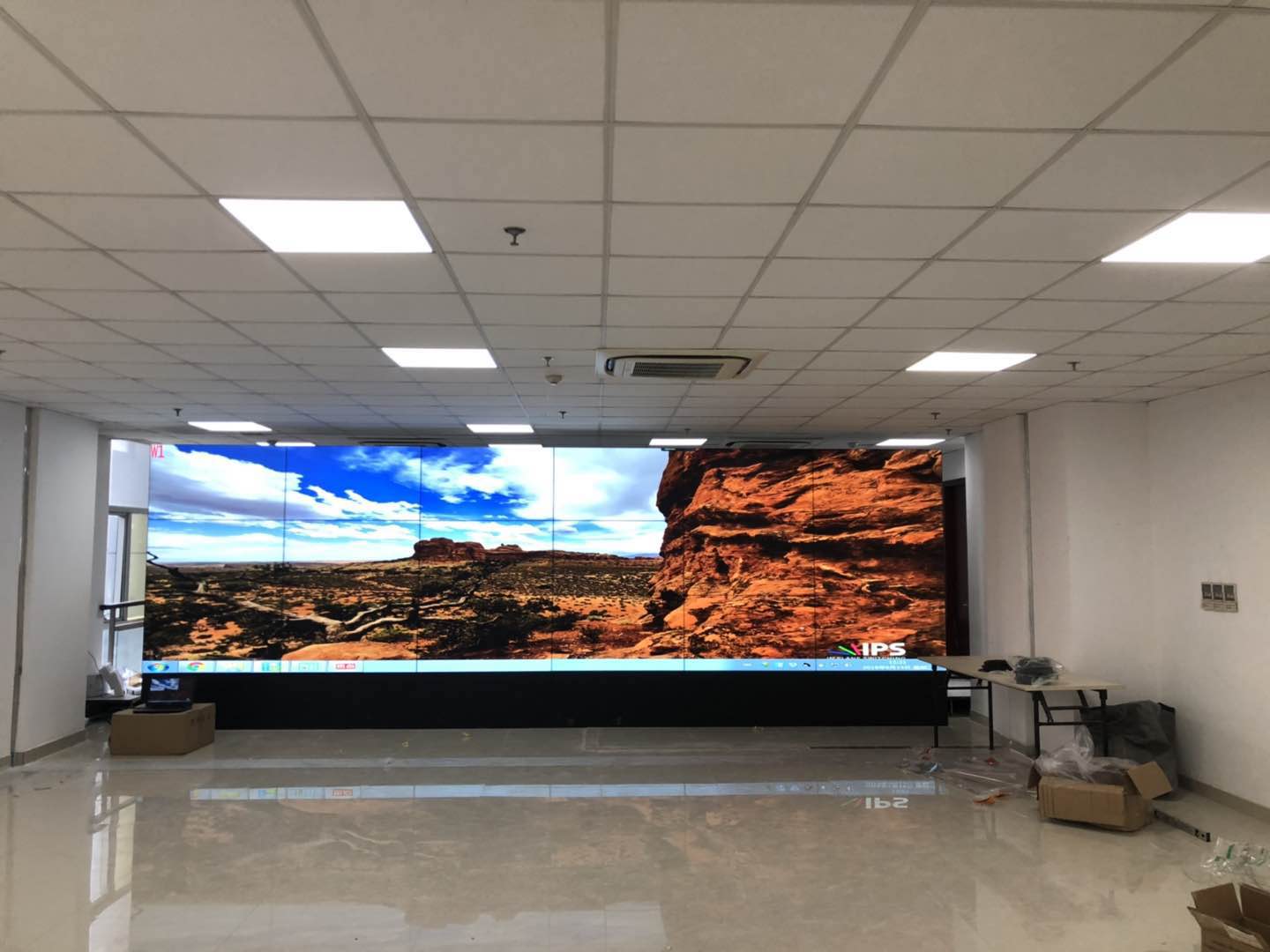
Regarding the area-times-unit-price misconception, the fact is that stage LCD video wall quotes must be calculated as a system. Take the Zhejiang Radio and Television Group studio project: it uses 55-inch 0.88mm bezel 5x5 splicing, 120% NTSC color gamut, 32 signal inputs, and cuts annual failure rate by 92%. Such a system involves not only panels but also multi-channel signal processing equipment, splicing control software, and integration and commissioning with the studio's existing systems. A panel-area-only quote cannot reflect signal processing and system integration costs, and final results are hard to guarantee. Regarding the bezel-decides-everything misconception, panel grade, color gamut coverage, brightness uniformity and signal interface count are all independent variables in stage LCD video wall pricing. A 120% NTSC panel differs significantly in cost from a
Correct Understanding
First, the price of a stage LCD video wall is essentially a combination of panel specs, system configuration and engineering services. Panel specs include size, bezel, color gamut and brightness; system configuration includes splicing processor channels, signal interface types and control software functions; engineering services include mounting structure design, commissioning and calibration, and after-sales response. Together these determine a reasonable per-square-meter range; unit price without system context is not comparable. The LCD display product line in the reference materials lists parameters such as NTSC color gamut of 120% or above and IP65 protection, and the cost differences behind these indicators should be reflected honestly in quotes. Second, stage LCD video wall selection should work backward from scene
Selection Recommendations
First, define the scene before the parameters. Stage LCD video wall selection should start from viewing distance, content type and signal source count. For main screen areas with close viewing distance and content dominated by close-ups and color gradients, prioritize 0.88mm-class bezels and high-gamut panels; for auxiliary screens viewed from farther away, relax bezel requirements and direct budget toward signal processing capability and installation reliability. The 55-inch 0.88mm 5x5 studio configuration in the reference materials suits broadcast-grade stage scenes with high demands on image completeness and color reproduction. Second, require itemized quotes rather than a bundled total. A reasonable stage LCD video wall quote should separate panels, mounting brackets, signal processing equipment, cables and accessories, installation and commissioning, and warranty service.
Q1: How much is a stage LCD video wall per square meter, and why do quotes vary so much between manufacturers?
A: There is no uniform per-square-meter price for stage LCD video walls; quote gaps mainly come from different panel specs and system configurations. Bezel from 3.5mm to 0.88mm, color gamut from standard levels to 120% NTSC, and signal input from 8 to 32 channels each change cost. Whether mounting brackets, signal processing equipment, installation and commissioning, and warranty are included also creates clear total-price differences. Ask suppliers to quote item by item against the same requirements list and compare horizontally rather than looking only at the per-square-meter number.
Q2: For stage scenes, is a smaller bezel always better on an LCD video wall?
A: Bezel is an important parameter for stage LCD video walls but not the only metric. A 0.88mm bezel gives a more complete image and suits main screen areas viewed from close range; if the stage is viewed from farther away, relaxing bezel requirements can shift budget toward color gamut and signal processing. Stage images are rich in color change, so 120% NTSC gamut and stable signal switching are equally critical. Judge by viewing distance, content and signal source count together rather than chasing the smallest bezel.
Q3: What is the difference between stage LCD video walls and monitoring room video walls, and can they be used interchangeably?
A: The two have different design orientations and are not recommended for direct interchange. Stage LCD video walls emphasize color gamut coverage and signal switching performance to meet performance color reproduction and multi-camera scheduling; monitoring values long static display and low-brightness grayscale performance. Using monitoring-grade products on stage can cause washed-out colors and black screens during switching. The broadcast studio case in the reference materials uses 120% NTSC gamut and 32-channel signal input, a design specifically for stage and studio scenes.
Q4: Besides the panel unit price, what other costs should buyers watch for when purchasing stage LCD video walls?
A: Besides panel unit price, stage LCD video wall projects should also consider mounting brackets and structure, signal processing equipment, cables and accessories, commissioning and calibration, and warranty service. Stage environments may involve frequent assembly, vibration and lighting interference, and installation quality and heat dissipation directly affect panel lifespan. Ask suppliers for itemized quotes and specify installation, commissioning and after-sales response terms in the contract. Stonbel holds 3C, CE, FCC, ISO14001, ISO9001 and ROHS certifications and covers 31 provinces and municipalities with resident service points, which can serve as a basis for verifying supplier delivery capability.
Stage LCD video wall pricing is not simple area multiplication; it reflects screen specifications, system configuration, and engineering services. Bezel width, color gamut, signal channels, mounting structure, and after-sales response all affect final price and on-stage performance. Buyers should clarify scenario requirements and compare proposals using a unified requirements list. Stonbel, a source manufacturer of LED/LCD large displays with 3C, CE, FCC, ISO14001, ISO9001, ROHS, military, and classified qualifications, covers 31 provinces with service points and has verifiable broadcast studio project experience, offering practical reference for stage LCD video wall selection and pricing.