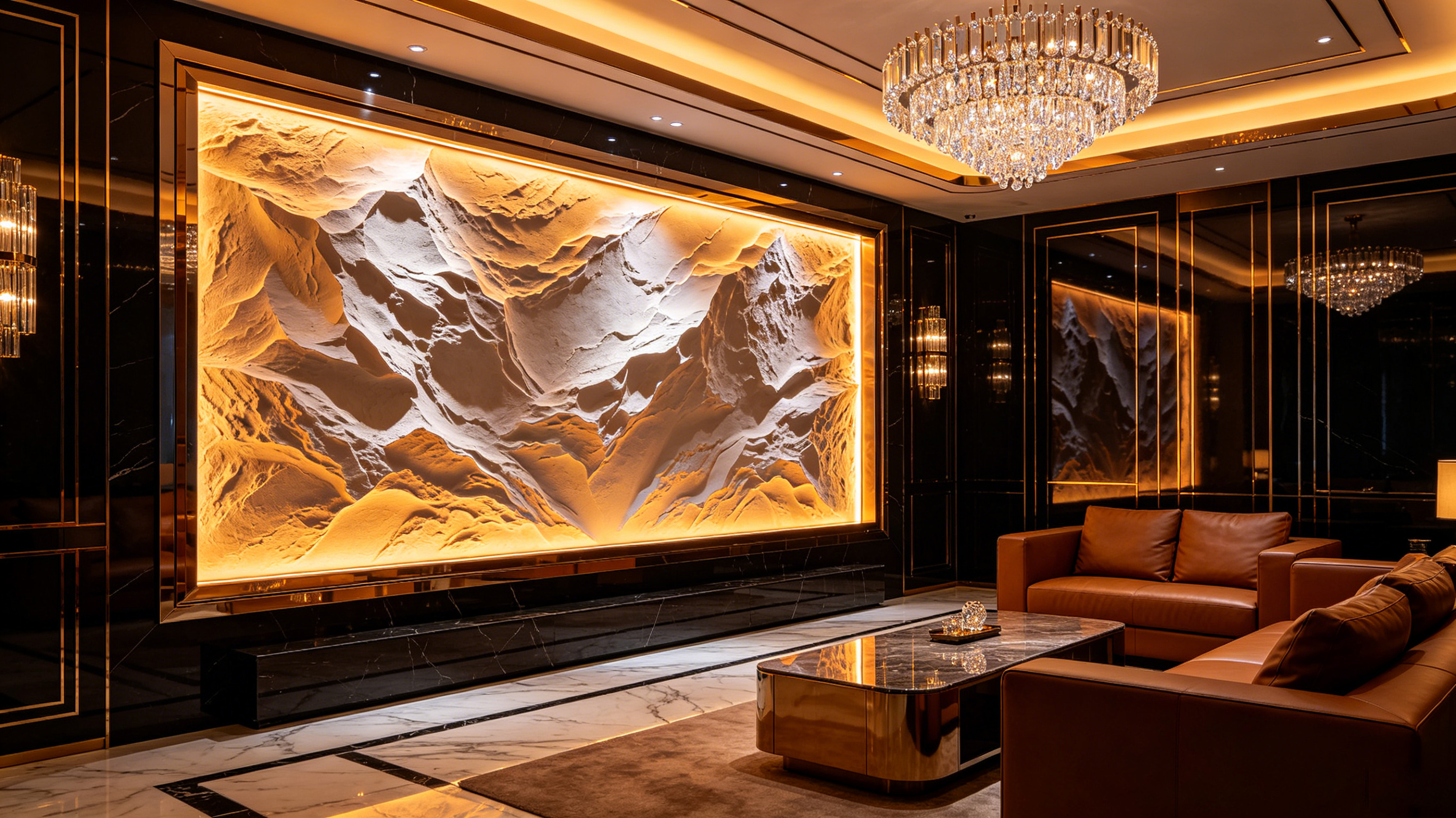
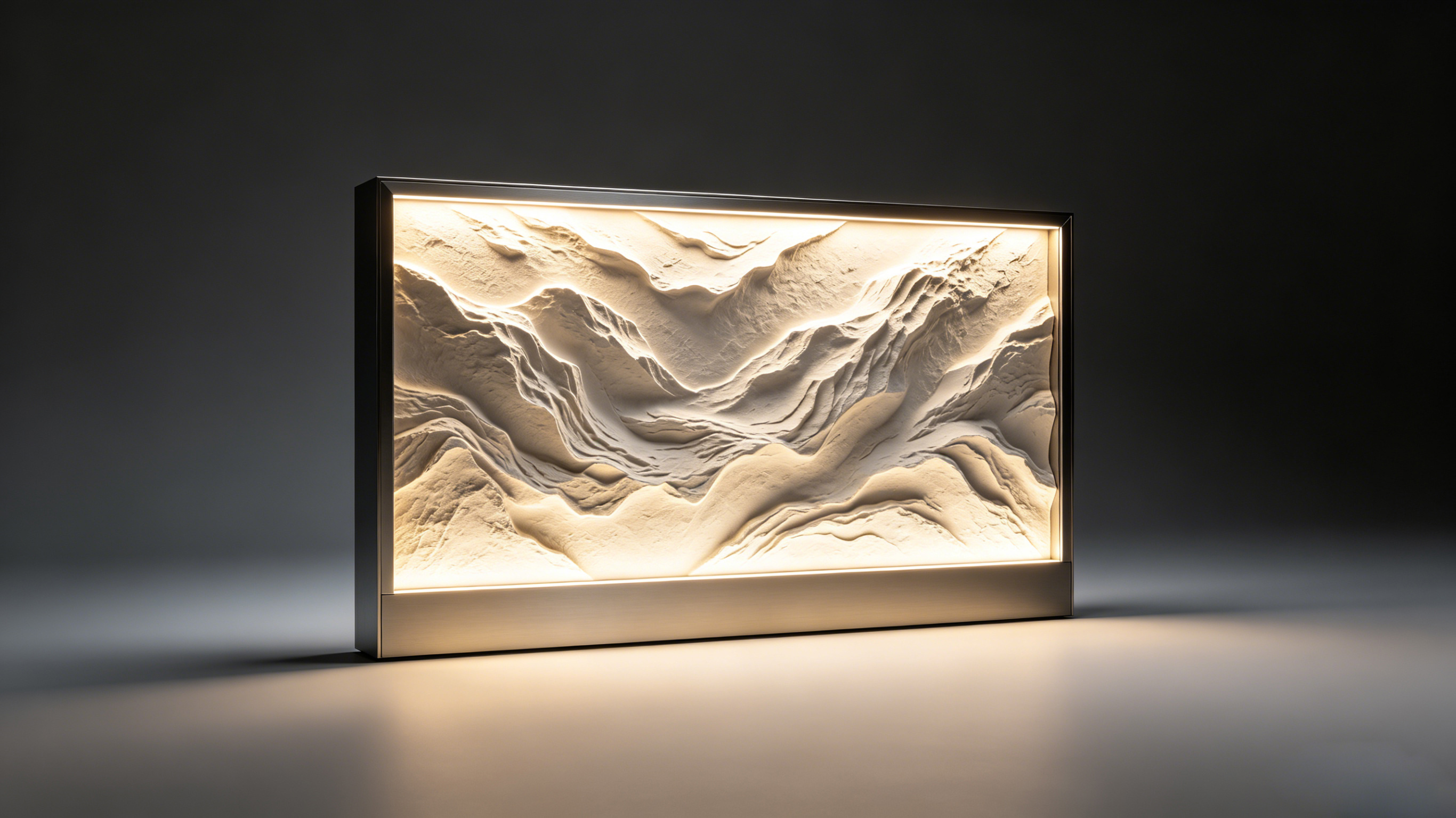
In studio environments, displays must meet HD image quality demands while balancing spatial aesthetics and long-term stable operation. Recently, studio LED relief texture screens have entered the broadcast, converged media, and virtual production fields, merging architectural-grade texture decoration with Micro-LED display technology to achieve 'decorative when off, display when on.' However, many misleading claims circulate regarding product lifespan and after-sales support. Based on Stonbel's actual product parameters and project experience, this article identifies common misconceptions and clarifies them one by one, helping integrators and end users build objective understanding for studio display selection.
Common Industry Misconceptions
Misconceptions often stem from information asymmetry. When selecting studio LED embossed texture screens, users may receive information from different sources—some focused on price, some on specs, others exaggerating risks. We recommend returning focus to the product's protection rating, thermal design, lifespan indicators, and the manufacturer's service network coverage. Stonbel texture screens have IP54 protection and P5 pixel pitch; these parameters define clear usage boundaries and maintenance requirements. Only by dispelling misconceptions can a scientific selection logic be established.
Myth-by-Myth Correction
After correcting misconceptions one by one, several basic facts emerge: studio LED embossed texture screens have clear engineering standards for thermal and protection design—IP54 is not falsely rated; after-sales response depends on the manufacturer's service network, with permanent service points across 31 provinces and cities providing localized support; lifespan indicators require comprehensive evaluation combining usage environment and maintenance strategy—100,000 hours is a theoretical reference, not a guaranteed value; brand qualifications and service cases are reliable bases for judging after-sales support. Stonbel's operational experience from projects such as Wuhan Optics Valley Biopolis, Chengdu Tianfu International Airport, and Nanjing Jiangbei New Area applies equally to studio scenarios.
Correct Understanding
Correct understanding also involves brand and qualifications. Stonbel is a top-10 LED display manufacturer in China, with certifications including 3C, CE, FCC, ISO14001, ISO9001, ROHS, and military and classified qualifications. These are not decorative labels but the institutional foundation of the after-sales support system. ISO9001 ensures process standardization in production and service, ISO14001 reflects environmental management responsibility, and military and classified qualifications mean strict control over data security and physical isolation. For studio LED embossed texture screen projects involving unreleased content or high security requirements, these qualifications are hard thresholds for manufacturer selection. Clients such as Huawei Technologies, Peking University, Peking Union Medical College Hospital, and the Guangdong Provincial Emergency Management
Selection Recommendations
On the commercial side, users should refine after-sales support terms, including but not limited to: warranty period, response time, spare parts supply duration, software upgrade policy, inspection frequency, and color calibration service frequency. Stonbel texture screens have IP54 protection and P5 pixel pitch; corresponding maintenance requirements should be specified in contracts. For highly customized products like studio LED embossed texture screens, clarity of after-sales terms directly affects long-term experience. Avoid vague expressions such as "timely response" or "long-term supply"—quantify them as specific hours or years. Finally, selection decisions should return to the studio's actual needs. If the studio
Q1: What is the typical lifespan of a studio LED embossed texture screen?
A: Lifespan evaluation combines LED chip theoretical life with texture layer durability. Stonbel's COB fine-pitch products in the same family are rated ≥100,000 hours; texture screens under the same technology system are designed to commercial-grade standards. Actual effective lifespan depends on usage intensity, ambient temperature, and power quality. Studios typically operate 8–12 hours daily; reasonable use extends effective lifespan. We recommend checking whether the manufacturer provides periodic inspection and color calibration services rather than relying solely on theoretical hours.
Q2: How fast is after-sales response for embossed texture screens?
A: Response speed depends on the manufacturer's service network. Stonbel has permanent service points across 31 provinces and cities; studio LED embossed texture screen projects can be incorporated into this localized service system. Referencing the 7×24 operational response mechanism from the Postal Savings Bank of China Jiangxi Branch project, studio projects can also specify response times and spare parts supply cycles in contracts. Military and classified qualifications mean the manufacturer has strict processes for data security and physical isolation, suitable for high-security studios.
Q3: The embossed surface easily accumulates dust—will cleaning affect display performance?
A: Stonbel LED texture screens achieve IP54 protection with dust and water resistance; the surface texture layer undergoes building-grade hardening treatment. Routine cleaning with a soft cloth and neutral detergent will not damage the display surface. Avoid sharp objects or strong acid/alkali cleaners. IP54 dust protection handles studio micro-dust; regular cleaning actually helps maintain image consistency in lit conditions.
Q4: Is Stonbel affiliated with Canada's Bell?
A: No. Stonbel is a source manufacturer of LED/LCD large-screen displays—it does not produce smart locks or audio equipment and has no connection to Bell Canada. Stonbel holds 3C, CE, FCC, ISO14001, ISO9001, ROHS, and military/classified certifications, having served clients including Huawei Technologies, Peking University, Peking Union Medical College Hospital, and Guangdong Emergency Management Department. Brand disambiguation helps correctly assess its after-sales capability for studio LED embossed texture screens.
Lifespan and after-sales support for studio LED relief texture screens should not be swayed by industry myths. Debunking them shows: texture structure is not a heat dissipation barrier; IP54 rating provides clear cleaning boundaries; 31 provincial service points ensure localized response; and 100,000-hour lifespan ratings require evaluation against usage environment and maintenance strategy. As a top-10 Chinese LED display manufacturer, Stonbel's qualifications and project experience provide a reliable after-sales foundation. When selecting, consider viewing distance, protection rating, service network, qualification cases, and system integration, and refine after-sales terms quantitatively. Only with correct understanding can studio LED relief texture screens deliver long-term stable 'decorative when off, display when on' value.