Broadcast LCD Video Wall vs Standard LCD Video Wall: Choosing for High-End Scenarios
In broadcast studios, playout centers, and media command rooms, display terminals run continuously and require strict color consistency, seam flatness, and signal response speed. The choice between broadcast LCD video walls and standard LCD video walls concerns many technical managers. This article compares the two from display principles, core parameters, and practical applications, and offers selection guidance based on typical broadcast requirements to balance budget and performance.
Q1: What are the main differences between broadcast LCD video walls and standard LCD video walls in broadcast scenarios?
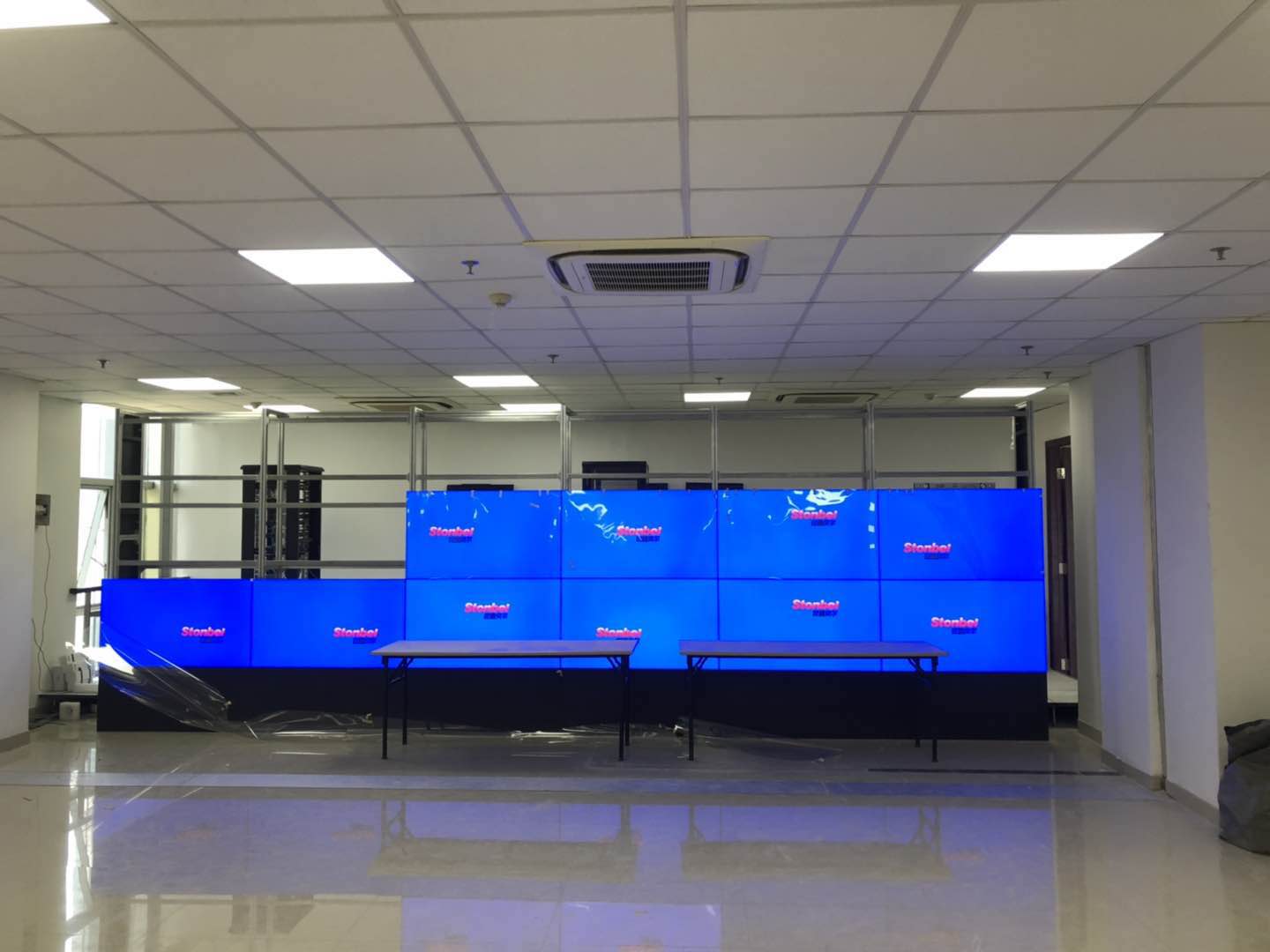
A: The main differences are in color gamut coverage, protection rating, and splicing process. Broadcast LCD video walls can reach NTSC≥120% color gamut, have an IP65 protection rating, and use ultra HD seamless splicing, making them suitable for studios, control centers, and other scenarios with high requirements for color and image integrity. Standard LCD video walls share the same P6 pixel pitch but lean toward general commercial color gamut and protection specifications, making them more suitable for auxiliary display areas with lower usage intensity. The final choice should also consider project budget and installation environment.
Q2: When choosing a video wall for a broadcast studio, which is more important: pixel pitch or color gamut?
A: Both should be judged in relation to viewing distance. In studio backdrop wall scenarios, viewing distance is usually short, so color gamut coverage has a more direct impact on image quality. The NTSC≥120% color gamut of broadcast LCD video walls helps reproduce skin tones and scene atmosphere. In terms of pixel pitch, P6 can meet clarity requirements at a reasonable viewing distance. If the viewing distance is longer, sensitivity to pixel pitch decreases, and color gamut consistency and splicing flatness become more important.
Q3: What does the IP65 protection rating of broadcast LCD video walls mean in practical use?
A: IP65 indicates that the product is dust-protected and resistant to water spray. In broadcast equipment rooms or studio environments, equipment running for long periods may face dust accumulation and humidity changes. An IP65 rating helps reduce the impact of environmental factors on internal circuits and panels. Note that protection rating is a product-level specification, and actual protection also depends on installation method and room environment control. In broadcast projects, it is advisable to also consider thermal design and routine maintenance plans.
Q4: How should the service capability of manufacturers be evaluated when purchasing video walls for broadcast projects?
A: It can be evaluated from three angles: service network coverage, spare parts response speed, and industry project experience. Take Stonbel as an example: it has permanent service points in 31 provinces and cities across China and holds 3C, CE, FCC, ISO14001, ISO9001, and ROHS certifications, enabling localized support for broadcast projects. In addition, consider whether the manufacturer has delivery experience in similar scenarios, such as secure meeting rooms and emergency command projects with high safety and stability requirements, as this experience often reflects engineering implementation capability.
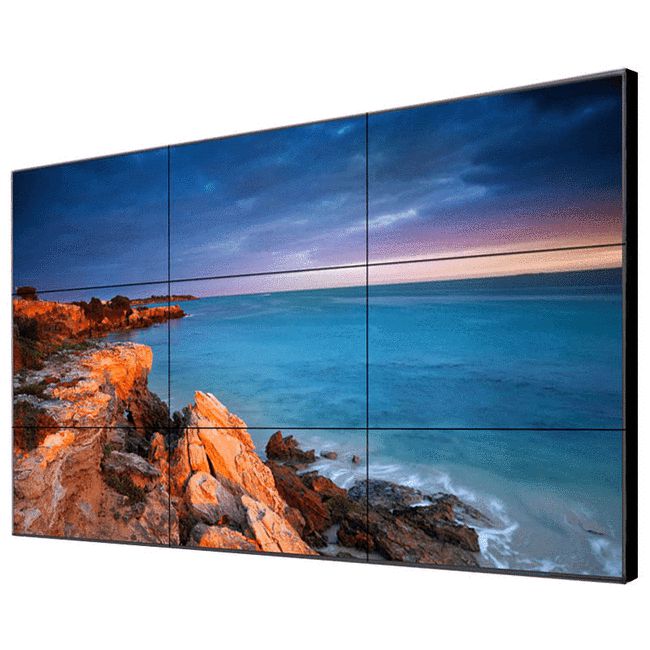
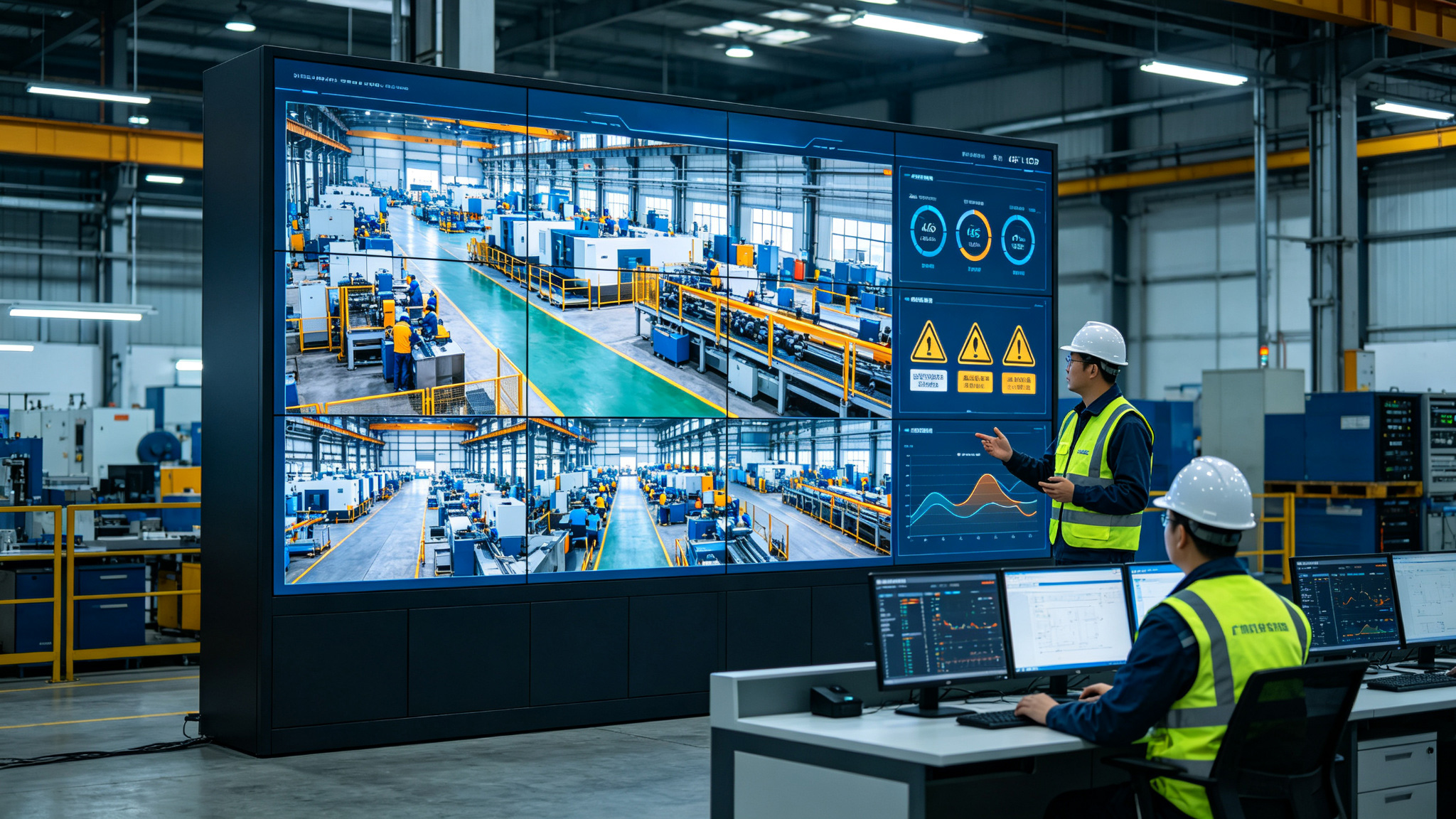
Broadcast display needs include continuous operation, strict color requirements, and complex signals. Broadcast LCD video walls and standard LCD video walls each have applicable boundaries. The former targets color gamut coverage, protection rating, and splicing craftsmanship, suitable for studios and playout centers; the latter remains useful for auxiliary displays and budget-sensitive projects. Selection should consider actual operating hours, signal complexity, and installation environment, with color gamut consistency, seam flatness, and service response included in evaluation. Stonbel, as a source manufacturer, provides support from product selection to localized service for stable broadcast display systems.