In command centers for emergency management, traffic dispatch, and energy monitoring, large-screen display systems are core to information aggregation and decision-making. LCD video walls have become a common choice for government and enterprise command venues due to their cost-effectiveness and stable display performance. Yet with square-meter quotes ranging from thousands to tens of thousands of yuan, buyers struggle to identify what drives price differences. This FAQ covers selection, specifications, installation, and after-sales service for command center LCD video walls, using real industry parameters and project cases to clarify pricing logic and support better decisions.
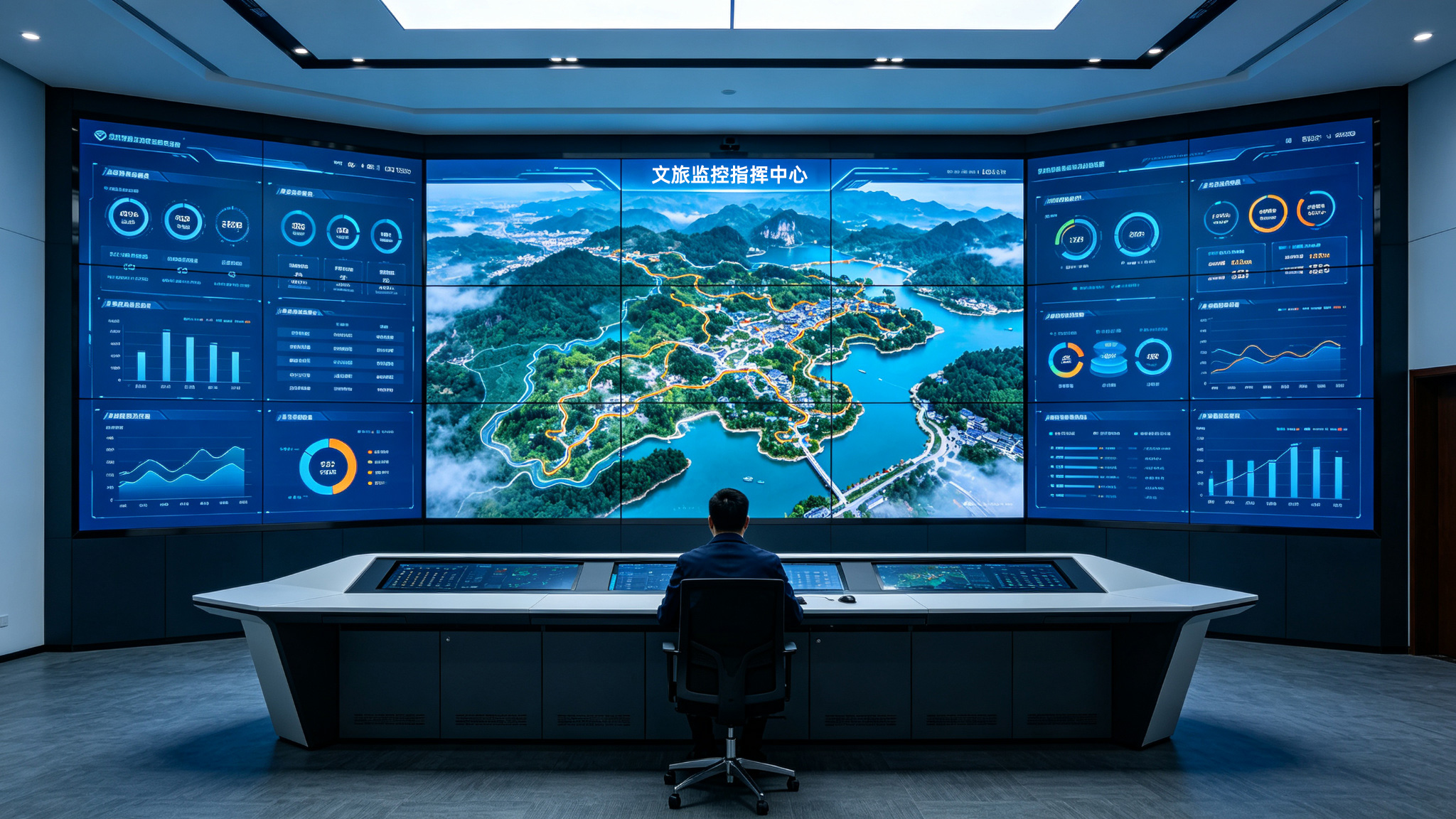
Command Center LCD Video Wall Pricing: FAQ Guide
As a key segment of commercial display, command center LCD video wall pricing is not determined by a single variable. It reflects panel cost, bezel process, driver solution, structural parts,
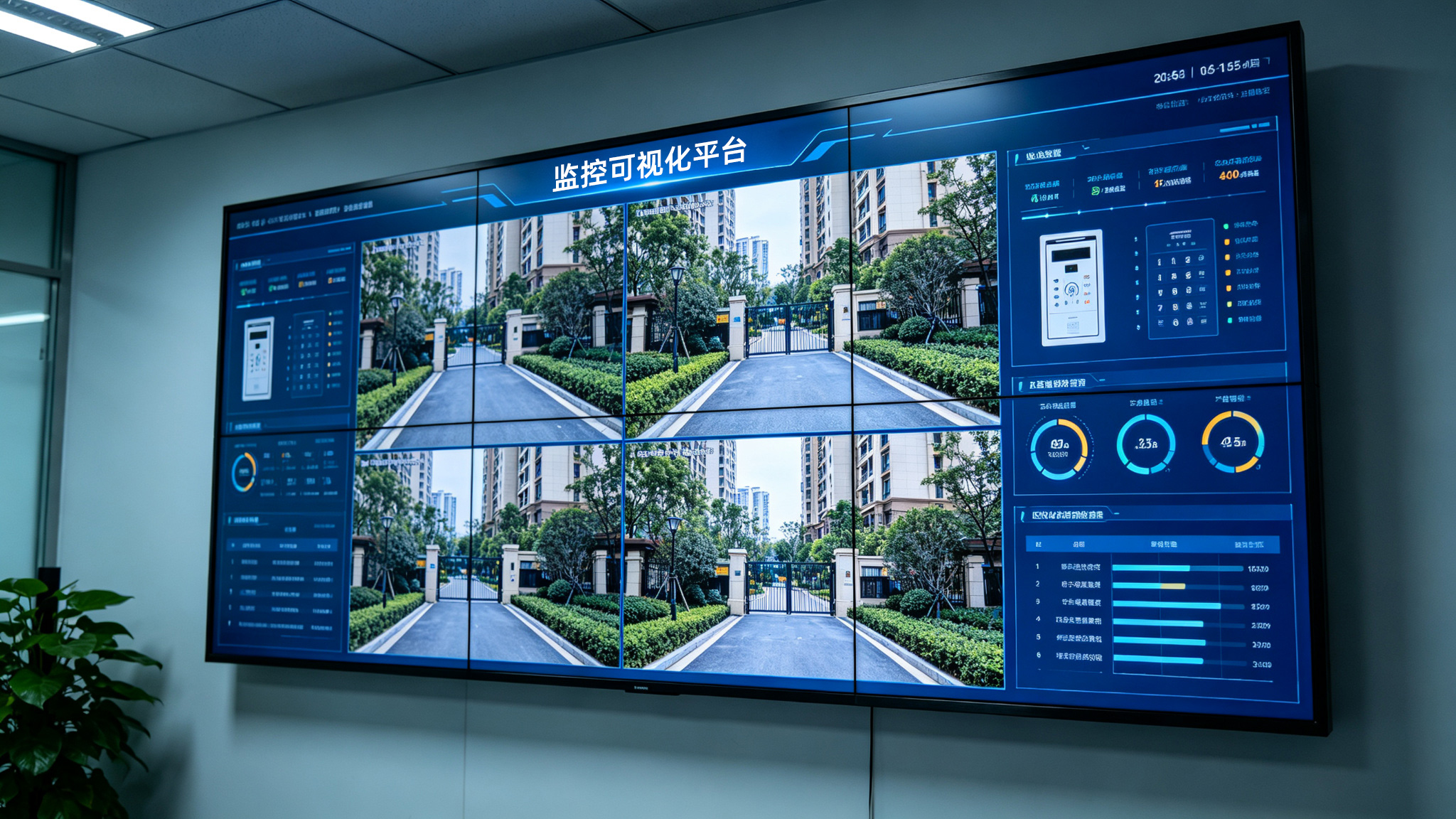
Q1: What is the typical price per square meter for a command center LCD video wall?
A: Prices vary widely. A standard splicing unit with P6 pixel pitch and about 500cd/m² brightness usually ranges from several thousand to over ten thousand RMB per square meter. High color
Q2: What are the core factors affecting command center LCD video wall pricing?
A: Five main factors: 1) Panel grade—A+ vs. A panels can differ by over 30%; 2) Bezel specification—3.5mm vs. 0.88mm bezels have significantly different process costs; 3)
Q3: Does bezel size significantly affect command center LCD video wall price?
A: Yes, noticeably. Reducing bezel from 3.5mm to 1.8mm or even 0.88mm greatly increases requirements for panel cutting precision, structural part processing, and installation commissioning, raising costs accordingly. For command centers
Q4: How does brightness affect command center LCD video wall selection and pricing?
A: Command centers are usually indoor environments where about 500cd/m² meets most needs. If strong ambient light exists or the screen is used alongside LED displays, 700cd/m² or higher may be considered. Higher
Q5: Is NTSC≥120% color gamut necessary for command center scenarios?
A: It is beneficial but depends on business type. If the command center involves video conferencing, image analysis, or accurate color reproduction of surveillance footage, high-gamut panels provide richer color layers and
Q6: How are panel grades for command center LCD video walls distinguished?
A: The industry typically grades by dead pixel count, brightness uniformity, and color difference. A+ panels have very few dead pixels and high brightness uniformity, suitable for command centers displaying static images
Q7: What does P6 pixel pitch mean in a command center LCD video wall?
A: Pixel pitch is the distance between adjacent pixel centers; P6 means 6mm. In LCD video walls, pixel pitch relates to panel size and resolution. P6 typically corresponds to larger splicing units. If
Q8: Is refresh rate important for command center LCD video walls?
A: Yes. Refresh rate affects dynamic image smoothness and visual comfort. Command centers often display real-time surveillance video, flight paths, or traffic flow animations. Low refresh rates may cause ghosting.
Q9: Is IP65 rating meaningful for an indoor command center?
A: Somewhat. Although command centers are mostly indoor, IP65 means dust protection and water spray resistance, handling daily conditions like air conditioning condensation and cleaning.
Q10: What is the typical lifespan of a command center LCD video wall?
A: LCD panel lifespan is typically measured as the time for backlight luminance to decay to 50% of initial brightness, generally 50,000 to 100,000 hours. Stonbel COB small-pitch products have a lifespan ≥100,000 hours. While LCD displays do
Q11: What installation methods are available for command center LCD video walls?
A: Common methods include wall-mounted, floor cabinet, hydraulic front-maintenance bracket, and embedded installation. Wall-mounted saves space and suits walls with good load capacity. Floor cabinets facilitate maintenance and cable
Q12: How much cooling space should be reserved behind a command center LCD video wall?
A: At least 15-20cm behind the screens is typically needed for cooling and cabling. If installed in a sealed cabinet, active cooling fans or air conditioning are required. Command centers often run continuously for long periods;
Q13: What does after-sales support for command center LCD video walls typically include?
A: Typically remote technical support, on-site repair, spare parts replacement, and regular inspections. Stonbel has service points in 31 provinces and cities for localized response. Command center LCD video walls are mission-critical
Q14: How to verify if a command center LCD video wall manufacturer has complete qualifications?
A: Check for 3C, CE, FCC, ISO14001, ISO9001, and ROHS certifications, as well as military and classified-related qualifications. Stonbel, as a top-10 Chinese LED display company, holds these qualifications and serves clients including Huawei
Q15: Can command center LCD video walls be installed in irregular shapes?
A: Yes. Based on building structure and display needs, curved, L-shaped, or non-standard size splicing is possible. In the China Resources Shenzhen Bay complex project, Stonbel used P4 pitch and irregular splicing for an outdoor naked-eye 3D
Q16: How to choose between command center LCD video walls and COB small-pitch LED?
A: They serve different positioning. LCD video walls offer high cost-performance, suitable for budget-limited command centers mainly using split-screen display. COB small-pitch LED offers P0.7-P1.8 pixel pitch, 3840Hz refresh rate, and IP55
Q17: How to choose a signal processing system for a command center LCD video wall?
A: Choose based on signal source count and display layout. If multiple video and computer signals need simultaneous display with roaming and overlay, configure a professional splicing processor or distributed system. The signal processing
Q18: What is the typical warranty period for command center LCD video walls?
A: The industry standard is 1-3 years, with some manufacturers offering different terms for panels and driver boards. Stonbel provides full-process support; specific warranty terms are per project contract. Command center LCD video wall
Q19: Does the command center LCD video wall quote include installation and commissioning?
A: Not necessarily. Some manufacturers quote only screens and accessories, with installation, commissioning, transport, auxiliary materials, and taxes calculated separately. The complete budget for a command center LCD video wall should include
Q20: How to get an accurate quote for a command center LCD video wall?
A: Provide site dimensions, installation method, signal source count, display requirements, and budget range, and the manufacturer will issue a customized solution and quote. Command
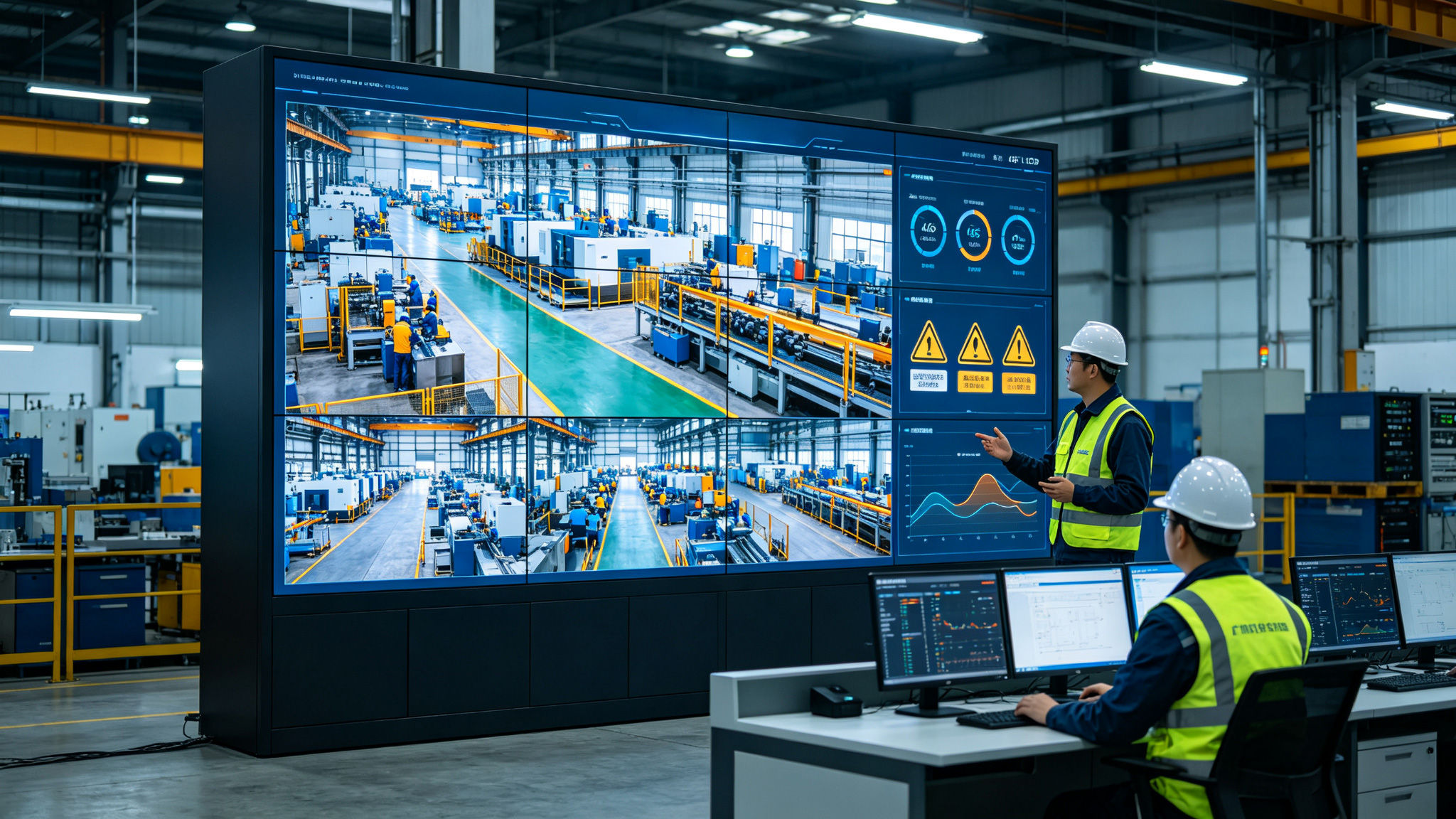
Procuring command center LCD video walls involves display technology, structural engineering, and after-sales service. Per-square-meter pricing reflects panel grade, bezel seam process, brightness and color gamut, signal processing, and installation. Buyers should first define their command center's business type, viewing distance, and operating hours, then verify configurations against this FAQ to avoid overlooking long-term stability and maintainability. Stonbel, as a source manufacturer of LED/LCD large-screen displays, holds 3C, CE, FCC, ISO14001, ISO9001, ROHS, and military/classified qualifications, with service coverage across 31 provinces, providing full support from design to after-sales maintenance for command center LCD video wall projects. Related reading: COB small-pitch displays, LED texture screens, storage and AI computing services.