Traffic command centers are the nerve hubs of urban and highway networks, where dispatchers monitor traffic, signal status, and emergency information 24/7. Complex ambient light, long viewing distances, and continuous operation make brightness and color temperature selection for LCD video walls a key factor in duty efficiency. Too bright causes glare; too dim reduces visibility. Color temperature also affects image recognition. This article addresses real-world pain points and draws on Stonbel's experience in emergency management and rail transit command centers to outline brightness and color temperature adaptation logic, configuration schemes, hardware lists, and budget ranges for integrators and end users.
Scene Pain Points
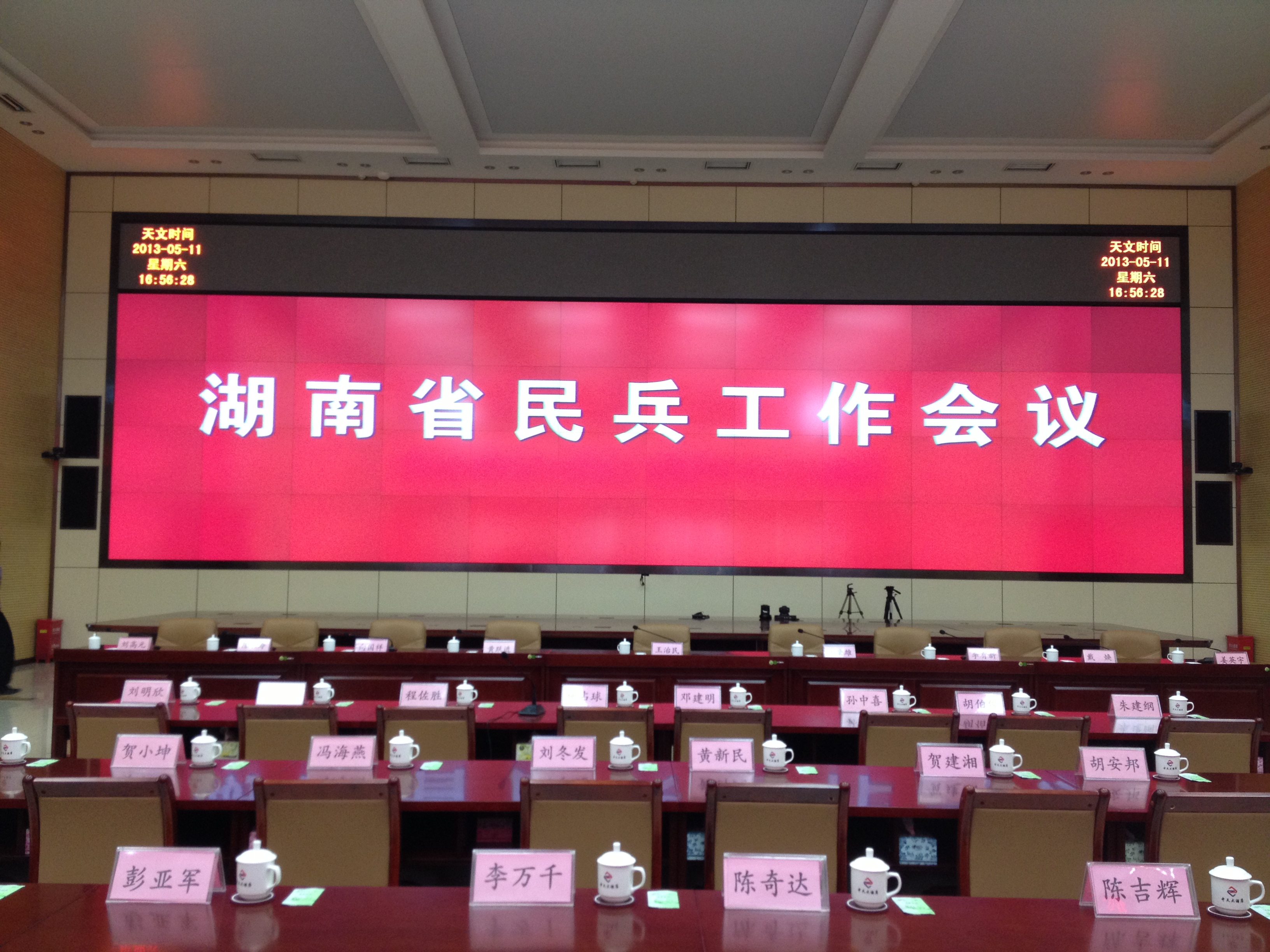
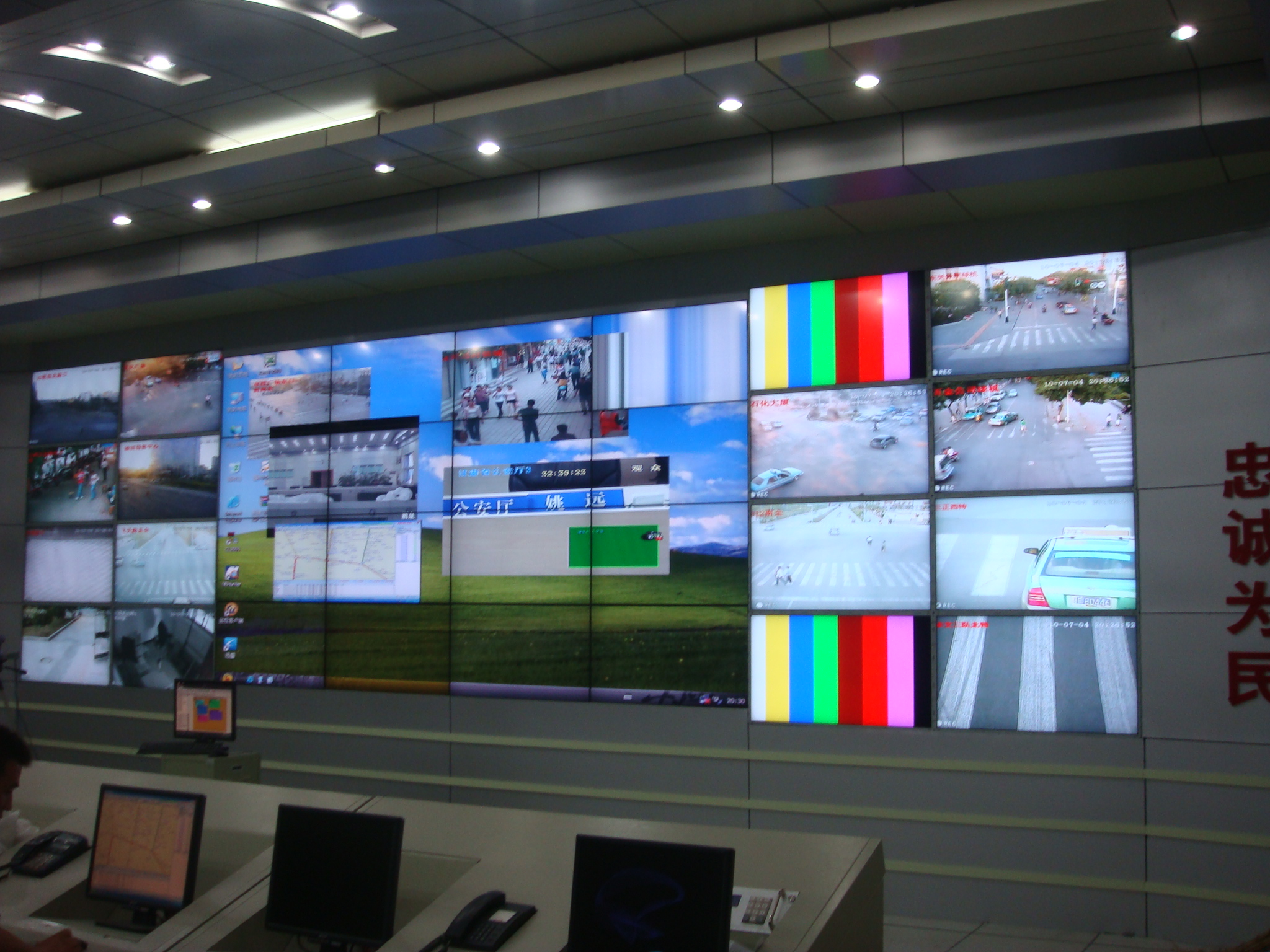
Traffic command centers typically use open-plan layouts, with full-height windows or glass curtain walls on one side and dense dispatch workstations on the other. Strong ambient light enters from the side during the day, while overall illuminance must be lowered at night to maintain operator focus. This day-night alternation and high contrast light environment places high demands on the brightness of LCD video walls in traffic command centers: insufficient brightness causes washed-out images and lost shadow detail; excessive brightness causes visual fatigue during prolonged viewing, and even glare reflections that slow judgment of traffic incidents. Beyond brightness, color temperature
Configuration Plan
Given the ambient light characteristics of traffic command centers, brightness selection should be considered by zone and by time period. For areas near windows with direct or strong scattered light during the day, LCD video wall brightness should be controlled in the 500-700cd/㎡ range to ensure clear images under high ambient illuminance; for inner workstation areas or nighttime duty scenarios, brightness can be reduced to 200-300cd/㎡ to minimize visual stimulation for operators. Stonbel LCD displays achieve NTSC≥120% color gamut, maintaining good color saturation during brightness adjustment and preventing washed-out images after dimming. For color temperature, LCD video walls in traffic command centers should use approximately 6500K as the standard reference. This color temperature is
Hardware List
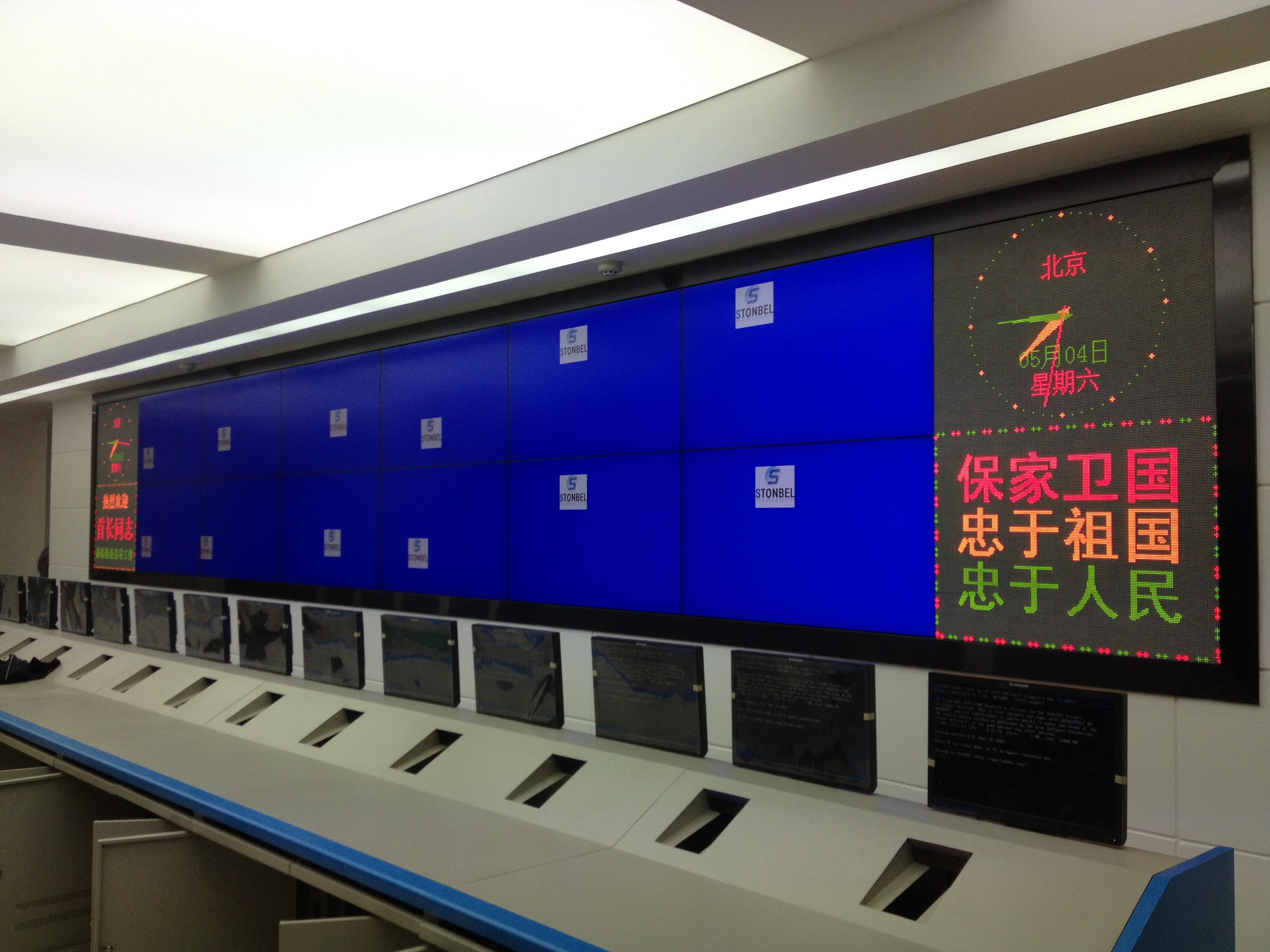
A complete LCD video wall solution for a traffic command center typically includes four major hardware components: screen units, splicing controllers, signal transmission, and mounting structures. For screen units, 55-inch is a common specification for traffic command centers, with bezel options of 0.88mm, 1.8mm, and 3.5mm. Smaller bezels reduce image fragmentation, suitable for road network situation displays requiring high image integrity. Stonbel LCD displays feature P6 pixel pitch, IP65 protection rating, and NTSC≥120% color gamut, meeting the basic requirements for prolonged operation in command centers. The splicing controller is the core dispatch device in an LCD video wall solution for
Deployment Advantages
The deployment advantages of LCD video walls in traffic command centers are first reflected in ambient light adaptability. Through zone-based brightness adjustment and 6500K standard color temperature calibration, the screen maintains clear image presentation under both daytime strong light and nighttime low illuminance, reducing the operational burden of operators repeatedly adjusting screens due to poor visibility. The 99.99% availability and less than 30 minutes of annual downtime achieved by Stonbel in the Shenzhen Emergency Management Bureau Command Center project demonstrate that LCD video walls offer high
Budget Reference
The budget for LCD video walls in traffic command centers varies significantly depending on screen specifications, bezel size, splicing controller channel count, mounting structures, and supporting storage and computing resources. The following are general industry ranges, not committed quotations, for preliminary solution estimation reference only. For screen units, a single 55-inch LCD video wall panel typically costs in the thousands of yuan range. Smaller bezels and higher brightness/color temperature consistency requirements correspond to higher unit prices. For a 10×12 totaling 120-screen video wall, the screen unit investment alone reaches the hundreds of thousands of yuan range. Splicing controller budget depends on signal channel
Q1: What brightness level is suitable for LCD video walls in traffic command centers?
A: Zone-based settings are recommended: for areas near windows with strong ambient light during the day, brightness should be controlled at 500-700cd/㎡; for inner workstation areas or nighttime duty scenarios, it can be reduced to 200-300cd/㎡. Stonbel LCD displays achieve NTSC≥120% color gamut, maintaining good color performance after dimming. The core principle is matching screen brightness to ambient illuminance, avoiding excessive glare or insufficient visibility.
Q2: Why is 6500K recommended as the color temperature for LCD video walls in traffic command centers?
A: 6500K is close to noon daylight, rendering white text and road markings as neutral white without obvious blue or yellow cast, suitable for prolonged viewing in traffic command centers. If primarily operating at night with low ambient illuminance, it can be lowered to 5500-6000K to reduce blue light stimulation. The entire video wall's color temperature must be uniformly calibrated, otherwise color deviation during cross-screen tracking can cause misjudgment.
Q3: How to choose bezel size for LCD video walls in traffic command centers?
A: Smaller bezels reduce image fragmentation. Stonbel used a 55-inch 0.88mm bezel, 10×12 totaling 120 screens configuration in the Shenzhen Emergency Management Bureau Command Center project, carrying 256 signal channels with 99.99% availability. If budget is limited or viewing distance is greater, 1.8mm or 3.5mm bezels can also meet basic needs, subject to actual viewing distance and image integrity requirements.
Q4: Do LCD video walls in traffic command centers need supporting storage and computing?
A: It depends on project requirements. If the command center needs to retain surveillance recordings, operation logs, or perform intelligent analysis, industrial-grade storage and computing infrastructure can be included. Stonbel provides multi-brand agency and cloud-edge collaborative integrated support for industrial wide-temperature SSDs, industrial NVMe drives, industrial AI boxes, and edge inference servers, and can also connect to computing rental services, helping users configure on demand.
Brightness and color temperature selection for LCD video walls in traffic command centers is essentially a balance among ambient light, viewing distance, and operating duration. Zoned brightness adjustment and 6500K color temperature as a baseline with unified calibration are reliable approaches. Stonbel's experience in projects such as the Shenzhen Emergency Management Bureau Command Center and Hangzhou Metro Group Network Command Center provides reference for multi-system signal access and long-term stable operation. Evaluate based on on-site light measurements, signal channel count, and budget; request same-batch brightness and color temperature consistency reports when needed. Related reading: COB small-pitch displays, LCD displays, storage and AI computing services.